Former Concorde pilot explains why he thinks it's one of humankind's greatest technical achievements and predicts the future of supersonic travel
Published on Jul 05, 2026 at 10:02 AM (UTC-4)
by Ben Thompson
Last updated on Jul 06, 2026 at 9:26 AM (UTC-4)
Edited by
Mason Jones
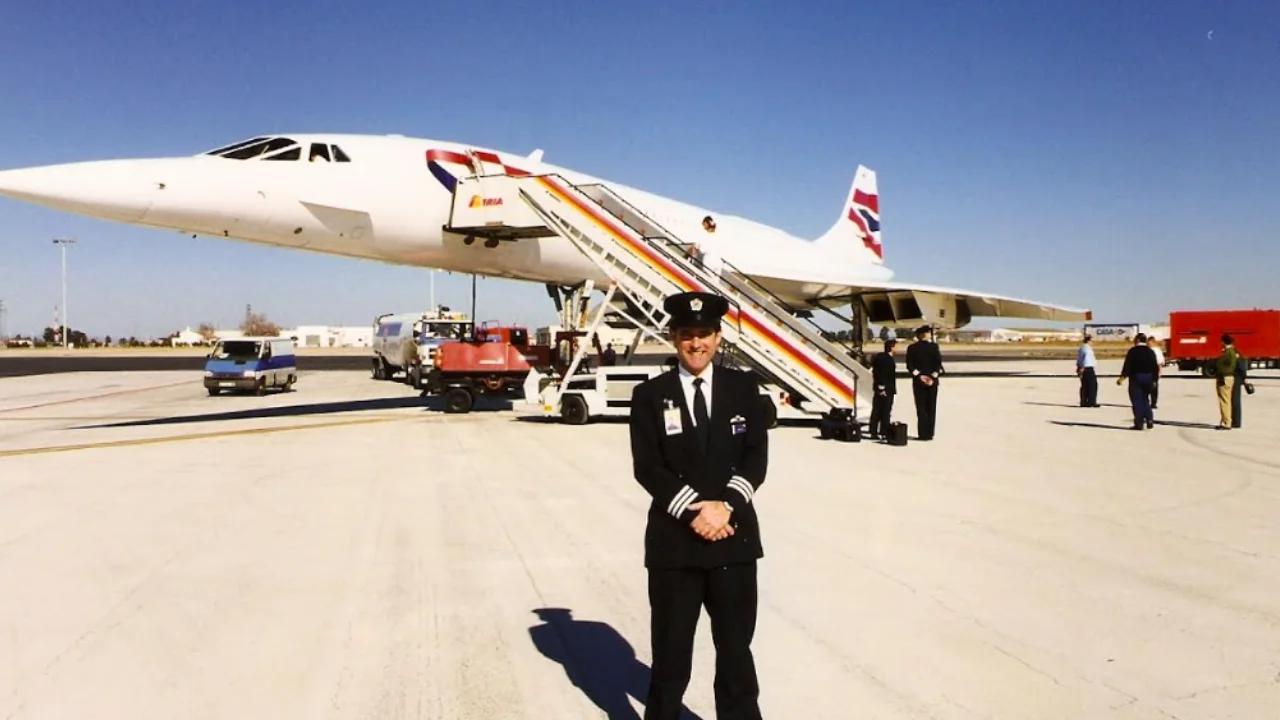

John Tye was one of the lucky 134 British Airways pilots that got to fly the Concorde during its legendary 27-year-run.
He was witness to the jet’s first flight and its last, and he got to sit in the cockpit inbetween.
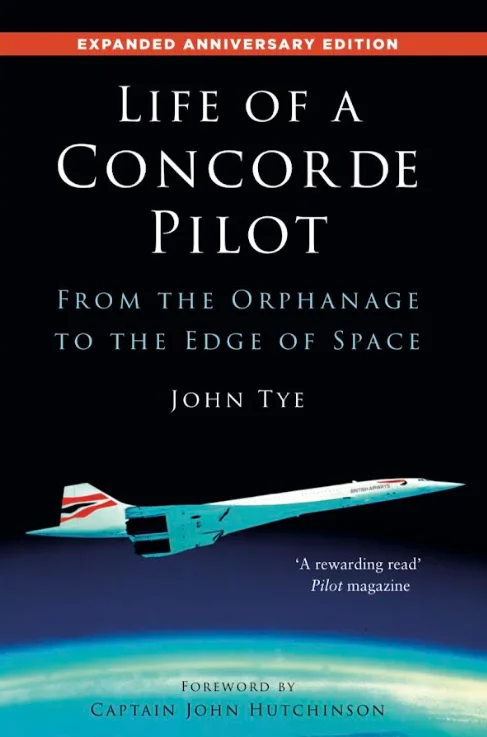
In his autobiography Life of a Concorde Pilot: From the Orphanage to The Edge of Space, Tye reflected on his remarkable life and career.
Speaking to Supercar Blondie, he shared whether he thought fate had led him to the Concorde and shared his views on the future of supersonic travel.
John Tye loved planes from an early age, but flying the Concorde was a whole other level
The book was written with the intention of inspiring people, hence the book’s subtitle ‘From the Orphanage to The Edge of Space‘.
“I did not have a great start in life. My birth mother never saw me. I did indeed start off life in an orphanage,” Tye told Supercar Blondie.
“I was also born with, shall we say, a deformity in my legs, a situation that’s got worse throughout the years, and I talk about that quite openly, again, in an inspirational and humorous way.”
It seemed evident that many things in his early life were pointing towards becoming a Concorde pilot.
He lived five miles south of Heathrow Airport, his dad was constantly experimenting with sound waves and frequencies, and his neighbor ‘Uncle Jack’ worked on the electrical system for the Concorde.
Later in life, he discovered that his birth mother had been a big aviation enthusiast too.
“I believe that things are meant to be in life. And having put all the pieces of that jigsaw together, particularly the last bit about my birth mother, that was an emotional discovery,” he said.
“They were all pointing me in that direction.
“When I started working at British Airways, it was only meant to be a summer job before going off to university.
“Meeting real pilots and being inspired by them, I realized they weren’t superheroes and I could do that job.”
He started off working in revenue accounts, before moving up to a role as a flight deck services assistant, and then becoming an assistant flight data officer.
Over time, he had more and more exposure to the Concorde, only increasing his interest.
After qualifying as a pilot, he began submitting a bid to fly the Concorde every year.
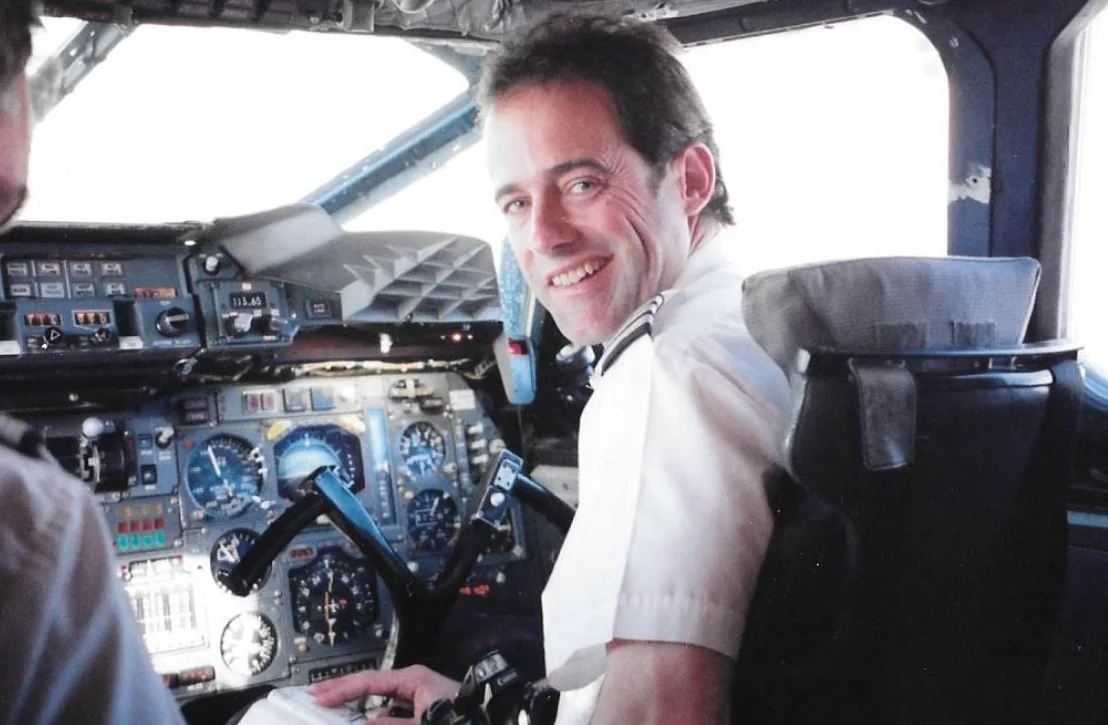
At long last, he got his shot and flew the Concorde for the first time on February 18, 1999.
In the book, he wrote of the experience: “The simulator was good. Very good. But it can’t prepare you for the noise, the smell of the kerosene through the ducting, the bouncing of the flight deck, the sheer acceleration of this absolutely incredible flying machine.”
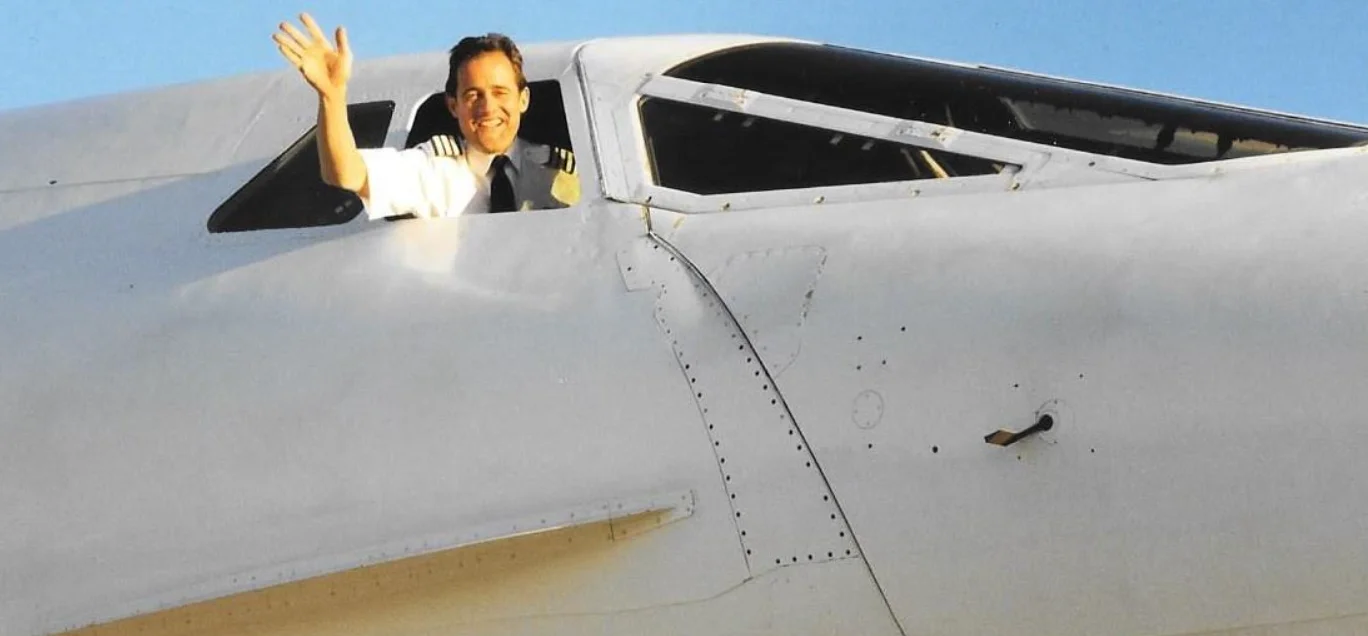
Despite flying many it many times, he never lost his excitement for the plane.
“I never took it for granted, never. I was always in awe of it,” he said.
“And I still pinch myself to this day that it actually happened. Every day was a special day.”
Related


Did he have regrets about not returning to the cockpit?
After the famous crash in July 2000, Concorde pilots were given the opportunity to move to subsonic flights until planes were modified.
Tye went to Airbus, from which he didn’t return to Concorde.
“I would have had to forego the two significant pay rises and peel all that platinum off my jacket and hat and return to senior first officer salary and status to get back to my former supersonic lifestyle,” he wrote in his book.
Did he regret not going back?
“That was a really tough decision, yet another really tough decision that I had to make going through my career,” Tye reflected.
“And I decided not to go back. And yeah, for a period of time, I did regret it.
“I couldn’t afford to go back. I had two pay rises, becoming a captain and then a training captain. And as always, you spend it, don’t you? So we’d moved house one final time, and that’s still the house I’m sitting in now.
“I do, in a way, regret that [I didn’t go back] because we would have found a way. [My wife] Lynne could have gone to work, or we would have found a way.
“But the people I’ve spoken to that did go back said it was never really the same.
“That last year, it had lost a little bit of the magic in that the crews were working much harder.
“They didn’t stay in New York for long. So that was kind of the bit of the glamour that was gone.
“And people on there were a different type of people. They were almost souvenir hunters. If it wasn’t nailed down, they were taking it and that kind of stuff. So I regret not being there at the end.
“It was something I was very privileged to be involved in. And I wasn’t in that sort of last hurrah. But I had carved my path for a greater career.”
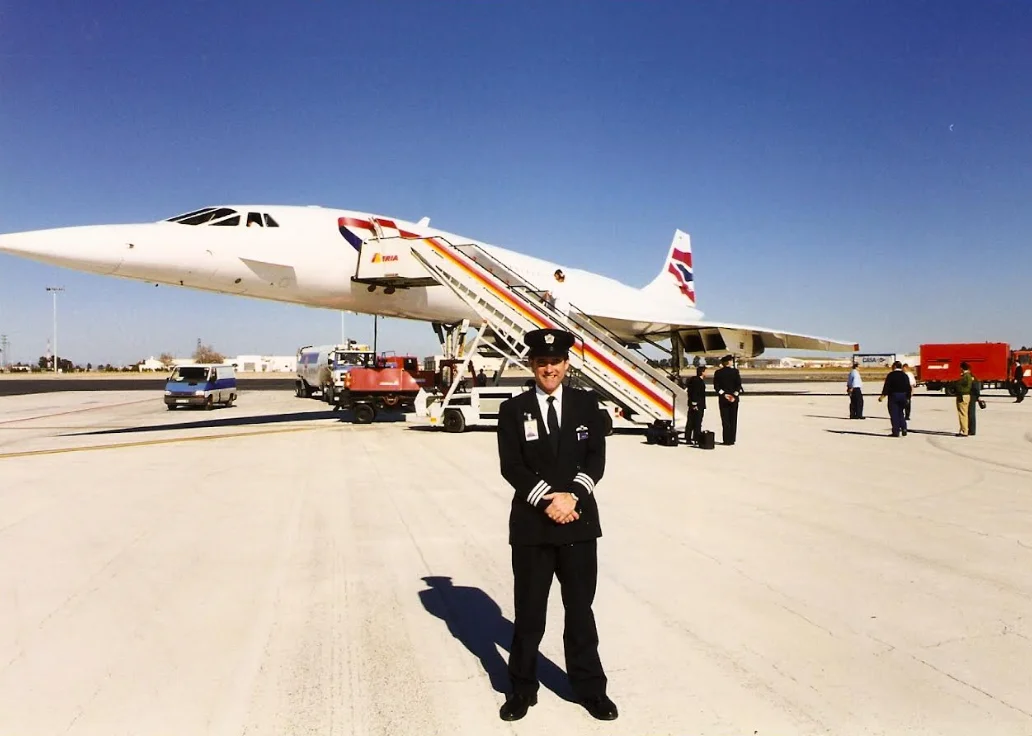
In November 2003, when the final Concorde flight touched down in Filton, England, Tye was there to witness it.
“[It was] a sad day, mixed emotions, but a celebration of one of humankind’s greatest technical achievements,” Tye recalled.
Six months earlier, British Airways and Air France had announced together that they could not afford to keep Concorde going any longer.
This led to fully booked flights between then and November, as people frantically booked tickets to be on board.
Although many have suggested that the Concorde kept going, Tye felt that ‘all good things have to come to an end’.
“It was 27 years in service. There aren’t many airliners that have done that, let alone supersonic airliners,” he said.
“I think if we pushed on a bit longer, we might have come out of that low period. But then the 2008 financial crisis would have got us in, I suspect.”
Is Concorde the greatest icon of the 20th century?
In many of his public lectures, Tye makes a bold claim – that Concorde was the greatest icon of the 20th century.
By the end of his talk, he said he’d convinced everyone in this audience of this assertion.
Why did he believe this?
“It was one of humankind’s greatest technical achievements, without doubt,” he said.
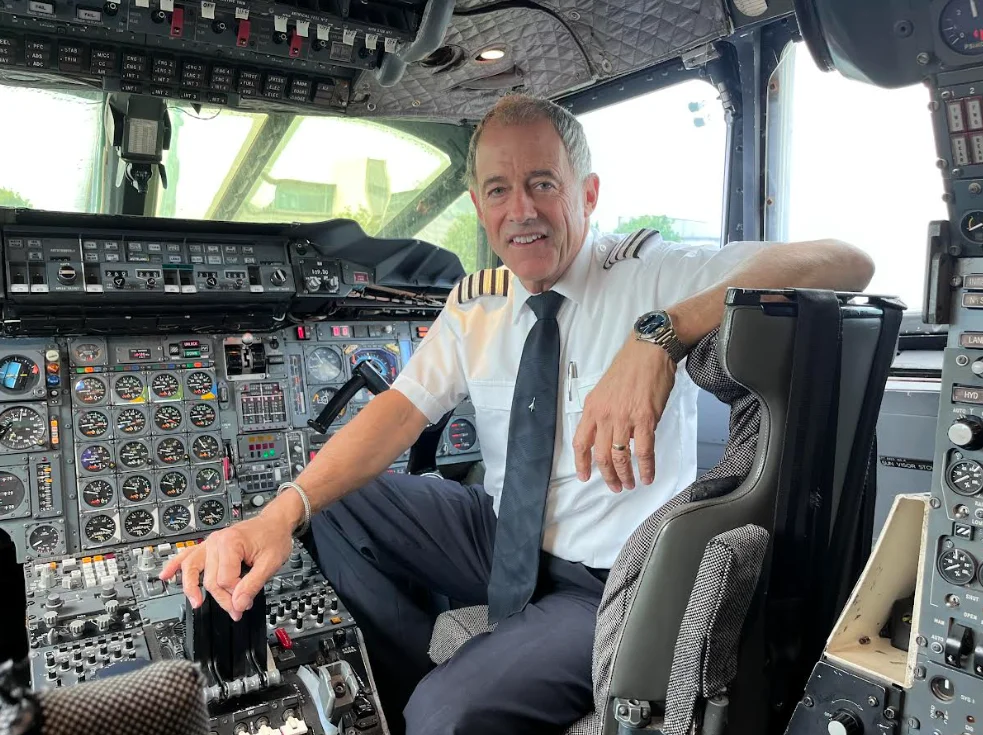
“During my talks, I talk about some of the achievements of the airplane, the technical features, without turning it into a science lesson.”
He even recalled that the achievements of the Concorde impressed those over at NASA.
“My boss, Mike Bannister, had lunch with Neil Armstrong and told us a story about how Neil was absolutely amazed by Concorde,” Tye recalled.
And it wasn’t just Armstrong who was taken with it, as one man in the audience at one of his talks informed him.
“He said, ‘I used to work with James Lovell – the Apollo 13 commander’,” Tye said.
“And [Lovell] always said what an incredible technical achievement Concorde was.
“This man told me, among other things, that Lovell actually said he would rather be a Concorde pilot than an astronaut.”
The future of supersonic travel
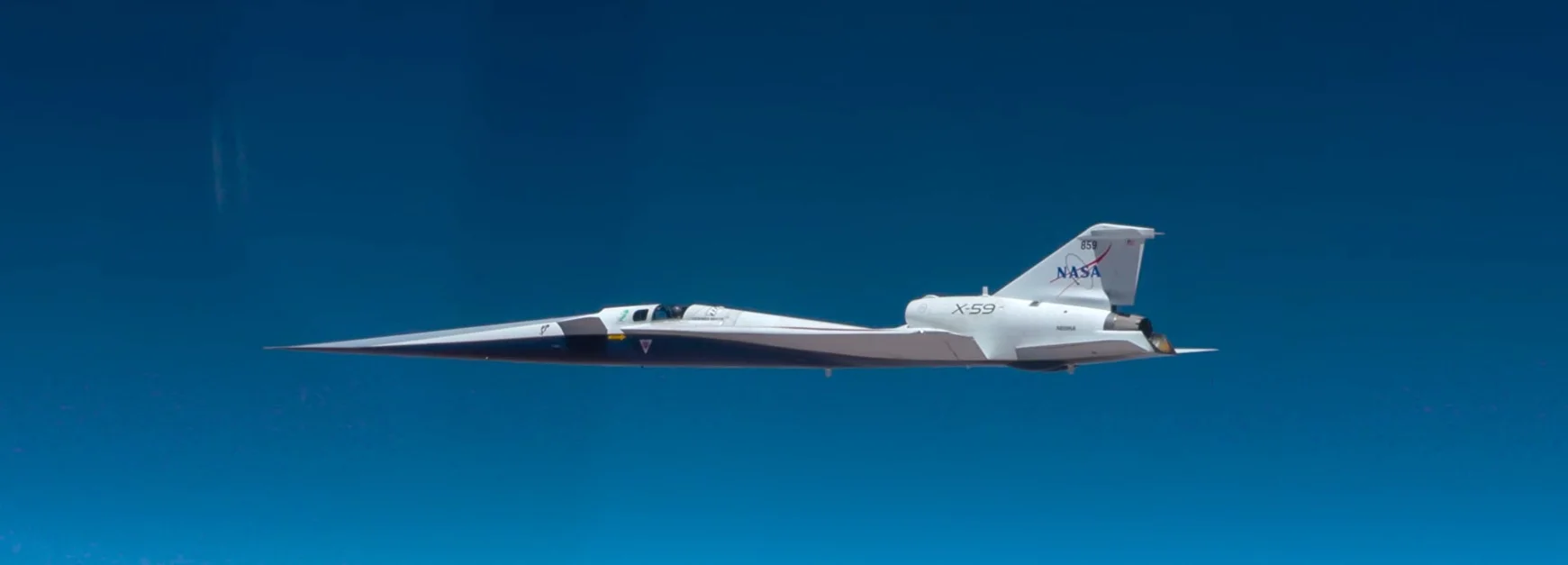
Speaking of NASA, there’s been an awful lot in the press in recent years about NASA’s X-59 jet, often billed ‘Son of Concorde’.
With recent news that it’d completed its first ever supersonic flight, it looked to be making good progress.
And that’s not forgetting the hard work of Boom Supersonic either.
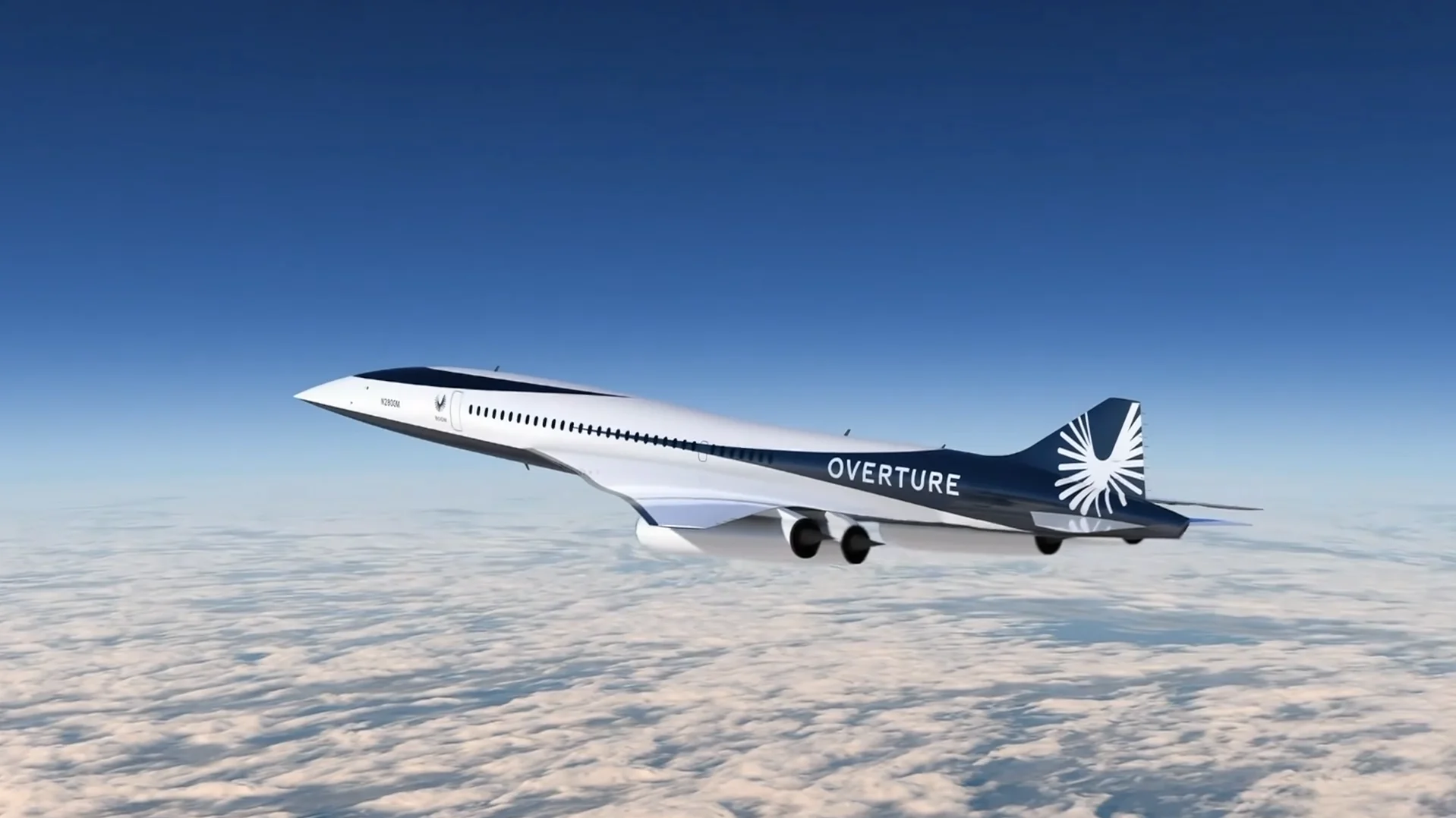
What did Tye make of these projects?
“[The team from Boom Supersonic] have been over and spent a lot of time with us in the UK. They’ve flown the Concorde simulator at Brooklands in Weybridge. I’ve met the CEO a few times and their team, been to Farnborough and flown their simulator,” Tye revealed.
“They are doing great things. They’ve flown their single-seater proof-of-concept aircraft, flew through the sound barrier three times, 28th of January and the 10th of February last year.
“And that was the first time a private civilian airplane has broken the sound barrier since Concorde.
“When I talk to youngsters in schools and universities, I say the next supersonic airline pilot may well be in this room. So Boom is the project to watch in the near future, and the NASA development will permit, ultimately, supersonic flight over land without the sonic boom reaching the ground.”
Why are people still so fascinated with supersonic flight?
It’s been nearly 23 years since a Concorde last took to the sky, and yet people are still fascinated by it.
Why is that?
“I think it’s because as young people in particular look back at Concorde and how it first flew not long after we had color television, they realize it really was an incredible technical achievement,” Tye explained.
“The fact you could leave Heathrow at 10:30 and arrive in New York at 9:30. You can’t do that now, but we did it all those years ago.”
Life of a Concorde Pilot: From The Orphanage to The Edge of Space is available to buy online.
Ben joined Supercar Blondie in February 2025 after being published by international organizations including LADbible, The Sun, the New York Post, and the Daily Mail. He covers supercars, rare and collectible vehicles, aviation, luxury assets, and the fascinating people behind them. His reporting has explored everything from seven-figure supercars and historic Ferrari collections to unusual aircraft adventures and extraordinary automotive discoveries from around the world. Ben has also gained first-hand insight into vehicle craftsmanship and customization, including visiting specialist workshops to see bespoke vehicles up close.