Incredible feat of engineering saw Concorde do 117,000 liters per hour at takeoff compared to 18,000 at supercruise
Published on Jan 03, 2026 at 7:11 PM (UTC+4)
by Henry Kelsall
Last updated on Dec 24, 2025 at 1:48 PM (UTC+4)
Edited by
Mason Jones
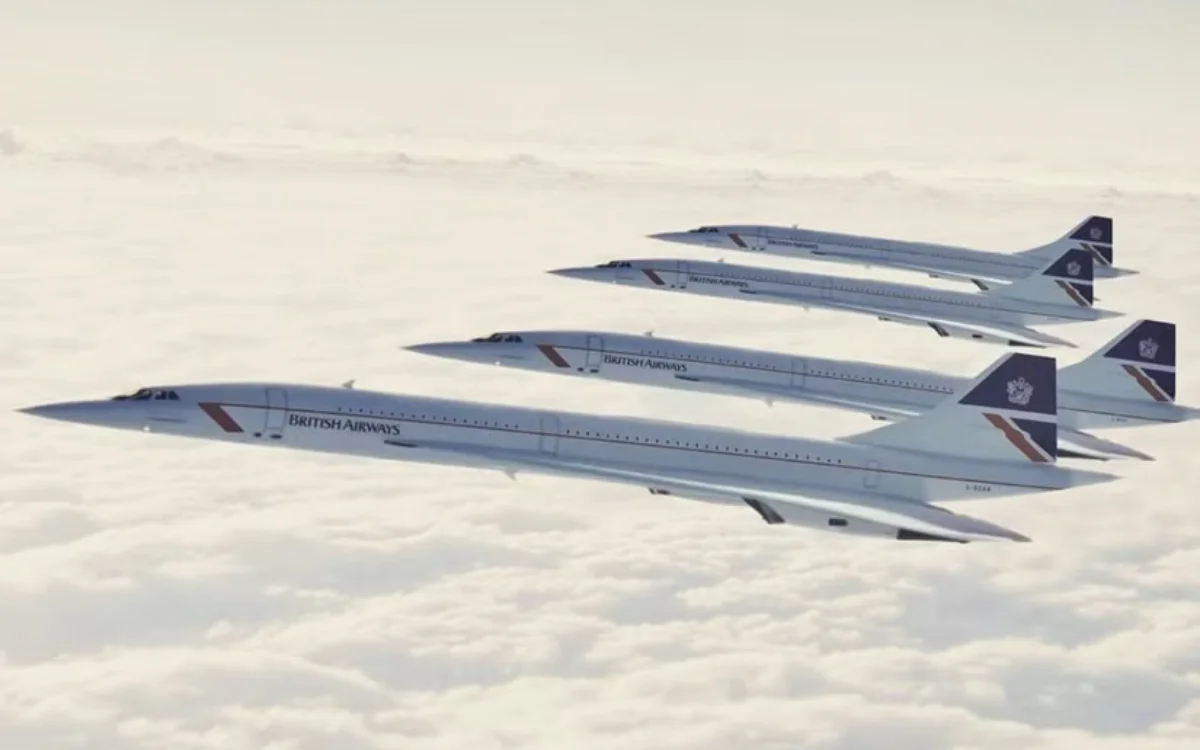

In an incredible feat of engineering, Concorde burnt over 100,000 liters of fuel per hour at takeoff, but when in flight, the supersonic airliner burnt less than 20k during supercruise.
The supersonic airliner could be the greatest engineering achievement of the 20th century, as the world’s only truly successful supersonic commercial aircraft.
It first flew in 1969 and was in service from 1976 to 2003, yet over 20 years after the last flight, it still takes our breath away.
Companies might be working on new supersonic aircraft, but they will never capture the magic that Concorde had.
DISCOVER OUR SUPERCAR AUCTION SITE – View live auctions on SBX Cars
Supercruise was a core part of flying Concorde
At the heart of Concorde were its four Rolls-Royce/Snecma Olympus 593 engines.
Each produced 31,000lbf of thrust, powering the airliner to a top speed of 1,354mph, or Mach 2.04.
At the heart of its operations was something called supercruise.
During takeoff, Concorde used reheat, or afterburner, to get it up to speed and over Mach 2.
This is where it burned the most fuel.
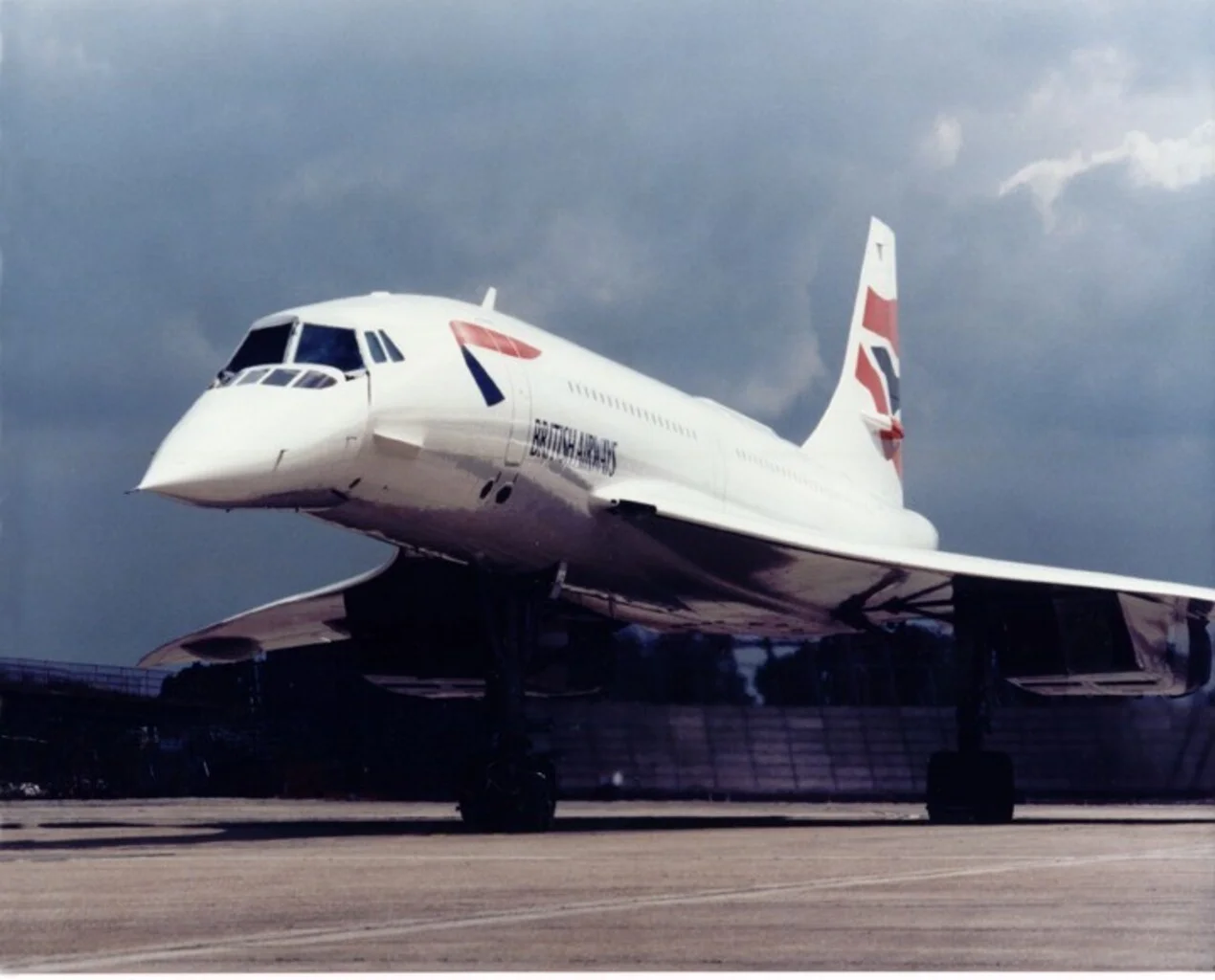
But once at Mach 2, unlike most fighter aircraft, the airliner could switch reheat off and still fly at Mach 2.
This is what was called supercruise, something its Soviet rival, the Tupolev Tu-144, struggled to achieve.
The aircraft burned less fuel and was more efficient, allowing it to complete its transatlantic crossings.
This is how the airliner could burn less than 18,000 liters of fuel per hour as it cruised across the ocean.
Many still miss the supersonic airliner
Concorde’s first flight was in 1969 on March 2nd with prototype 001 from Toulouse, France.
The first British Concorde took to the skies for the first time on April 9th, 1969, and the airliner entered service in 1976.
Despite the banning of overland sonic booms, the aircraft found a niche flying from London and Paris to New York.
Other routes, such as to the Bahamas, also opened up, as well as private charter flights with the airliner.

Of course, some of its other iconic features were the innovative droop snoot and large delta wing.
Sadly, the 2000 Paris crash took it out of service for around a year.
Following a major refit, the aircraft re-entered service just after 9/11, but its effects hurt the aircraft’s operations.
Both British Airways and Air France retired the aircraft in 2003, and amazingly, 18 of the 20 built are preserved.
Concorde’s cutting-edge tech highlights
Droop nose design: Allowed pilots visibility during takeoff/landing
Olympus 593 engines: Afterburning turbojets made supersonic commercial travel possible
Mach 2 cruising speed: Nearly twice the speed of sound at 1,350 mph
Carbon fiber brakes: First in commercial aviation to reduce high-speed wear
Delta wing shape: Provided stability at varying flight speeds
DISCOVER SBX CARS: The global premium car auction platform powered by Supercar Blondie
Henry joined the Supercar Blondie team in February 2025, and since then has covered a wide array of topics ranging from EVs, American barn finds, and the odd Cold War jet. He’s combined his passion for cars with his keen interest in motorsport and his side hustle as a volunteer steam locomotive fireman at a heritage steam railway.