Creepy driving phenomenon dubbed 'Voorhees law' explains why the slower car driving behind you can still catch you up
Published on Sep 18, 2026 at 9:56 PM (UTC-4)
by Ben Thompson
Last updated on Sep 18, 2026 at 9:56 PM (UTC-4)
Edited by
Alessandro Renesis
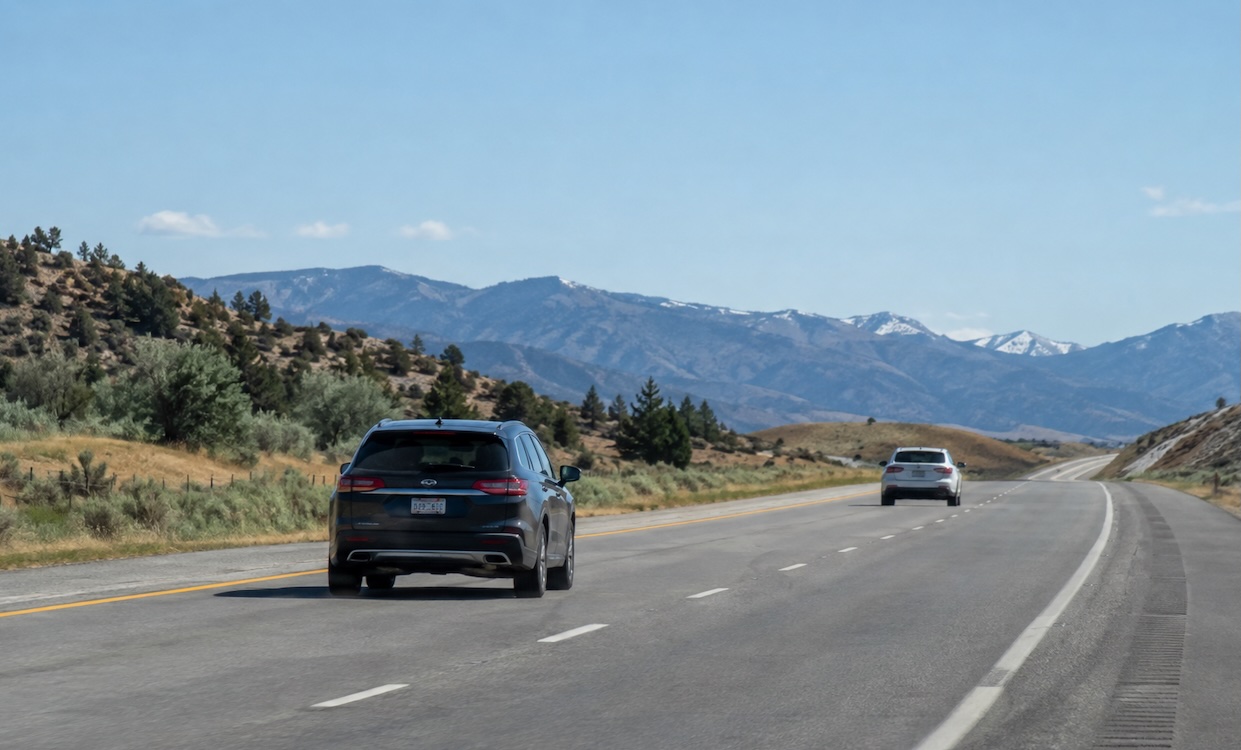

Have you wondered why a slower car behind is still able to catch up with you? Well, there’s a name for that phenomenon and it’s called ‘Voorhees law’.
It’s a scenario we’ve all seen play out – you’re driving along a road and overtake a slow moving car.
But then, the car inexplicably pulls up alongside you.
How does that happen? It seems to defy logic.
There are plenty of unusual phenomenon in the world of cars
Given that we spend so much time on the road, we all like to think that we know how it all works.
But there’s still plenty going on out there that can leave us scratching our heads.
Confusing road signs are just one example of that.
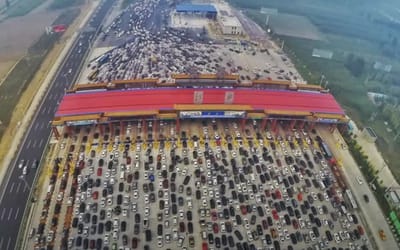
Perhaps nothing better exemplifies driver confusion than phantom traffic jams.
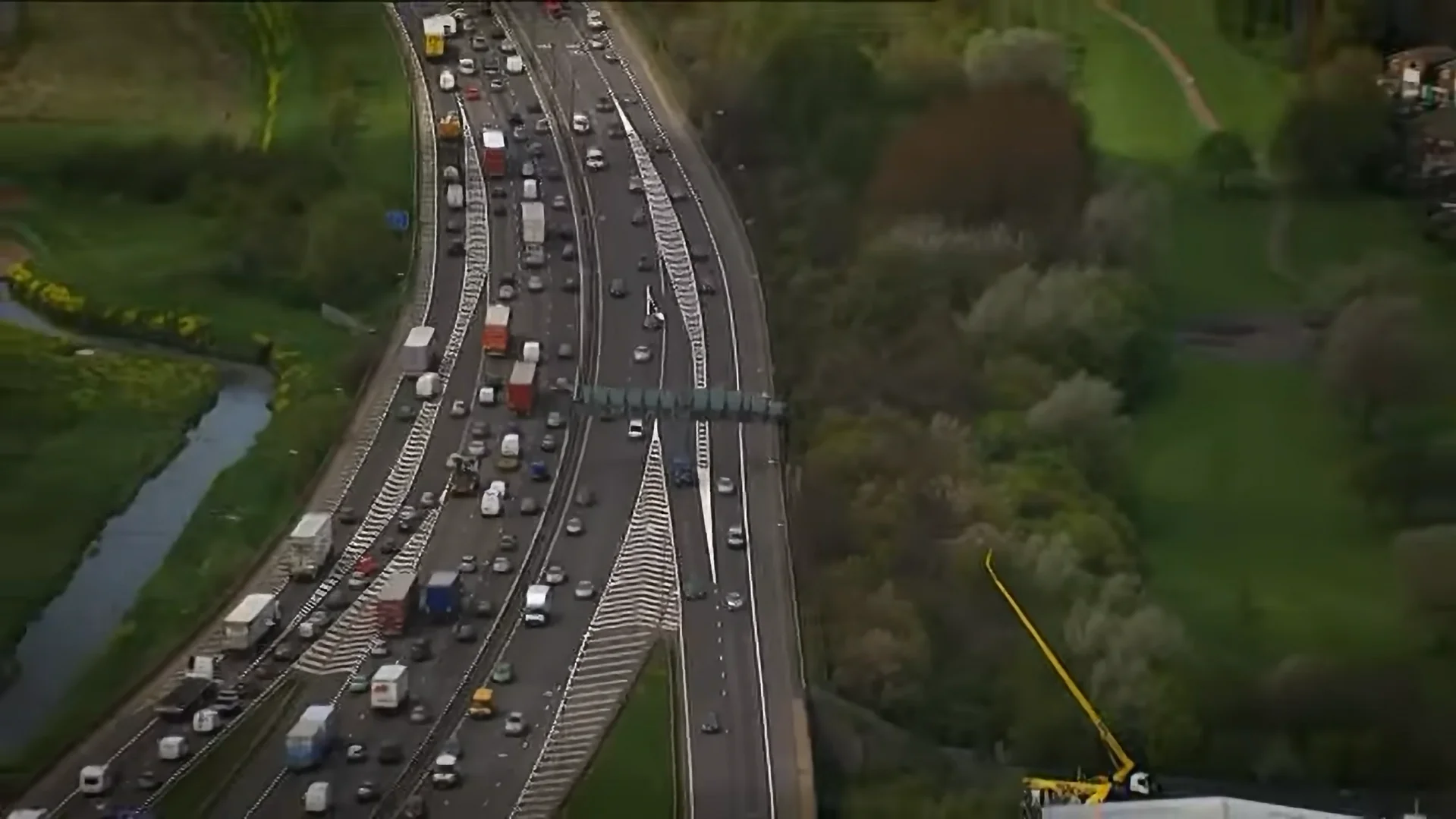
But here’s another driving phenomena that we can’t help but be confused by.
Here’s the scenario.
You’re driving along a road when you find the driver in front of you isn’t going quite as quickly as you’d want.
Maybe it’s a case of a Sunday Morning Driver, or they’re just taking the scenic route.
At any rate, you overtake them and continue on your way.
But then you come to a halt at traffic lights and that same driver from before has pulled up beside you.
How does that happen?
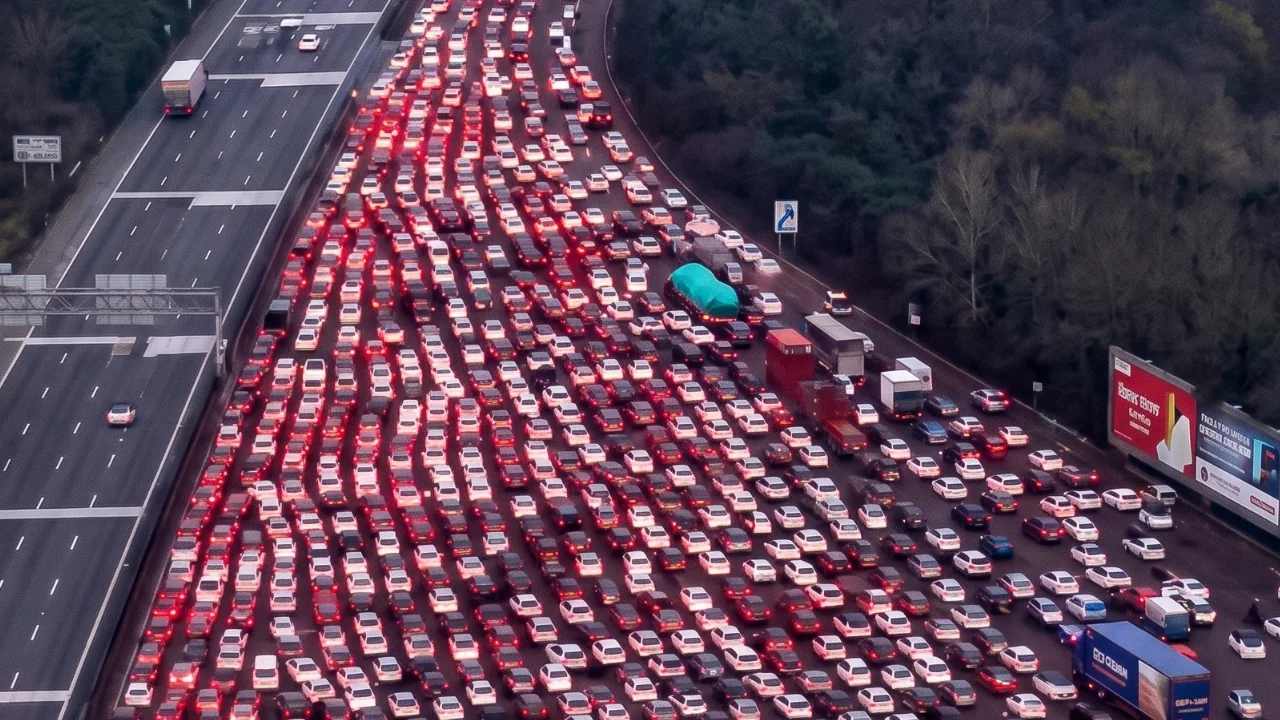
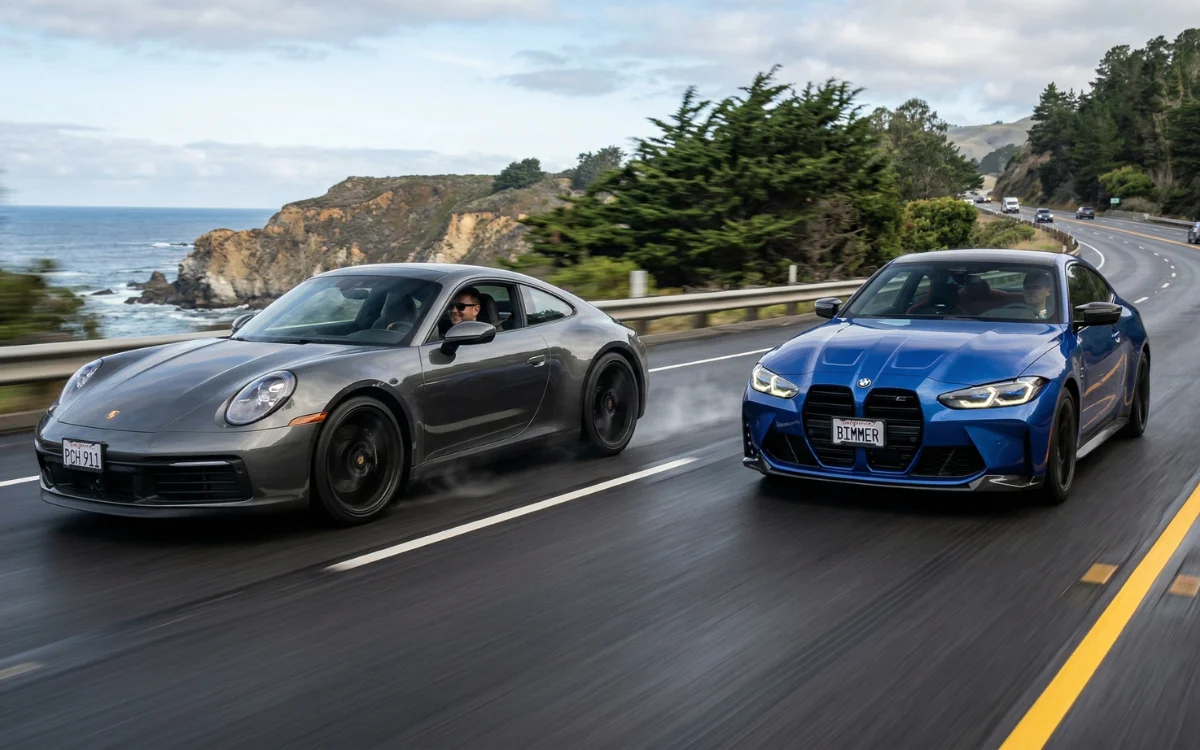
Here’s how Voorhees law works
The film buffs among our readership will no doubt recognize Voorhees as the name of Jason Voorhees, the horror movie slasher with a hockey mask and a machete.
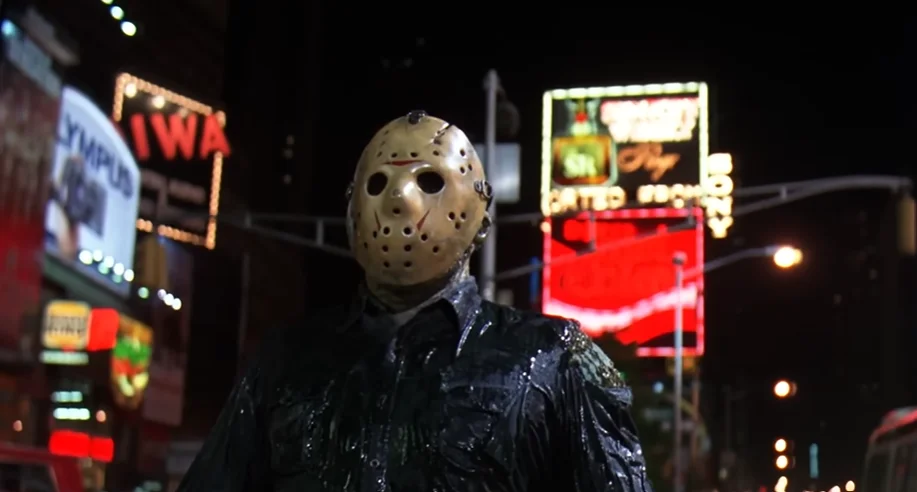
If you haven’t scrubbed the Friday the 13th series from your memory, you might recall that he always catches up to his victims, despite not moving particularly quickly.
The term comes from Dublin City University researcher Conor Boland, who looked at what actually happens when one car overtakes another.
For the sake of his argument, he had two cars in mind – one faster than the other.
As the faster car overtakes, it gains a time advantage.
But if that car should arrive at the traffic lights with the red light on, that time advantage is gone almost instantly.
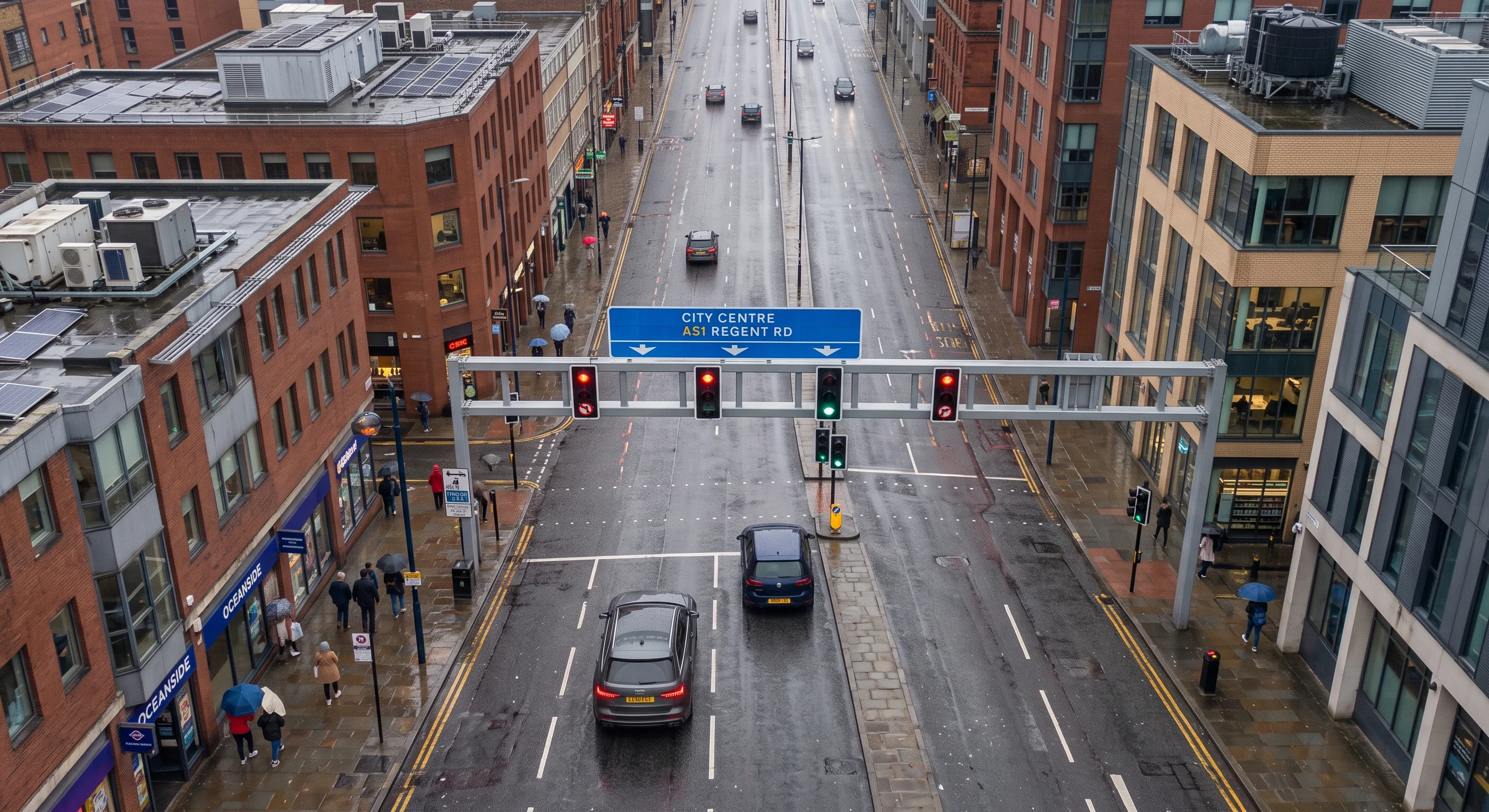
That gives ample time for the slower car to regain ground and pull up next to the faster car.
Boland’s model shows the outcome comes down to three things: how much time the overtake actually gained, how long the traffic light cycle runs, and how much of that cycle is spent on red.
When you factor other lights into the mix, the same pattern is harder to avoid.
If you’re on a busy city street, there’ll be a whole lot more traffic lights to contend with.
Even if you manage to get through the first set without being ‘caught up with’, that luck could run out on the next one.
So the next time a car you passed pulls up beside you at a red light, it’s not some strange coincidence – it’s Voorhees law.
Fortunately, being caught in this case doesn’t come with a horror movie style ending.
Ben joined Supercar Blondie in February 2025 after being published by international organizations including LADbible, The Sun, the New York Post, and the Daily Mail. He covers supercars, rare and collectible vehicles, aviation, luxury assets, and the fascinating people behind them. His reporting has explored everything from seven-figure supercars and historic Ferrari collections to unusual aircraft adventures and extraordinary automotive discoveries from around the world. Ben has also gained first-hand insight into vehicle craftsmanship and customization, including visiting specialist workshops to see bespoke vehicles up close.