Driving 1,000 miles in a diesel car now costs six times more than an electric vehicle
Published on Oct 06, 2026 at 9:47 AM (UTC-4)
by Ben Thompson
Last updated on Oct 07, 2026 at 11:15 AM (UTC-4)
Edited by
Mason Jones
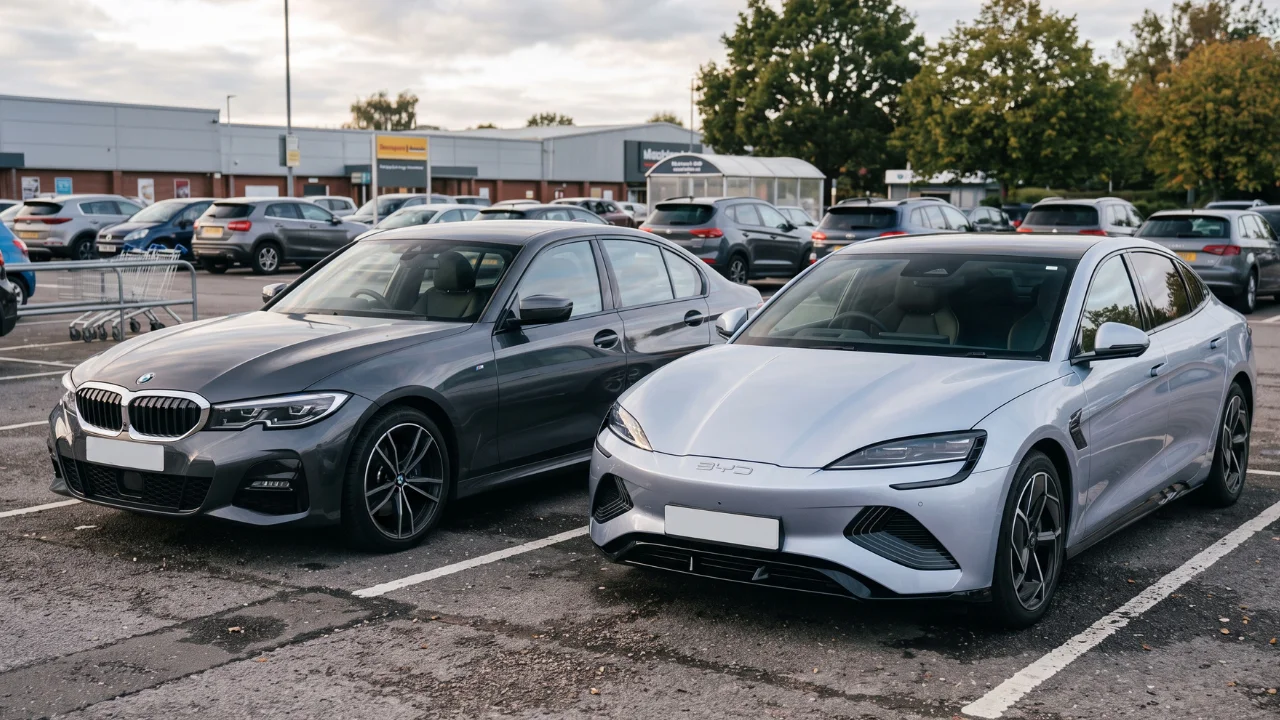

Driving a diesel car for 1,000 miles now costs six times more than an electric vehicle.
As more and more drivers feel the pinch of rising costs, budgeting can make all the difference on the bank balance.
So when these figures came to light in the UK, you can imagine what a big reaction it generated online.
But will it be enough to sway EV skeptics?
There’s seemingly no end to cost comparisons between EVs and other cars
As electric vehicles have become more mainstream, the comparisons between them and other types of vehicles have grown in number.
It makes sense – very few people would switch over to EVs without considering whether it’d cost them more money in the long run.
The general consensus has been that it’s cheaper to charge up an EV than it is to fill up a gas car.
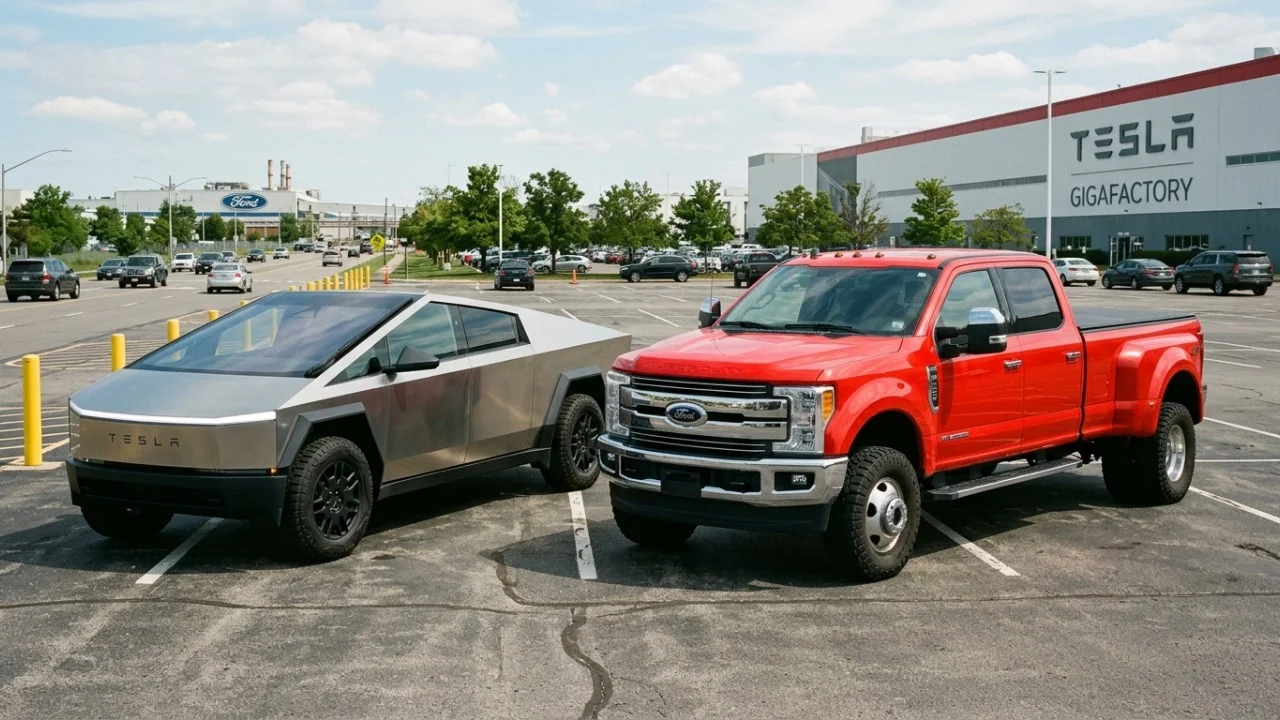
There’s been no shortage of anecdotes about the cost differences, whether that’s related to a Tesla Cybertruck or a Tesla Model S.
But how do diesel cars factor into the equation?
Carwow, a British online marketplace for cars, drew up some shocking figures.
Related


The 1,000-mile comparison between a diesel car and and an electric vehicle will shock you
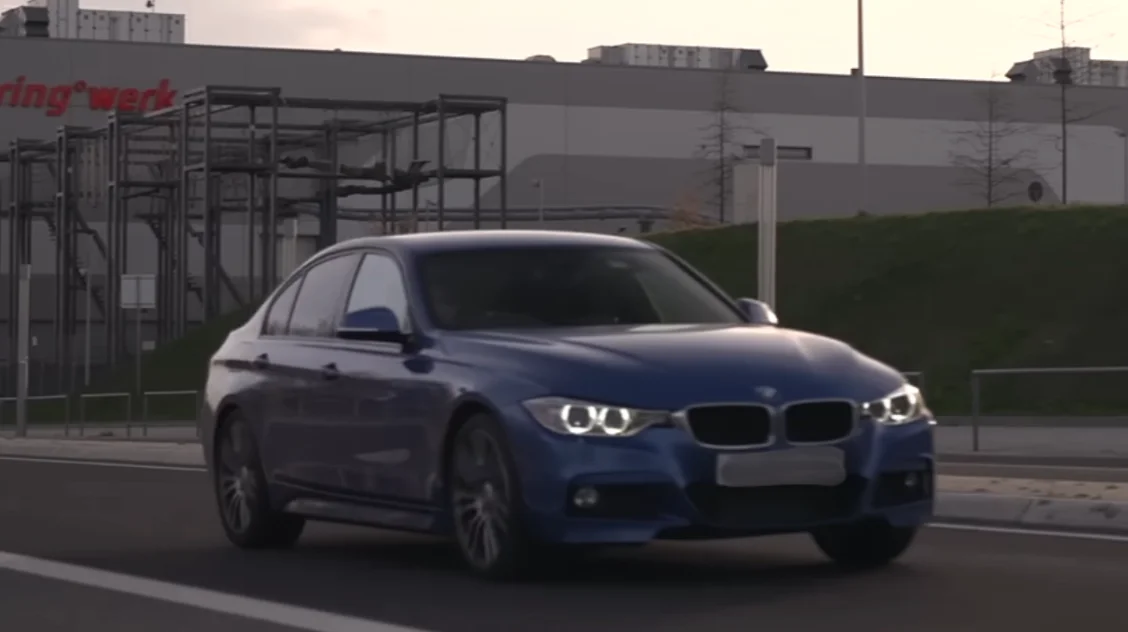
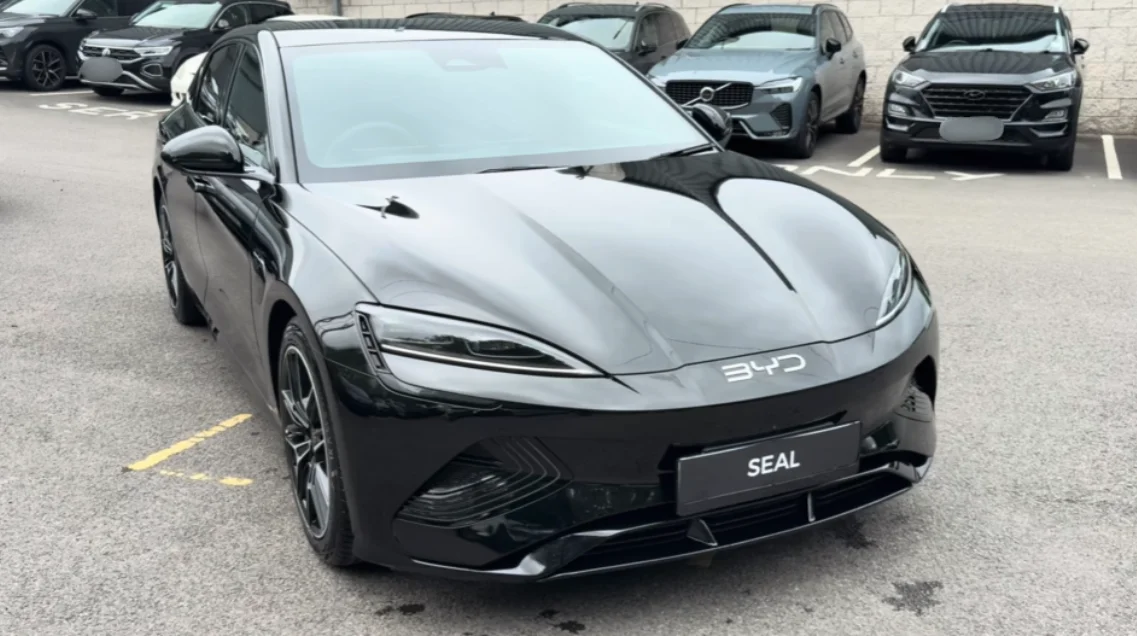
On the diesel side of the equation was the BMW 320d, while the EV side was represented by the BYD Seal.
Carwow estimated that diesel would cost £181 ($239) per 1,000 miles in the UK, which is significantly higher than the £29 ($38) spent to fuel up the Seal.
That makes a diesel car six times more expensive than an electric car.
That’s a shocking statistic by any measure.
And while off-peak home charging may have gone some way to keeping costs particularly low for the Seal, it doesn’t explain away the disparity.
In an article on their website, Carwow’s News Editor Jamie Edkins argued that even charging at public chargers was cheaper than filling up with diesel.
Comparing a diesel-powered Audi Q5 TDI and an electric Audi Q6 e-tron, he estimated there was a cost difference of around £400 over 10,000 miles.
“Charging an EV with no home charger isn’t the most convenient thing in the world […] but with a little bit of planning it’s certainly doable and it could also save you hundreds of pounds a year,” Edkins wrote.
What did the internet make of this comparison?
When Carwow shared its comparison on Instagram, it generated as much conversation as you’d expect.
“I’d still take a diesel over an EV,” one commenter wrote.
“One goes vroom vroom, one doesn’t and I’m definitely [not waiting] around until that RC car charges,” another fumed.
But there were others who seemed more EV-sympathetic.
“It’s a no-brainer,” one person said.
“Hell yeah, Electric for the win,” another user commented.
This isn’t the first time the internet has been divided, and it certainly won’t be the last.
Filling up a diesel car has gotten very expensive recently
One thing that we can all agree on is that diesel has gotten very expensive lately.
A trucker in Florida had that reality made clear to him when he filled up – and ended up spending $1,000 before his truck’s tank was even full.
The average price of diesel in the US stands at more than $6 per gallon, although there’s some variation depending on region.
Whether that will lead to an uptick in EV sales remains to be seen.
Ben joined Supercar Blondie in February 2025 after being published by international organizations including LADbible, The Sun, the New York Post, and the Daily Mail. He covers supercars, rare and collectible vehicles, aviation, luxury assets, and the fascinating people behind them. His reporting has explored everything from seven-figure supercars and historic Ferrari collections to unusual aircraft adventures and extraordinary automotive discoveries from around the world. Ben has also gained first-hand insight into vehicle craftsmanship and customization, including visiting specialist workshops to see bespoke vehicles up close.