Dodge insiders say a Hellcat Charger is coming because smaller V8's just won't cut it
Published on Jan 22, 2026 at 9:43 AM (UTC+4)
by Molly Davidson
Last updated on Jan 22, 2026 at 10:12 PM (UTC+4)
Edited by
Ben Thompson

The Dodge Hellcat Charger has been stuck in a bit of a tug-of-war.
Some people want it electric, others want it modern and efficient, while a lot of fans just want it loud again.
That’s made the manufacturer’s next move appear confusing from the outside.
But when you slow down and listen to what it’s actually saying, the direction starts to look pretty clear.
DISCOVER SBX CARS – The global premium auction platform powered by Supercar Blondie
How Dodge’s own thinking points straight to a Hellcat Charger
Hellcat Chargers aren’t new – Dodge has built them before.
Those cars were part of the previous generation of the Dodge Charger, which the manufacturer has now ended completely, along with the Dodge Challenger.
With both models retired and the Charger being redesigned from the ground up, there’s a lot of attention on what comes next, and whether the Hellcat returns in this new version of the car.
Dodge hasn’t officially confirmed which engines the next Charger will use yet.
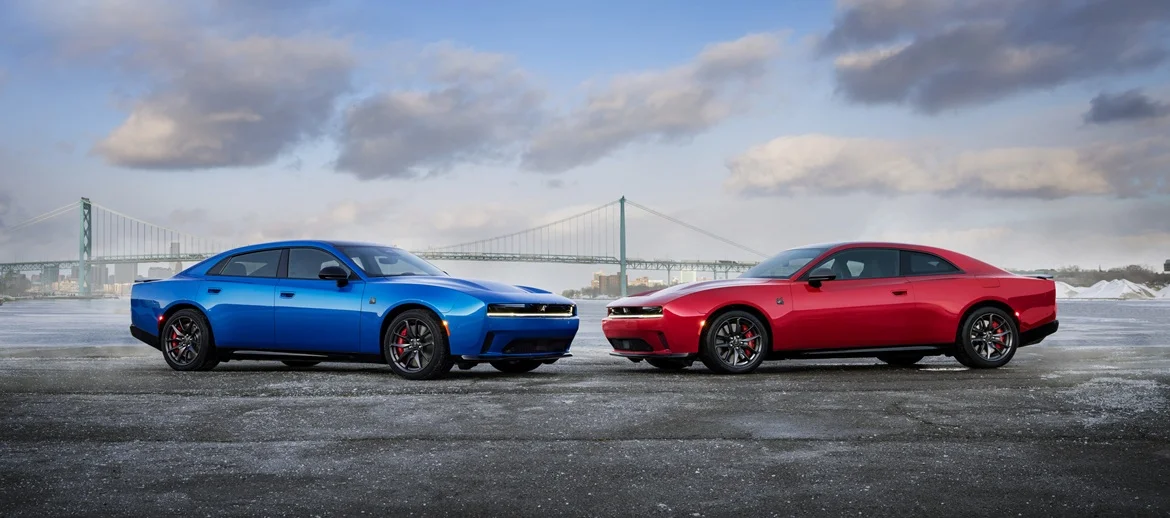
But while that decision is still open, senior figures inside the company have been talking publicly about what does and doesn’t make sense going forward.
One of the most important voices here is Tim Kuniskis, who runs the company’s performance division, SRT.
In simple terms, he’s said that smaller V8 engines don’t really work for the new Charger anymore.
Not because they’re bad engines, but because the car itself has changed.
The new Charger is heavier than the old one.
And heavier cars need more power to feel fast and exciting.
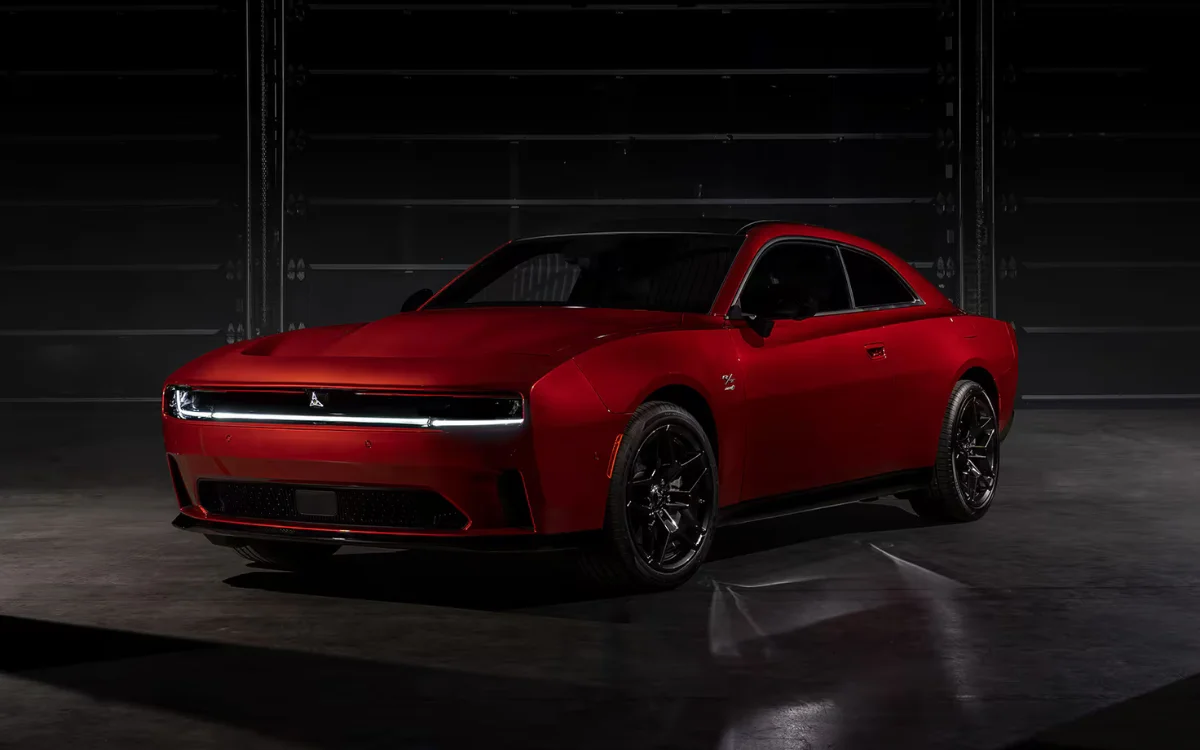
Without that extra power, the Charger might look aggressive, but it wouldn’t feel special to drive – something Dodge wants to avoid.
There’s also a practical side to this thinking.
Kuniskis has explained that offering too many engine and trim options quickly causes problems for dealers.
So Dodge’s options start shrinking.
If the Charger is going to offer a V8 at all, it can’t be a middle option that feels just okay.
It needs to be powerful enough to meet expectations, special enough to justify its price, and simple enough to keep the lineup clean.
Once smaller V8s are ruled out and complexity is avoided, there’s only one engine that fits all of that.
Click the star icon next to supercarblondie.com in Google Search to stay ahead of the curve on the latest and greatest supercars, hypercars, and ground-breaking technology
Why Dodge always goes big with Hellcat
Dodge has a history of making bold exits and big statements.
The Hellcat engine isn’t just an engine anymore – it’s a symbol.
When Dodge uses it, it usually means the company wants attention, and to build excitement.
The clearest example is the Dodge Challenger SRT Demon 170.
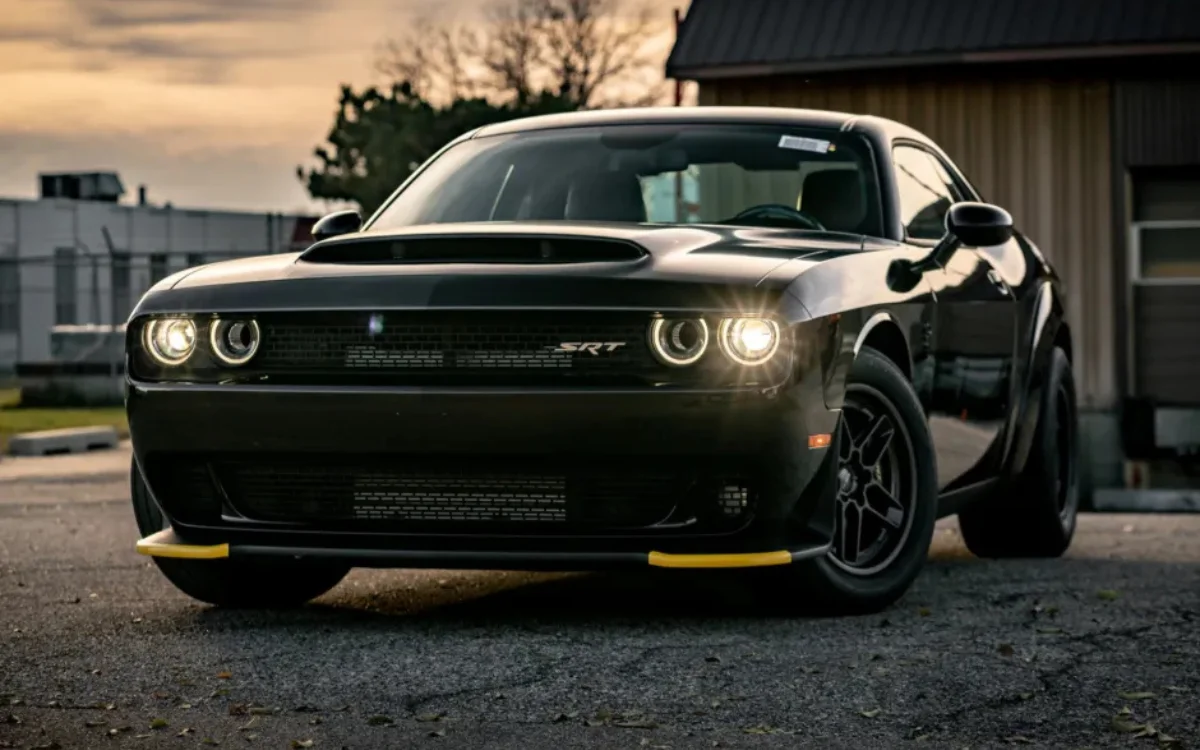
That car was built to be outrageous on purpose, with insane power numbers and acceleration that sounds more like a video game than a street car.
It wasn’t meant to be sensible, it was built to mark the end of an era.
Dodge tends to do that when it’s about to change direction.
Instead of easing out quietly, it releases one last over-the-top version before moving on.
Right now, the Charger is at a similar moment.
Dodge is redesigning it and rethinking what it stands for, but hasn’t officially confirmed its final engine lineup.
Even so, the company has already ruled out smaller V8s and warned against offering too many choices.
That removes most of the possible options.
And once those are gone, only one realistic V8 choice remains.
And if history tells us anything, the path Dodge leaves open is usually the one that makes the most noise.
DISCOVER SBX CARS: The global premium car auction platform powered by Supercar Blondie
With roles at TEXT Journal, Bowen Street Press, Onya Magazine, and Swine Magazine on her CV, Molly joined Supercar Blondie in June 2025 as a Junior Content Writer. Having experience across copyediting, proofreading, reference checking, and production, she brings accuracy, clarity, and audience focus to her stories spanning automotive, tech, and lifestyle news.