Driving instructor warns why you shouldn't turn your engine on while de-icing your car as it can cause you harm
Published on Jan 06, 2026 at 12:04 PM (UTC+4)
by Jason Fan
Last updated on Jan 06, 2026 at 10:01 PM (UTC+4)
Edited by
Emma Matthews

If you’re de-icing your car this winter, these essential driving tips can help keep you safe, though some common habits might actually do more harm than good.
For one, turning on your engine seems logical, efficient, and frankly much warmer than scraping ice in silence.
But according to popular YouTube channel Conquer Driving, that familiar routine comes with a hidden health risk many drivers never consider.
The danger has less to do with ice and more to do with what’s coming out of your exhaust.
SBX CARS – View live supercar auctions powered by Supercar Blondie
De-icing your car with the engine on can potentially cause cancer
The issue centers on your car’s catalytic converter.
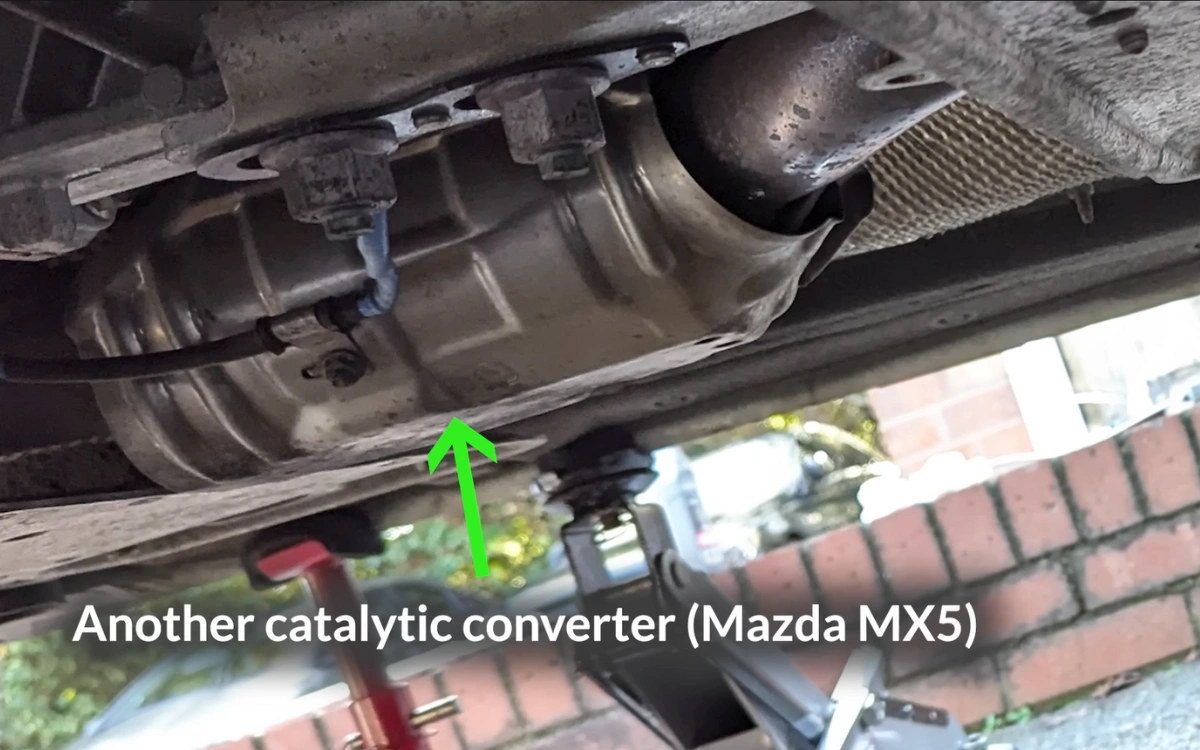
This crucial component drastically reduces harmful exhaust gases by converting nitrogen oxides, hydrocarbons, and carbon monoxide into less dangerous substances.
There’s a catch, though.
The catalytic converter only works properly once it’s hot, usually above about 250 degrees Celsius.
When you start your engine and immediately drive off, it heats up quickly, often within 30 seconds.
But, if you start the car and let it idle while you de-ice, it can take several minutes to reach that temperature.
During that warm-up period, your car is pumping out far higher levels of harmful gases.
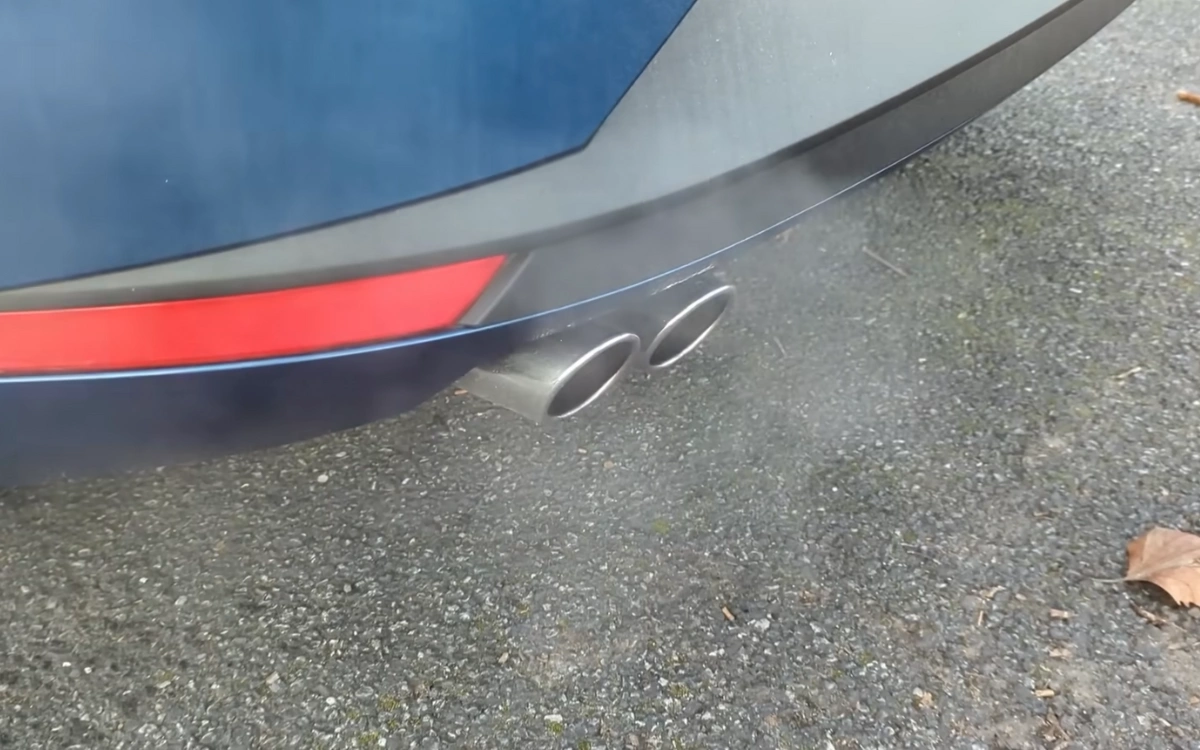
Nitrogen oxides can inflame airways and worsen heart and lung conditions.
Hydrocarbons, which are responsible for that familiar petrol smell, include compounds classified by the World Health Organization as carcinogenic.
Carbon monoxide is even more dangerous, capable of causing headaches, nausea, neurological problems, and, in high doses, death.
Breathing in any of these is bad news, especially when you’re standing right next to the exhaust or when fumes are drifting toward the front of the car.
Of course, if you’re driving an EV, then this won’t be a problem for you.
Cars don’t operate optimally in the cold
Winter conditions make matters worse, as they often do for many vehicles.
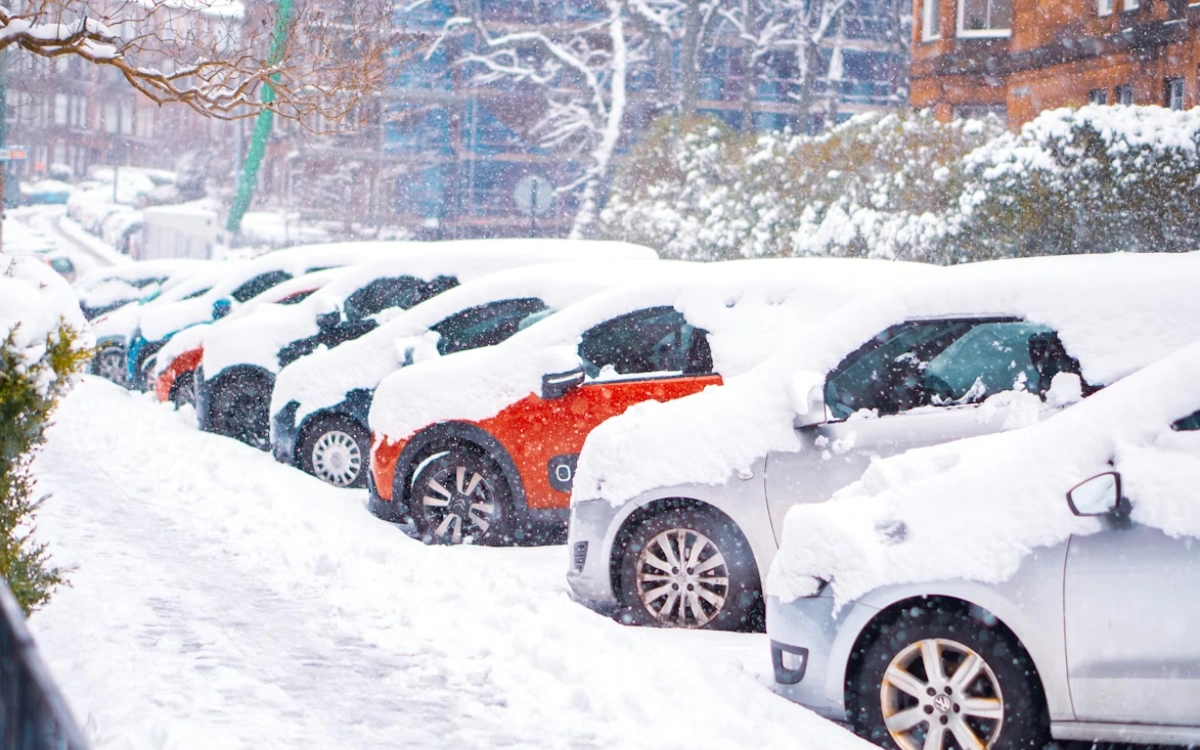
Engines require a richer fuel mixture when cold, meaning more unburned fuel exits through the exhaust.
That increases hydrocarbon emissions precisely when the catalytic converter is least effective.
Modern cars often have particulate filters as well, which help trap tiny particles that carry harmful substances into your body.
However, these filters also need heat to clean themselves, and frequent short trips or long idling sessions can cause them, especially in diesel cars, to clog over time.
Richard Fanders from Conquer Driving has a few practical driving tips for winter conditions.
Don’t leave the engine running while you’re outside de-icing your car.
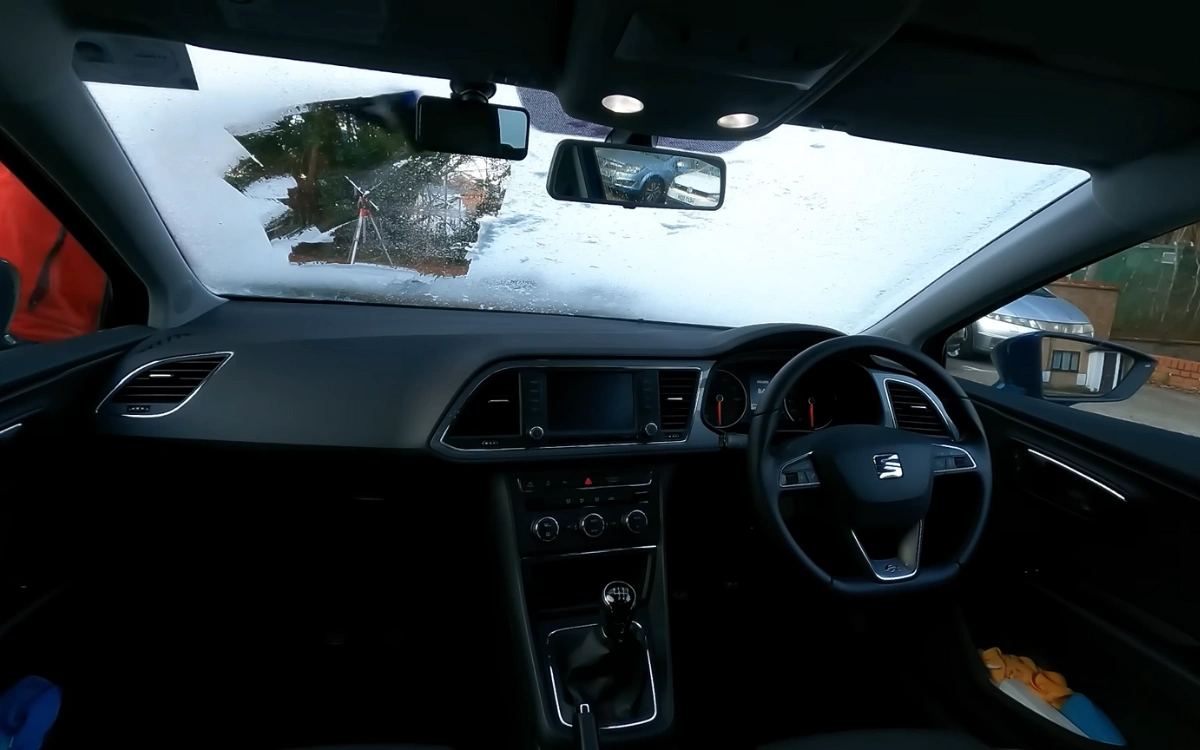
Don’t sit passengers inside the car breathing in fumes while the windows steam up.
If you have children, you need to be extra careful, because they breathe more air relative to their body size
Form the habit to de-ice your car first, then get in, start the engine, and drive off smoothly.
It’s safer for your lungs, better for your car, and a smarter way to handle winter mornings.
It might be a bit of a pain, but you should accept that driving safely during winter means you have to be more prepared.
If you want to learn more, check out the full video below:

DISCOVER SBX CARS: The global premium car auction platform powered by Supercar Blondie