This is what the 'E' stands for on a stick shift with most people having no idea what it means
Published on Sep 04, 2026 at 6:08 PM (UTC-4)
by Alessandro Renesis
Last updated on Sep 04, 2026 at 6:08 PM (UTC-4)
Edited by
Mason Jones

It feels like several million years ago, when dinosaurs roamed the Earth, when we only had a manual transmission and a stick shift in cars.
Today, the manual is dying.
But back then, the manual transmission was alive and kicking, and it featured an extra letter that looks out of place today.
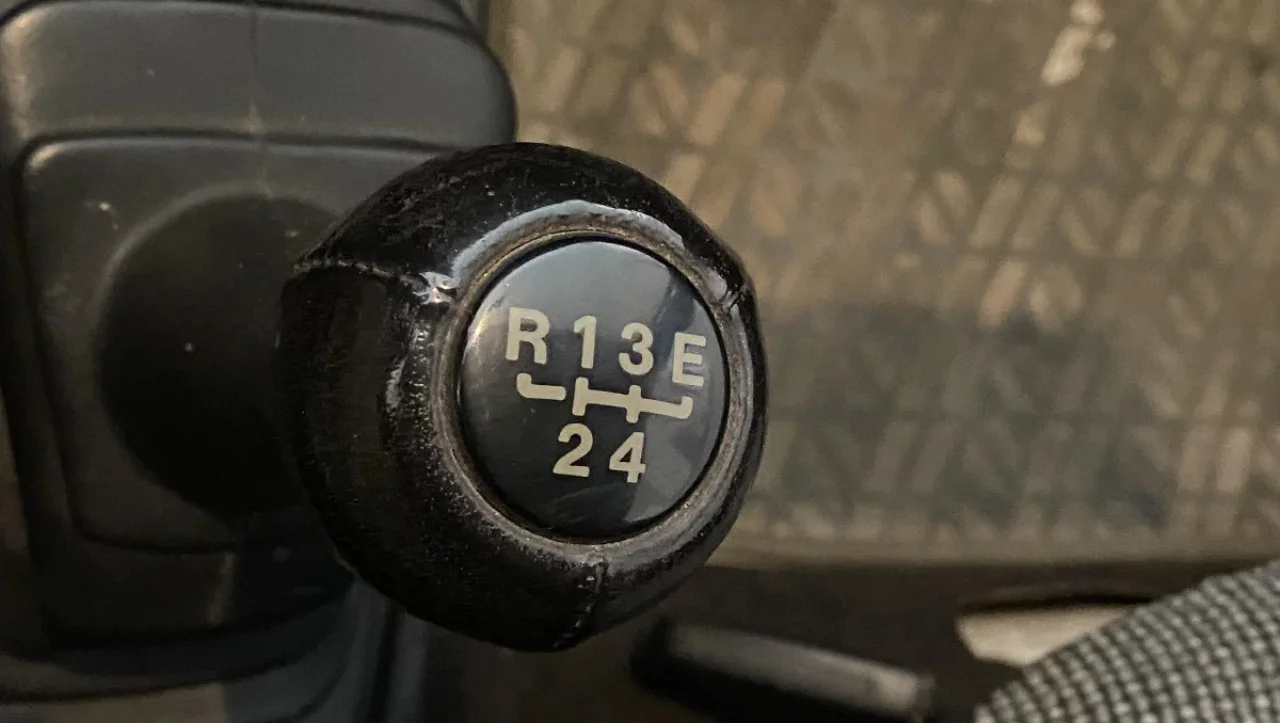
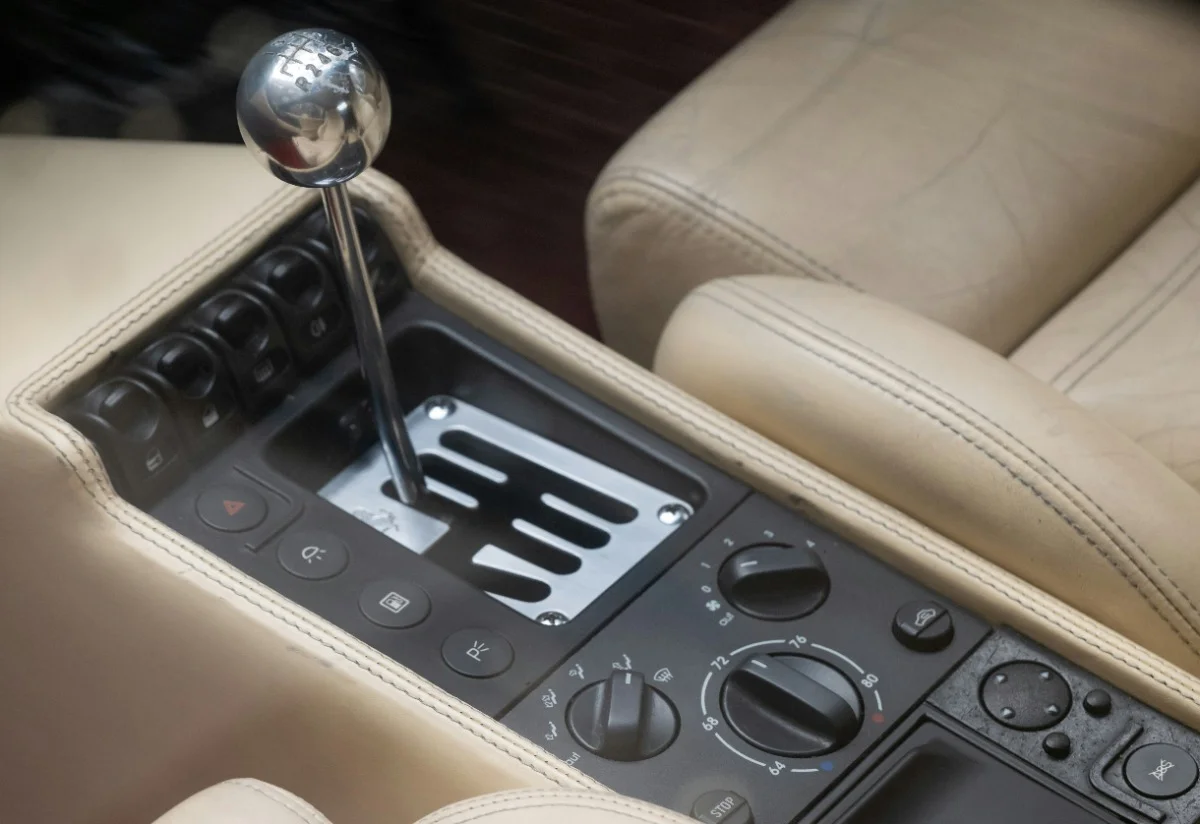
In those days, the gear stick featured the letter ‘E’.
The manual gearbox is dying
The manual transmission is dying off, even in countries and regions where it was historically strong.
It depends on individual perspective, but, generally speaking, it’d be fair to say that simulated transmissions don’t count.
Some people are even saying that the ‘manual’ in the new Ferrari 12Cilindri Manuale shouldn’t count because everything that happens when you shift gear – including the distinctive ‘clunk’ sound and stalling – is entirely digitally simulated.
In the US, the manual transmission is running on fumes.
In the 1980s, at its peak, around 35 percent of new cars came with a manual transmission.
Today, it’s less than 0.1 percent.
At the time of writing, only 24 new models – in total, of any brand and of any kind – are available with a manual.
But, we can certainly state that none of them feature the letter ‘E’ on the gear knob.
Related
What does the E stand for on a stick shift?
Not long ago, we asked if people knew what the ‘E’ on a stick shift stood for on Facebook post on the Supercar Blondie page and the answers were interesting.
One user suggested it stood for ‘E’ for ‘electric’ on a hybrid car.
Another jokingly said it was an ‘E’ for an ‘ejection seat’, in true James Bond Aston Martin DB5 style.
But the answer is actually a bit stranger.
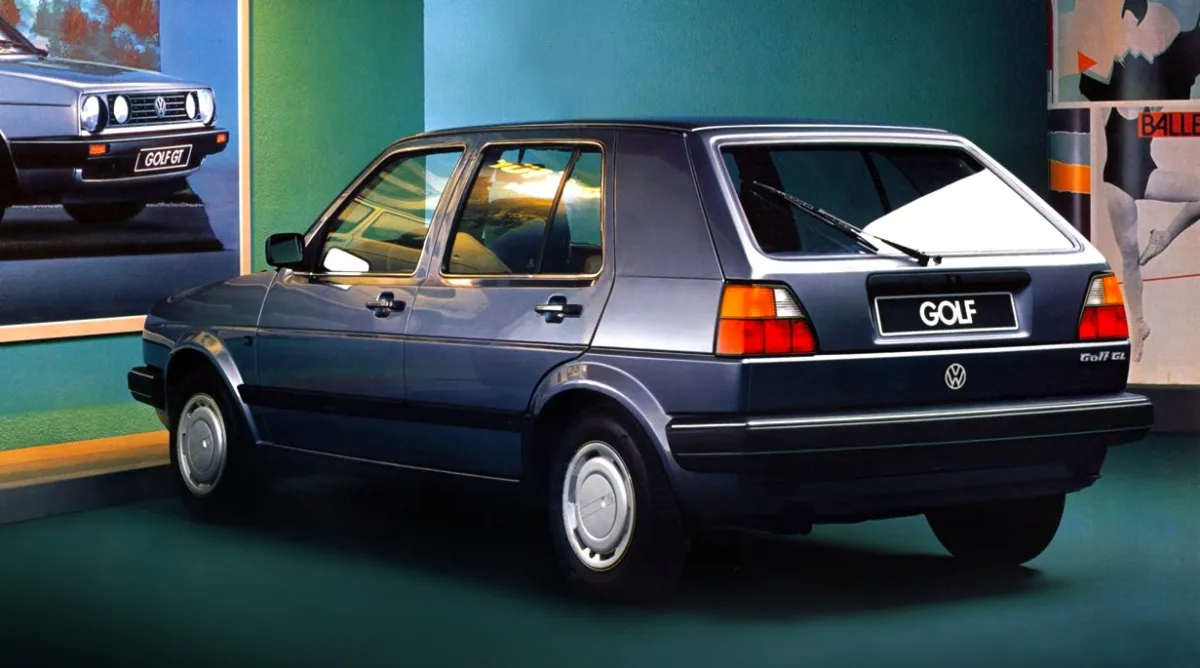
The letter ‘E’ itself stands for ‘economy’, and it’s not something you see on modern cars.
In fact, it was only briefly available in select European cars, mostly German, in the 1980s.
This is what happens when you select ‘E’ on a stick shift
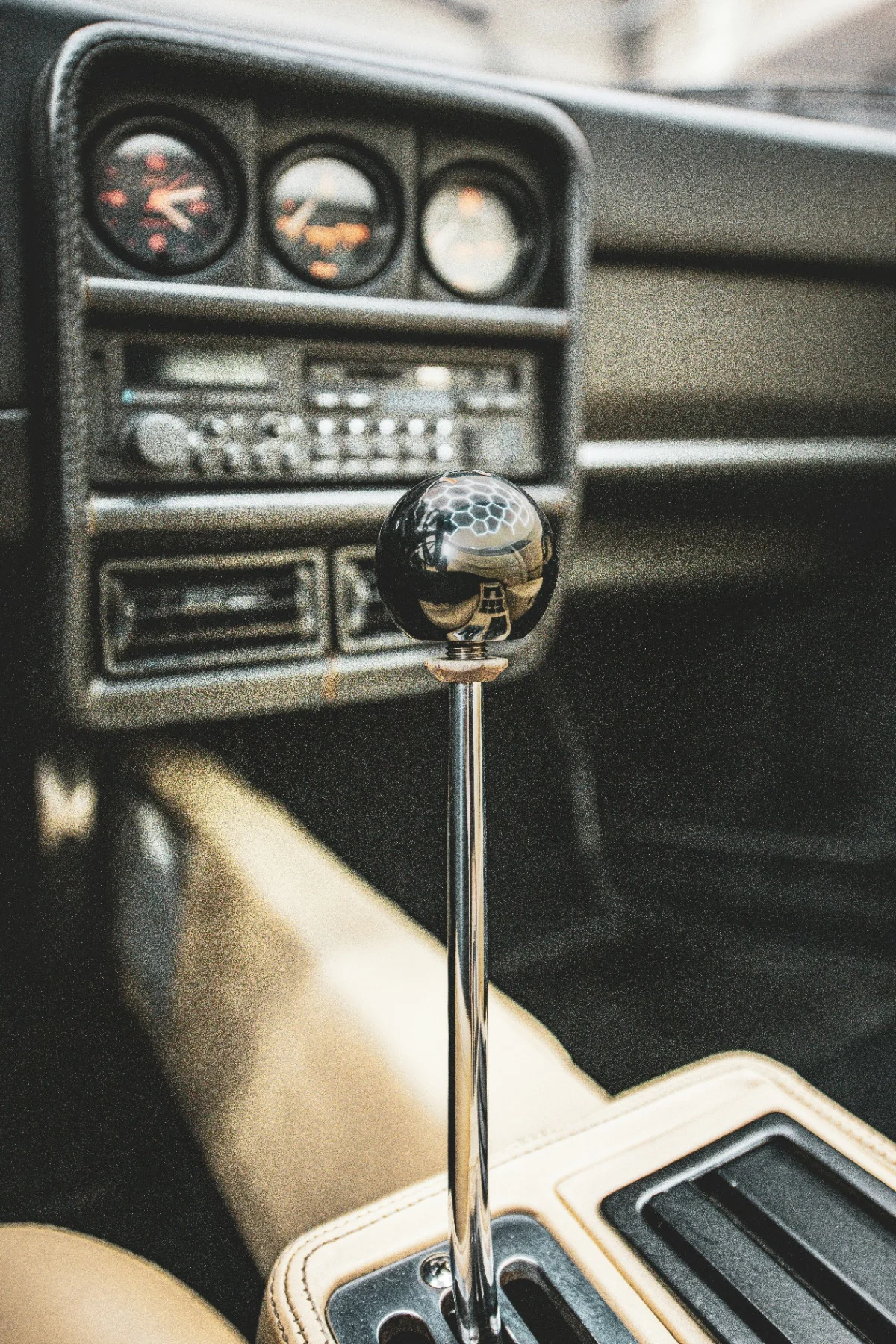
The economy gear aims to prioritize fuel efficiency, mainly by including a longer top gear – generally the fifth.
In ‘E’ mode, upshifts occur at a lower engine RPM, keeping revs low and fuel economy down.
This is particularly useful in top gear and at highway speeds.
Nowadays, the ‘E’ is no longer part of the gear stick, mainly because the same exact task is performed by car’s brain with different driving modes.
Timeline of the manual transmission
1894 – First modern manual: Panhard and Levassor invent the three-speed sliding-gear transmission, establishing the foundation for modern gearboxes.
1928 – Synchromesh innovation: Cadillac introduces synchromesh, matching gear speeds before engagement to eliminate grinding and ‘double-clutching’.
1950s-1960s – Global standard: Manuals dominate the auto industry, primarily functioning as 3-speed column shifters or 4-speed floor shifters.
1970s – Rise of the 5-speed: To combat global oil crises, automakers introduced 5-speeds with a fuel-saving ‘overdrive’ fifth gear.
1990s – The 6-speed era: Six-speed gearboxes debut in high-performance sports cars, eventually becoming the standard for modern manuals.
2012 – Pushing to seven: Porsche introduces the world’s first 7-speed manual in the 911 Carrera to maximize highway fuel efficiency.
Present Day – Enthusiast niche: Though largely replaced by automatics and EVs, the manual lives on as a highly desired feature for driving purists.
Alessandro is an automotive journalist with 10 years of experience covering supercars, automotive history, emerging vehicle technology, and luxury transportation. He wrote the first article published on SupercarBlondie.com when the website launched in 2022 and has since built a reputation for insightful reporting across the automotive and transportation industries. His expertise is grounded in hands-on experience. Alessandro has driven every Tesla model ever produced, from the original Roadster to the Cybertruck, and regularly covers the latest developments in electric vehicles and automotive innovation. His passion for transportation extends beyond cars, he has even flown a Boeing 787 Dreamliner simulator in Addis Ababa, Ethiopia. His reporting spans everything from classic American muscle cars and rare automotive discoveries to luxury yachts, private aircraft, high-end watches, and cutting-edge vehicle technology. Known for his deep knowledge of automotive history and ability to uncover the stories behind iconic vehicles, Alessandro brings readers a blend of historical context, technical expertise, and first-hand experience.