Engineer testing a fighter jet accidentally took off with no helmet, radio, or ejector
Published on Jan 18, 2026 at 6:26 PM (UTC+4)
by Claire Reid
Last updated on Jan 30, 2026 at 6:02 PM (UTC+4)
Edited by
Kate Bain
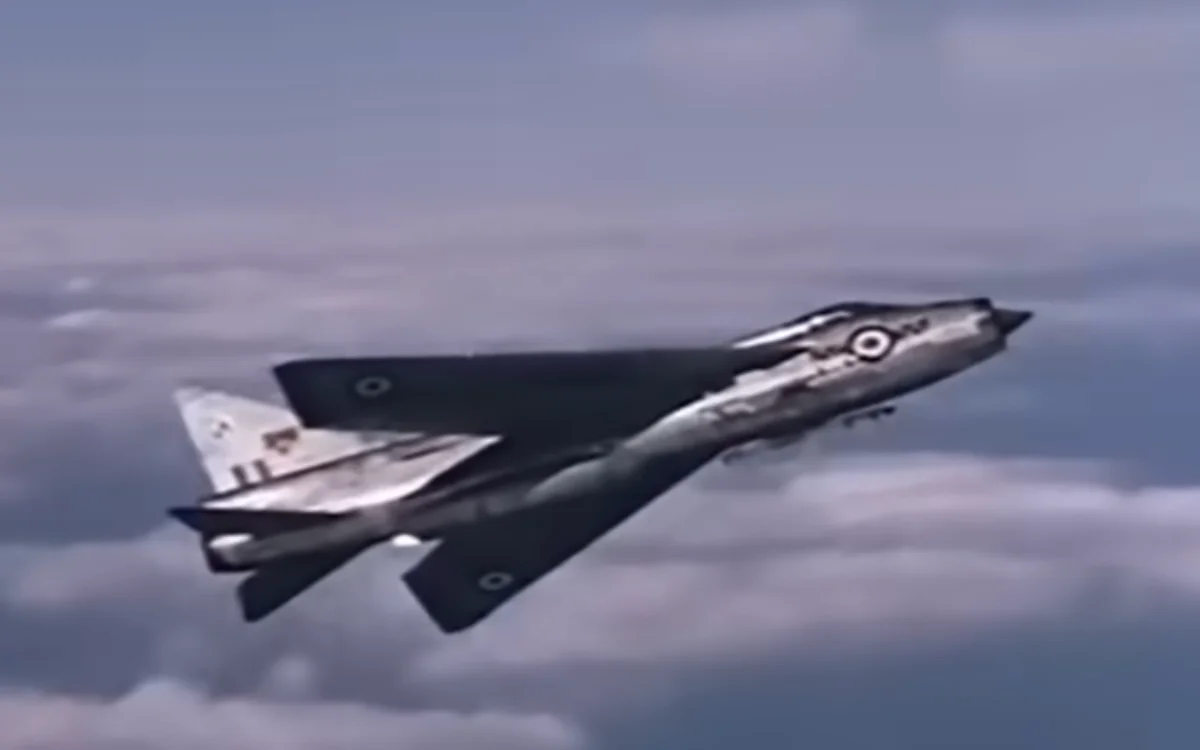

A Royal Air Force engineer once accidentally took off in an English Electric Lightning fighter jet, which could hit speeds of above Mach 2.0, without a helmet, radio, or ejector seat.
Just in case you think you’ve had a bad day at work, spare a thought for RAF engineer Walter Holden, known as Taffy.
Back in 1966, Taffy was 39 years old and tasked with looking after aircraft at an RAF maintenance facility in Lyneham, UK.
However, on a normal day in July that year, Taffy found himself in an extreme situation after he accidentally took off in a fighter jet despite never flying one before.
DISCOVER SBX CARS – The global premium auction platform powered by Supercar Blondie
The RAF engineer accidentally took off in an English Electric Lightning fighter jet
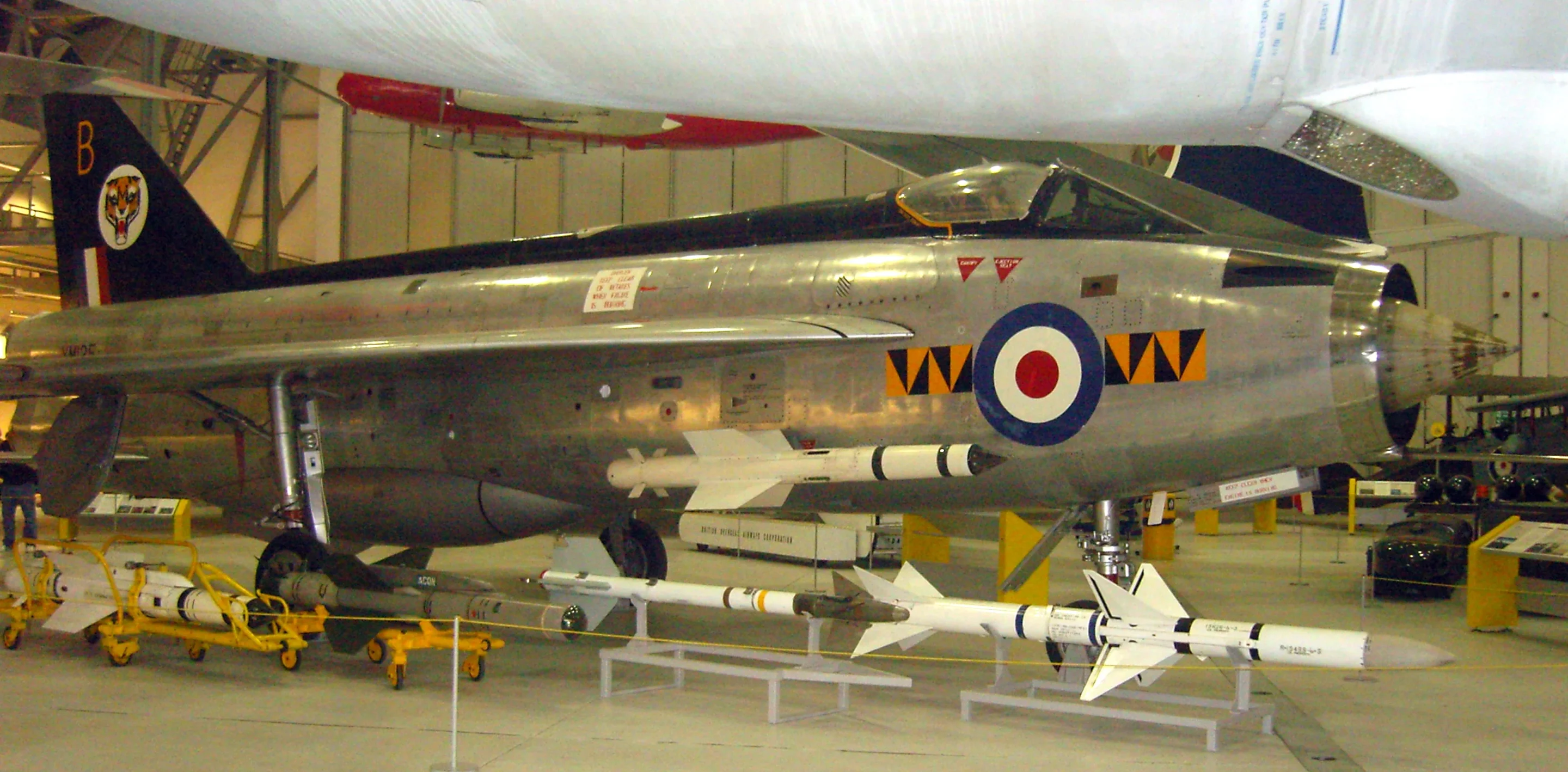
Taffy was at work at RAF Lyneham on 22 July 1966 when he was asked to take a look at the English Electric Lightning XM135.
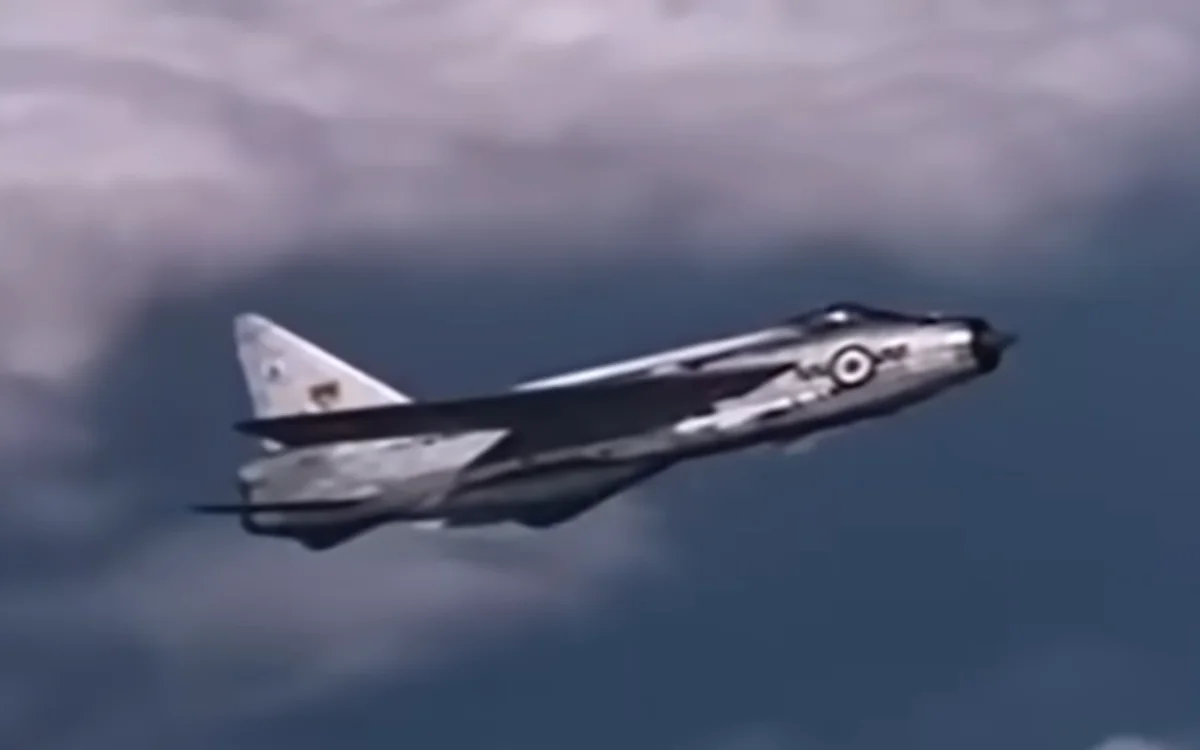
The fighter jet, which could hit speeds above Mach 2, making it faster than Concorde, had a recurring issue with power cutting to the cockpit instruments during take-off.
In an attempt to solve the problem, Taffy and his team decided to carry out some ground tests.
The ground tests required a pilot behind the wheel, and Taffy technically was, as he’d done training in the WWII-era, although he had never flown a jet before.
But, as the ground tests were never supposed to end with an actual take-off, Taffy hopped into the cockpit of the jet fighter.
During the test, Taffy was told to put the engine into take-off mode, release the brakes, make a run of around 165 feet, and then press the brakes again and turn off the engine.
Sounds straightforward enough, right? What could possibly go wrong?
Well, Taffy was about to find out.
After a couple of successful runs, Taffy was told to take a slightly longer run, but this time he accidentally engaged the afterburner of the jet, which sent the jet hurtling along at speed.
As the plane picked up speed, Taffy dodged a couple of close calls, firstly narrowly missing a fuel bowser and then an RAF transport aircraft.
And he wasn’t out of the danger zone yet, because Taffy was fast approaching the end of the runway, where there was a village ahead.
Knowing that he couldn’t stop the plane, and with the village just ahead, Taffy made the split-second decision to take off.
And then he had to land the plane with no assistance
Once airborne, Taffy had time to think and was able to disengage the reheat.
However, making an already fraught situation even scarier, as the plane wasn’t ever supposed to take-off poor Taffy didn’t have a helmet, canopy, or radio, and the ejector seat had been disabled.
This meant that help wasn’t on its way, and if Taffy was to survive, he’d need to take matters into his own hands by landing the plane himself.
He made two attempts to land the plane but failed due to speed and altitude.
Thankfully, it was third time lucky for Taffy, and he was finally able to touch ground.
In total, Taffy spent around 12 minutes in the air, but we reckon it probably felt like a whole lot longer.
In the aftermath of the incident, Taffy, who sadly passed away in 2016, became a bit of an unlikely celebrity, while the plane ended up in the Imperial War Museum Duxford, where it’s still on display.
DISCOVER SBX CARS: The global premium car auction platform powered by Supercar Blondie
With a background in both local and national press in the UK, Claire has covered a range of topics, including technology, gaming, and cryptocurrency, since joining the editorial team at Supercar Blondie in May 2024. Her ability to be first to a story has been integral to making SB’s coverage of scientific discovery, AI, and global tech news a slick 24/7 operation.