EV batteries could last longer than expected because they've not been tested right
- A new study says EV batteries could last longer than previously thought
- Researchers say the way batteries were tested is ‘wrong’
- This means batteries could last up to 38% longer
Published on Dec 24, 2024 at 12:57 PM (UTC+4)
by Claire Reid
Last updated on Dec 24, 2024 at 1:14 PM (UTC+4)
Edited by
Tom Wood
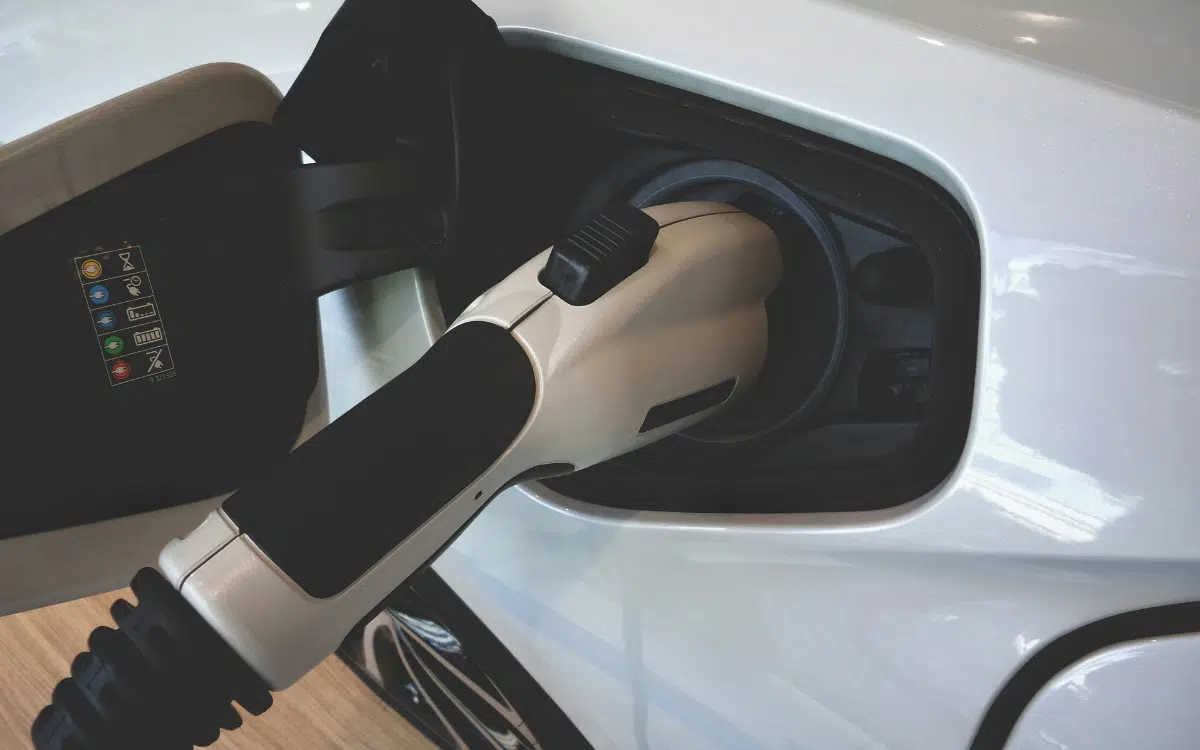

EV batteries could perform much better and last longer than motorists expected because they haven’t been tested correctly, a new study claims.
The study from the SLAC-Stanford Battery Center claims that tests for EV battery degradation could be completely wrong.
It all comes down to how they were tested.
This means that EV owners may not have to replace their car’s battery as frequently as they thought.
DISCOVER SBX CARS: The global premium car auction platform powered by Supercar Blondie
It turns out we’ve been testing EV batteries all wrong
While EV owners are quick to sing the praises of their new vehicles, some are shocked by how much they’re saving, and others question why you’d ever buy a gas-powered car again.
However, one issue that could potentially put motorists off ditching their gas cars in favor of EVs is battery degradation and the price of replacing a battery.

But, according to Simona Onori an associate professor of energy science and engineering at the Stanford Doerr School of Sustainability – and lead author on the newly published ‘dynamic cycling enhances battery lifetime’ study – everything we think we know about the life span of EV batteries could be wrong.
“We’ve not been testing EV batteries the right way,” Onori said.
Awkward.
Batteries could provide a lot more milage than previously thought
In the lab, an EV battery’s life cycle is determined based on a constant rate of discharge followed by recharging – this continues until the battery eventually dies.
But this isn’t quite how EV batteries are used in real life – and it turns out that the way they’re actually used is beneficial to the overall battery life.
“Real driving with frequent acceleration, braking that charges the batteries a bit, stopping to pop into a store, and letting the batteries rest for hours at a time, helps batteries last longer than we had thought based on industry-standard lab tests,” Onori said in a statement.
The researchers say this means many of the lab studies, such as those conducted by the Environmental Protection Agency, may not be as reliable as previously thought.
The study showed that the life of an EV battery that was used under these real-life conditions – including stop-and-go traffic, driving on the highway, and time spent parked – meant that they could last up to 38% longer than previously thought.
Good to know, right?
With a background in both local and national press in the UK, Claire has covered a range of topics, including technology, gaming, and cryptocurrency, since joining the editorial team at Supercar Blondie in May 2024. Her ability to be first to a story has been integral to making SB’s coverage of scientific discovery, AI, and global tech news a slick 24/7 operation.