EV sales have fallen for the first time in a decade as 2025 data is revealed
Published on Feb 17, 2026 at 2:06 PM (UTC+4)
by Alessandro Renesis
Last updated on Feb 16, 2026 at 8:07 PM (UTC+4)
Edited by
Emma Matthews

For the first time in 10 years, the seemingly unstoppable climb of EV sales in the US hit a roadblock.
New data shows that registrations fell in 2025 for the first time in 10 years.
There are a couple of reasons for this.
Including a reason no one saw coming.
DISCOVER SBX CARS: The global premium car auction platform powered by Supercar Blondie
The ‘EV tax credit’ cliff
According to data from S&P Global, EV sales in the US are down for the first time since 2016.
There are a few reasons for this. For starters, EV tax incentives are gone in the US.
Last year, the US Administration announced its intention to end all federal EV incentives, including the $7,500 tax credit.
This had a strange effect.
At first, consumers rushed to buy EVs in the third quarter to secure the incentive, but this automatically led to a catastrophic plunge – by 48 percent – in December.
That’s the first problem, the one that most people saw coming.
But there’s more.
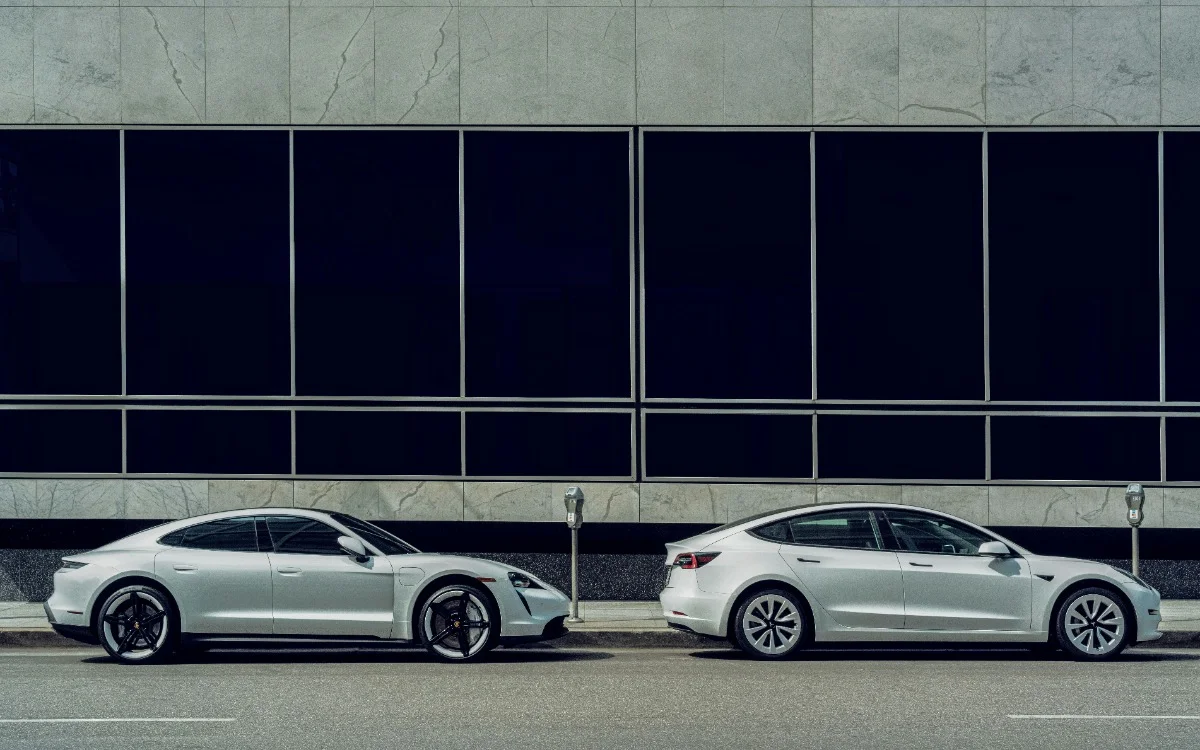
Despite discounts, incentives, and tax breaks, EVs still remain more expensive than gas-powered counterparts.
Range anxiety is still a problem.
We’re getting more range, more charging points, and shorter charging times.
But, compared to filling up the tank of a gas car, charging an electric car is still a much slower – and potentially more difficult – experience.
And then there’s the problem no one predicted.
Click the star icon next to supercarblondie.com in Google Search to stay ahead of the curve on the latest and greatest supercars, hypercars, and ground-breaking technology
Electric cars depreciate a little too quickly
Broadly speaking, buyers don’t expect to make money ‘flipping’ their cars, but they do expect their vehicles to retain some value.
This is a problem with electric vehicles because, pound for pound, they depreciate faster than equivalent gas cars.
This is especially problematic for high-end electric cars such as the Porsche Taycan.
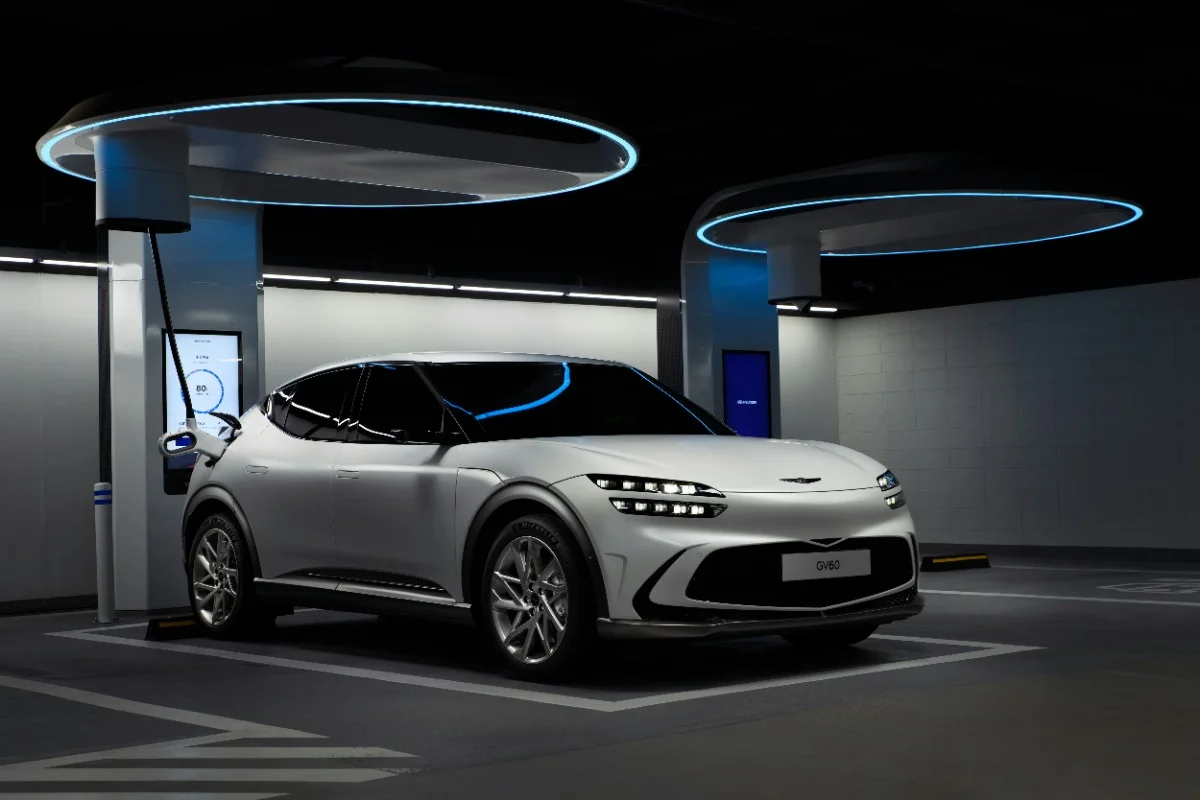
We now have a reasonably extensive track record to confirm that EVs lose their value quite quickly.
Mainly because of the way they’re built.
Nothing ages faster than software, and EVs are software-driven vehicles.
Would the average person use a smartphone from 10 or 15 years ago?
Probably not.
And after all, a modern electric car has a lot more in common with a phone than with a car from 40 years ago.
After beginning his automotive writing career at DriveTribe, Alessandro has been with Supercar Blondie since the launch of the website in 2022. In fact, he penned the very first article published on supercarblondie.com. He’s covered subjects from cars to aircraft, watches, and luxury yachts - and even crypto. He can largely be found heading up the site’s new-supercar and SBX coverage and being the first to bring our readers the news that they’re hungry for.