Everything we know about Mat Armstrong’s infamous Bugatti Chiron Pur Sport rebuild
Published on Apr 22, 2026 at 9:11 AM (UTC-4)
by Henry Kelsall
Last updated on Apr 22, 2026 at 11:57 AM (UTC-4)
Edited by
Emma Matthews
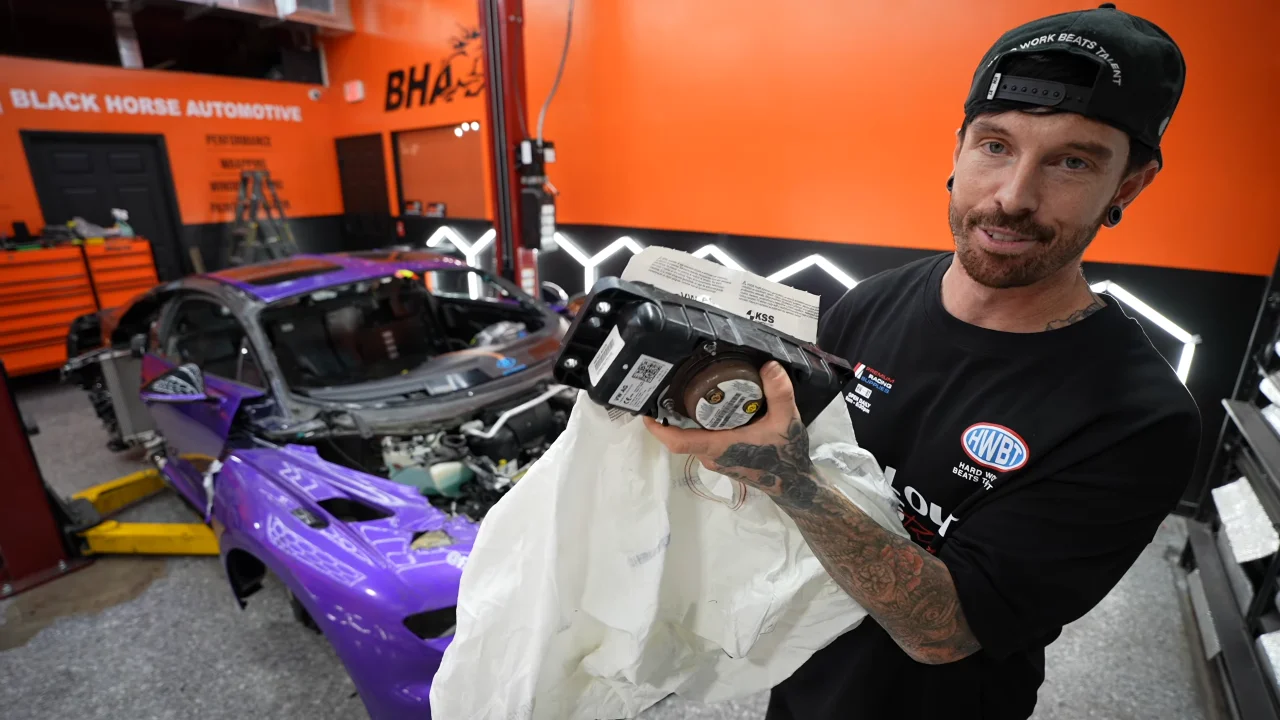

Anyone following Mat Armstrong after he took on a wrecked Bugatti Chiron Pur Sport Hypercar probably didn’t expect it to turn into the saga that it has become.
But this has become more than just another rebuild project.
It’s turned into one of the biggest automotive controversies in recent memory, and even received a direct response from Bugatti and Rimac boss Mate Rimac himself.
Here’s how this incredible saga has unfolded over the last few months.
How the Bugatti Chiron Pur Sport rebuild began
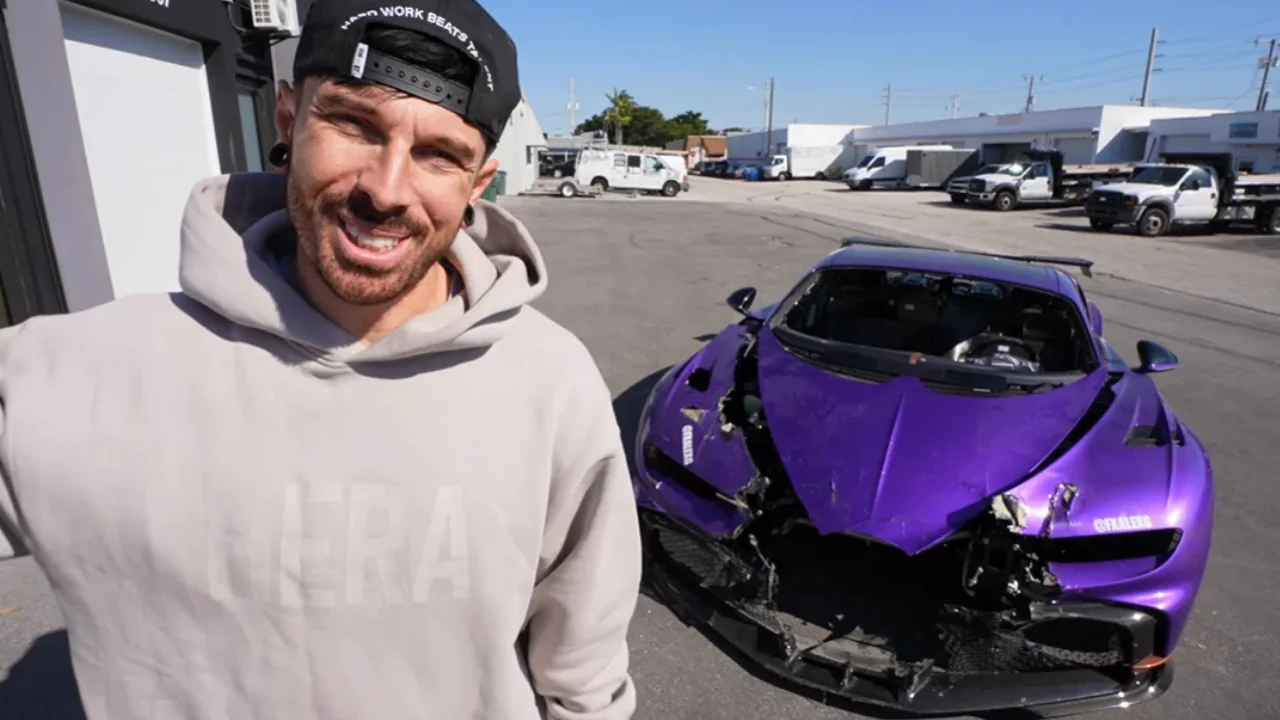
Mat Armstrong first heard about the crashed $6 million Bugatti Chiron Pur Sport in October 2025.
Owned by Alex Gonzalez (fxalexgyt) from Miami, the hypercar had suffered a massive accident, with insurance quotes ballooning to $1.7 million.
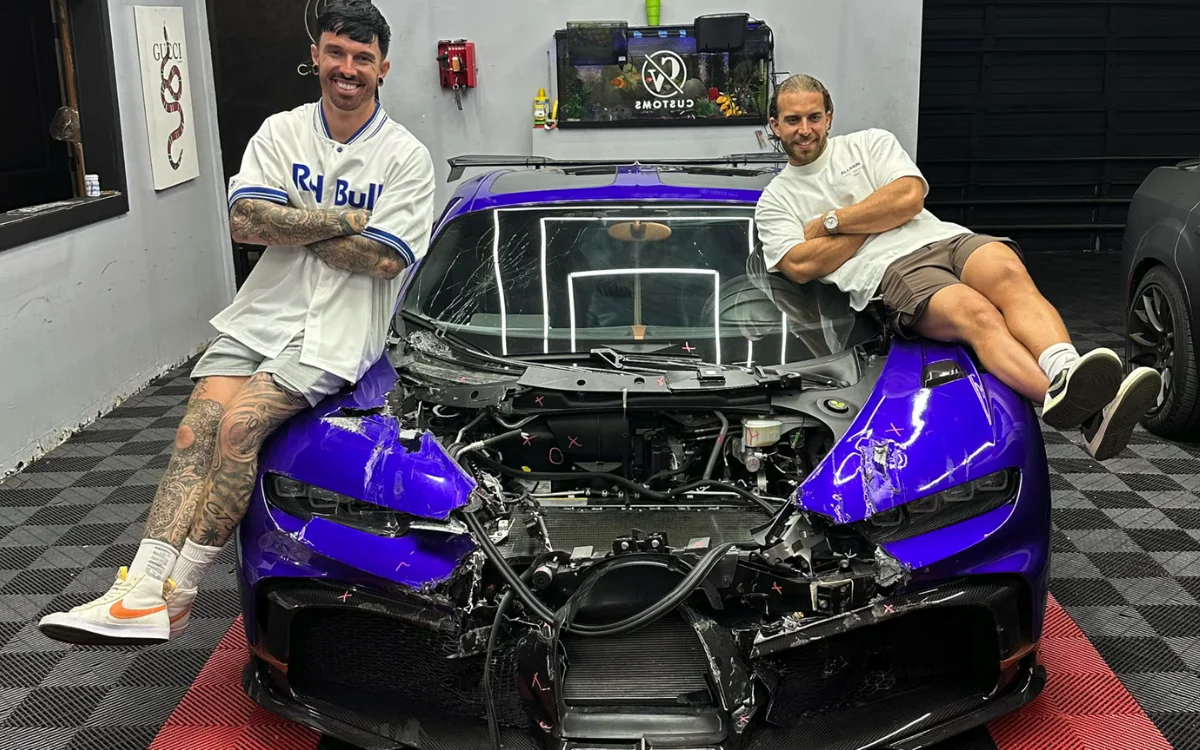
The front end was crumpled, the airbags had deployed, and a huge array of parts needed replacing.
These included the headlights, hood, wings, and the iconic Bugatti horseshoe grille.
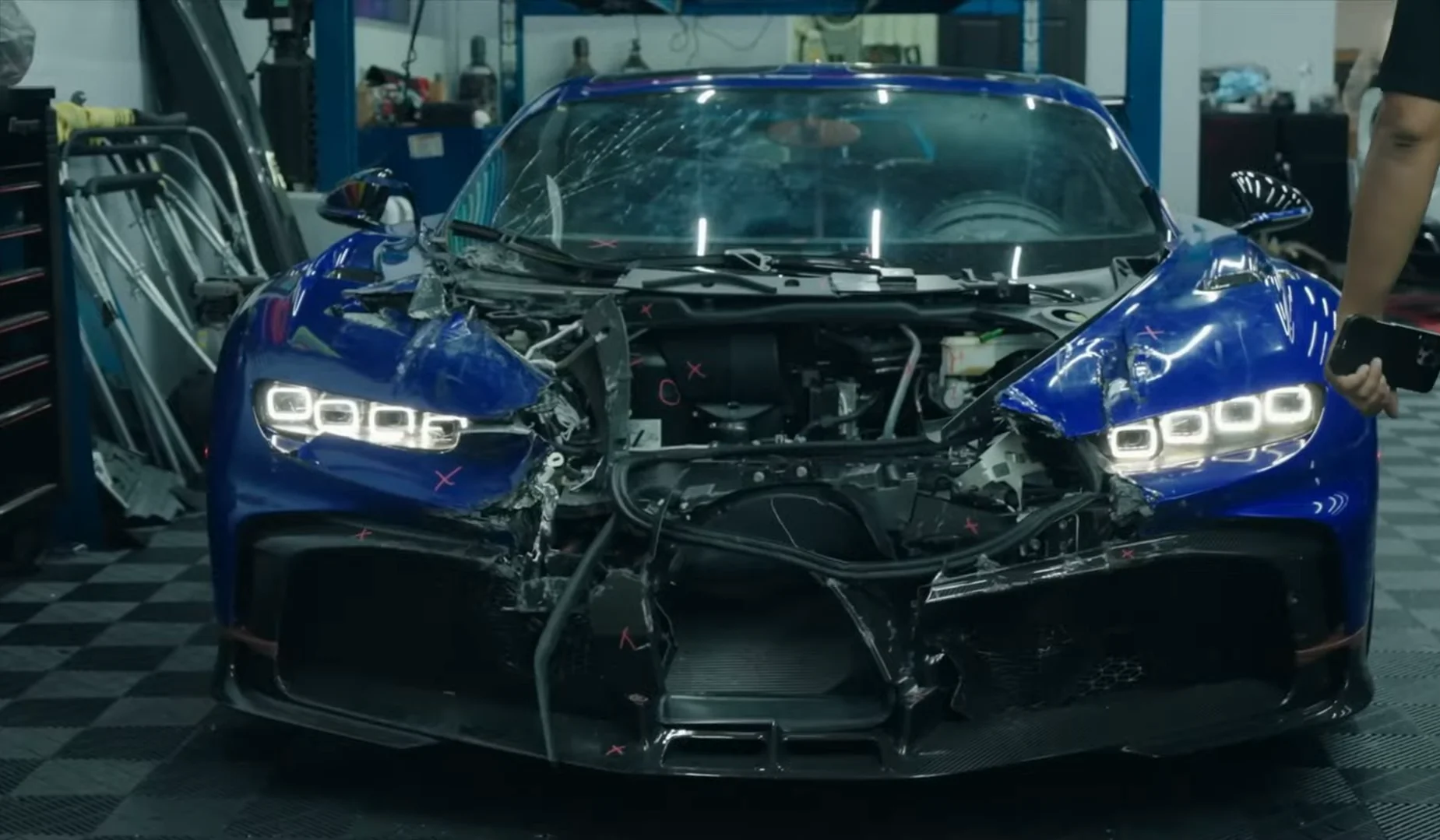
With the car officially written off, given a salvage title, and sent to a Copart auction, things looked bleak.
But Armstrong was not deterred, and he duly took on the challenge of restoring the hypercar.
Related
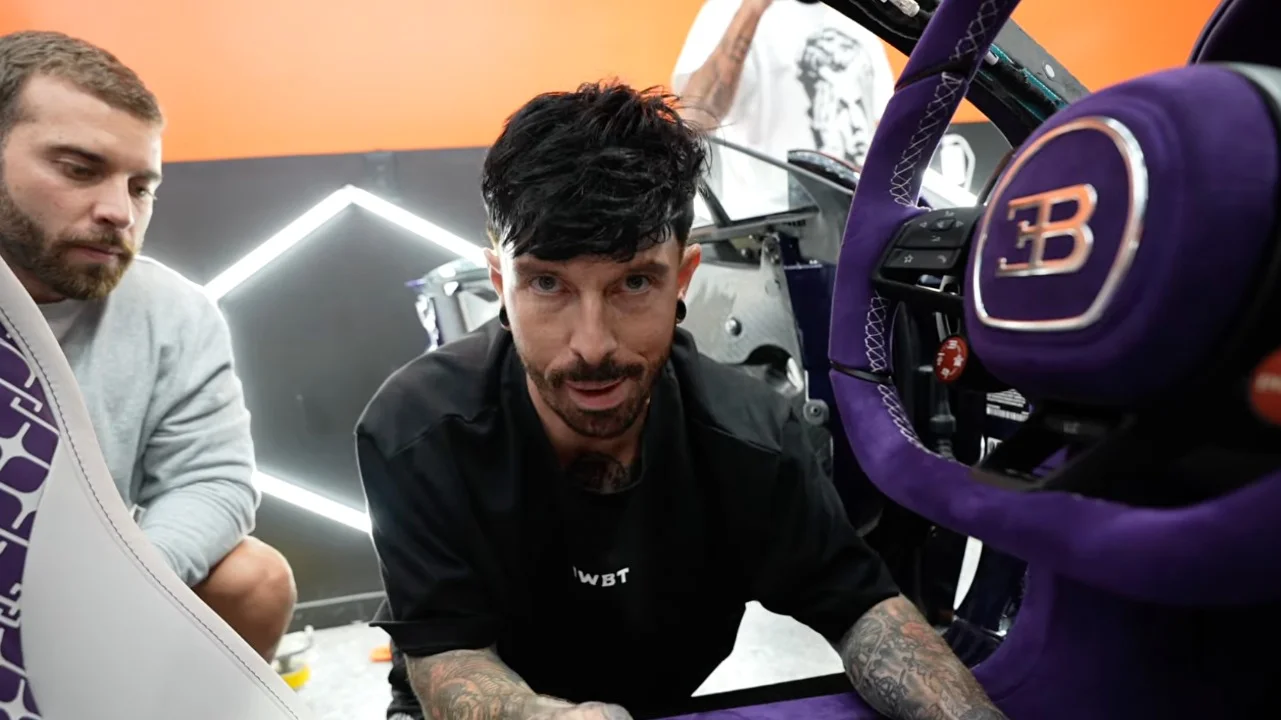
Bugatti drew a line in the sand against Armstrong
However, things took a dramatic turn early on in the process.
Bugatti locked the VIN, ensuring no dealership could supply parts to help rebuild the hypercar.
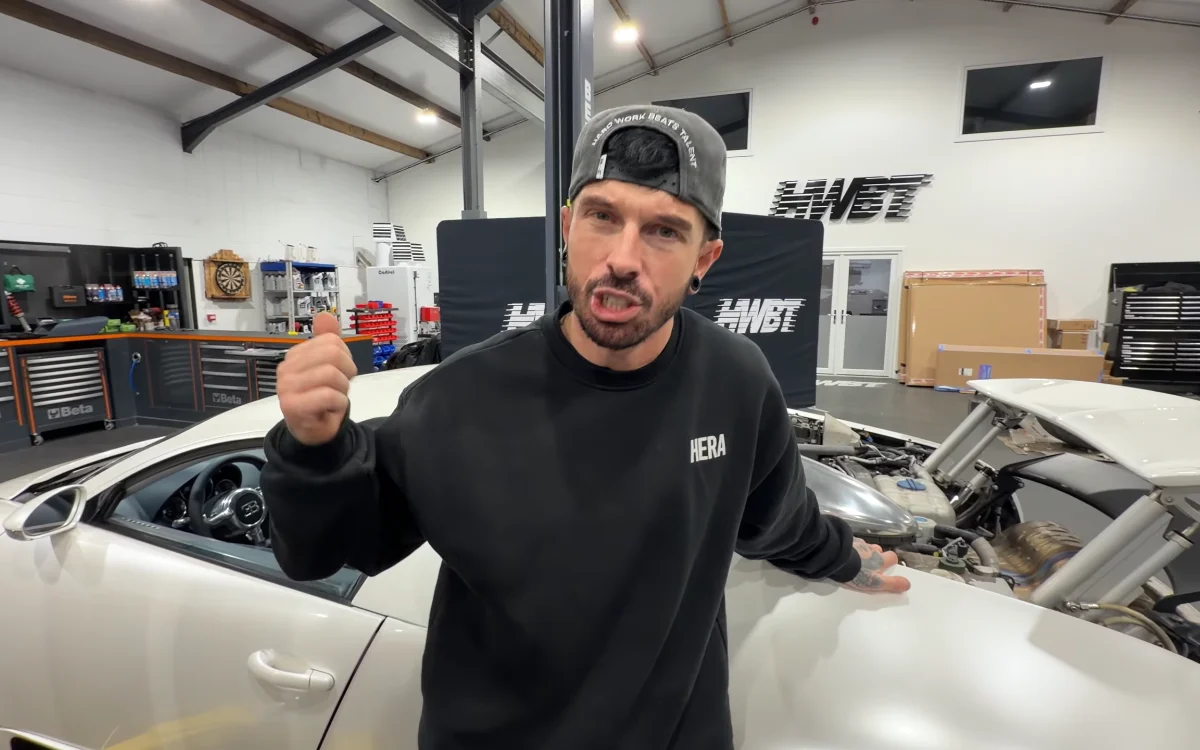
Bugatti CEO Mate Rimac then waded in, taking to social media to discuss the saga.
After Mat Armstrong hinted at using 3D printed parts to rebuild the car, Rimac refuted this claim.
The CEO also said that prices of parts listed in videos were not accurate and were, in fact, inflated.
“There’s been a lot of talk about Bugatti service, repair, and maintenance costs online, and most of what you hear is simply not true,” Rimac said.
Yet he said Armstrong was welcome to take the car to the Molshiem, France, facility for repairs and a check over.
But Armstrong was determined to rebuild the car himself.
“It was Alex’s choice to get the car rebuilt privately rather than send it to Bugatti,” he said.
“He was worried that as soon as that car goes to Bugatti in France, it stays there.
They start stripping it apart, and then they find more and more issues with it, and the price adds up more,” he added.
Bugatti wanted to control the rebuild, but Armstrong wasn’t having any of it.
Armstrong took matters into his own hands
Clearly, Armstrong was determined to rebuild the car himself.
With official parts out of the equation, the YouTuber decided to either make parts or source them via other means.
“All of this needs rebuilding, and we need to 3D print, make, and fix all the parts to be able to do that,” Armstrong said in a later video.
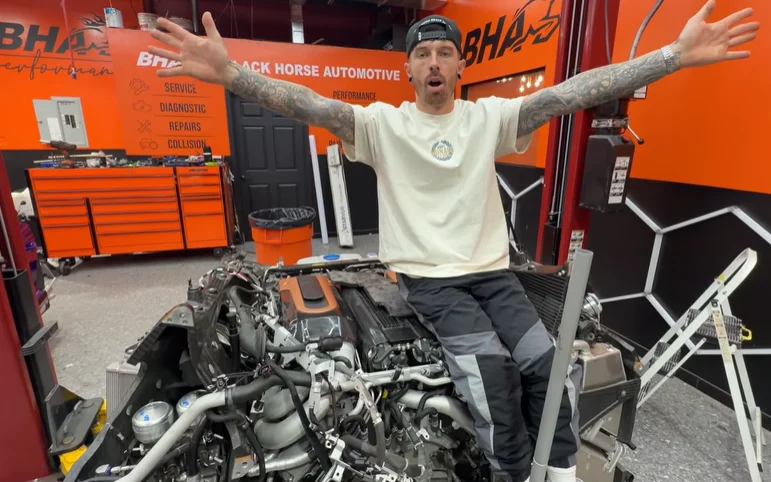
“I’ve got no chance but to try and get this car back on the road my own way,” he added.
With or without Bugatti’s help, Armstrong was going to get this car on the road no matter what.
How the Bugatti Chiron Pur Sport was brought back to life
Against all the odds, Armstrong and his team were able to get the car going again and fired it up.
But it wasn’t an easy task.
Everything from the coolant, fuel, intercooler, and ECU systems all needed to be brought back together.
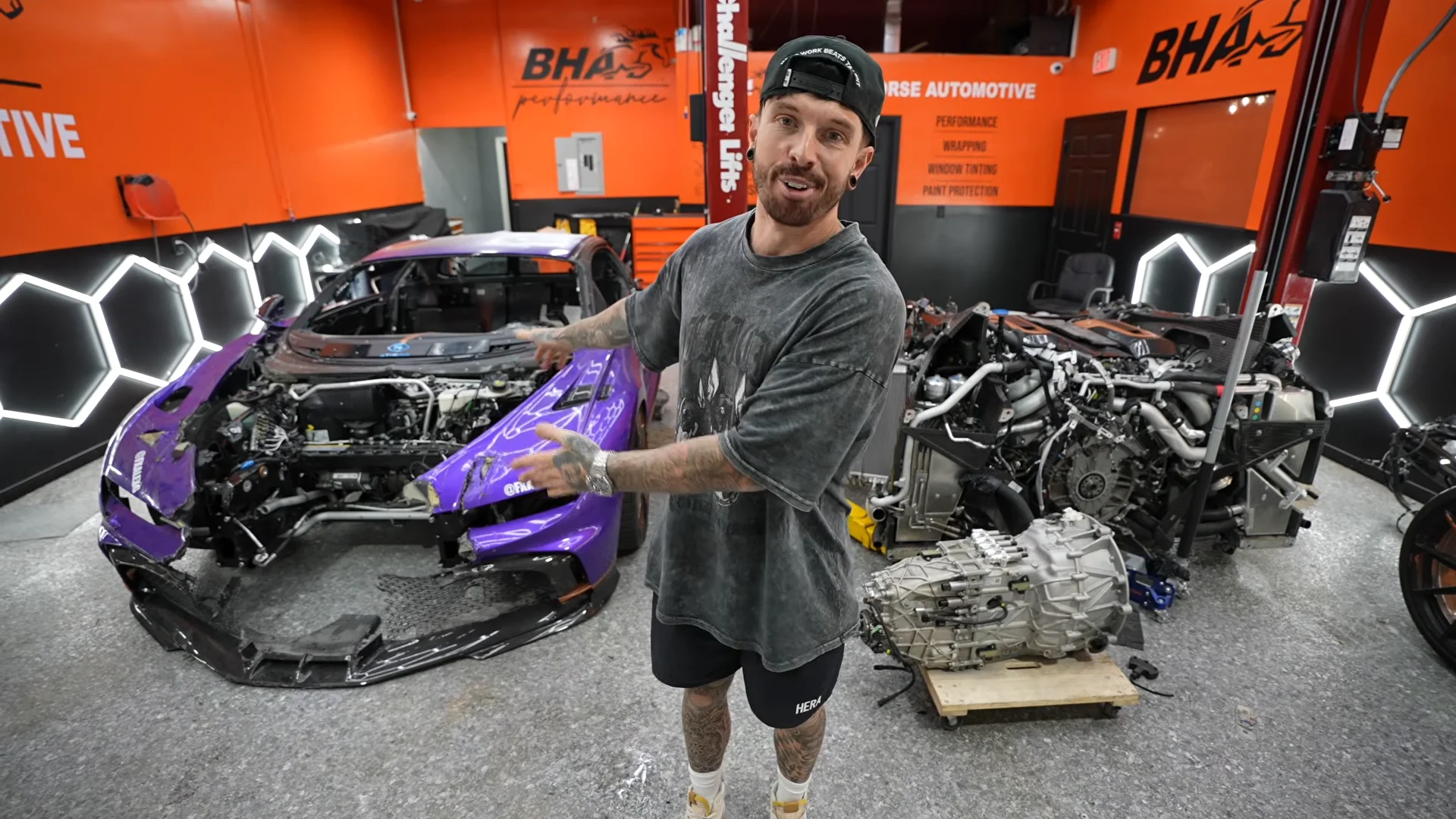
The Chiron had been driven without coolant, and that isn’t what you want to do with any car.
Thankfully, that had no impact on the team’s ability to get the hypercar going again, with it firing up for the first time.
A hairline crack threatened Mat Armstrong and his efforts
This didn’t mean that there weren’t problems with the car.
Some viewers had spotted a hairline crack on videos of the car and alerted Armstrong to this.
These are very fine cracks, resembling hair strands, and could lead to bigger problems.
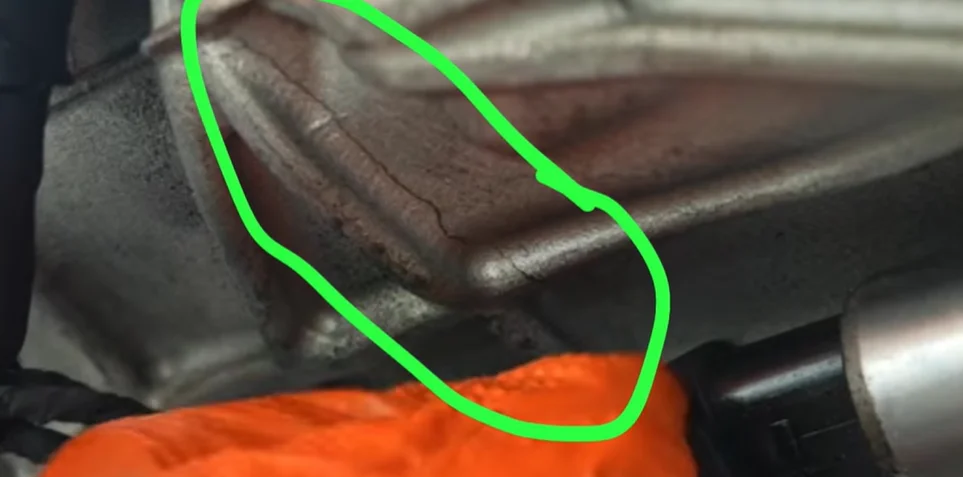
Thankfully, those rumors of a crack proved to be false.
“It doesn’t feel like a crack, it feels like residue,” Armstrong observed in a video.
It turned out it had just been some dirt left on the underside of the Chiron Pur Sport.
The transmission was a further obstacle to the project
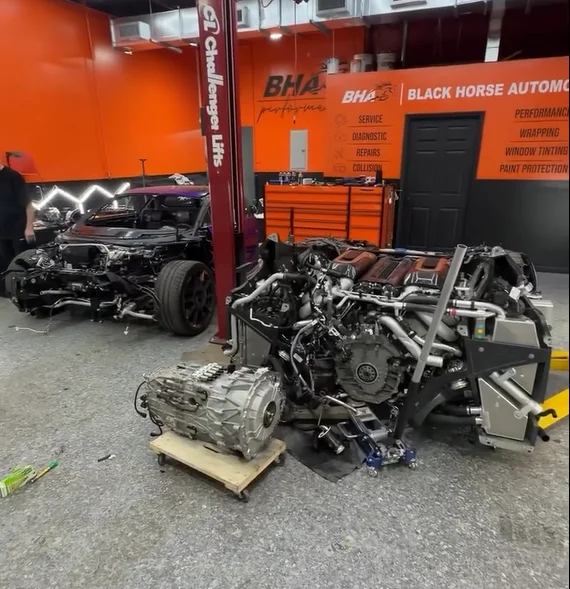
One of the biggest obstacles facing Armstrong was the transmission of the Chiron.
This had been badly damaged in the accident, and the car needed to be split to gain access.
According to Mate Rimac, only two places in the world could do this.

As it transpired, all that needed to happen was the removal of various bolts to split the modular design.
Armstrong was then able to separate the transmission from the main block of the Bugatti Chiron Pur Sport.
Amusingly, at this point, it turned out that Mate Rimac himself had been watching the project unfold.
Where things now stand with the Bugatti Chiron Pur Sport rebuild
With Bugatti refusing to help, Armstrong had known this task wasn’t going to be easy.
But at the time of writing, things have massively progressed.
The interior has been rebuilt, the new airbags have been sourced from an Audi A3, and custom radiators were built to replace the destroyed ones.
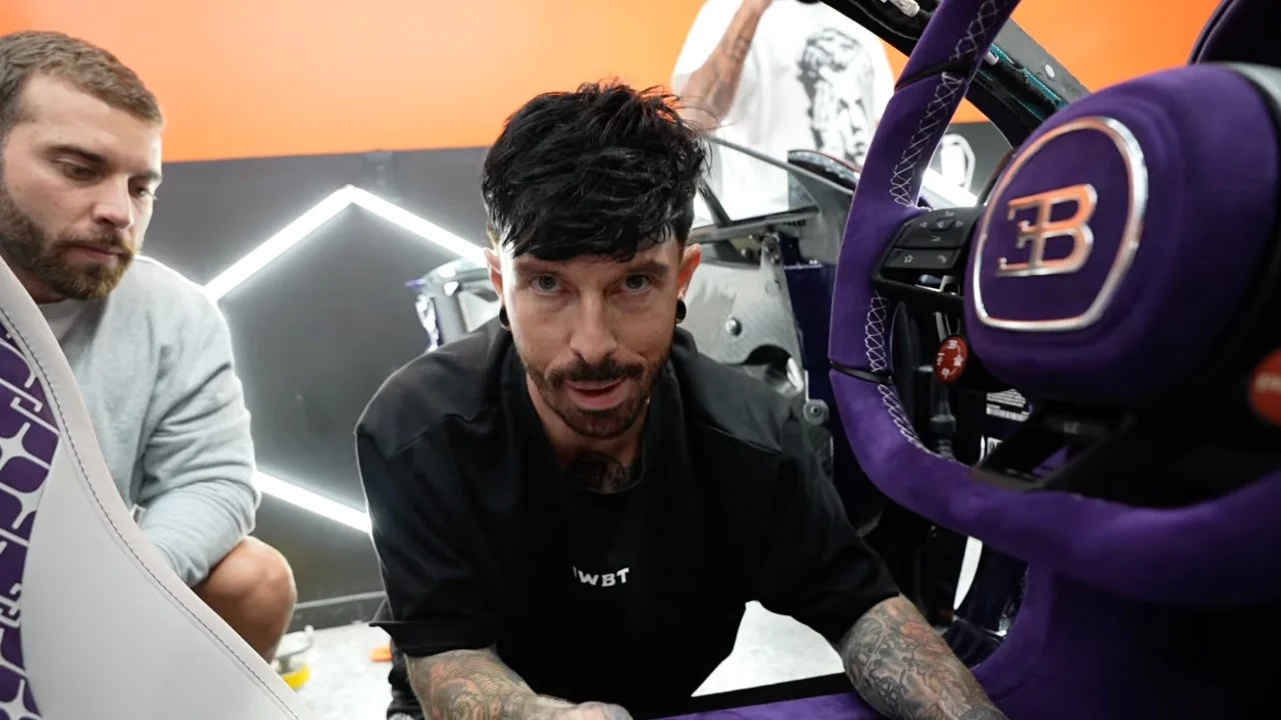
At this stage, there is still some work left to do.
Plus, the controversy around the car and Bugatti doesn’t appear to have gone away.
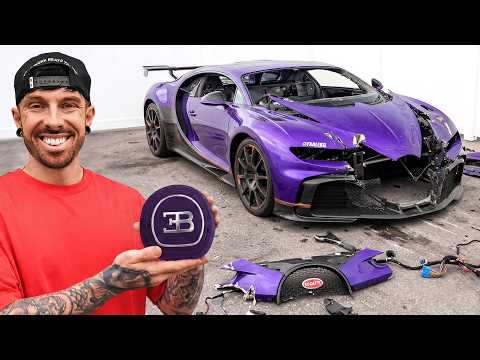
But Mat Armstrong has remained undeterred throughout the process.
Whatever happens next, this has been by far the most controversial Bugatti rebuild we have ever seen.
Bugatti timeline
1909: Italian-born designer Ettore founds his eponymous automaker in Molsheim, Alsace – then part of the German Empire, now France
1924: The company introduces the Type 35, which goes on to become one of the most successful racing cars in history
1936: Production begins on the Type 57SC Atlantic, an automotive masterpiece designed by Ettore’s son, Jean
1939: Tragedy strikes when Jean dies in a testing accident, plunging the marque into a decline worsened by the outbreak of WWII
1947: The founding father passes away, and without a clear successor, the original company eventually ceases operations
1987: Italian entrepreneur Romano Artioli acquires the dormant brand rights, builds a new factory, and later launches the EB110 supercar
1998: The Volkswagen Group purchases the rights to the name, returning the automaker to its original home in Molsheim, France
2005: The Veyron 16.4 is launched, shattering automotive records and becoming the world’s fastest production car
2021: The brand enters a joint venture with Croatian electric hypercar maker Rimac to pioneer an electrified future
Henry joined the Supercar Blondie team in February 2025, and since then has covered a wide array of topics ranging from EVs, American barn finds, and the odd Cold War jet. He’s combined his passion for cars with his keen interest in motorsport and his side hustle as a volunteer steam locomotive fireman at a heritage steam railway.