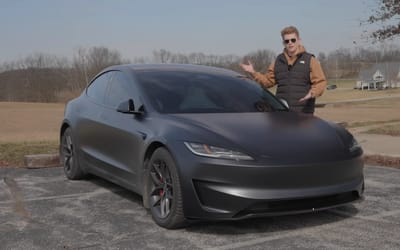
US man compares the costs of EVs, hybrids, and gas cars and ranks them by total cost of ownership
Published on Dec 13, 2025 at 7:26 AM (UTC+4)
by Ben Thompson
Last updated on Dec 10, 2025 at 5:54 PM (UTC+4)
Edited by
Ben Thompson

When it comes to car ownership, we all want the best deal – so this US man ranked EVs, hybrids, and gas cars by price.
US drivers used to have an incentive to go electric, thanks to the $7,500 federal tax credit.
Now that’s been done away with it, does it change the whole landscape?
If you want to keep more money in your account, which type of car is best to buy – a EV, a hybrid, or a gas car?
EXPLORE SBX CARS – Supercar auctions starting soon powered by Supercar Blondie
Which type of car drains your bank account fastest – EVs, hybrids, or gas cars?
Over at CNet, writer Mike De Socio took a closer look at this question, enlisting the knowledge of various experts.
He compared the three car types on different factors – upfront costs, fuel and charging costs, maintenance and repair costs, insurance costs, and depreciation and resale values.
So without further delay, let’s take a closer look at the categories and see which one came out on top.

When it comes to upfront costs, Internal Combustion Engine vehicles (aka gas cars) came out as the runaway winner, with the lowest sticker prices.
Hybrids trailed behind them, and EVs came out as the priciest in the showroom.
So that gives the gas cars the edge so far.
On the question of fueling/charging costs, the script is totally flipped and EVs get the upper hand.
At the national average electricity rate, $550 would be spent on charging for 11,000 miles per year.
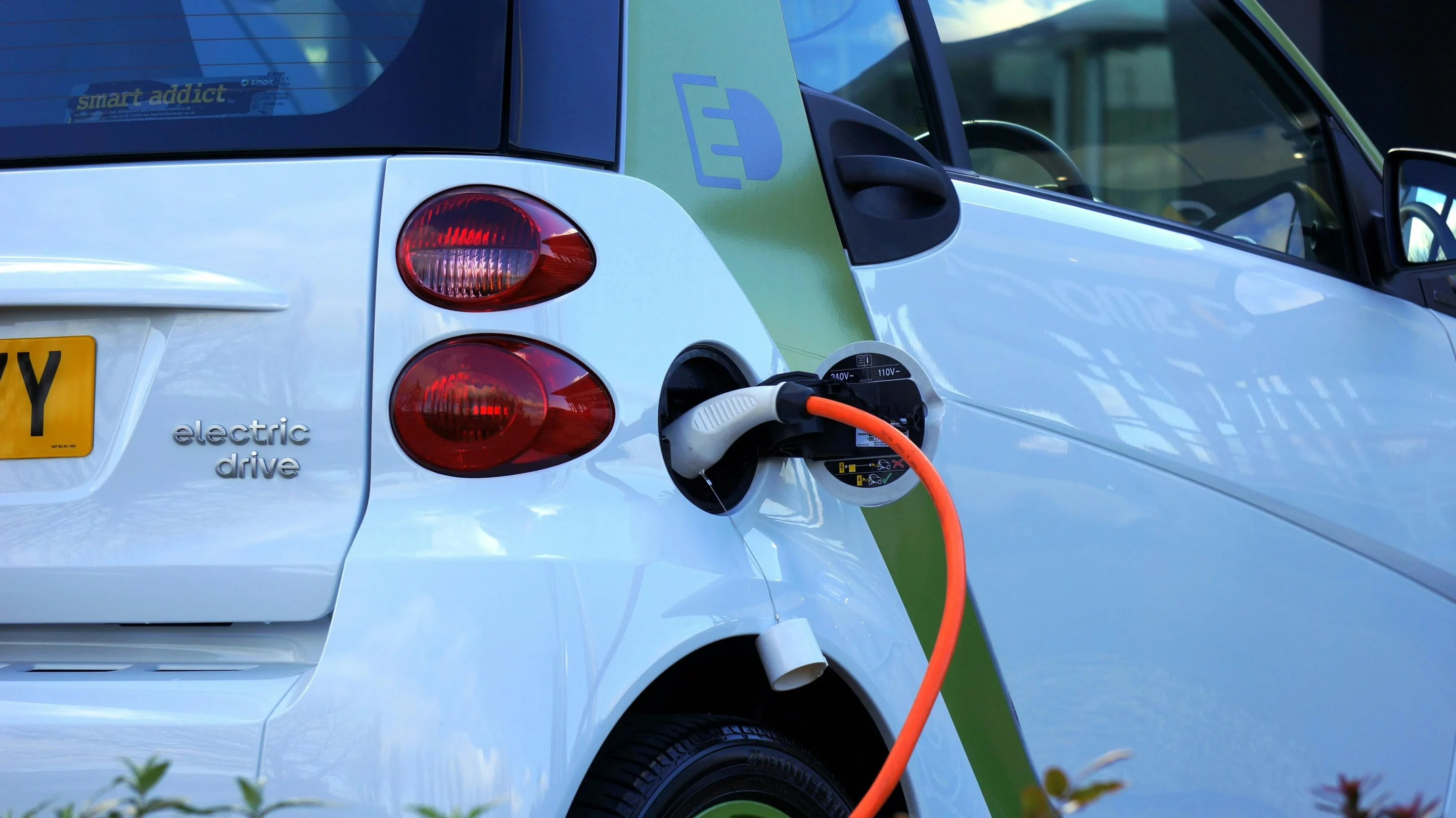
Once again, hybrids were in the middle, whilst gas cars came out as the most costly – $1,320 for 11,000 miles per year.
EVs continued their winning streak in the maintenance and repair round, where the lack of oil changes, spark plugs and exhaust systems were all cited.
And this factor is only going to get more affordable as time goes on, according to one study.

However, it was hybrid cars which came out at bottom of the pile this time around, with both a gasoline engine and electric battery powertrain to tend to.
And how about insurance, that expense that nobody likes dealing with?
ICE vehicles came out as the cheapest, whilst EVs were deemed the most expensive to insure.
The final results
And finally, there’s the question of depreciation and resale value.
After all, we’d all like to think that when it comes time to sell our cars, we’ll make a good amount of money from it.
Well, if you own an EV, that may not be so – because the technology is improving so rapidly, EVs suffer faster depreciation than gas cars.
Nobody knows that better than this Porsche Taycan owner.
Gas cars win out as being the car type with the most favorable resale value and depreciation rates.
So, which car type came out on top ultimately?
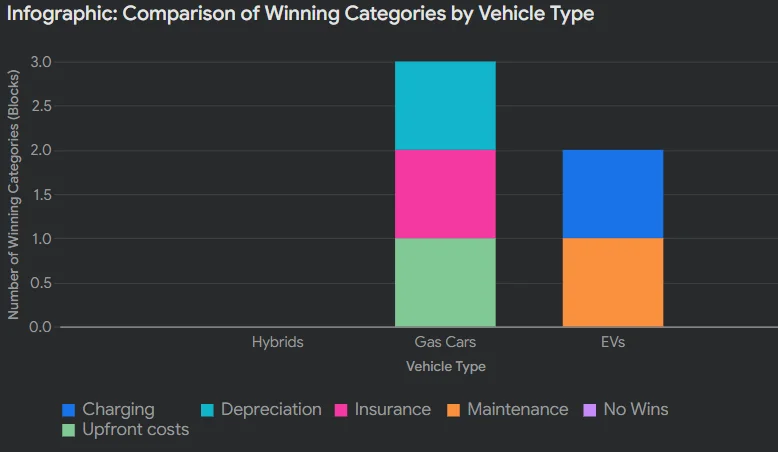
Based on the category wins, gas car came out on top with three wins, compared to two for EVs.
Hybrid usually fell somewhere in the middle of pack on most rounds.
However, Mike De Socio did a direct comparison between a 2026 Chevrolet Equinox and its EV version.
He found that the EV ultimately came out cheaper in the long-run, costing $57,420 over 15 years, compared to $72,345 for the ICE.

On every metric besides sticker price, the electric version came out cheaper.
That’s certainly true if you live in the UK, where electric cars are officially cheaper to run.
So there you have it.
Of course, this debate is far from over – the release of every new model has the ability to shift the results.
DISCOVER SBX CARS: The global premium car auction platform powered by Supercar Blondie
Following stints at LadBible, The Sun, The New York Post, and the Daily Mail, Ben joined the team full-time in February 2025. In his role as Senior Content Writer, his sparkling copy, the ability to sniff out a good story at 100 paces, and a GSOH quickly led to him becoming an integral and invaluable member of the writing staff.