EVs pay off their carbon footprint within two years and the gap from gas cars just gets bigger from there
Published on Jul 21, 2025 at 6:20 AM (UTC-4)
by Daisy Edwards
Last updated on Jul 21, 2025 at 6:20 AM (UTC-4)
Edited by
Tom Wood

New studies have confirmed that EVs pay off their carbon footprint within two years and the gap from gas cars just gets bigger from there.
While Toyota’s Chairman recently caused a bit of a scandal for saying that it’s better for the environment to build hybrid cars rather than EVs, it turns out that the long-term effects of EVs are much better than a gas-powered car.
The US electric grid is going through a rapid change at the moment, a seismic shift towards solar, wind, and other renewable forms of electricity so the climate footprint divide is ever-growing.
As with a lot of things though, it depends on where you live and drive whether your greenhouse gas emissions are better or worse, but it certainly seems like EVs are miles ahead when it comes to living a greener lifestyle.
EXPLORE SBX CARS – Supercar auctions starting soon powered by Supercar Blondie
EVs pay off their carbon footprint within two years
We think it’s pretty obvious that EVs have a measurable climate benefit over gas-powered cars, but up until recently, we were unsure of how much better for the environment they are.
The International Council on Clean Transportation has recently revealed battery electric vehicles (BEVs) deliver a proper climate benefit over gas-powered cars.
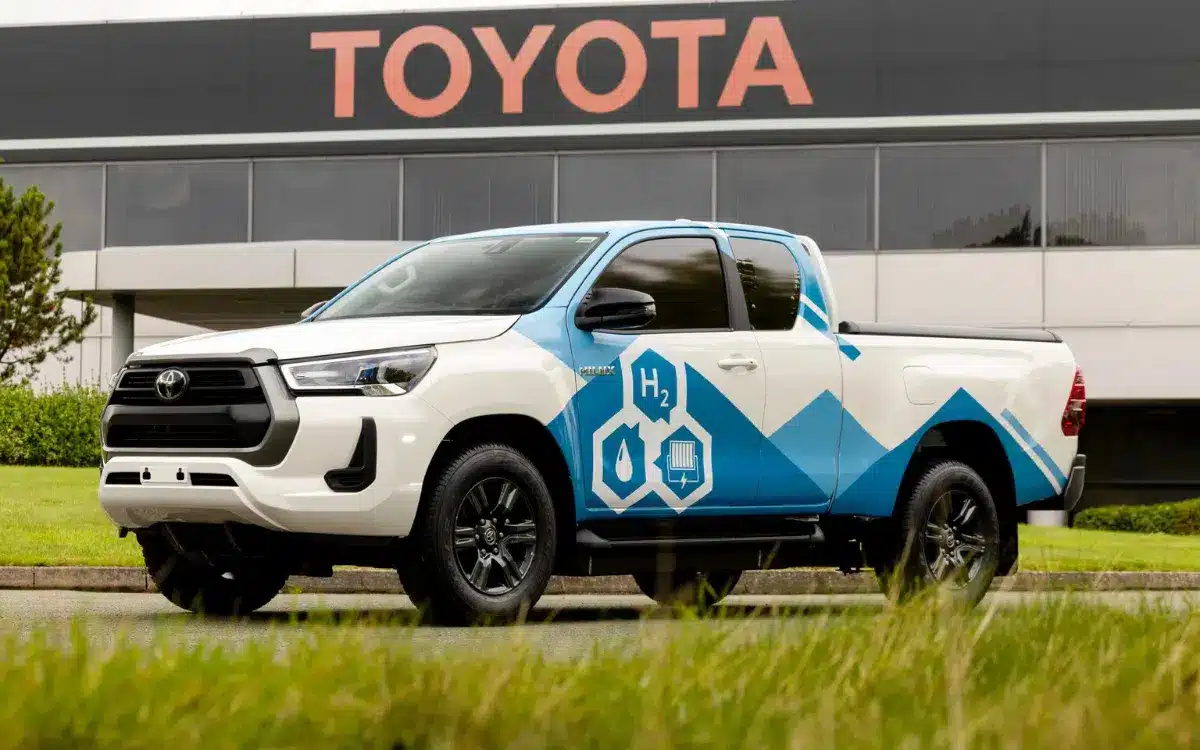
The chairman of Toyota recently caused a bit of drama by announcing that, for the Japanese automaker, it’s better for the environment to build hybrids, even more so than EVs.
However, these claims have been debunked by scientists, and the new studies show that the long-term effect of EV construction on the environment is much lower than gas cars and hybrids.
EVs pay off their carbon footprint within two years of construction, whereas gas-powered cars and hybrids will take much longer to work off their carbon footprint, or sometimes will never pay it off.
Related

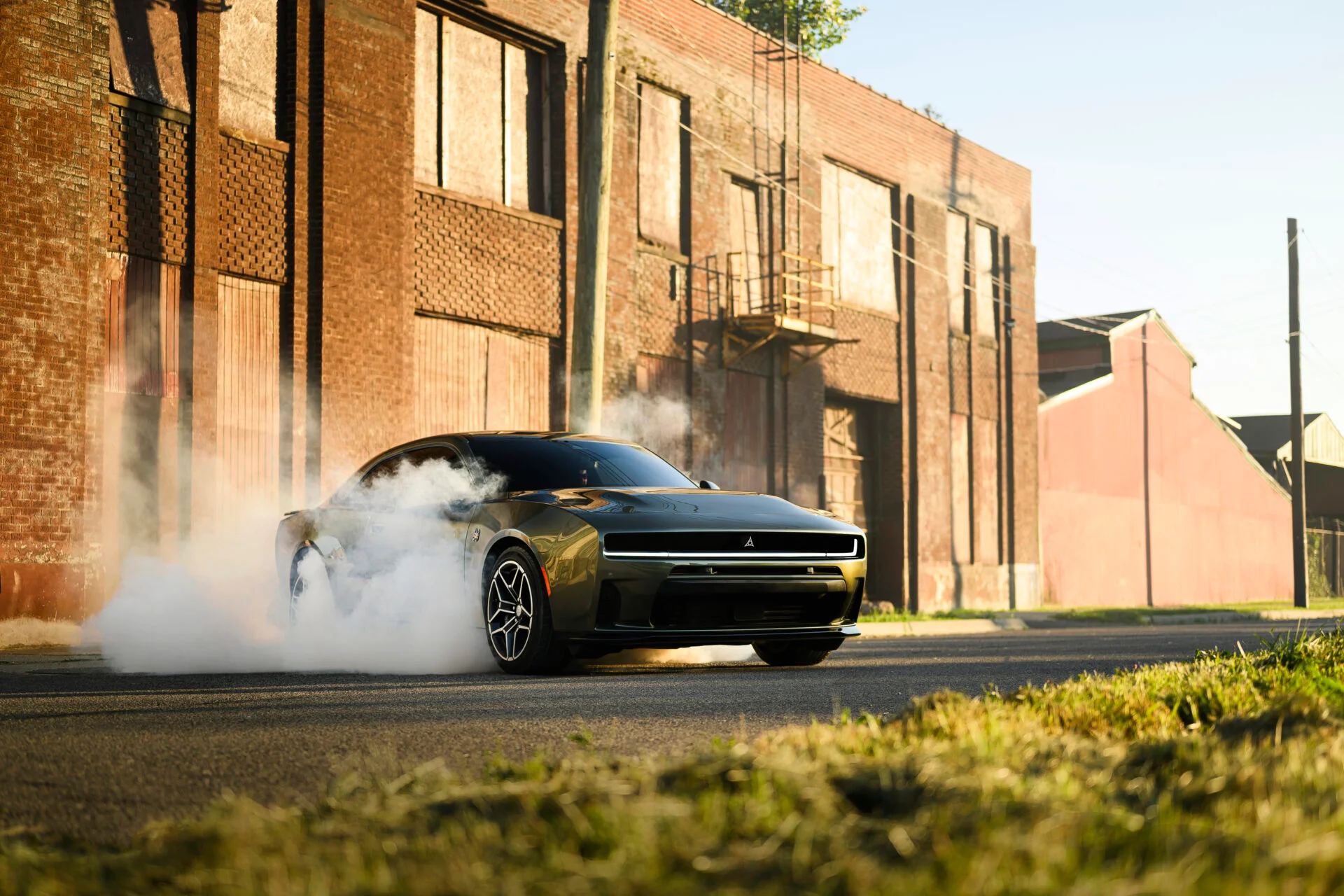
The gap between gas cars and EVs just gets bigger from there
While the carbon footprint made by the construction of an EV is very rapidly paid off after two years of driving, the US electric grid is shifting toward more renewably generated electric emissions so it might even be sooner.
Solar, wind and other renewable ways of generating emissions will all help make the carbon footprint of an EV lower, while leaving the carbon footprint of a gas car unaffected.
While hybrids may become slightly more sustainable, they still rely on oil, which isn’t becoming progressively more sustainable the way electric is in the US.
EVs are the way to go if you are worried about your impact when driving on the environment, but make sure that you drive it exclusively in California or New York just for that extra sustainability.
Click the star icon next to supercarblondie.com in Google Search to stay ahead of the curve on the latest and greatest supercars, hypercars, and ground-breaking technology.
Daisy is a technology and automotive journalist covering artificial intelligence, consumer tech, Apple news, cryptocurrency, emerging technologies, and transportation innovation. Since joining the team in 2025, she has reported on everything from AI-powered startups and major iOS updates to viral car stories and the latest developments shaping transportation and the digital economy. Drawing on her background in automotive journalism and a degree in History and Journalism from Goldsmiths, University of London, Daisy specializes in breaking down complex topics into clear, engaging reporting for a global audience. Her work spans cutting-edge technology, innovative vehicles, and the people driving change across both industries. Daisy has gained first-hand access to some of the world's most talked-about technologies and innovators, including meeting Tesla's Optimus humanoid robot during its first European appearance in London. She has also discussed the future of space exploration with an astronaut, bringing unique insights and real-world perspectives to her coverage of emerging technology.