Expert compares the costs of EVs, hybrids and gas cars and ranks them by how much ownership costs in total for each one
Published on Jun 22, 2026 at 10:07 AM (UTC-4)
by Alessandro Renesis
Last updated on Jun 24, 2026 at 4:08 AM (UTC-4)
Edited by
Mason Jones
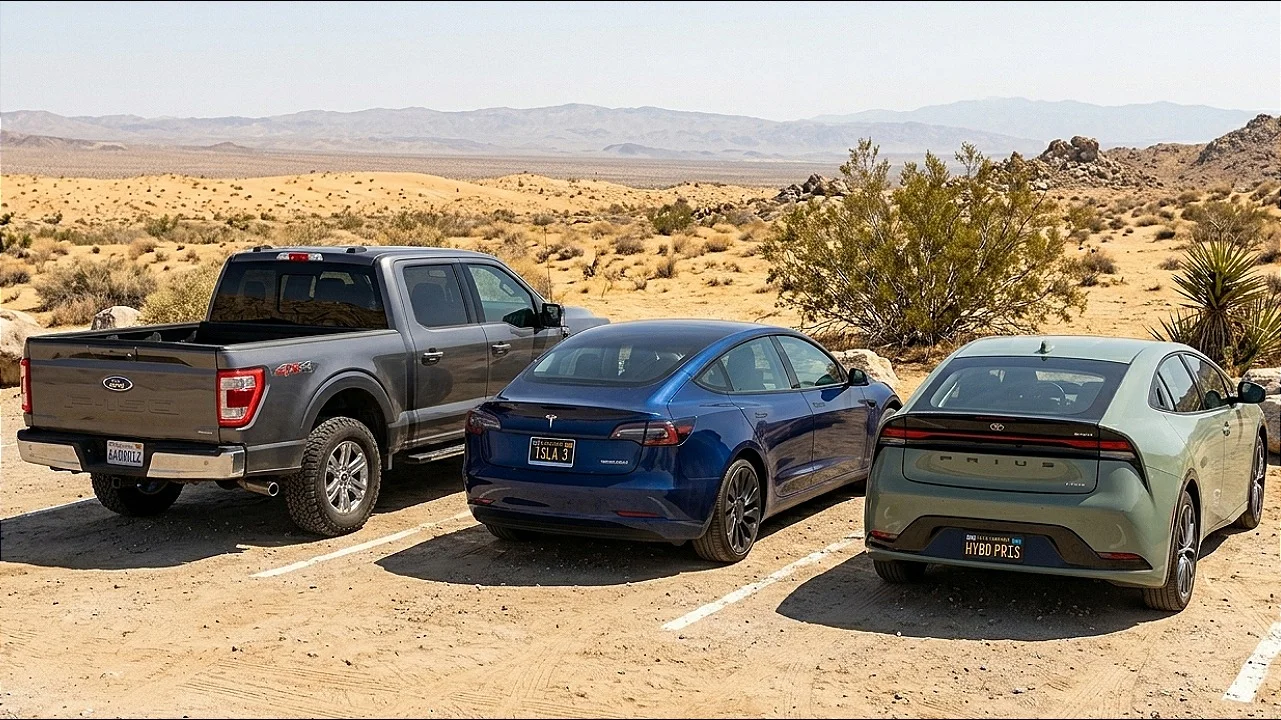

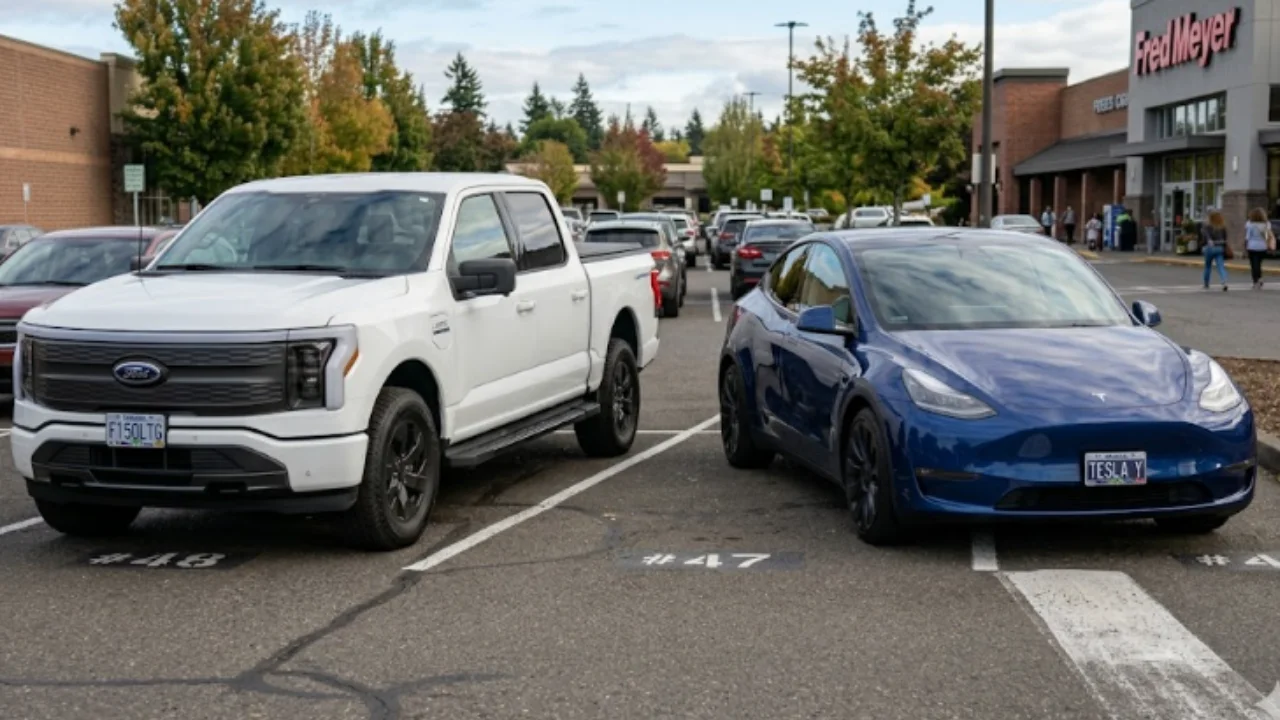
An expert ranked EVs, hybrids, and gas cars by price in the US, and the result was pretty shocking.
All three options come with advantages and disadvantages, and obviously it’s all relative.
Because we have to remember gas price and electricity prices vary depending on different factors.
Still, the result was pretty clear.
EVs vs hybrids vs gas cars – which is the best option?
CNET writer Mike De Socio took a closer look at this question, enlisting the knowledge of various experts.
He compared the three car types on a few key factors, including upfront costs, fuel costs, maintenance costs, and also depreciation and resale values.
When it comes to upfront costs, the internal combustion engine is still the winner.
Apples to apples, gas cars are generally cheaper to buy, followed by hybrids, and then by EVs, which are often more expensive.
But after buying the car, you have to fill it up, and that’s where the whole equation is flipped on its head.
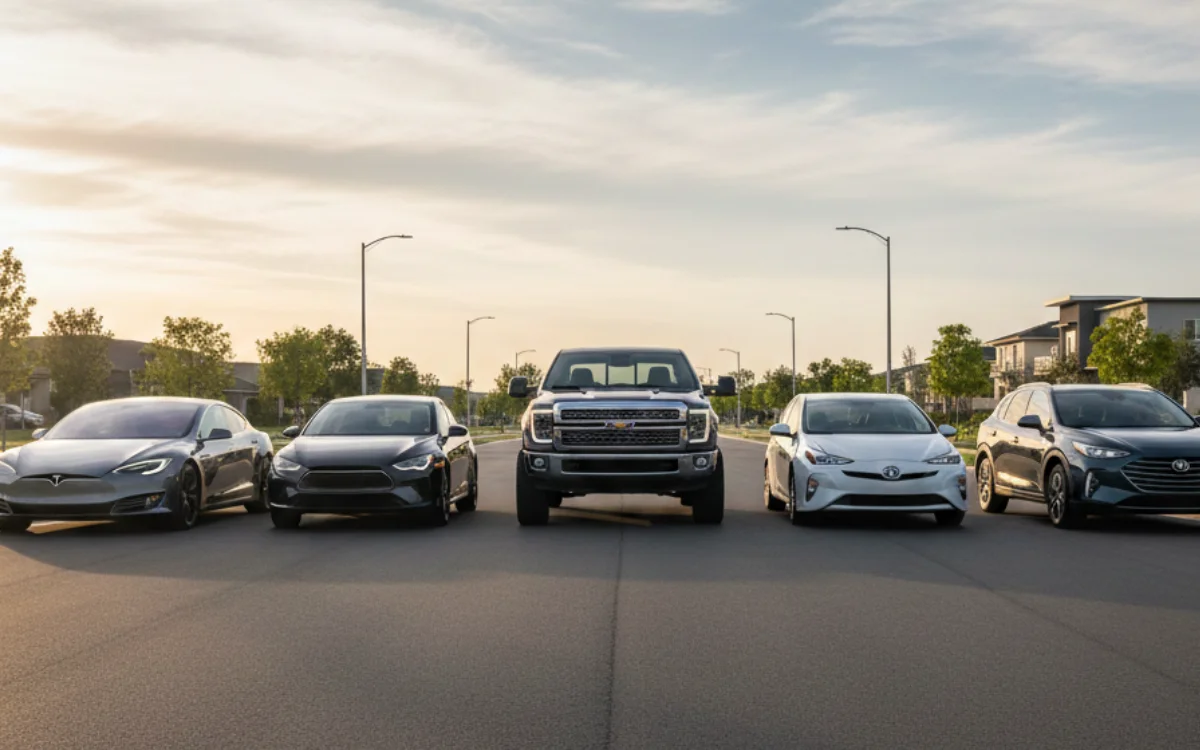
At the national average electricity rate, $600 (on average) would be spent on charging for 11,000 miles per year.
To cover the same distance in a gas car, on average, you need anywhere between $1,300 and $1,500 – and that’s just for a ‘normal’ car, not a supercar.
Hybrids are sort of in the middle.
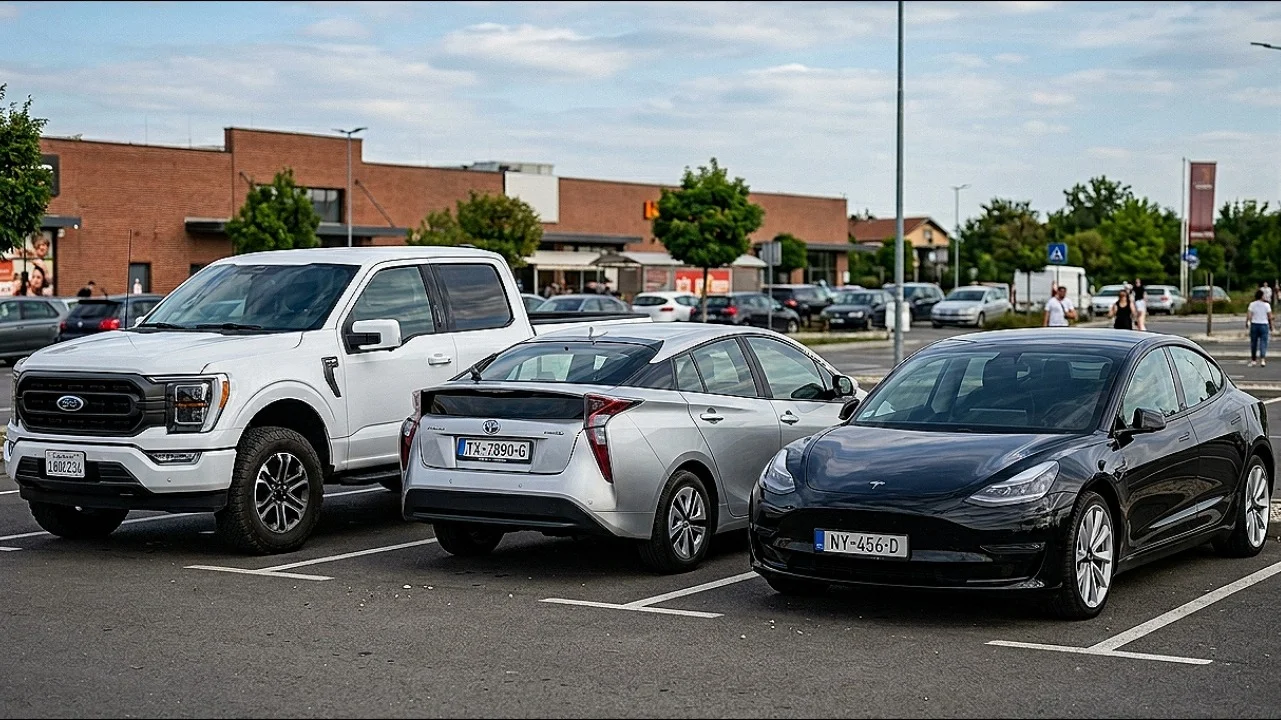
When it comes to maintenance, EVs are still winning and, according to several studies, that number will keep going down.
The only problem is the maintenance costs can be arbitrary.
On paper, an EV is supposed to be cheaper to maintain because it has fewer moving parts.
But, in practice, the automaker can still charge you whatever it wants.
Related

Depreciation is a killer
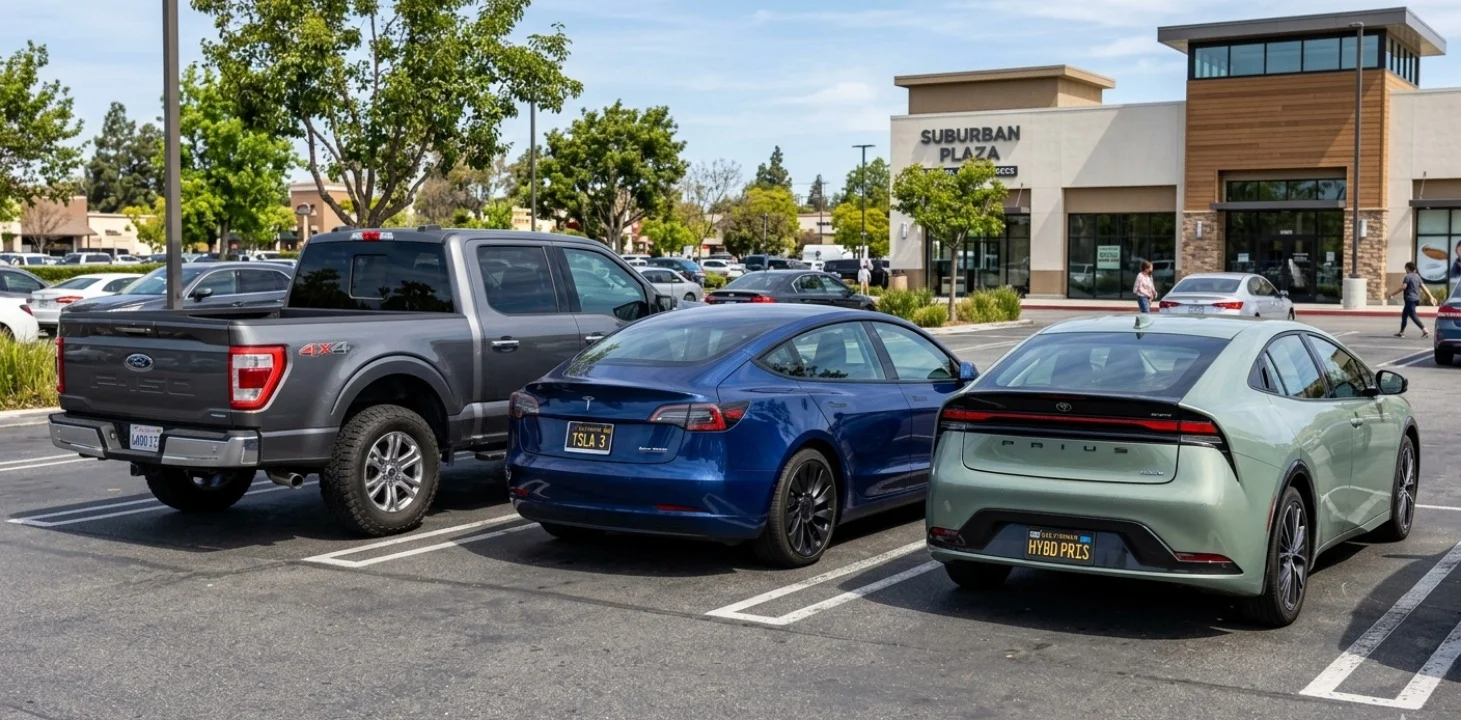
When it comes to depreciation and resale value, EVs suffer faster depreciation than gas cars.
This is mostly due to the fact that the technology is improving rapidly.
The results
Even so, when CNET’s De Socio did the math, the result was clear.
Running an EV ultimately came out cheaper in the long-run, costing $57,420 over 15 years, compared to $72,345 for the ICE.
So the answer to the original question is simple: if you want to save money and plan on keeping your car for a long time, an EV is likely going to cheaper.
Alessandro is an automotive journalist with 10 years of experience covering supercars, automotive history, emerging vehicle technology, and luxury transportation. He wrote the first article published on SupercarBlondie.com when the website launched in 2022 and has since built a reputation for insightful reporting across the automotive and transportation industries. His expertise is grounded in hands-on experience. Alessandro has driven every Tesla model ever produced, from the original Roadster to the Cybertruck, and regularly covers the latest developments in electric vehicles and automotive innovation. His passion for transportation extends beyond cars, he has even flown a Boeing 787 Dreamliner simulator in Addis Ababa, Ethiopia. His reporting spans everything from classic American muscle cars and rare automotive discoveries to luxury yachts, private aircraft, high-end watches, and cutting-edge vehicle technology. Known for his deep knowledge of automotive history and ability to uncover the stories behind iconic vehicles, Alessandro brings readers a blend of historical context, technical expertise, and first-hand experience.