First Boeing 747-8 BBJ ‘flying mansion’ scrapped in US after just 30 flight hours
Published on Dec 29, 2025 at 11:50 AM (UTC+4)
by Jason Fan
Last updated on Dec 29, 2025 at 5:47 PM (UTC+4)
Edited by
Mason Jones

Imagine buying a brand-new Boeing 747-8 BBJ, which was dubbed by many as a ‘flying mansion’, and barely using it before sending it to the scrapyard.
That’s exactly the fate of one of the rarest private jumbo jets ever built.
After logging just 30 flight hours across 16 flights, the ultra-exclusive aircraft has been dismantled in the Arizona desert.
While it may seem absurd to many, in the strange world of VIP aviation, even a palace with wings can end up unwanted.
SBX CARS – View live supercar auctions powered by Supercar Blondie
The first Boeing 747-8 BBJ never made it to its owner
This particular aircraft was built as a Boeing Business Jet, a heavily modified version of the 747-8 designed for governments and royalty.
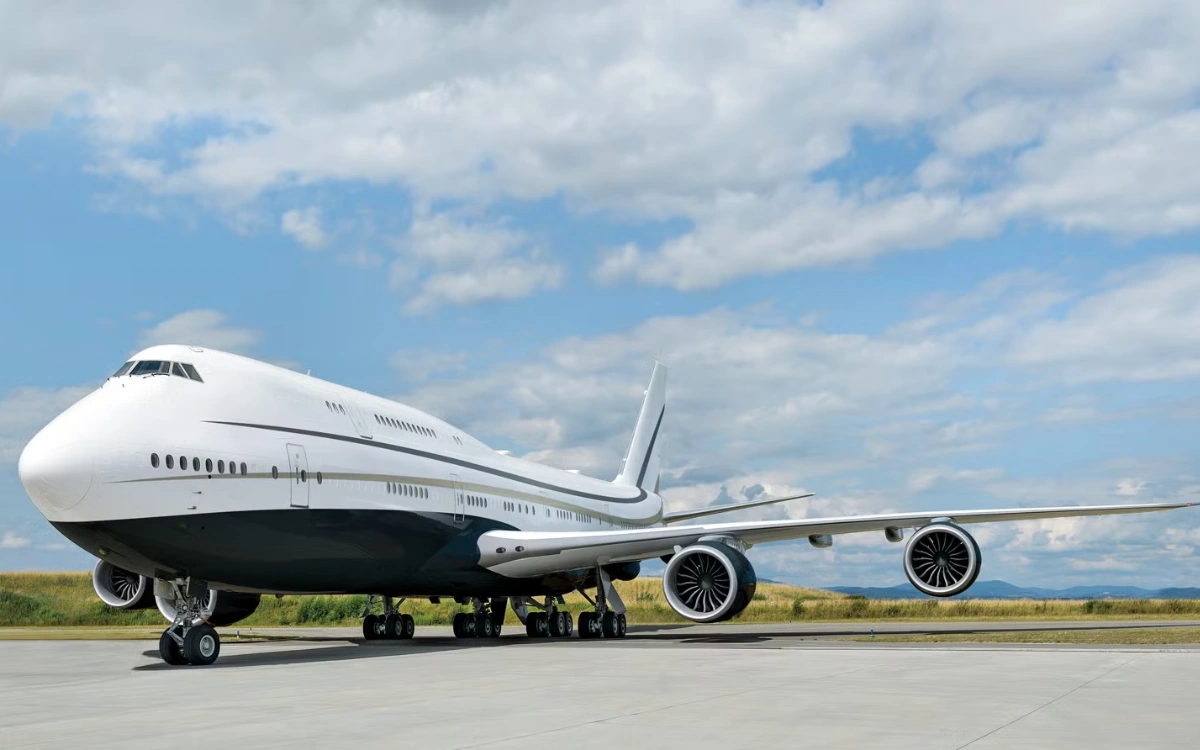
With a range of more than 10,000 miles and roughly 5,000 square feet of cabin space, this flying mansion dwarfs every other private jet in existence.
The plan was for it to receive an opulent interior: think bedrooms, lounges, conference rooms, and even a flying throne room.

However, that transformation never happened.
The jet was intended for a Saudi royal, specifically Crown Prince Sultan bin Abdulaziz Al-Saud.
Following his death in 2011, the aircraft lost its purpose before it ever truly began.
Delivered in 2012 with no interior, it spent nearly a decade parked at EuroAirport Basel Mulhouse Freiburg, quietly aging while waiting for a buyer who never came.
In 2017, the flying mansion went on sale for $95 million, a massive discount from its original list price of around $350 million.
Even at that price, interest was nonexistent.
Converting a four-engine Boeing 747 is extremely expensive, and fitting out the interior alone could cost $30 to $50 million, in addition to other costs.
In short, if you aren’t as wealthy as the US government, it makes little financial sense.
Eventually, Boeing bought the aircraft back and ferried it to a boneyard in Arizona, where its engines, which were still worth tens of millions of dollars, were quickly removed.
Efficiency is the name of the game for jets these days
To put its fate in perspective, most commercial aircraft remain in service for 25 to 30 years, often flying tens of thousands of hours before retirement.
After that, they typically end up in aircraft boneyards, where usable parts are harvested, hazardous materials are removed, and the remaining aluminum is recycled.
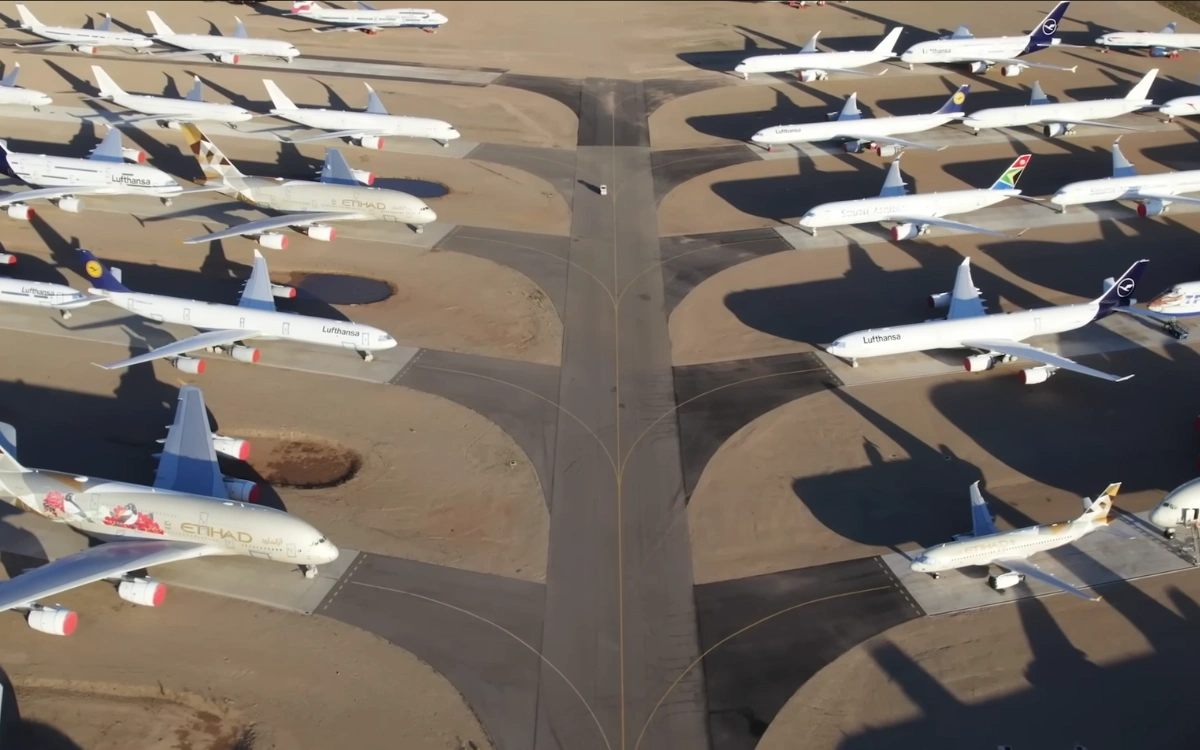
Some planes are preserved in museums, while others are slowly dismantled over years as spare parts are needed.
This 747-8 BBJ, retired at just 10 years old, sets an unlikely record.
The short life of this Boeing 747 is a reminder that aviation doesn’t always reward excess for excess’s sake.
As operating costs climb and efficiency becomes king, even the grandest jets can struggle to justify their existence.
Sometimes, practicality is more important than prestige.
History of the Boeing 747-8 BBJ
2010: Boeing formally began offering the 747-8 in BBJ configuration, targeting governments, royal families, and ultra-high-net-worth individuals
May 2012: First flight of BBJ 747-8 registered N458BJ, conducted for testing and acceptance
December 2012: The aircraft is flown to EuroAirport Basel Mulhouse Freiburg, where it was expected to be fitted out
2012-2016: Boeing completes production of 10 747-8 BBJs in total, all destined for government and royalty
2017: The first Boeing 747-8 BBJ is offered for sale for approximately $95 million, after being unused for years
2022: After nearly a decade a storage, the aircraft made its final flight to Arizona, logging about 30 total flight hours
2023: The aircraft became the first Boeing 747-8 BBJ to be retired and parted out
DISCOVER SBX CARS: The global premium car auction platform powered by Supercar Blondie