Dallas just deployed over 600 AI cameras that can identify your car’s 'fingerprint' without a license plate
Published on Jan 07, 2026 at 11:25 AM (UTC+4)
by Jason Fan
Last updated on Jan 07, 2026 at 9:32 PM (UTC+4)
Edited by
Kate Bain
AI cameras have made a bold entrance in Dallas, using vehicle fingerprint systems to track cars with or without visible plates.
The city says the technology is about improving safety and helping police respond faster to serious crimes.
Critics say it represents another step toward constant, automated surveillance.
Either way, Dallas drivers are now part of one of the largest AI-powered traffic monitoring networks in the country.
SBX CARS – View live supercar auctions powered by Supercar Blondie
The vehicle fingerprint technology doesn’t need license plates
According to public records obtained by The Dallas Morning News, Dallas police have access to more than 600 license plate reading cameras positioned around the city, usually mounted on 12-foot poles.
In May, the City Council approved a three-year, $5.7 million contract with Flock Safety, funded through a combination of city funds and state and federal grants.
The cameras operate around the clock, just like speed cameras, quietly collecting images and video footage of vehicles as they move through neighborhoods and major roads.
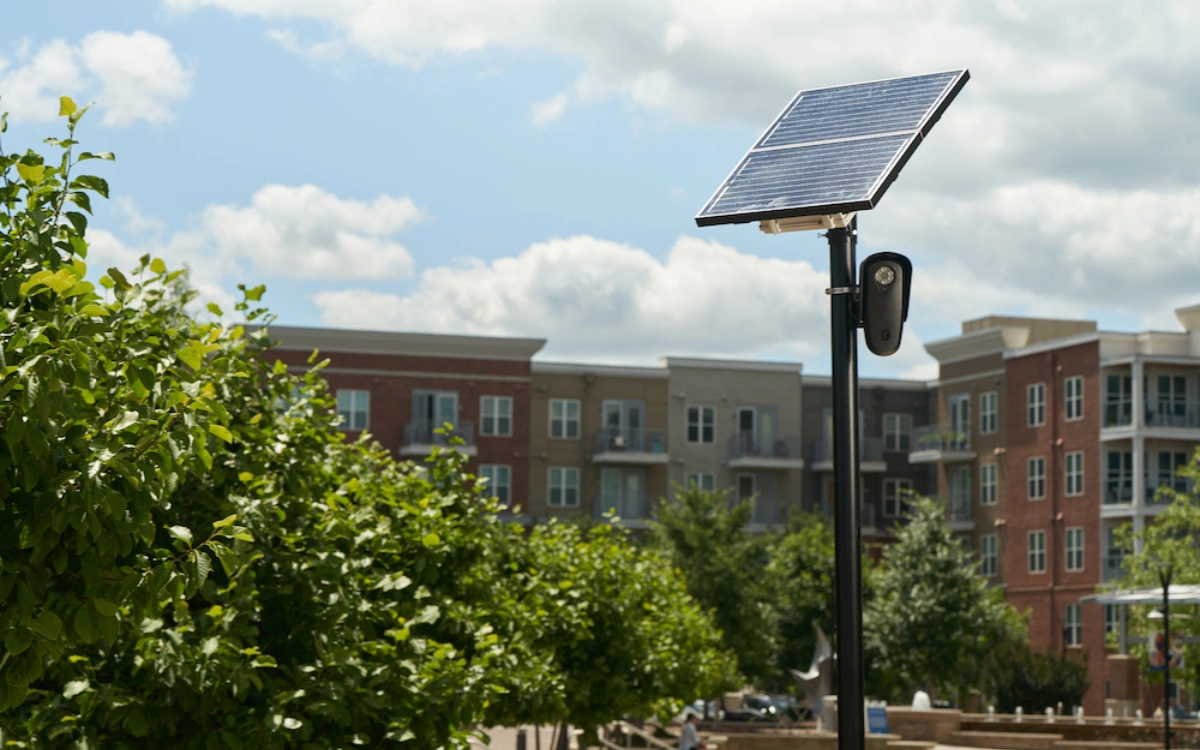
Supporters inside law enforcement say the system is already paying off.
One officer described being impressed by the clarity of the footage, and credited the AI cameras with helping track down a murder suspect.
Flock’s system goes far beyond reading plates, too.
Its vehicle fingerprint technology can identify a car’s make, model, color, decals, visible damage, and even recognize vehicles with paper tags or no tags at all.
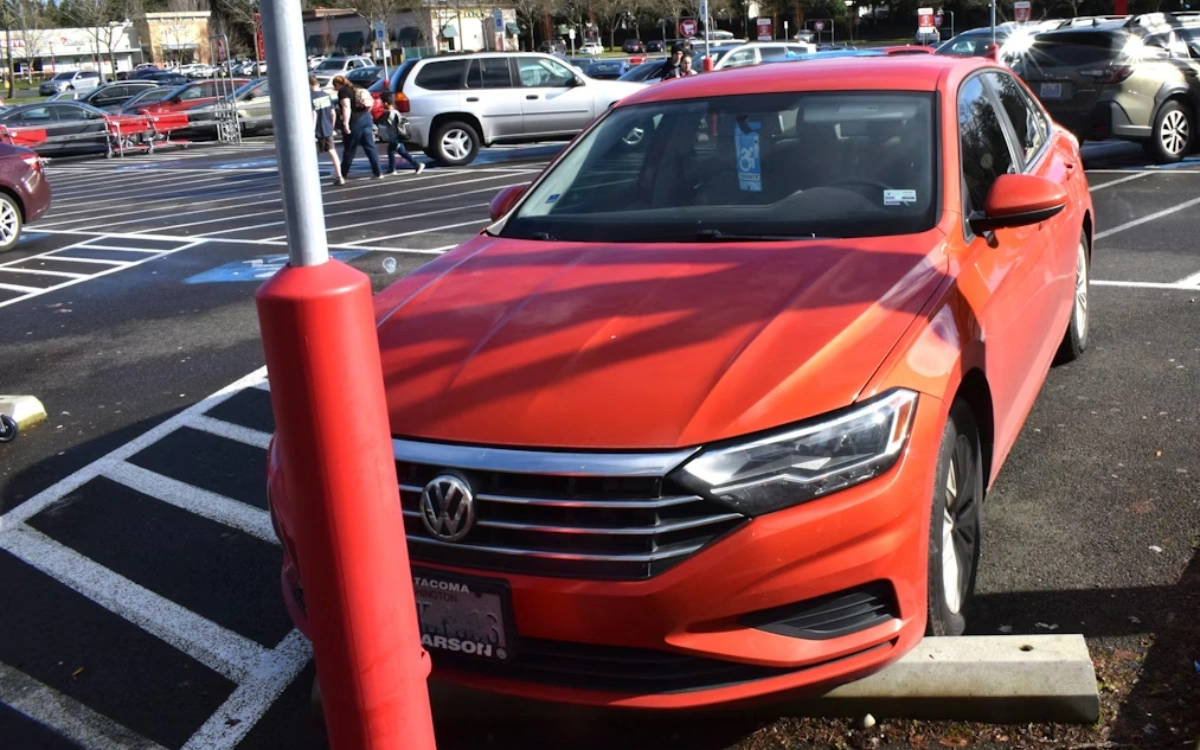
Officers can search for a vehicle based on appearance alone and receive alerts when it moves between jurisdictions.
Flock claims its technology helps solve roughly one million crimes each year nationwide.
More than 80,000 Flock cameras are already deployed across the US, with about 5,000 law enforcement agencies using the platform.
The company’s co-founder has even suggested the technology could someday nearly eliminate crime, a bold claim that has only intensified debate around its rapid expansion.
There’s plenty of pushback against AI cameras
Civil liberties groups are far less enthusiastic about the idea.
Organizations like the ACLU warn that large-scale camera networks create powerful tracking tools with limited transparency or oversight.
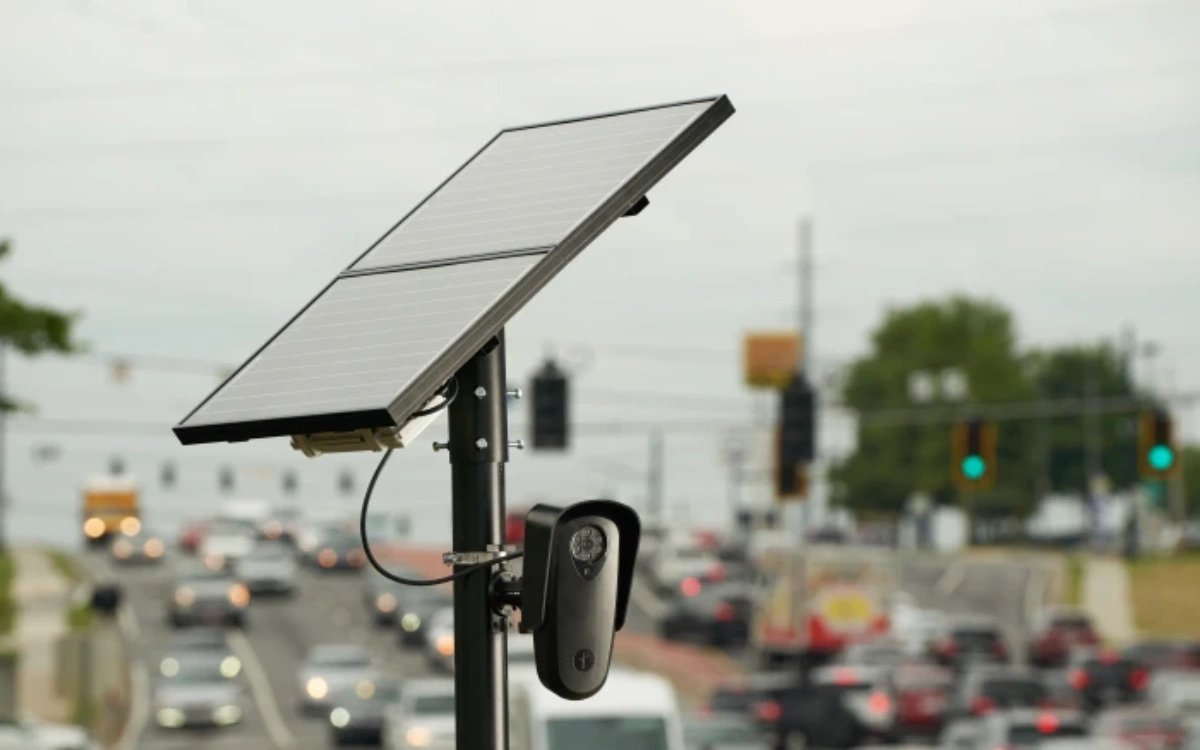
Some citizens have raised alarms about security, pointing out cases where Flock camera feeds were accessible with little protection.
Several cities and states are also pushing back.
Wisconsin and Flagstaff, Arizona have ended similar contracts with Flock Safety.
A Washington State judge ruled footage from such systems was public data, prompting police to shut the cameras down.
Illinois disabled its traffic cameras in 2025 after an audit raised serious safety and access concerns.
However, if you’re living in Dallas, the reality is simple: the cameras are watching, whether you like it or not.
DISCOVER SBX CARS: The global premium car auction platform powered by Supercar Blondie