Florida vehicle expert says there's six rules you should follow to make your car last 300,000 miles
Published on Jan 17, 2026 at 4:17 AM (UTC+4)
by Molly Davidson
Last updated on Jan 13, 2026 at 9:40 PM (UTC+4)
Edited by
Emma Matthews

Cars don’t usually come with an expiry date, but misunderstanding car longevity is why many owners unknowingly shorten their vehicle’s lifespan.
A Florida auto expert says that’s why so many engines tap out far earlier than they should.
After years working behind a parts counter, he’s watched the same preventable failures play out again and again.
And according to Chris from Beachside Auto Parts, getting a car to 300,000 miles comes down to six rules most drivers never hear.
DISCOVER SBX CARS – The global premium auction platform powered by Supercar Blondie
Rule one for car longevity: The classic oil change
Chris is blunt about this first one.
Full synthetic oil isn’t optional anymore, and neither is a quality filter.
Oil creates the thin protective film that keeps metal parts from eating each other alive.
Once heat, moisture, and fuel dilution break that film down, wear accelerates fast.

Short trips, stop-and-go traffic, and hot climates make it worse.
His real-world schedule depends on how the car is used.
If it does lots of short trips, idling, or lives in a hot climate, he recommends oil changes every 3,000-4,000 miles.
For a mix of city and highway driving, around 5,000 miles is the safer mark.
Pushing beyond that just because the oil claims it can last longer, is where engines slowly give up years of their life.
Rule two: Let the engine breathe with a clean air filter
Engines are air pumps.
Starve them, and everything downstream suffers.
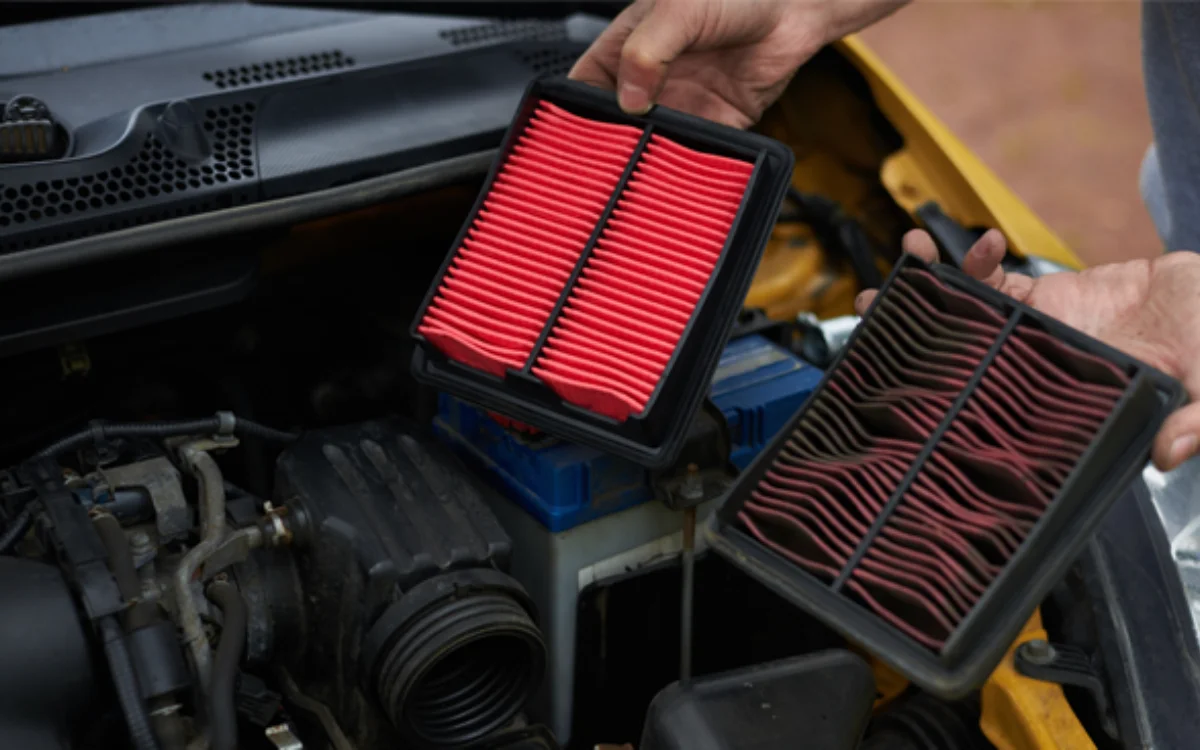
Chris says most people underestimate how quickly air filters clog, especially in hot or dusty areas.
His rule is to replace the engine air filter every second oil change.
Or at every oil change if the car sees a lot of dust, heat, or heavy traffic.
A dirty filter doesn’t just cut power; it alters fuel trims, increases carbon buildup, raises combustion temps, hurts fuel economy, and adds stress where you don’t want it.
Rule three for car longevity: Use Top Tier fuel and don’t run the tank dry
Top-tier fuel contains higher detergent levels than standard gas.
That extra cleaning helps injectors spray properly instead of dumping fuel unevenly into the engine.
Cleaner spray means cooler combustion, fewer misfires, and longer catalytic converter life.
Chris adds never to let the tank drop below a quarter.
Fuel keeps the pump cool and lubricated.
Letting the tank run low means more heat and faster wear.
Rule four: Use the right injector cleaner
Not all additives are created equal, and most don’t actually clean anything.
Chris looks for PEA – polyetheramine – because it dissolves baked-on carbon instead of just slowing buildup.
Dirty injectors lose their spray pattern, creating hot spots, uneven combustion, and creeping damage over time.
Used regularly, proper cleaner keeps fuel delivery consistent and temperatures stable.
Rule five for car longevity: Change transmission fluid before it complains
Transmissions don’t fail suddenly. They warn you, and Chris says you need to be paying more attention.
Fluid breaks down from heat long before shifting feels off.
Chris recommends 50,000-60,000 miles for normal driving, 30,000-40,000 for heavy city use, towing, or delivery work.
By the time slipping or harsh shifts show up, internal damage is already underway.
Rule six: Ignore ‘lifetime’ coolant claims
This is the one Chris pushes back on hardest.
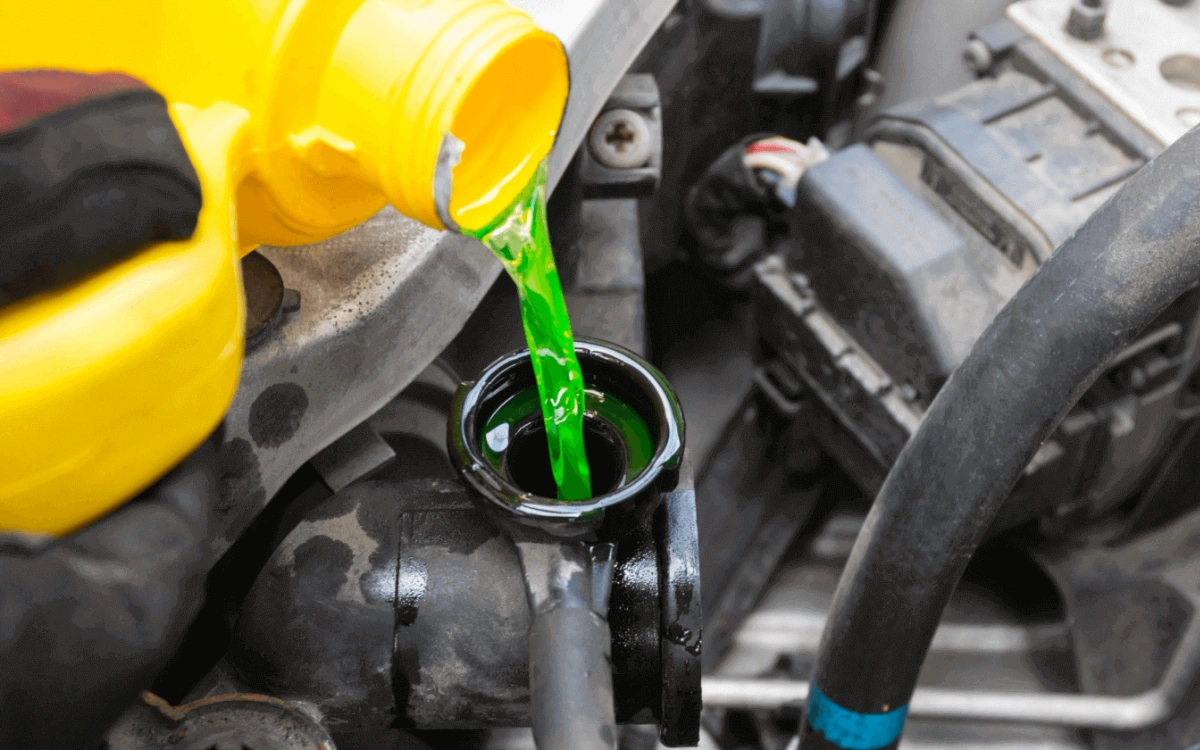
Even when coolant still looks clean, the additives inside it slowly break down over time.
Once that happens, the fluid stops protecting the metal parts inside the cooling system.
As the chemistry changes, corrosion can begin forming inside the radiator and engine, and the coolant becomes worse at carrying heat away.
That makes overheating more likely, especially in hot weather or heavy traffic.
And just one serious overheat can permanently shorten an engine’s life.
That’s why he recommends flushing coolant every three to five years.
Fresh coolant helps control engine temperature, protects aluminum components, and prevents long-term heat damage that quietly kills engines early.
According to someone who sees failed engines every day, these rules are often the difference between a car that dies early and one that keeps going well past 300,000 miles.
Watch the full video here.
DISCOVER SBX CARS: The global premium car auction platform powered by Supercar Blondie
With roles at TEXT Journal, Bowen Street Press, Onya Magazine, and Swine Magazine on her CV, Molly joined Supercar Blondie in June 2025 as a Junior Content Writer. Having experience across copyediting, proofreading, reference checking, and production, she brings accuracy, clarity, and audience focus to her stories spanning automotive, tech, and lifestyle news.