Ford F-150 powers Nashville man’s home for 11 whole days after ice storm knocks out power
Published on Mar 01, 2026 at 12:19 AM (UTC+4)
by Callum Tokody
Last updated on Mar 02, 2026 at 10:08 PM (UTC+4)
Edited by
Amelia Jean Hershman-Jones
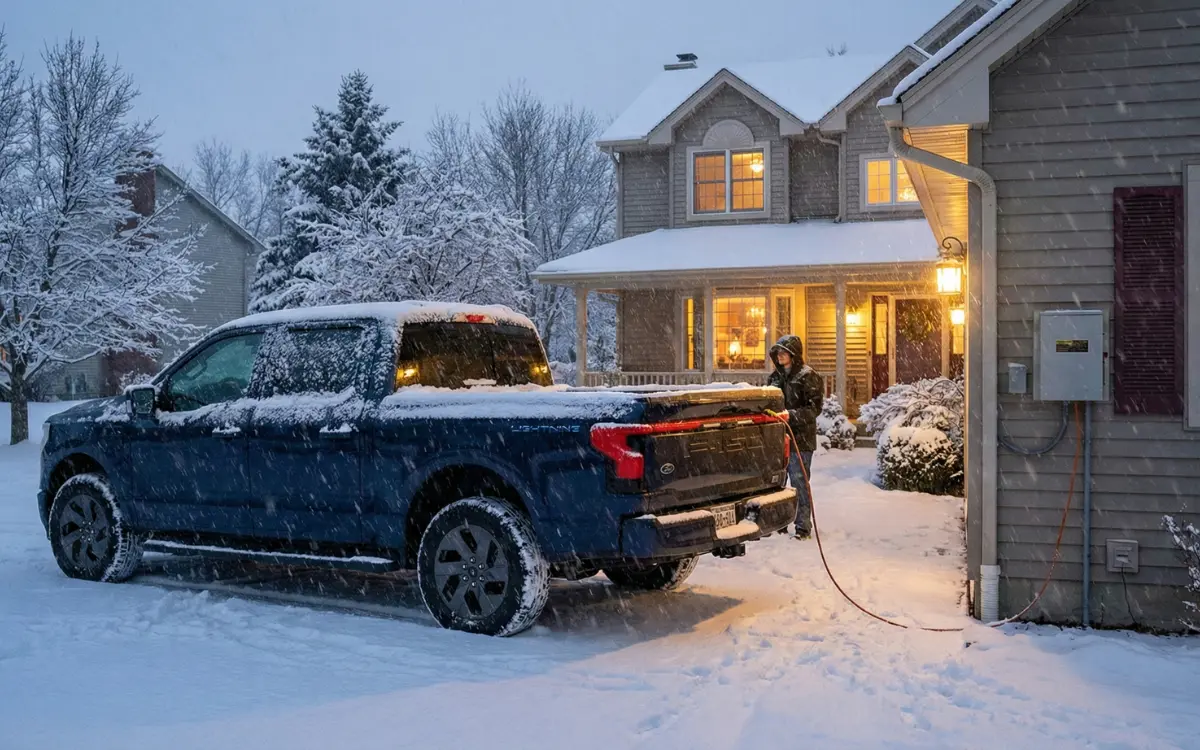

A Nashville home was recently saved by a Ford F-150 after a brutal ice storm triggered a massive power outage that lasted for well over a week.
When the neighborhood went dark, resident Robert Ott decided to test the limits of his truck by plugging his entire life into the bed of the vehicle.
He ran heavy-duty cables across his driveway to keep the lights on and the heaters running while his neighbors sat in the cold.
The results of this 11-day marathon suggest that the most important tool in a disaster might actually be the one sitting in your garage.
VISIT SBX CARS – View live supercar auctions powered by Supercar Blondie
Survival mode in a Ford F-150
The practical application of the truck’s power supply involved running extension cords from the driveway into the main living areas of the home.
Ott used the Ford F-150 to provide electricity for two full-sized refrigerator-freezers and a tankless water heater throughout the ice storm.
These appliances are high-draw units that typically require a dedicated circuit, yet the truck maintained the load without interruption for the duration of the power outage.
Beyond basic food preservation and hot water, the system also powered a space heater and the household internet connection.
This setup allowed the family to remain in their residence rather than seeking external shelter.
The Ford F-150 functioned as a quiet, automated energy source that required very little manual oversight while the Nashville home remained disconnected from the grid.
Fuel consumption remained low throughout the 11 days because the internal combustion engine only operated to charge the onboard battery.
This is a distinct advantage in an ice storm, when local gas stations may be closed or inaccessible due to road conditions.
The Ford F-150 manages its own energy cycles, turning the engine on and off as the electrical demand fluctuates inside the Nashville home.
Ott reported that the vehicle consumed a small fraction of its fuel tank after nearly two weeks of constant use during the power outage.
This level of efficiency is difficult to achieve with a standard gasoline generator, which usually runs at a constant speed regardless of the actual load.
The family remained fully operational until the city eventually repaired the downed lines and restored the local grid.
Reliability is a primary concern when connecting expensive household electronics to a mobile power source during an ice storm.
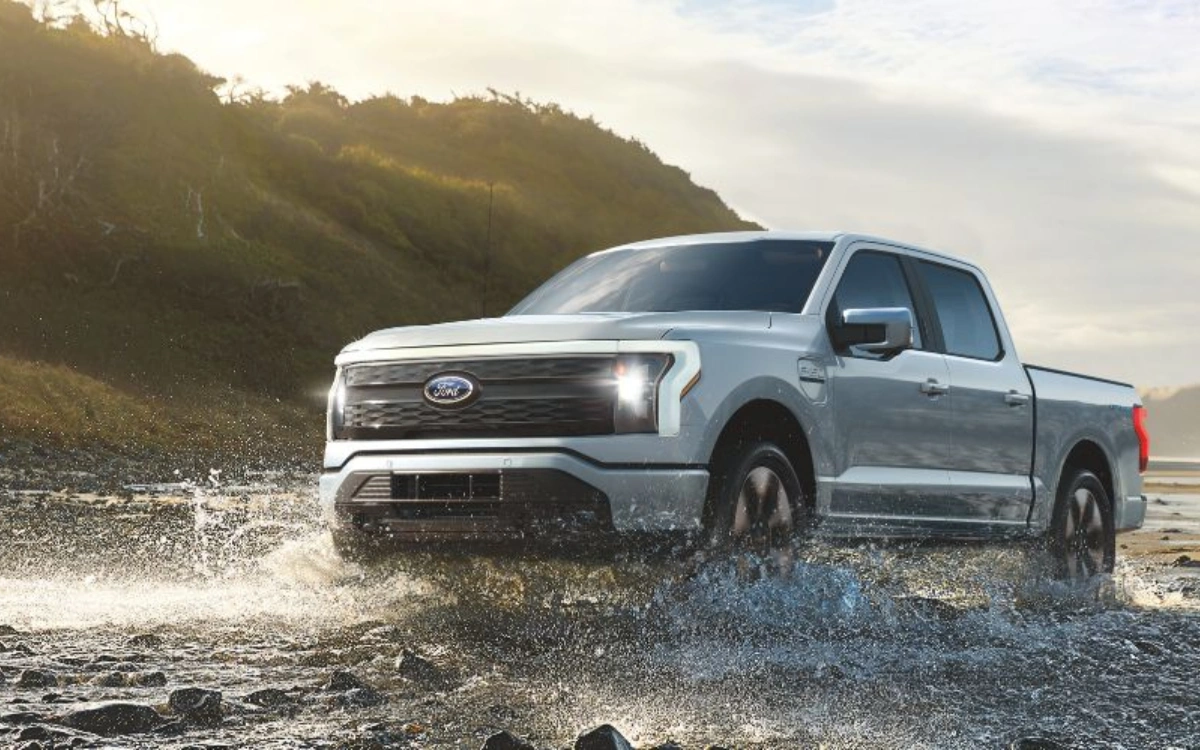
The electricity provided by the Ford F-150 stayed within safe voltage parameters, allowing the family to use computers and televisions without the risk of electrical damage.
Standard generators often produce inconsistent power that can be harmful to sensitive circuitry, but the truck’s inverter system delivered a steady stream of energy.
During the power outage, the vehicle operated quietly in the driveway and avoided the noise and fumes associated with industrial backup equipment.
This case serves as a practical observation of how the Ford F-150 handles a continuous, high-stakes workload in a real-world environment.
It moved the conversation away from theoretical specs and into a demonstration of actual capability for a Nashville home.
A grid failure reality check
The experience in Nashville points toward a changing relationship between homeowners and their vehicles following a major power outage.
As electrical grids face increasing pressure from weather events like an ice storm, the ability to export power is becoming a significant factor in vehicle selection.
Engineers are currently developing ways for a Ford F-150 to integrate directly into a home panel, which would remove the need for individual extension cords.
This would allow the truck to automatically detect a failure and restore power to the entire Nashville home circuit instantly.
Large-scale adoption of this technology could provide a buffer for local utilities during a disaster.
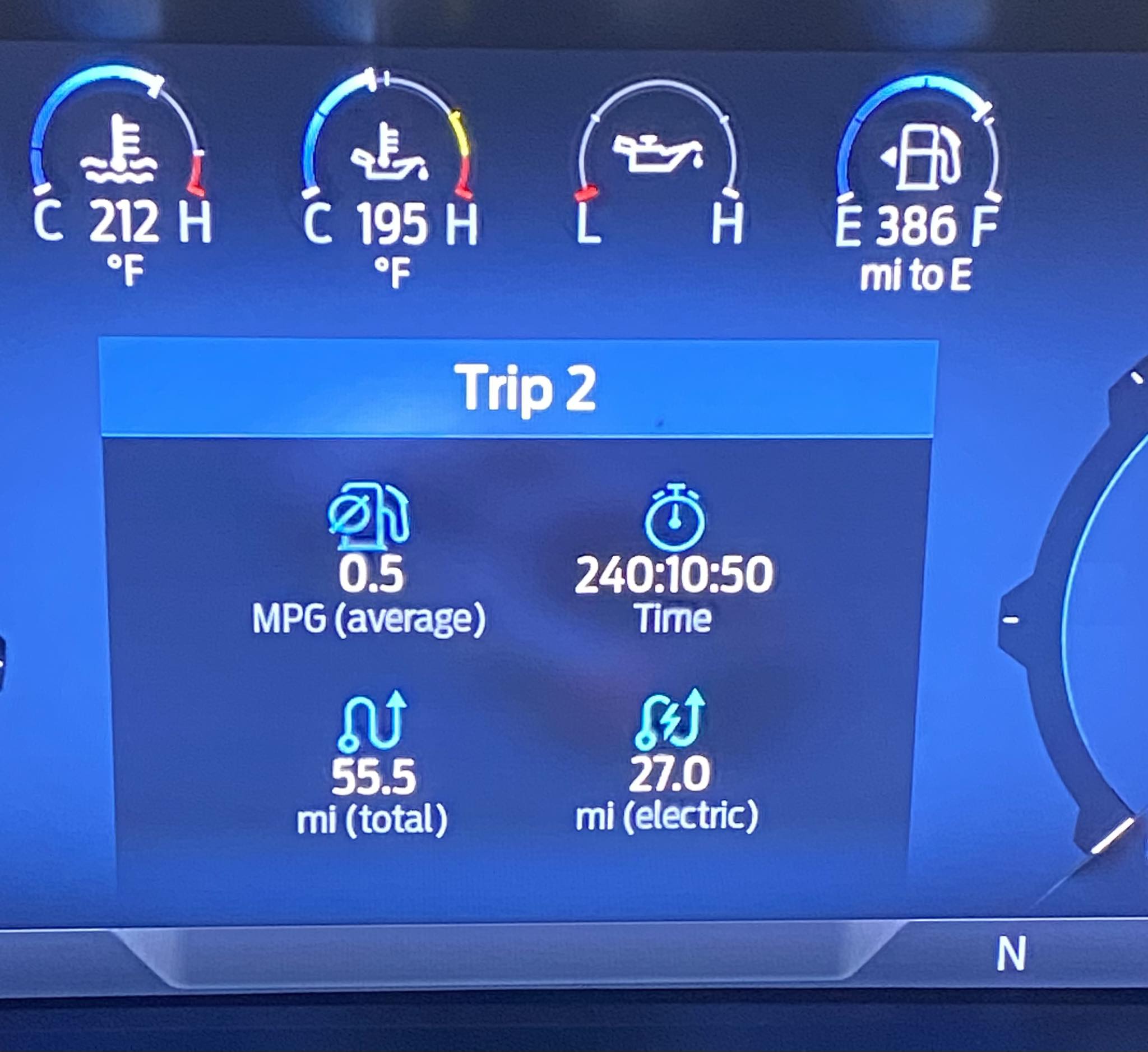
The data from Robert Ott’s 11-day stint offers a clear look at how these systems perform over long periods.
The ability of the Ford F-150 to power a Nashville home for 11 days is a significant milestone for automotive utility.
It demonstrates that the modern pickup truck is evolving into a multipurpose tool that can handle extreme environmental challenges.
As battery technology improves and power outputs increase, the Ford F-150 will become even more integral to home resilience.
Owners can now look at their vehicles as a form of insurance against the unpredictability of the weather and the power grid.
DISCOVER SBX CARS: The global premium car auction platform powered by Supercar Blondie