Formula 1 has announced the 'biggest overhaul of regulations' ever so here's what has changed for 2026
Published on Jan 01, 2026 at 5:07 AM (UTC+4)
by Jason Fan
Last updated on Dec 22, 2025 at 2:20 PM (UTC+4)
Edited by
Jason Fan

The upcoming Formula 1 2026 changes are set to completely rewrite the rulebook, and they might just reshape the sport as we know it.
For the first time in years, both the cars and the engines are being redesigned at the same time.
That rare double reset promises closer racing, new team hierarchies, and plenty of surprises up and down the grid.
If you’re an F1 fan, 2026 is going to feel really different.
SBX CARS – View live supercar auctions powered by Supercar Blondie
Lighter and smarter cars are the name of the game
At the heart of the overhaul are smaller, lighter, and more agile cars.
The new chassis rules shorten the wheelbase, narrow the cars, and trim weight by 30 kg (66lbs), making them more responsive through corners and easier to race wheel-to-wheel.
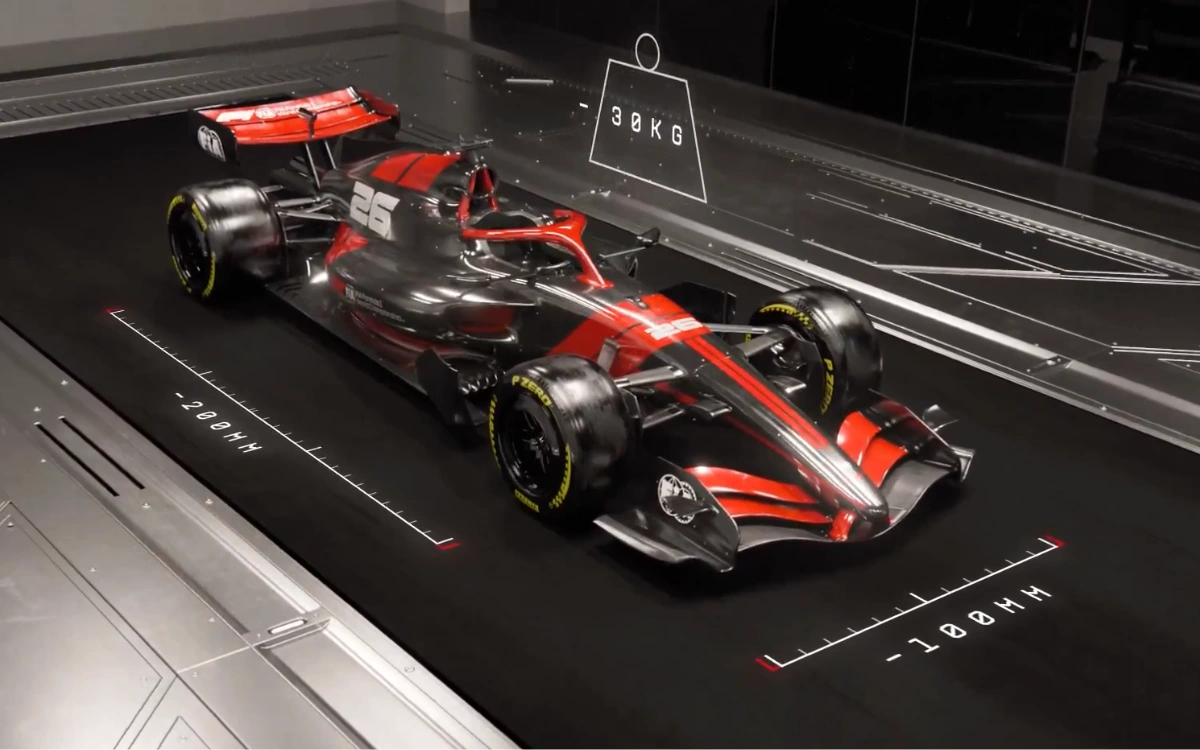
Downforce has been reduced by up to 30 percent thanks to the removal of some ground-effect tunnels, while drag is slashed by as much as 40 percent.
That combination is designed to let cars follow each other more closely without losing grip, addressing one of F1’s longest-running complaints.
F1 legend Max Verstappen will probably be pleased, given that he’s been pushing for the cars to be smaller and lighter, just like the ones back in 2010.
After all, modern F1 cars have gotten quite a bit bigger than their predecessors.
Aerodynamics are also getting smarter.
The traditional Drag Reduction System (DRS) is being scrapped and replaced by fully active front and rear wings.

These movable aero elements allow cars to switch between high-downforce ‘corner mode’ and low-drag ‘straight mode’, giving drivers more control over how and where they attack.
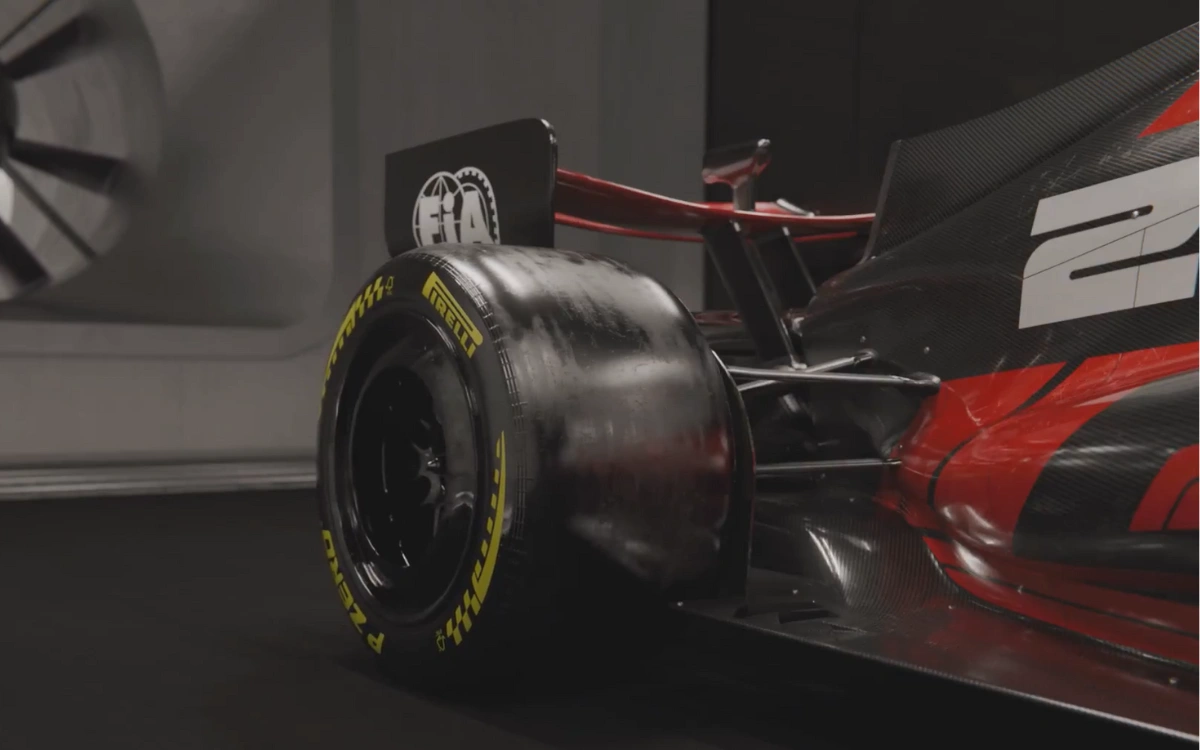
Narrower tires will also reduce drag and weight, helping keep racing tight and speeds high.
The power units are undergoing an equally dramatic transformation.
For the first time, F1 will move to an approximately 50/50 split between internal combustion power and electric energy.
The complex MGU-H system is gone, while the MGU-K becomes far more powerful, boosting electric output from 120kW to a hefty 350kW.
All of this will run on advanced sustainable fuel, supporting F1’s goal of becoming net-zero carbon by 2030 without sacrificing performance.
Major Formula 1 changes usually only happen every decade
Perhaps the biggest shift is how much control drivers now have.
New concepts like Overtake Mode, Boost Mode, Active Aero, and Recharge put energy management directly in the driver’s hands.
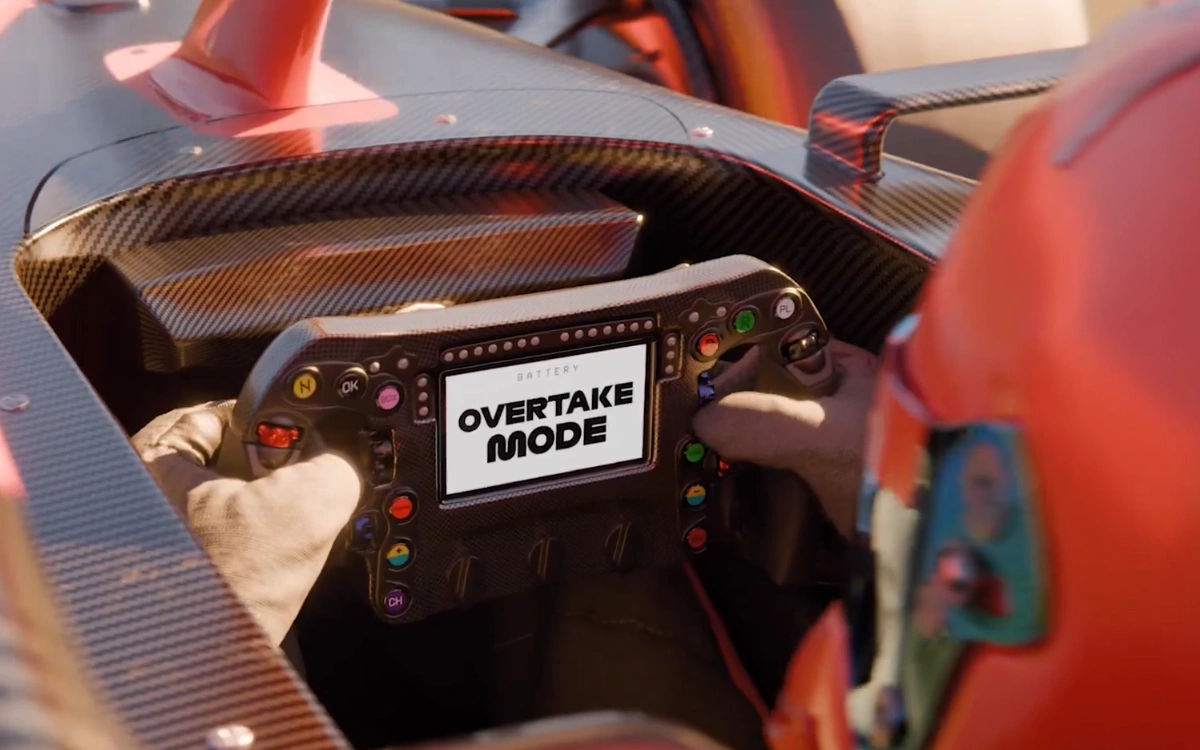
Timing these tools correctly could be the difference between winning and losing, adding a deeper tactical layer to racing.
Major regulation changes like this usually happen once every decade, with the last big reset arriving in 2022.
It seems like Formula 1 believes that 2026 is the right moment to reset again.
With pre-season testing starting in January, and the season opener in Australia in March, the countdown to F1’s boldest era yet has officially begun.
Major F1 regulation changes
1950: The first F1 World Championship launched, with front-engine cars and minimal safety rules
1966: A major engine capacity overhaul was introduced, with engines jumping to 3.0-liter naturally aspirated, or 1.5-liter turbocharged units
1983: Flat floors were mandated to slow cars down and reduce risk, marking one of F1’s biggest safety-driven regulation shifts
1989: Turbo engines were banned, and F1 returned to naturally aspirated engines to control speeds and costs
1994: Following the deaths of Ayrton Senna and Roland Ratzenberger, sweeping safety changes were introduced, including lower speeds, redesigned circuits, and improved crash protection
2014: The hybrid power era began, with F1 switching to 1.6-liter turbo-hybrid V6 engines
2022: A new generation of cars was designed to follow more closely using underfloor aerodynamics, aiming to improve wheel-to-wheel racing
2026: The Formula 1 2026 changes brought new rules to both the chassis and power units marking the sport’s biggest reset in decades
DISCOVER SBX CARS: The global premium car auction platform powered by Supercar Blondie