Georgia man shares stunning savings he's made after driving 58,000 miles in a Ford F-150 Lightning compared to a gas car
Published on Nov 25, 2026 at 5:17 AM (UTC-5)
by Alessandro Renesis
Last updated on Nov 25, 2026 at 5:17 AM (UTC-5)
Edited by
Mason Jones
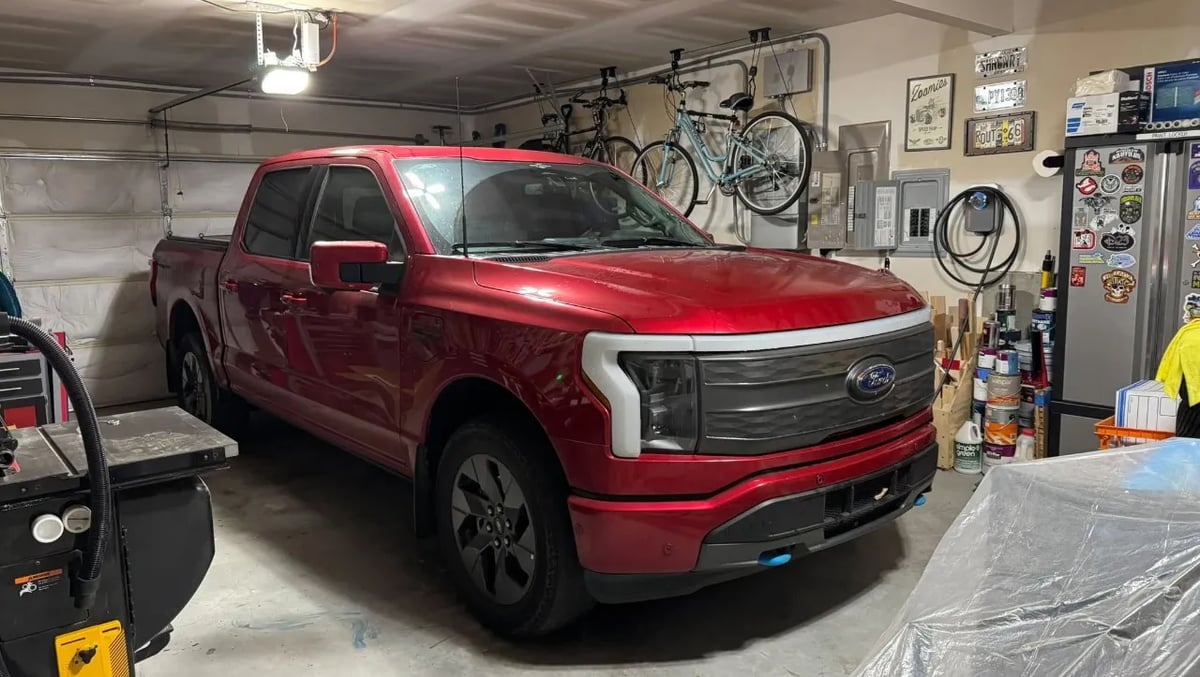

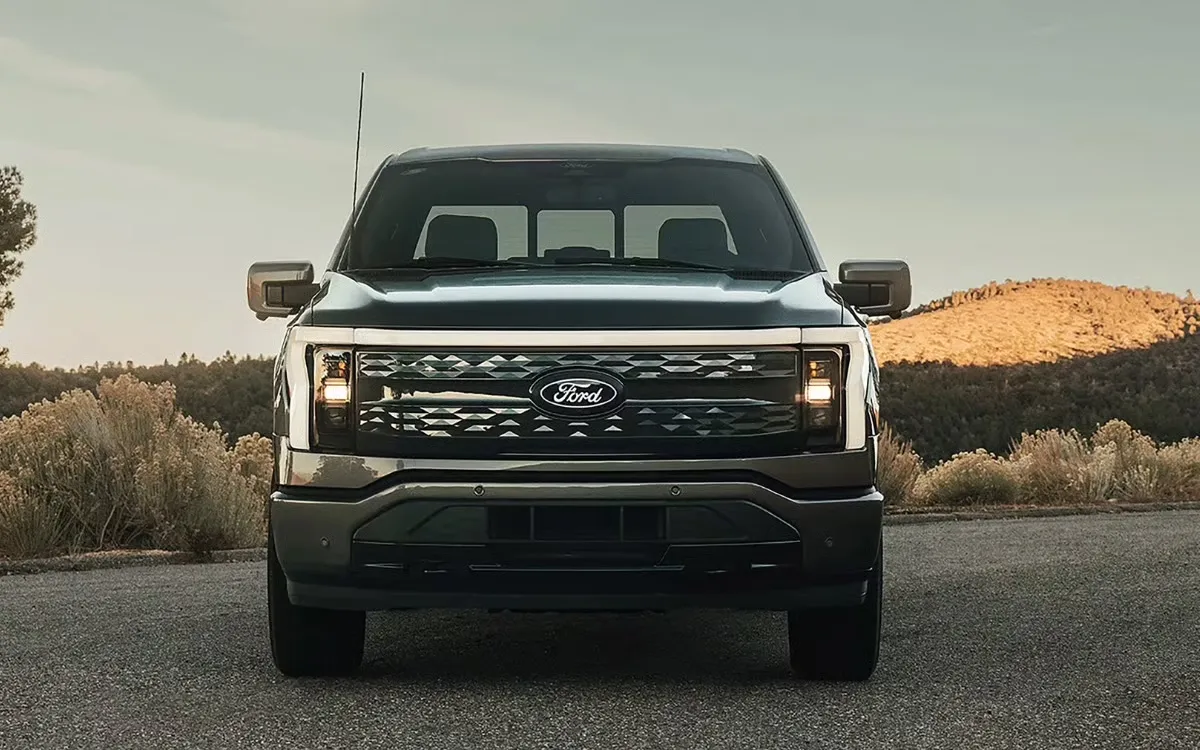
After three and a half years and 58,000 miles, this guy shared how much he’s saved running a Ford F-150 Lightning in Georgia.
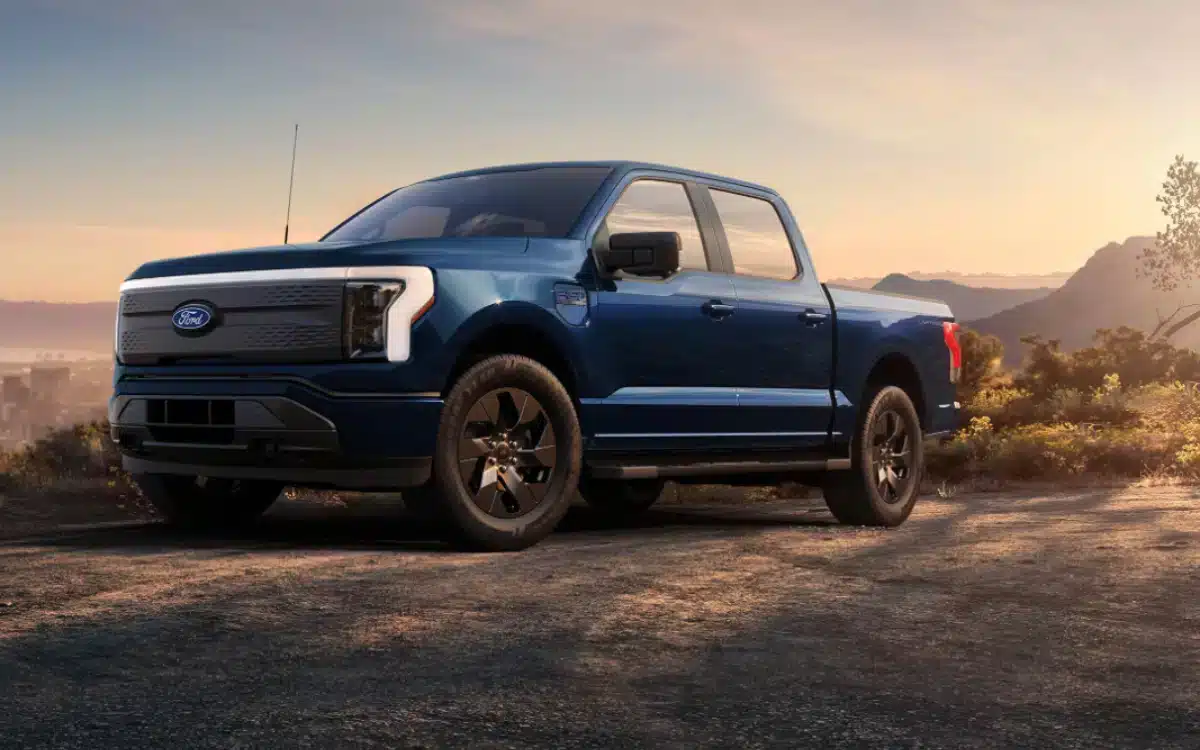
Launched in 2022, the F-150 Lightning was exactly the same as the regular F-150, but it was electric.
While the savings were tremendous, there’s a major caveat to this.
And it’s probably what killed the truck in the first place.
This is how much he’s saved
The owner estimated that an equivalent gas F-150 over 58,000 miles would have consumed roughly 2,600 gallons of gasoline (about 22.3mpg) and nine gallons of motor oil.
And we have to remember that fuel is quite cheap in Georgia, so an equivalent mileage in another state would’ve saved even more.
On top of that, he also factored in other maintenance costs like oil filters, which you don’t get with an EV.
After doing the math, he realized he’d saved $4,750 compared with running an equivalent gas-powered F-150.
That works out to roughly 8.2 cents saved per mile – and over 90 percent of the gain comes straight from charging instead of filling up at the pump.
He wrote: “It has saved me a net $4,750 — electricity cost me $4,400 less than gas, plus $250 in motor oil and $90 in oil filters that I didn’t have to buy.
“It avoided a net 4 tons of CO2 emissions to date (savings to date of 16.5 tons, less 12.5 tons from manufacturing the batteries), and can be expected to save a total of 30 to 45 tons of CO2 over its useful life.”
But this is where we need to talk about the caveats.
It all depends on where you charge your Ford F-150 Lightning
Plugging in overnight at home keeps per-mile energy costs low.
By contrast, frequent public DC fast charging will narrow that gap, even in Georgia, where electricity is relatively cheap.
Also, even without oil changes or spark plugs, EV trucks still need tire rotations, new cabin air filters, coolant checks, and periodic brake inspections.
The silver lining is that drivers who rely heavily on one-pedal driving use regenerative braking for most everyday slowdowns, extending friction brake life well into high mileage.
The out-of-warranty battery question
Whenever an EV owner shares a similar post, people always ask: what happens when the battery pack dies?
Ford covers the F-150 Lightning’s high-voltage battery under an eight-year/100,000-mile warranty.
After that, real-world costs go up.
A brand-new battery pack can easily cost practically the same as buying a new truck ($35,000-$45,000).
We don’t have to be Archimedes to work out that that’s incredibly expensive.
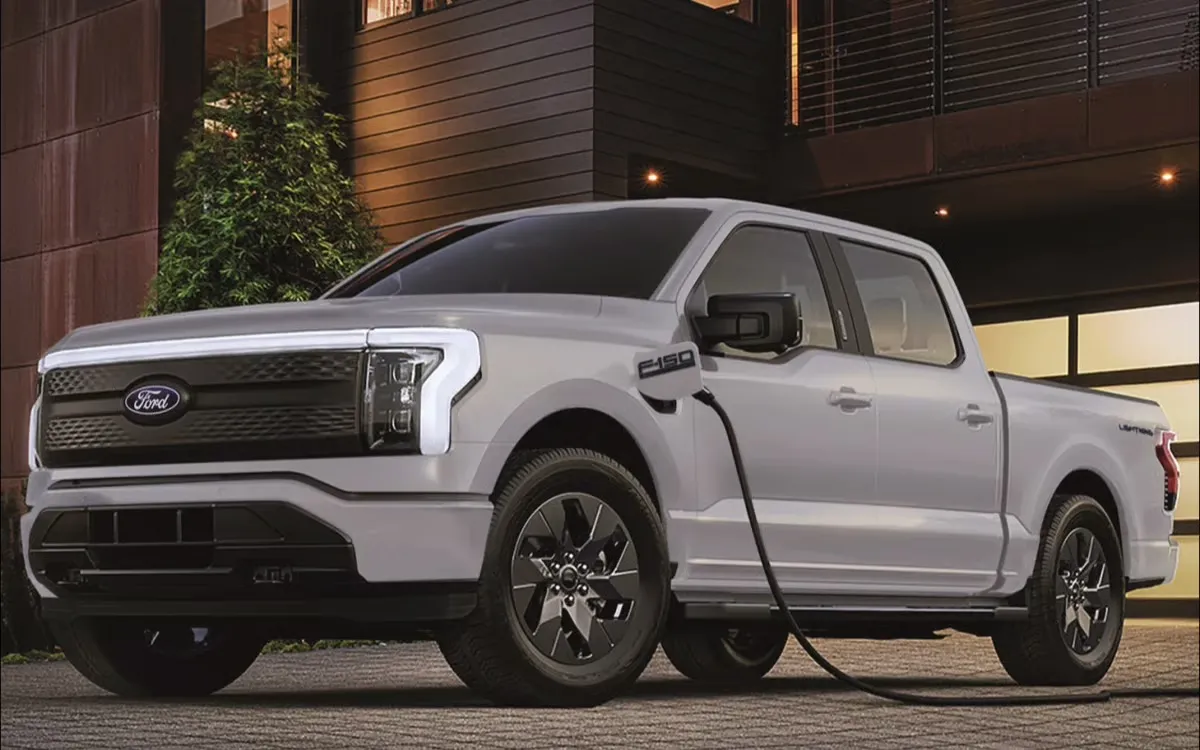
The real catch is the upfront MSRP of the Ford F-150 Lightning
People are talking about the Cybertruck only ‘lasting’ three or four years (assuming it’ll get discontinued, as announced, in 2027), but the F-150 Lightning had an even shorter lifespan.
Launched in 2022, it was retired in 2025.
At the time of writing, you need around $40,000 to buy an entry-level F-150.
By contrast, a 2025 F-150 Lightning would’ve cost you around $49,500.
Even if you assume saving 8.2 cents per mile, overcoming a $9,500 purchase price premium takes roughly 115,000 miles of driving just to break even.
It is true that some buyers used the old federal tax credit ($7,500), but it is also true that the price gap has been even wider at various points during the F-150 Lightning’s three-year career.
Ford itself admitted that the F-150 Lightning idea didn’t go as planned, and the CEO Jim Farley acknowledged that charging it was ‘pretty challenging‘.
Ultimately, the F-150 is the best-selling vehicle in the US – year in, year out – because it has a low MSRP and it has a V6/V8, and the electric version had neither of those things.
The best of Supercar Blondie, every Sunday
The week's best car stories, straight to your inbox. Free.
Alessandro is an automotive journalist with 10 years of experience covering supercars, automotive history, emerging vehicle technology, and luxury transportation. He wrote the first article published on SupercarBlondie.com when the website launched in 2022 and has since built a reputation for insightful reporting across the automotive and transportation industries. His expertise is grounded in hands-on experience. Alessandro has driven every Tesla model ever produced, from the original Roadster to the Cybertruck, and regularly covers the latest developments in electric vehicles and automotive innovation. His passion for transportation extends beyond cars, he has even flown a Boeing 787 Dreamliner simulator in Addis Ababa, Ethiopia. His reporting spans everything from classic American muscle cars and rare automotive discoveries to luxury yachts, private aircraft, high-end watches, and cutting-edge vehicle technology. Known for his deep knowledge of automotive history and ability to uncover the stories behind iconic vehicles, Alessandro brings readers a blend of historical context, technical expertise, and first-hand experience.