YouTuber builds a GPS-triggered invisibility cloak designed specifically to hide vehicles from AI-powered Flock surveillance cameras
Published on Oct 10, 2026 at 12:00 PM (UTC-4)
by Ben Thompson
Last updated on Oct 10, 2026 at 12:00 PM (UTC-4)
Edited by
Mason Jones


This YouTuber created a GPS-triggered invisibility cloak designed to keep vehicles hidden from AI-powered Flock surveillance cameras.
Flock cameras have been quickly growing in number over the last few years.
These automated AI-powered license plate readers have proved to be controversial among American drivers.
So that’s why one YouTuber came up with what he saw as a solution.
Why Flock surveillance cameras have proven to be controversial
For many years now, drivers have grown accustomed to the sight of cameras lined up alongside our roads.
More often than not, these were traffic cameras, keeping a watchful lens over drivers going faster than they should have been.
And now AI is in the equation, the cameras are more advanced than ever.
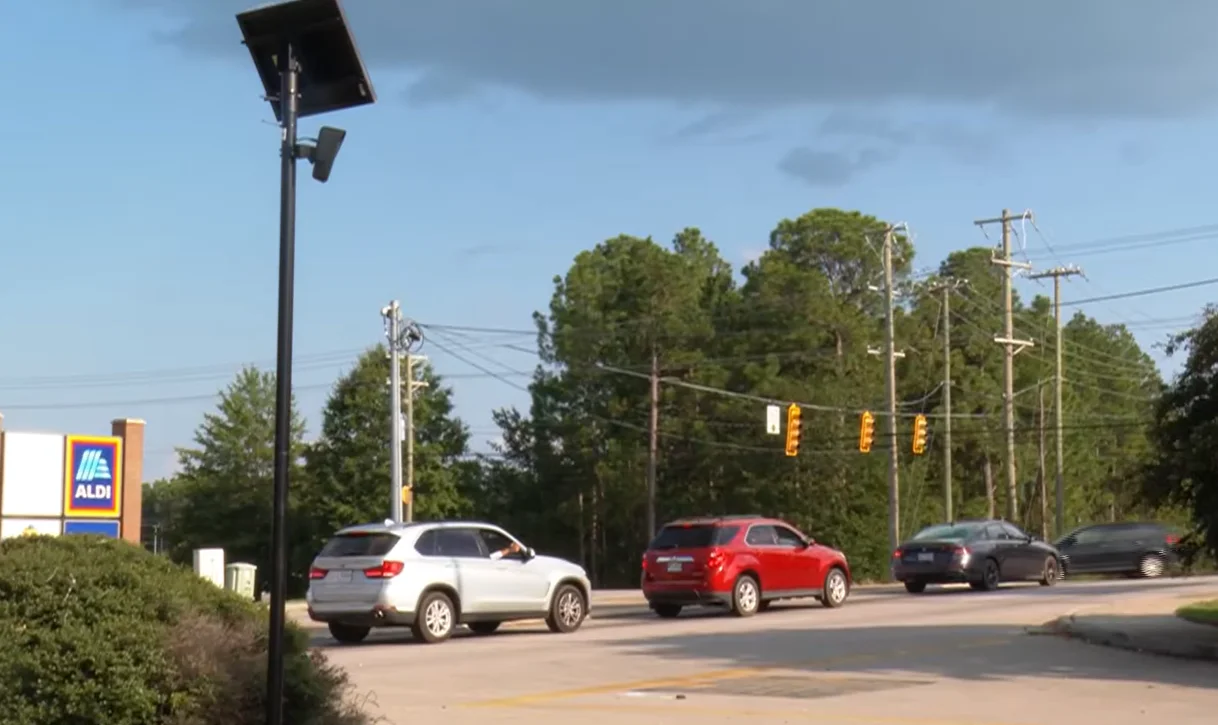
And it’s not just in the US either – one traffic camera in Greece issued 1,000 tickets in the span of four days.
AI traffic cameras are also being used in countries from Vietnam and India to Germany and Australia, CarScoops reported.
With Flock cameras now on the scene, things have gone up another level.
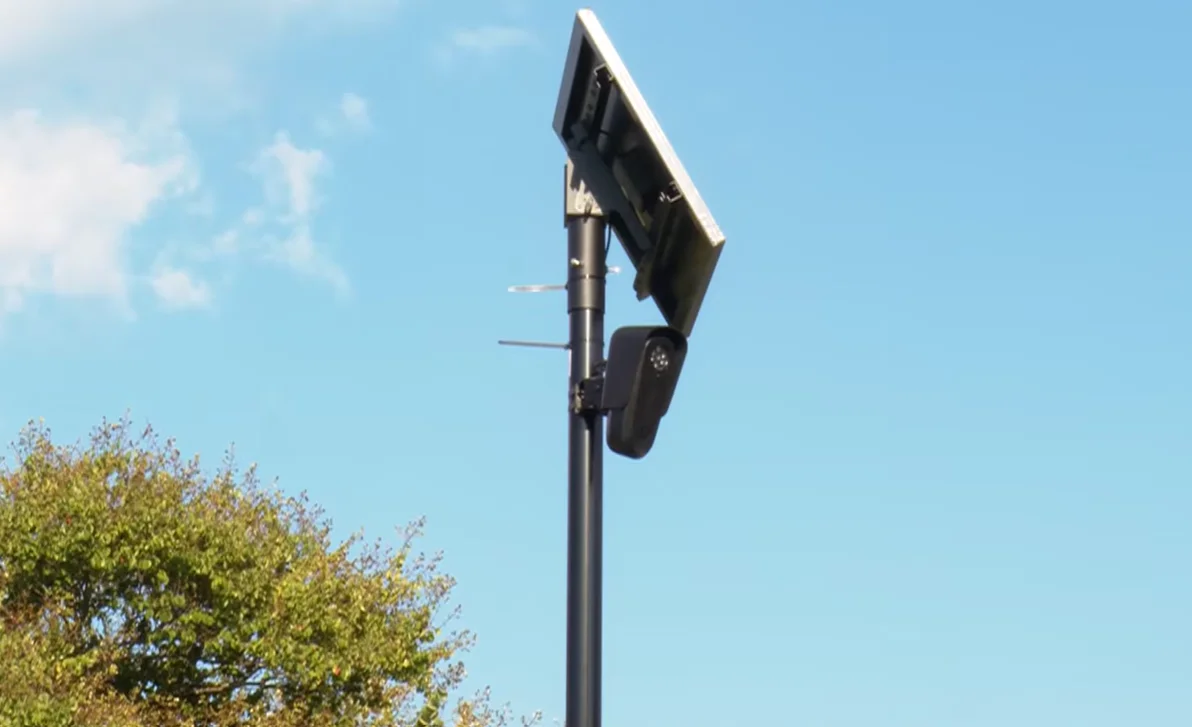
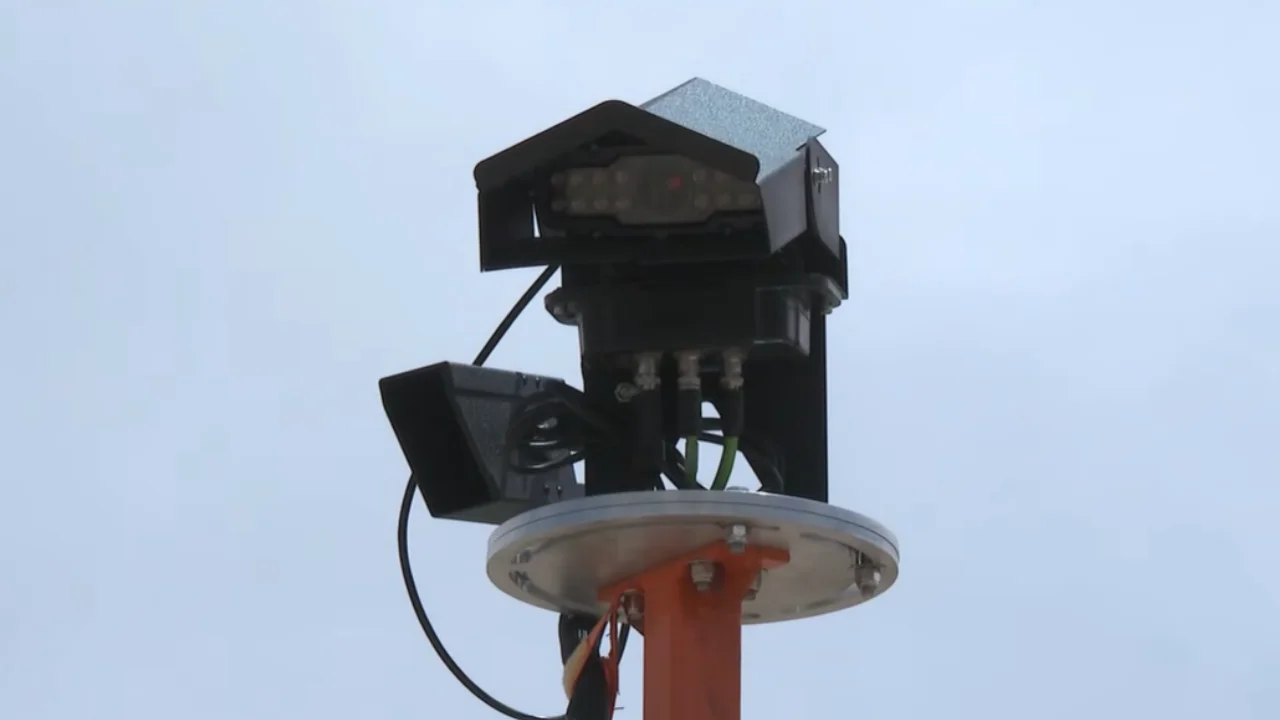
Developed by Flock Safety, these cameras line street lights across many American streets.
Unlike traditional security cameras that record for manual review, Flock surveillance cameras log every passing vehicle.
As you might imagine, this has sparked a lot of debate about privacy, with organizations like the American Civil Liberties Union (ACLU) and Electronic Frontier Foundation (EFF) opposing them.
In response, one prominent writer argued that ‘the hysteria over Flock cameras is the very definition of a moral panic’.
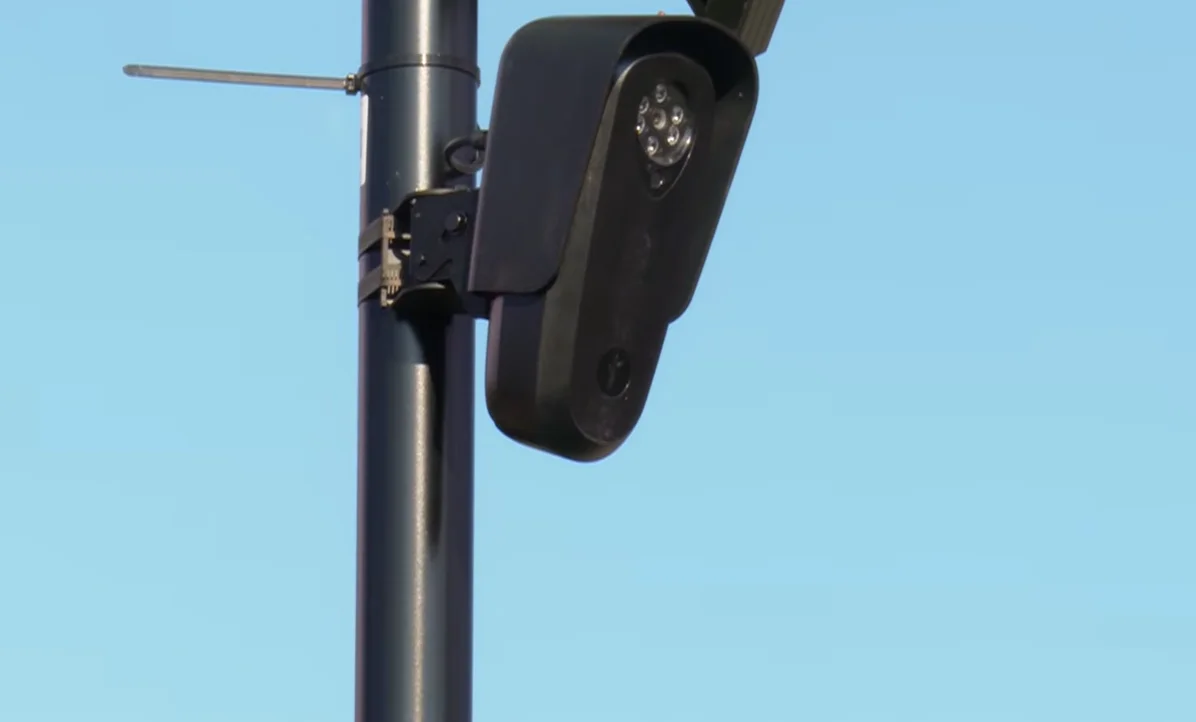
Regardless of how people feel about them, they’re everywhere.
But one YouTuber wanted to do something about it.
Related
How this YouTuber found a loophole to stop Flock surveillance cameras tracking him
YouTube channel Studio Hotrods had no issue in outlining their opposition to Flock cameras.
“It really kind of ticks me off the fact that I got to build devices like this so I’m not getting my privacy invaded,” the host said.
But how was he going to work around it?
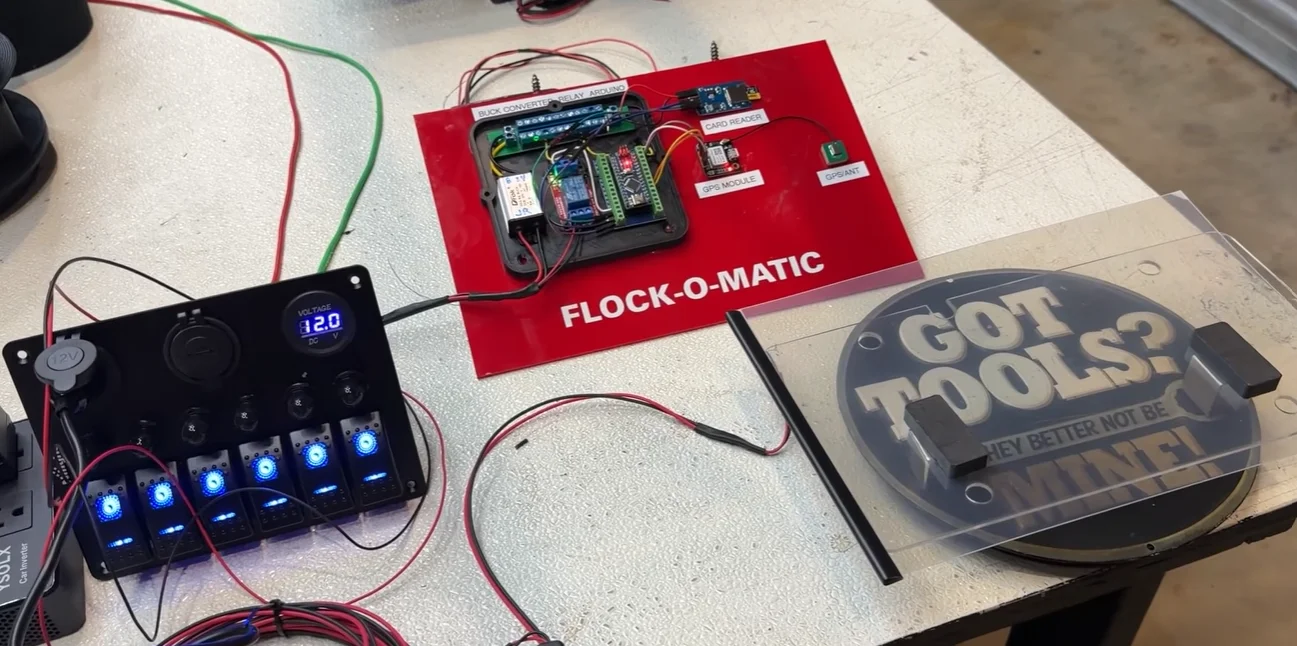
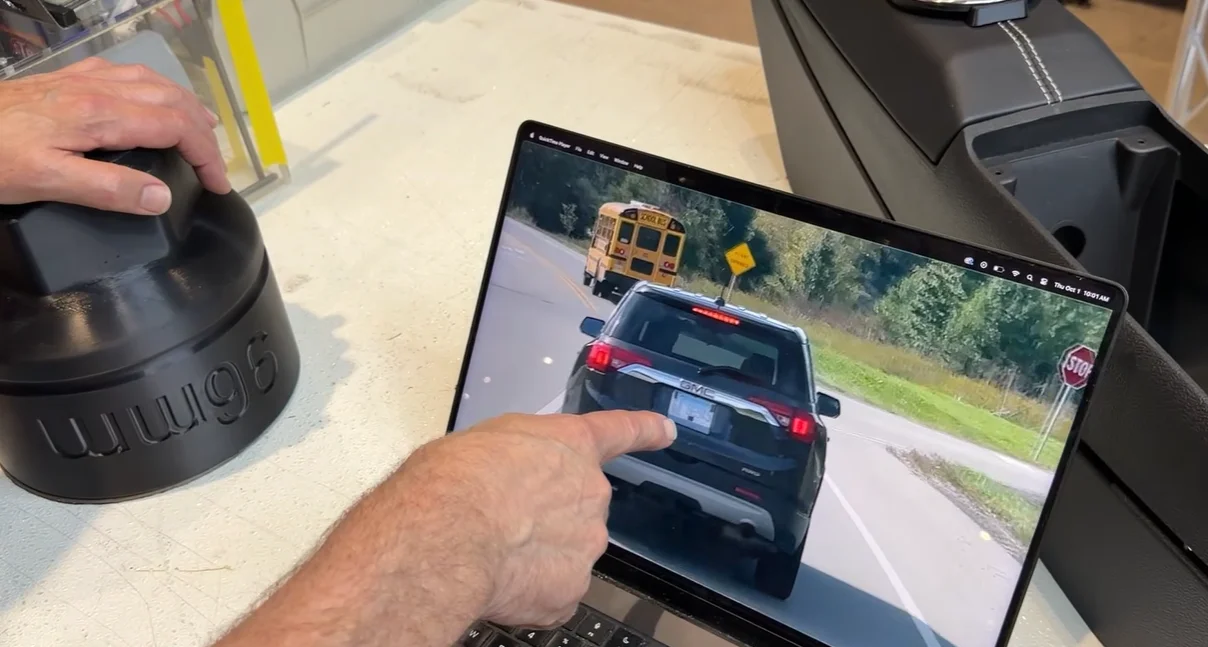
The device in question was built using standard Arduino hardware, a GPS module, a relay, a buck converter, and a custom SD card containing Flock camera locations.
This device then powers a thin-film liquid-transistor license plate cover which normally appears transparent.
When the car enters a zone in which a Flock camera is operating, the system cuts power for half a second, turning the film over the license plate opaque.
This leaves the license plate hidden when it passes by the cameras.
Testing the device against real road networks
Taking the device out for a test-run, it was noted to be a fairly solid success, clouding over as the car passed by a Flock camera.
The timing needed some fine-tuning, but the creator was otherwise pretty happy with it.

“The good news is the idea, the proof of concept worked for sure. Timing. How long does it have to be off? Where does it actually fire? Where does it actually go? I got to figure that stuff out as you move along,” he concluded.
“But the proof of concept 100% worked. Ain’t that cool?”
The video’s comments section was filled with people applauding his efforts, while urging others to issue complaints with their local councils about the use of Flock cameras.
This doesn’t look like a debate that’s going anywhere any time soon.
“I think technology is moving faster than our litigators,” the host told Supercar Blondie.
“We’ve got this exponential growth of technology and resources that’s moving so fast, it’s like the Wild West.
“I think people need to understand their digital rights.”
On whether or not his creation would be illegal, he said that the law hasn’t caught up yet to land firmly on one side.
“I don’t think that a lot of this area is really clear, there’s a lot of room for interpretation,” he said.
“I tried to make the device so it would be legal for use on the street.
“My intention is never that it would go off near a speed camera or a tolling booth.
“When a police officer pulls up behind you, you can always see and have access to the information that any human should be able to see.
“It’s only the [Flock] cameras that wouldn’t be able to see the license plate. It’s made to impede a camera’s vision.”
Ben joined Supercar Blondie in February 2025 after being published by international organizations including LADbible, The Sun, the New York Post, and the Daily Mail. He covers supercars, rare and collectible vehicles, aviation, luxury assets, and the fascinating people behind them. His reporting has explored everything from seven-figure supercars and historic Ferrari collections to unusual aircraft adventures and extraordinary automotive discoveries from around the world. Ben has also gained first-hand insight into vehicle craftsmanship and customization, including visiting specialist workshops to see bespoke vehicles up close.