California puts AI in charge of nine traffic lights to try and save $200M in costs
Published on May 13, 2026 at 10:06 PM (UTC-4)
by Daisy Edwards
Last updated on May 22, 2026 at 4:38 AM (UTC-4)
Edited by
Mason Jones
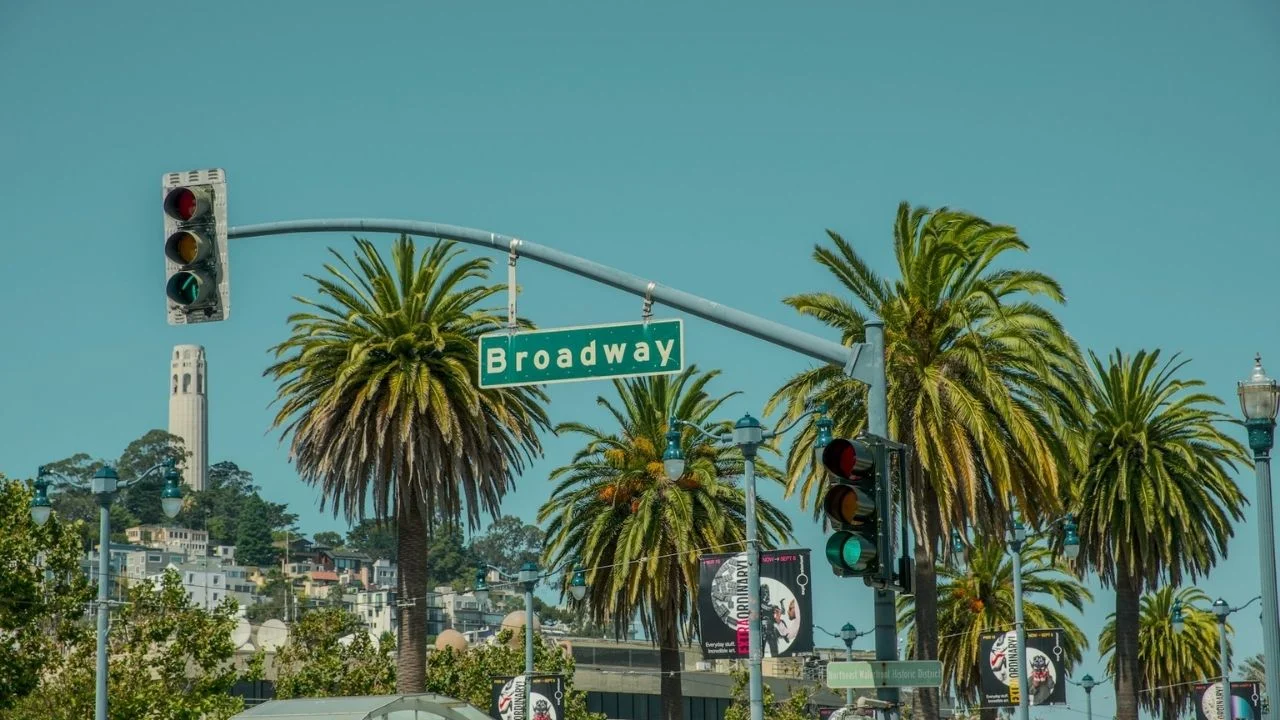

California is officially letting AI take over traffic lights and the state is hoping it could end up saving a huge $200 million in the process.
Drivers traveling along a busy stretch of Highway 68 in Monterey County are now being guided by nine AI-controlled traffic signals that can change in real time depending on traffic conditions.
Officials believe the technology could dramatically improve congestion without needing expensive new road infrastructure.
The futuristic system has only just gone live, but it’s already being treated as a major test for how artificial intelligence could reshape everyday commuting.
How California and its AI traffic lights are trying to reduce congestion
The new tech setup is part of a five-year pilot program along a nine-mile section of Highway 68 between San Benancio Road and Josselyn Canyon Road.
Instead of using fixed traffic light timers, the AI-powered system monitors traffic using cameras and sensors before robotically adjusting green lights to keep vehicles moving more smoothly.
Officials say the artificial intelligence can even detect groups of approaching vehicles and coordinate nearby intersections to reduce unnecessary stopping.
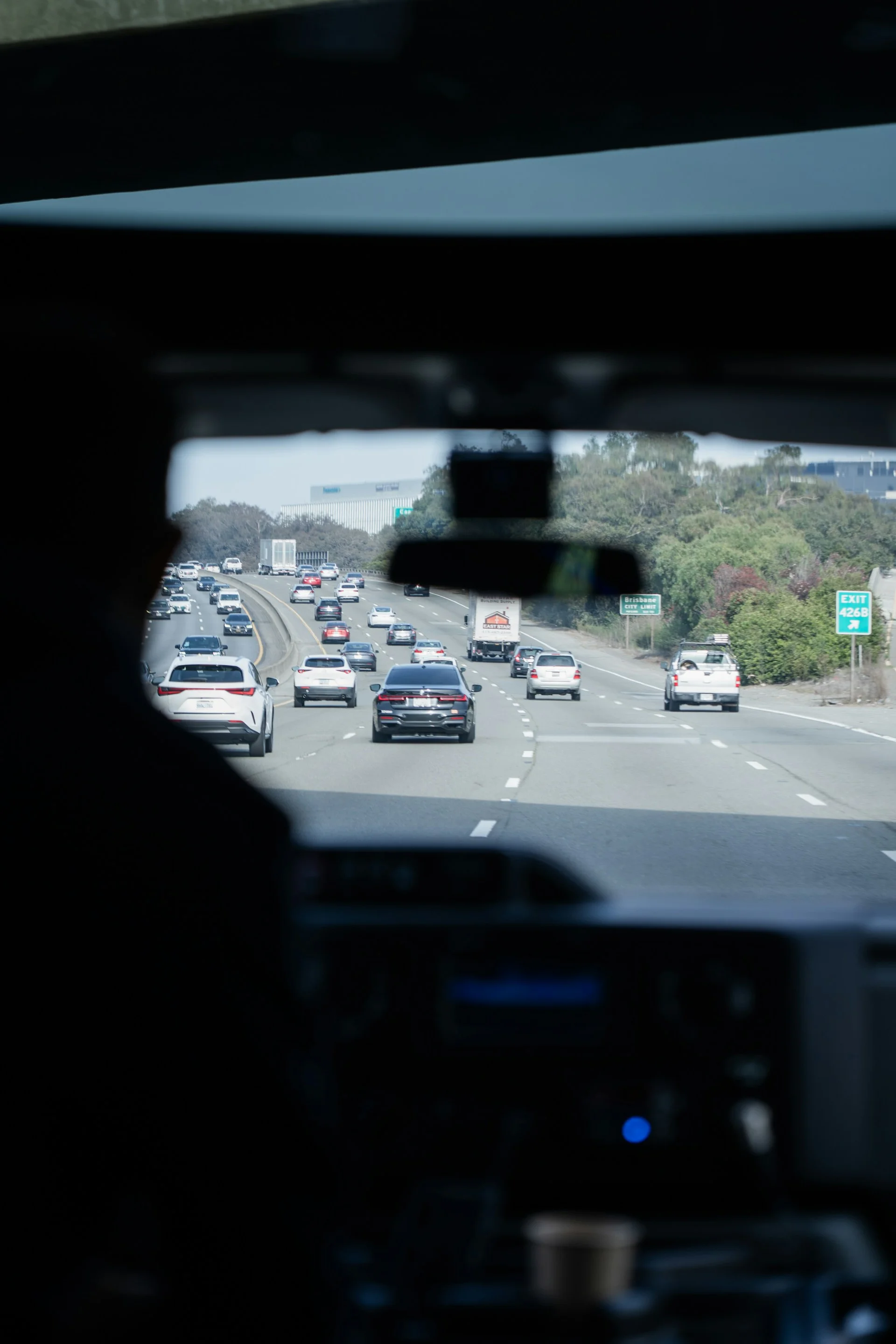
The technology was introduced because the area suffers from serious congestion, especially during busy tourist periods and major events near Monterey.
Before the pilot was approved, transportation officials had been considering building multiple roundabouts throughout the corridor.
But those proposals had a staggering estimated cost of more than $200 million and faced heavy opposition from residents.
Related

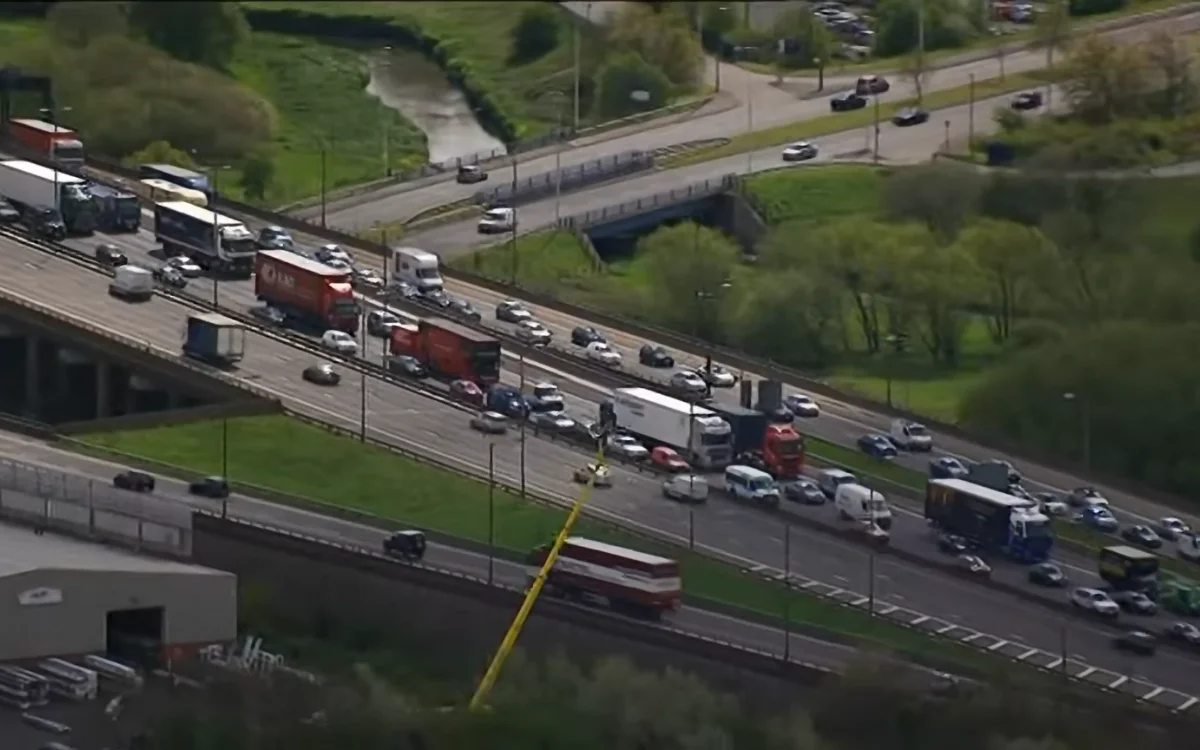
The new system could save $200 million
The traffic project reportedly costs only around $1.2 million, making it dramatically cheaper than rebuilding the intersections with roundabouts.
One local official even said spending around a million dollars to test AI was worth it if it could avoid hundreds of millions in construction costs later on.
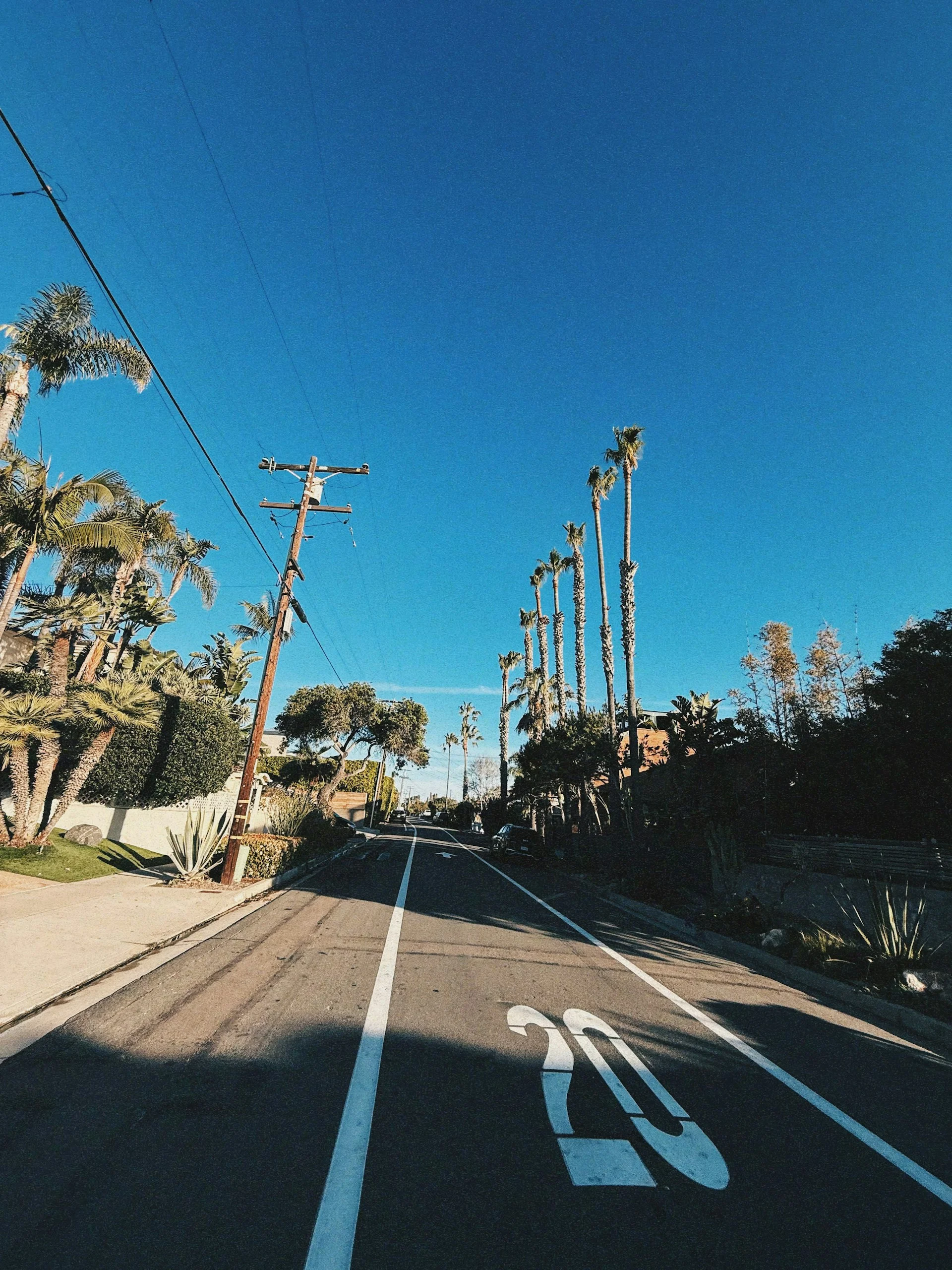
Drivers in the area also seem surprisingly open to the experiment, with several locals telling reporters they were happy to give the new futuristic system a chance if it helps reduce traffic jams.
California officials will now spend years monitoring how well the AI performs before deciding whether the technology could replace larger road expansion projects permanently.
Daisy is a technology and automotive journalist covering artificial intelligence, consumer tech, Apple news, cryptocurrency, emerging technologies, and transportation innovation. Since joining the team in 2025, she has reported on everything from AI-powered startups and major iOS updates to viral car stories and the latest developments shaping transportation and the digital economy. Drawing on her background in automotive journalism and a degree in History and Journalism from Goldsmiths, University of London, Daisy specializes in breaking down complex topics into clear, engaging reporting for a global audience. Her work spans cutting-edge technology, innovative vehicles, and the people driving change across both industries. Daisy has gained first-hand access to some of the world's most talked-about technologies and innovators, including meeting Tesla's Optimus humanoid robot during its first European appearance in London. She has also discussed the future of space exploration with an astronaut, bringing unique insights and real-world perspectives to her coverage of emerging technology.




