Honda ran a Civic 24/7 for two months straight without a single break or slowdown to prove an important point
Published on Aug 21, 2026 at 4:06 PM (UTC-4)
by Alessandro Renesis
Last updated on Aug 21, 2026 at 4:06 PM (UTC-4)
Edited by
Mason Jones
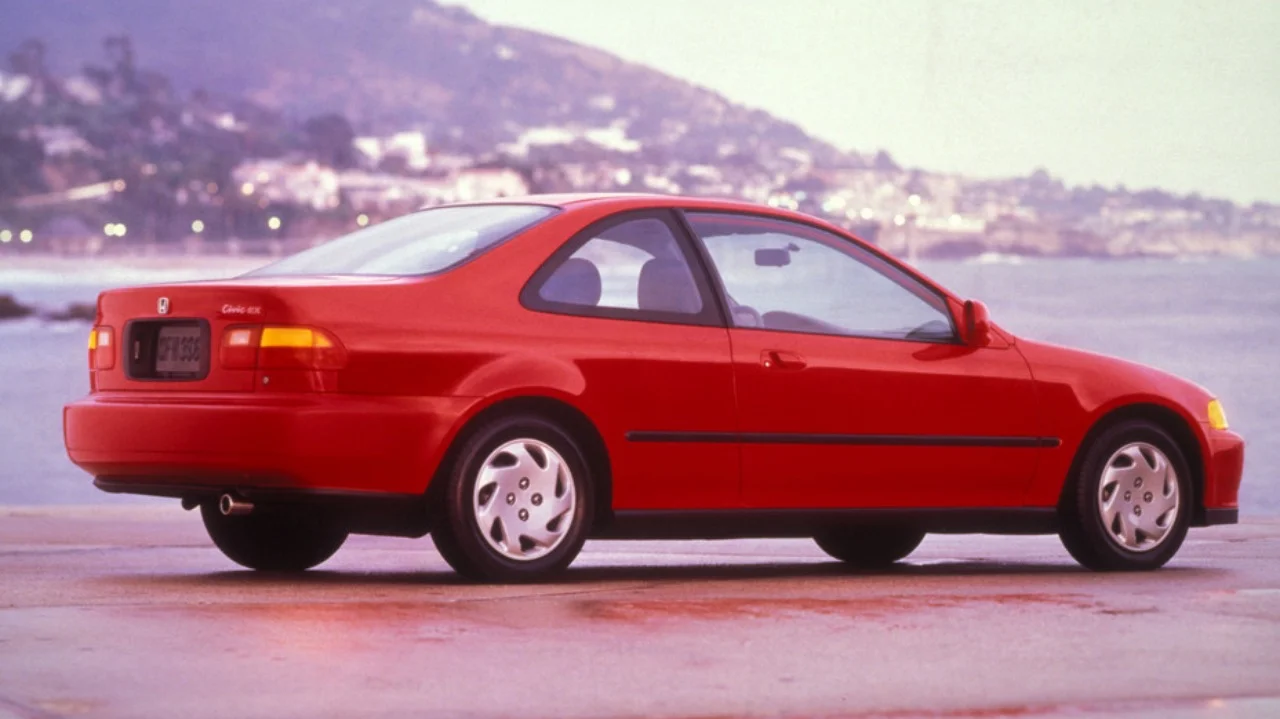

A few decades ago, Honda ran a Honda Civic 24/7 for two months straight.
The car literally never stopped over the course of those two months, not even for a second.
And it obviously never broke down or stalled, which was the whole point of the experiment conducted by Honda engineers.
But the reason the experiment ended might surprise you.
The Honda Civic is one of the most reliable cars in the world
First unveiled in 1972, the Civic is one of the most popular and recognized cars in the world.
Around five decades and 11 generations later, the Civic is still going strong and still selling like hot cakes.
It is one of the best-selling vehicles in the world, and one of the most reliable vehicles ever made as well.
Then again, one thing probably led to the other.
The best-selling car in the world has to be reliable.
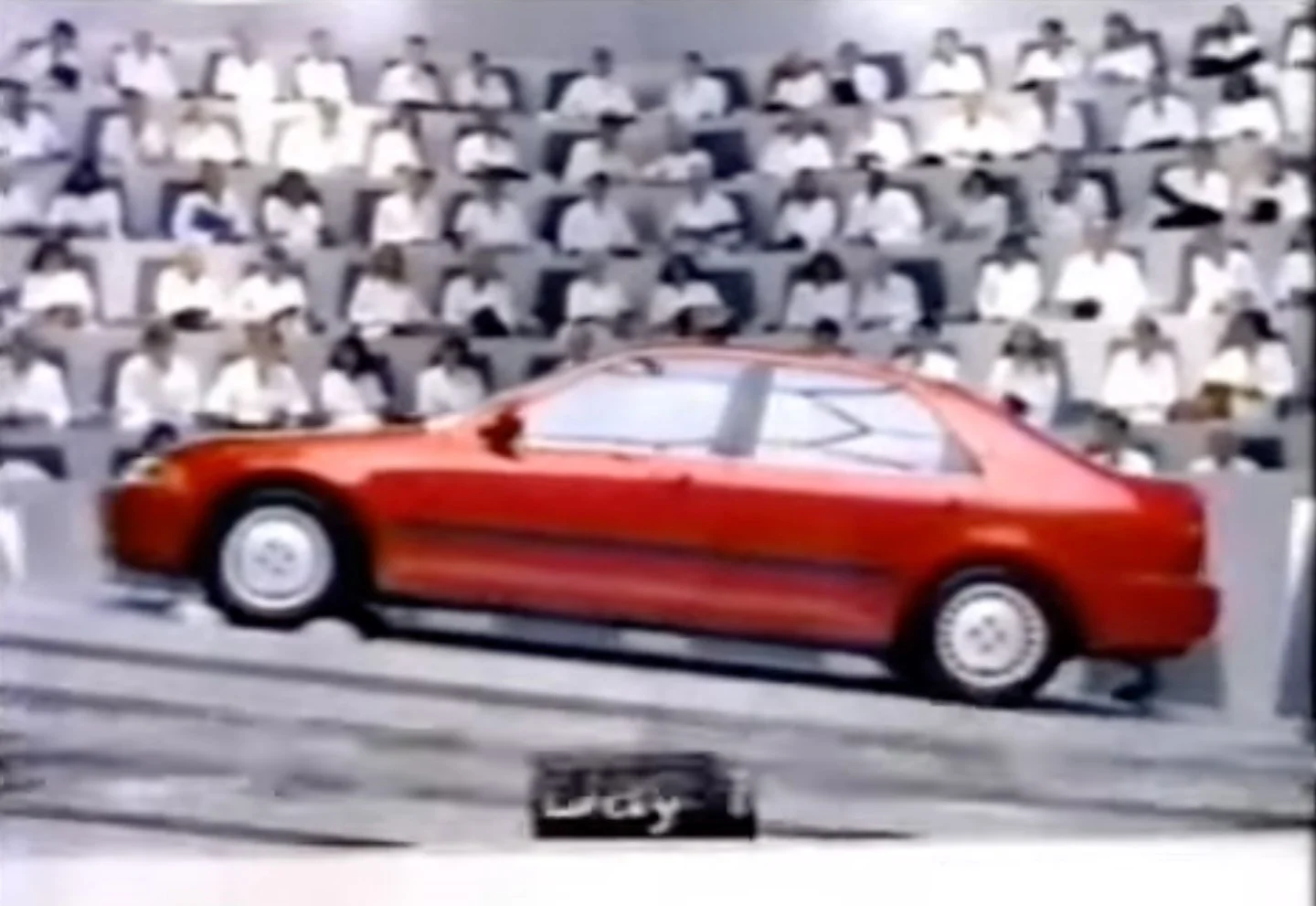
In a way, the Civic is like a go-to car for the everyday person.
One of those options that naturally spring to mind and you don’t really have to think about.
It is also a go-anywhere car, especially when you consider there are so many variants, including track-friendly options.
As in, whatever you might want or need, a Civic probably got you covered.
It’s compact but it isn’t too tiny, and it’s also versatile.
More importantly, it is quite cheap to run, which for most people makes all the difference.
This probably explains why the Japanese manufacturer has sold around 30 million units in 50 years.
And counting.
Related
The experiment was designed to prove a point
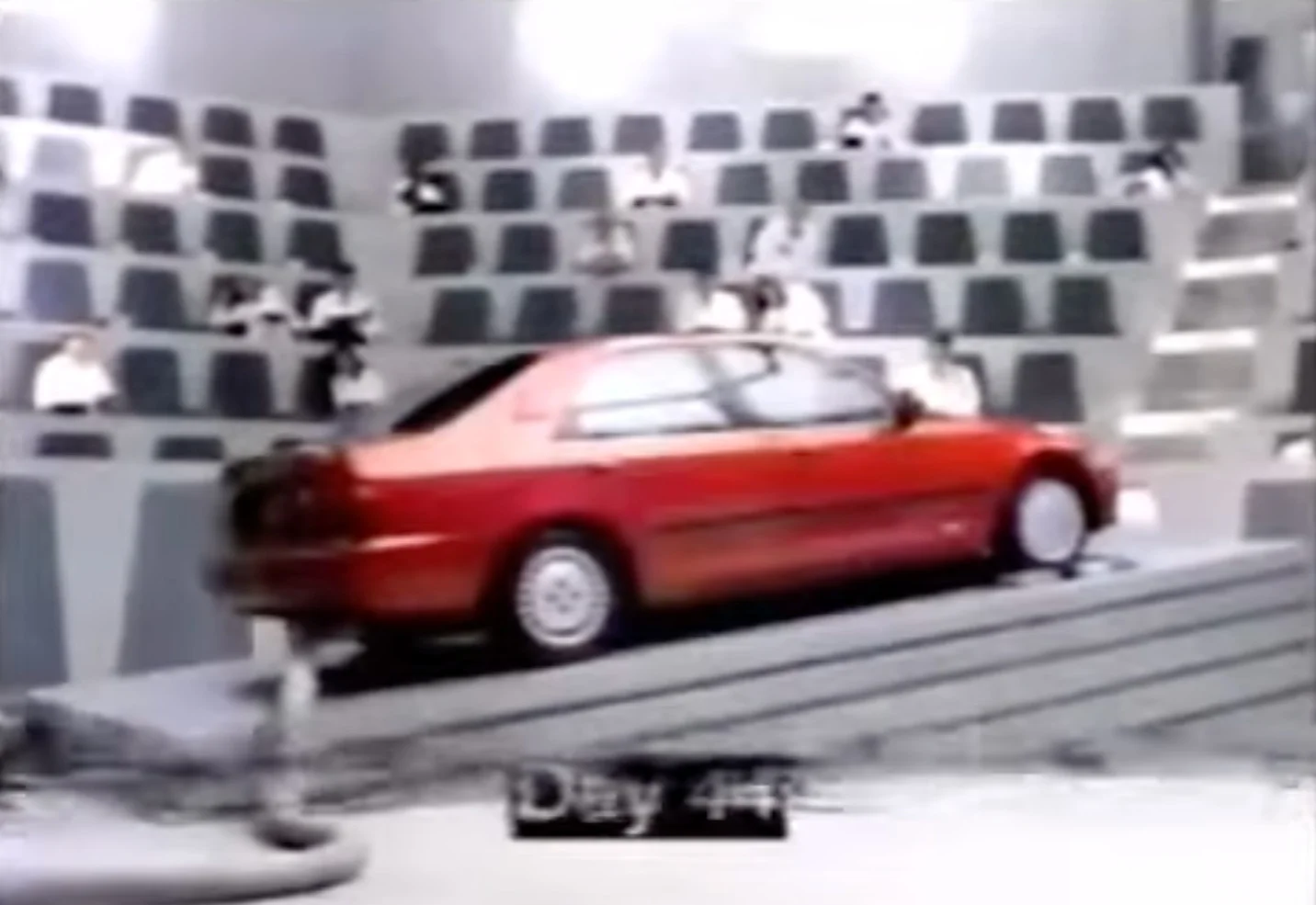
In 1994, engineers kept a Honda Civic engine running on a test stand for 63 consecutive days.
In order to do that, they placed the car on a rolling road – or a dyno, as people sometimes call it – and kept it running for two months and a couple of days.
They hooked the engine up to a constant fuel supply to ensure it wouldn’t run out, which it clearly didn’t.
At the time, Honda was aggressively building its reputation for bulletproof reliability in the US market, but not everyone was buying it.
Today, most Japanese brands have a strong presence in the US.
They’re trusted and they have a good reputation.
But this was decades ago, and things were a bit different back then.
That’s why Honda engineers had this idea to prove a point in 1994.
By showing the engine surviving more than 1,500 hours of non-stop operation, they provided solid evidence to skeptical consumers that their cars could handle hundreds of thousands of miles of real-world driving.
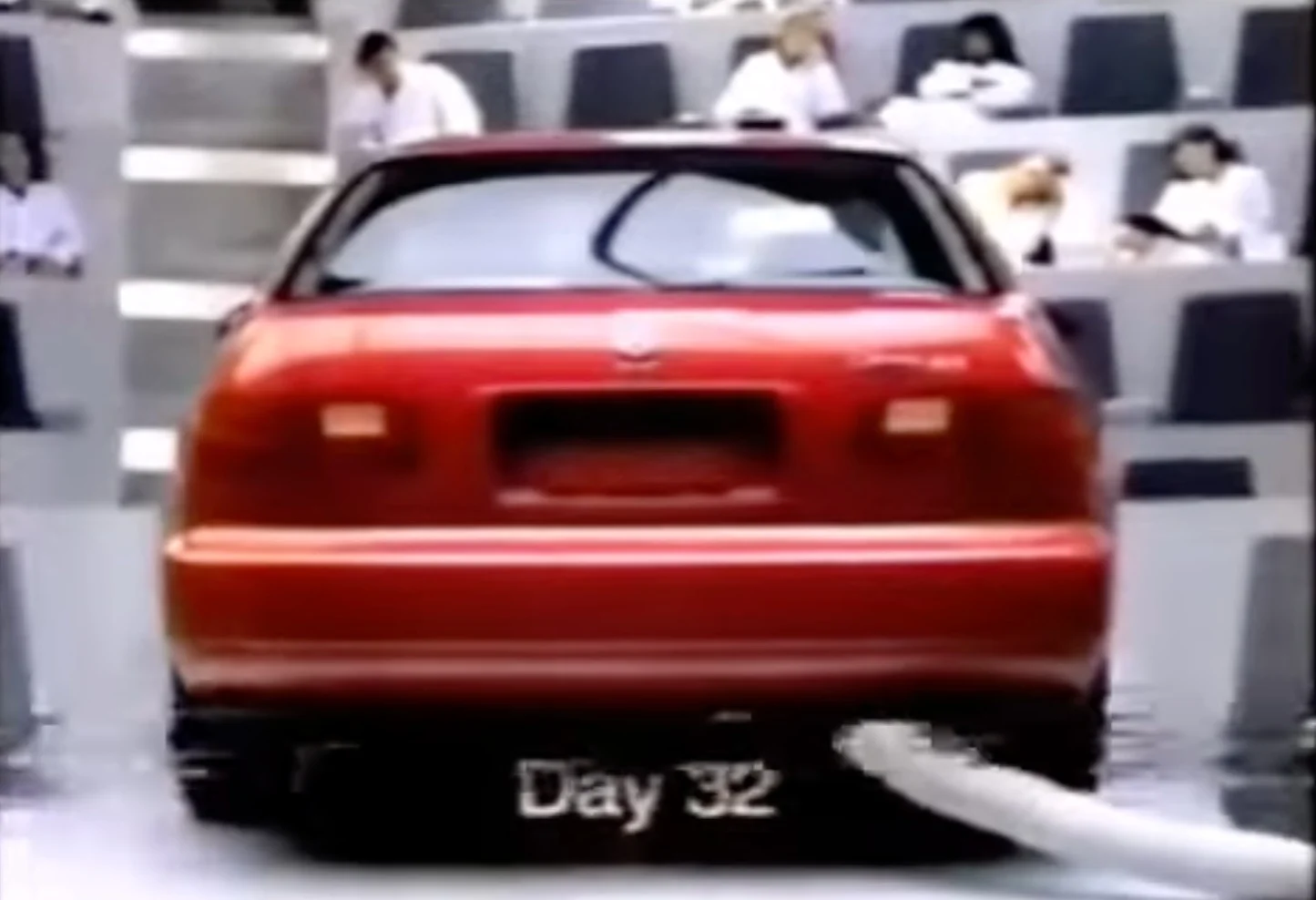
63 days and presumably a lot of fuel later, the car was still going, still running like clockwork.
The ad famously said that the car ‘even outlasted our engineers’.
And by the way, that’s the reason why the experiment eventually ended.
The only reason Honda called it quits with the experiment was that they were basically a little too fed up – the engineers, not the car – and the point had been proven.

Alessandro is an automotive journalist with 10 years of experience covering supercars, automotive history, emerging vehicle technology, and luxury transportation. He wrote the first article published on SupercarBlondie.com when the website launched in 2022 and has since built a reputation for insightful reporting across the automotive and transportation industries. His expertise is grounded in hands-on experience. Alessandro has driven every Tesla model ever produced, from the original Roadster to the Cybertruck, and regularly covers the latest developments in electric vehicles and automotive innovation. His passion for transportation extends beyond cars, he has even flown a Boeing 787 Dreamliner simulator in Addis Ababa, Ethiopia. His reporting spans everything from classic American muscle cars and rare automotive discoveries to luxury yachts, private aircraft, high-end watches, and cutting-edge vehicle technology. Known for his deep knowledge of automotive history and ability to uncover the stories behind iconic vehicles, Alessandro brings readers a blend of historical context, technical expertise, and first-hand experience.