Hong Kong's $19,000,000,000 ghost bridge that famously sat empty has now carried over 90,000,000 passengers in an extraordinary turnaround
Published on Apr 13, 2026 at 6:52 PM (UTC+4)
by Henry Kelsall
Last updated on Apr 13, 2026 at 6:52 PM (UTC+4)
Edited by
Amelia Jean Hershman-Jones
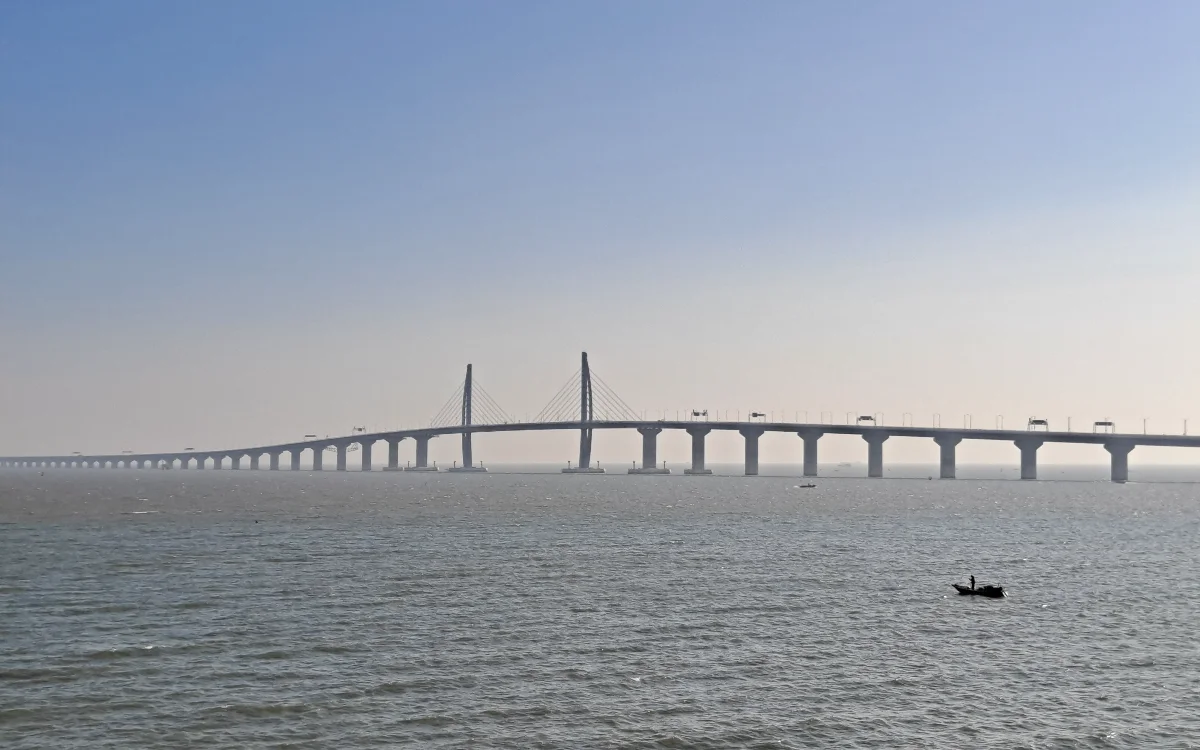

Remember Hong Kong’s massive $19 billion ghost bridge? Well, in a remarkable turnaround, that road bridge has now carried over 90 million people across the sea.
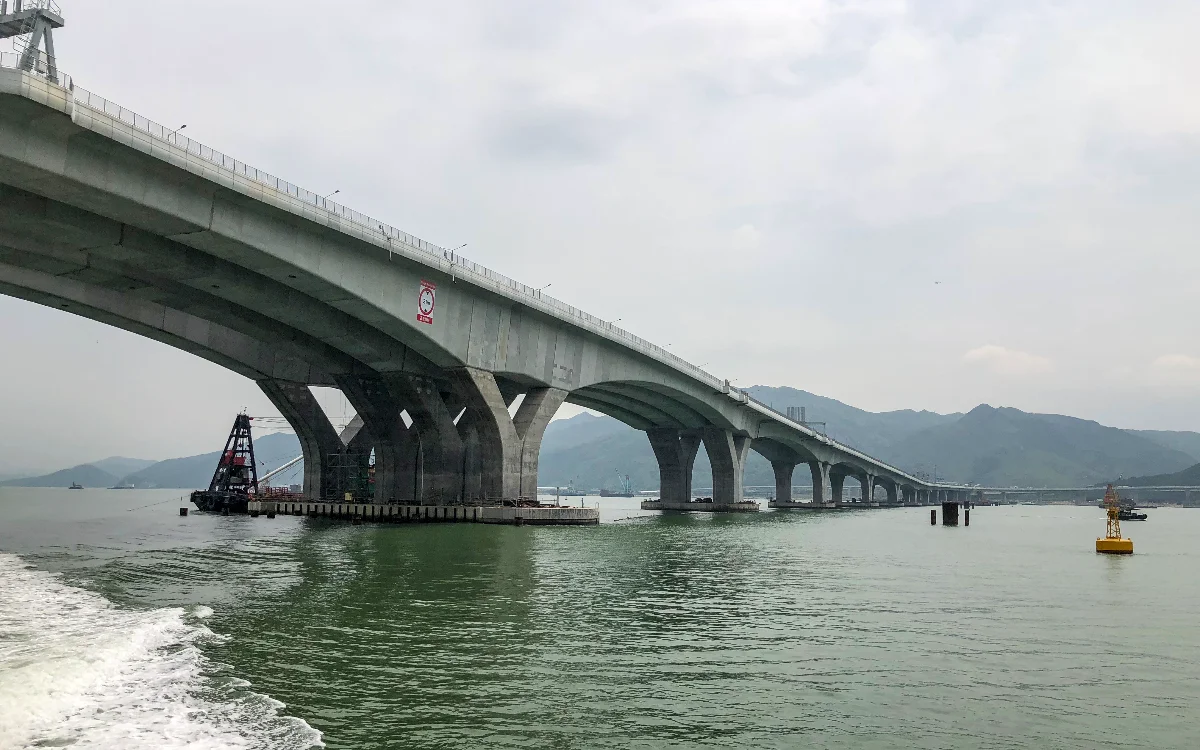
The Hong-Kong-Zhuhai-Macao bridge is the world’s longest bridge-and-tunnel sea crossing, stretching 55 kilometers (34 miles) to connect Hong Kong and Macau with Zhuhai in mainland China.
It had opened just a few years ago, and traffic on the bridge had previously been very low.
But now, things have turned around for the structure, and it seems to have become one of the busiest bridges in the entire world.
Why was no one using Hong Kong’s $19 billion bridge?
The bridge itself was viewed as a necessity, despite its huge cost and the size of the structure.
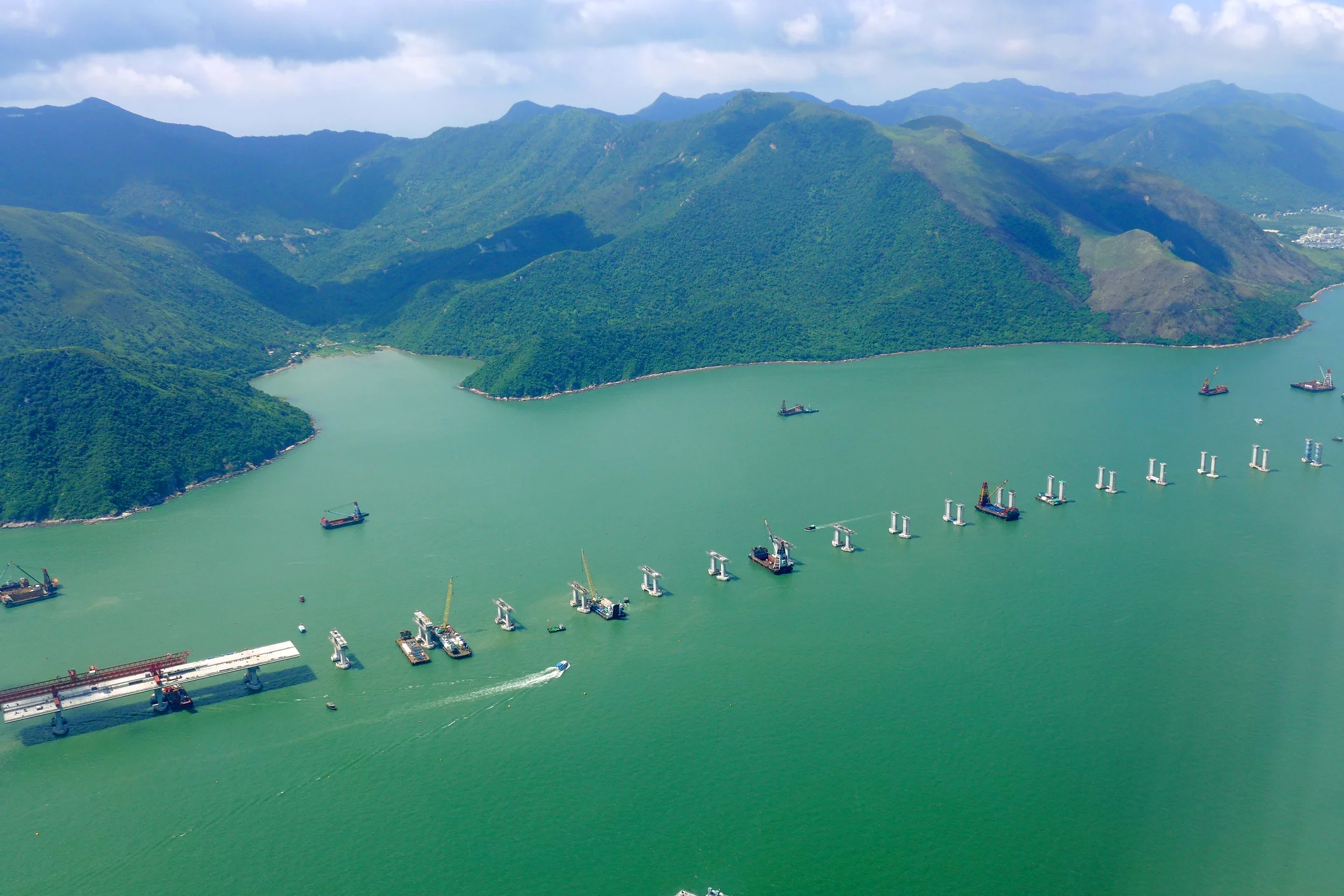
At 34 miles long, constructing it was never going to be easy.
It crosses the Pearl River Estuary and connects Macau with Hong Kong and the city of Zhuhai.
Yet only a handful of people ever seemed to be using it.
This is what led to the ‘ghost bridge’ nickname it quickly earned.
It transpired that if you wanted to drive over it, you would need to have papers.
Travelers had to be permanent residents of Hong Kong, but also employed in Macau.
Another hurdle was that applicants would have to wait nearly two weeks for the documentation process to be completed.
Then there was the issue of whether you’d even get a permit, with just 150 cars allowed to pass over each day.
If you were applicant 151? You were out of luck.
Why have so many people now used the ghost bridge?
In what might have seemed like a stretch in the past, over 100 million passengers have now gone over the bridge since 2024.
That’s because, thankfully, in late 2023, the permit and quota system was relaxed.
This allowed more vehicles from Hong Kong and Macau to cross the bridge via the Northbound Travel Scheme.
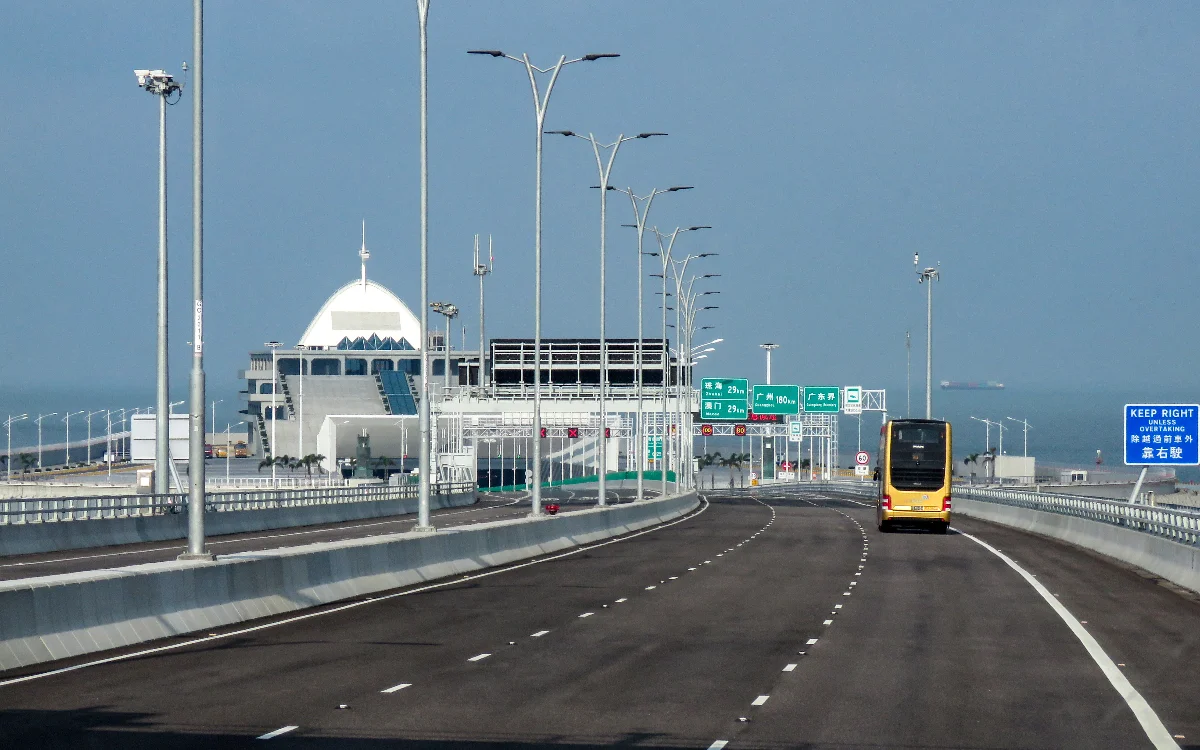
By 2024, over 10,000 cars, coaches, and goods vehicles crossed the bridge every day.
Organized tour groups have been a big hit for the bridge itself, as well as for corporate travel.
Direct coach services have offered trips between the key areas in the region.
This is what has helped drive traffic up on the huge structure.
On some days in 2024, up to 18,000 vehicles were using the bridge in a single day.
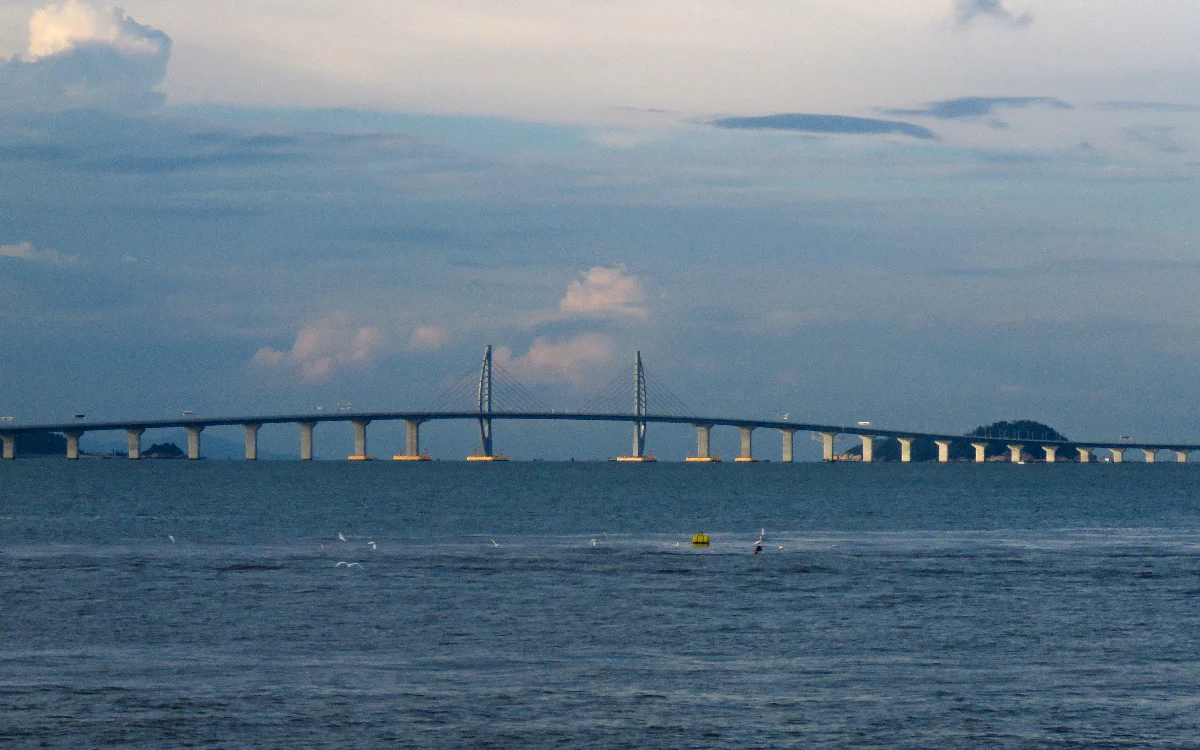
Since opening in 2018, over 100 million people have now crossed the bridge.
With restrictions relaxed and traffic now increasing, the bridge is finally fulfilling its design purpose.
Maybe Hong Kong’s ghost bridge has finally shaken off its cursed nickname.
Hong Kong’s ghost bridge timeline
1983: Gordon Wu proposes the initial concept for a bridge linking the regions across the Pearl River Delta
August 2003: The Chinese government establishes an advanced coordination group to begin planning the project
December 2009: Construction of the bridge and its artificial islands officially begins
May 2013: Engineers commence the installation of the undersea immersed tunnel tubes
September 2016: The massive main bridge structure is successfully connected
July 2017: The complex undersea tunnel section is fully joined and completed
February 2018: Major construction works are officially finalized and passed inspection
October 23, 2018: An official opening ceremony is held in Zhuhai, attended by the Chinese leadership
October 24, 2018: The bridge officially opens to commercial and public traffic
DISCOVER SBX CARS: The global premium car auction platform powered by Supercar Blondie
Henry joined the Supercar Blondie team in February 2025, and since then has covered a wide array of topics ranging from EVs, American barn finds, and the odd Cold War jet. He’s combined his passion for cars with his keen interest in motorsport and his side hustle as a volunteer steam locomotive fireman at a heritage steam railway.