This is how long cars have had power windows for and you'll be surprised at the length of time
Published on Feb 12, 2026 at 5:20 PM (UTC+4)
by Daisy Edwards
Last updated on Feb 12, 2026 at 9:47 PM (UTC+4)
Edited by
Emma Matthews

Lots of people feel like power windows are a modern development, especially as loads of us remember cranking our car windows up when we were younger, but that couldn’t be further from the truth.
Automakers were experimenting with ‘automatic windows’ around a century ago, long before touchscreens and driver assists were even an idea.
The first true power window setups were more like plumbing projects than electronics, using pressurized hydraulic systems to move the glass.
The all-electric versions we recognize today, though, did not arrive until the early 1950s, and then everything accelerated.
EXPLORE SBX CARS – Supercar auctions starting soon powered by Supercar Blondie
Cars have had power windows a lot longer than you’d think
Most people mentally place electric-powered car windows in the ‘postwar luxury’ category, but the timeline starts way earlier.
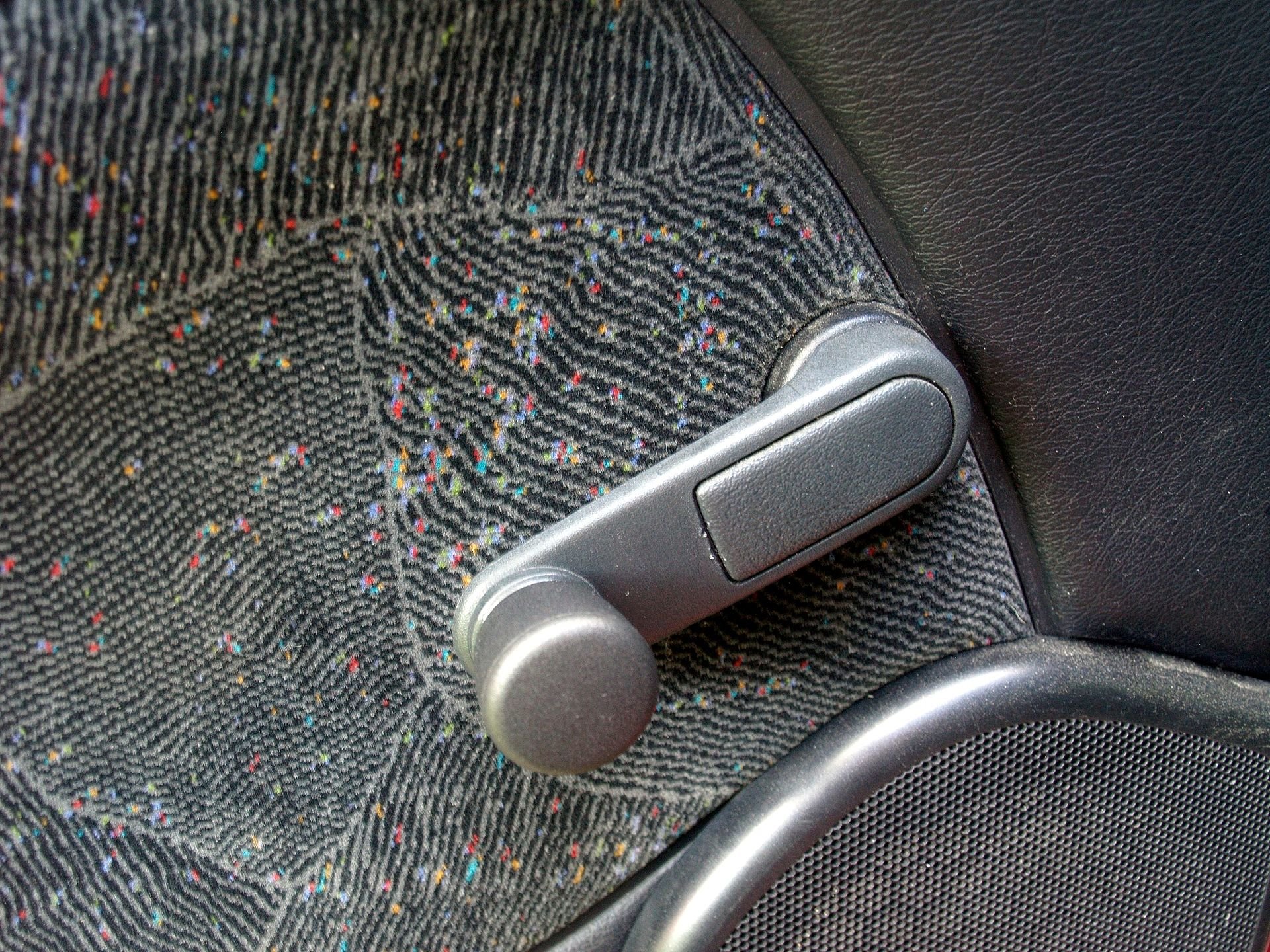
While many remember their first cars and their window handle cranks, it turns out that ‘electric windows’ have been bopping about for almost a hundred years.
In 1925, Flint Motors Division, a subsidiary of Durant Motors Company, reportedly experimented with pressurized hydraulic fluid to raise and lower automatic windows on the Model E-55.
That is the surprising part: the concept has been around since the Roaring Twenties. But it wasn’t anything like the neat setup we know and love now.
Early systems relied on hydraulic circuits and later ‘hydroelectric’ arrangements that paired electric pumps with fluid lines, the same kind of thinking engineers were using to automate seats and convertible tops.
Click the star icon next to supercarblondie.com in Google Search to stay ahead of the curve on the latest and greatest supercars, hypercars, and ground-breaking technology
The luxury car arms race
The first widely recognized ‘power windows’ arrived in 1941, when Packard offered hydraulic window lifts on its Custom Super Eight 180 Touring Sedan as part of a Hydro Electric system.
Ford followed quickly with a similar setup on 1941 Lincoln Customs, and General Motors expanded the idea across convertibles and other luxury models soon after.
There was a catch, however.
Hydraulic systems were complicated, expensive, and prone to leaks, which kept them mostly linked to high-end cars.

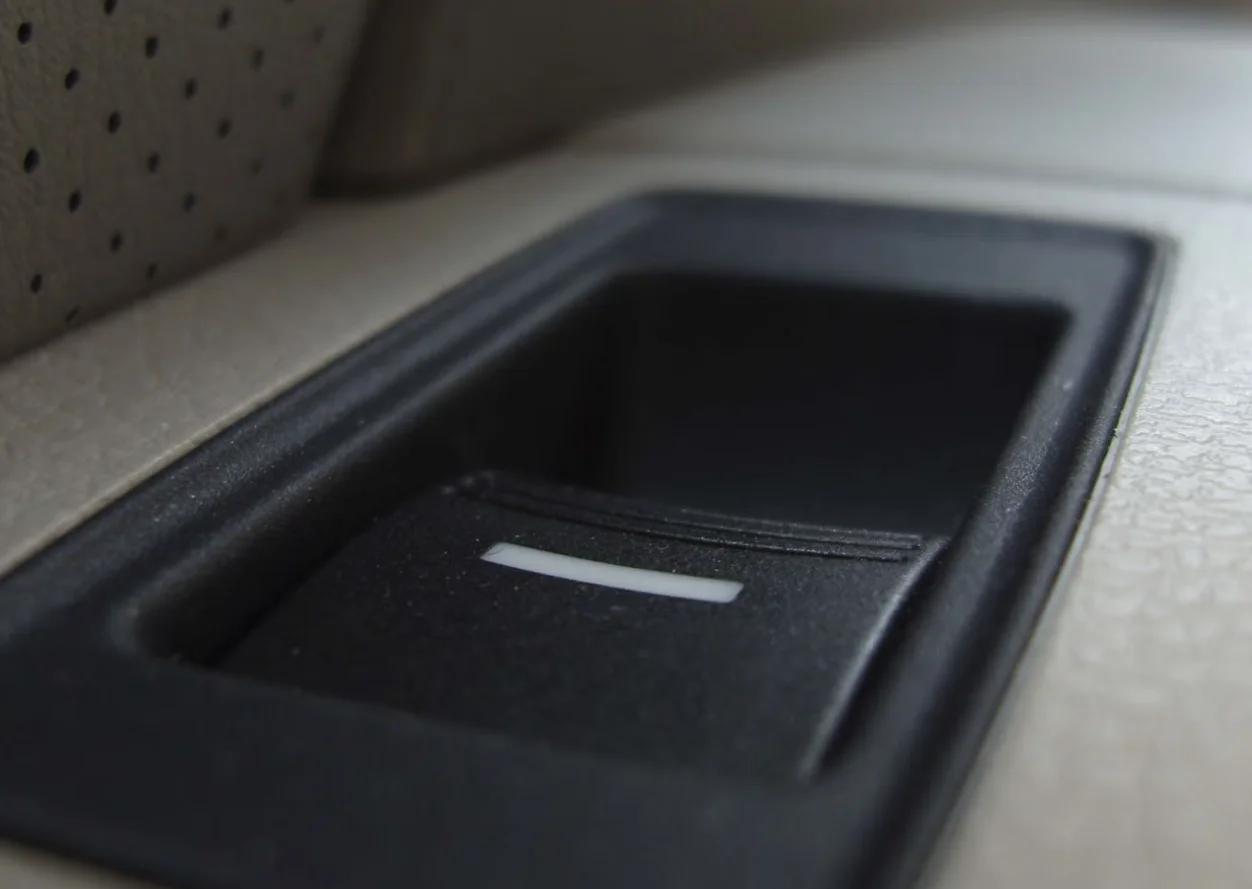
The real turning point came in 1951, when Chrysler introduced what is often credited as the first all-electric window system on the Imperial, swapping pumps and fluid lines for actual electric motors.
From there, other big names moved fast, and by the 1960s, electric windows were starting to become standard on top-tier models like Cadillac’s Fleetwood line.
So yes, you can be surprised: cars have had power windows for roughly 100 years if you count the early experiments, and well over 80 years if you start from the first recognized production systems.
Nowadays, kids will never understand the workout you got trying to crank your window when it suddenly rained, but after almost 100 years, it might be time to treat yourself to a car with a power button.
DISCOVER SBX CARS: The global premium car auction platform powered by Supercar Blondie