Expert explains how you can get range back on EVs that are being affected by cold weather
Published on Jan 10, 2026 at 2:57 PM (UTC+4)
by Molly Davidson
Last updated on Jan 08, 2026 at 4:45 PM (UTC+4)
Edited by
Kate Bain

An expert has just explained why your EV range appears to drop in cold climates and has revealed how to get it back.
Cold weather is basically the final boss of EV ownership.
One minute your car says it can go forever and the next, winter shows up and your range starts vanishing for no obvious reason. That’s when panic Googling begins.
But according to one EV expert, winter doesn’t steal all that range – drivers give some of it away.
DISCOVER SBX CARS – The global premium auction platform powered by Supercar Blondie
The winter habits that actually help you get EV range back
In a breakdown from YouTube channel Wrench & Reason, the creator explains why EVs lose range in winter, starting with the battery itself.
Lithium-ion batteries hate the cold.
Once temperatures drop below about 40°F, everything inside them slows down.
Go below freezing, and your EV range can drop by 20-40 percent.
Sometimes more.
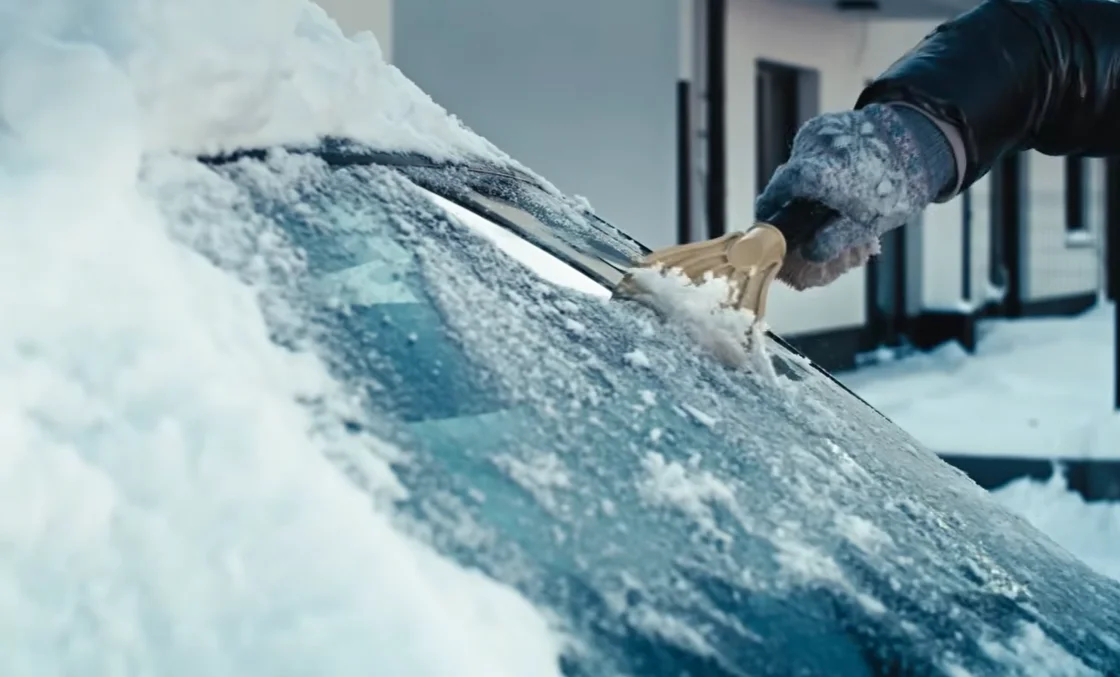
But the battery isn’t the only energy thief.
Cabin heat is also a huge deal.
Gas cars get heat for free because engines are hot all the time.
EVs don’t.
If you crank the heater, you’re literally burning battery power just to stay warm – especially brutal when the car starts out ice cold.
Cold weather also sneaks in through the cracks in the doors.
Tires get stiffer and tire pressure drops because cold air is thicker and harder to push through.

Each thing adds a little resistance, and together they make your car work harder for the same distance.
But here’s the part most people miss: how you drive matters a lot.
Speed is the biggest culprit.
Jumping from 65-75mph doesn’t feel dramatic, but in cold air it can drain EV range way faster than expected.
Short trips are another trap.
The battery never warms up properly, the cabin keeps restarting from cold, and you keep paying the ‘warm-up tax’.
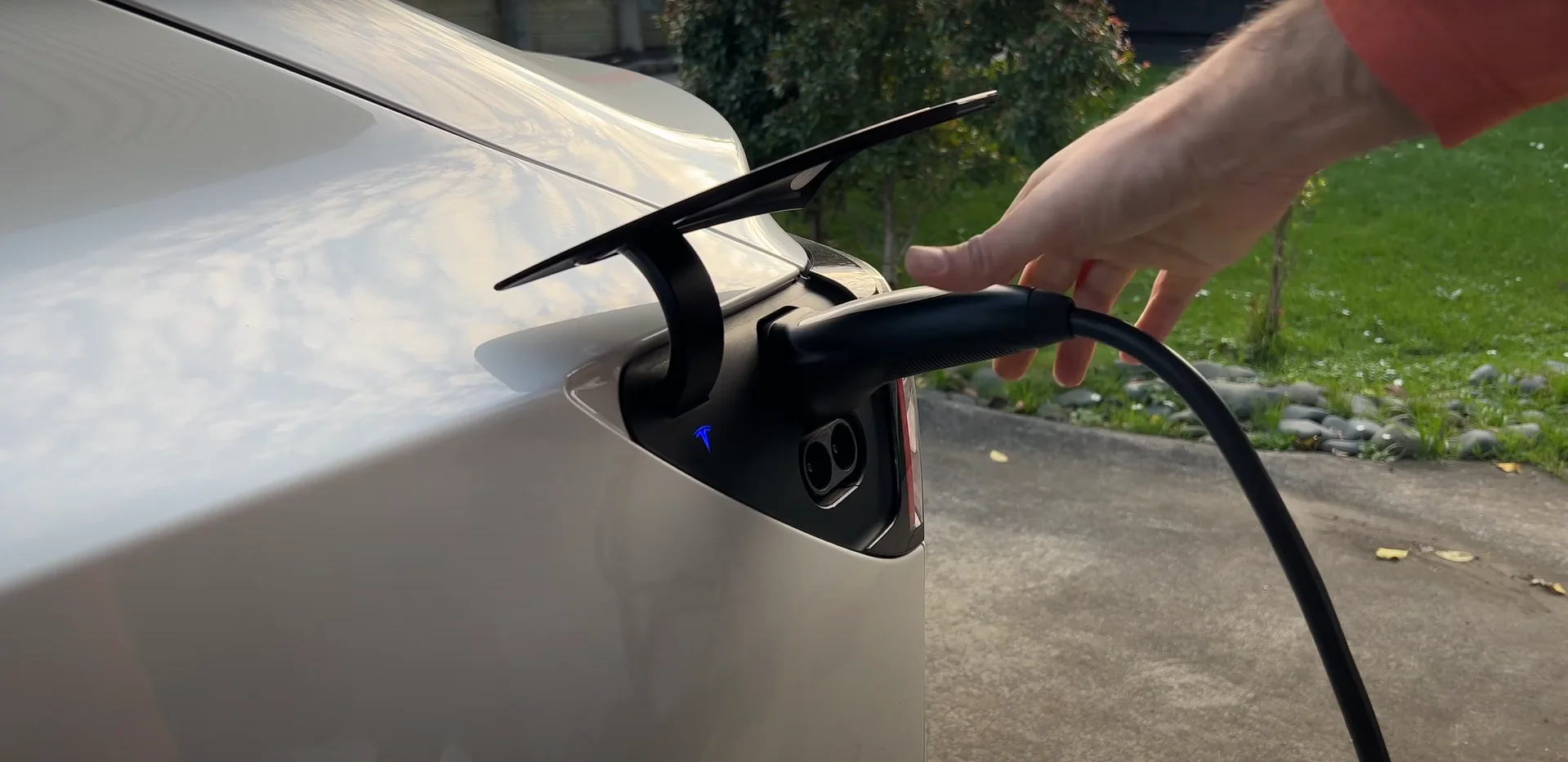
The easiest fix is preconditioning while plugged in.
That means warming the battery and cabin using wall power before you drive.
It’s basically free range.
Seat and steering wheel heaters help too – they warm you directly and use way less energy than heating the entire car like an oven.
And yes, tire pressure matters.
Pressure drops about one PSI for every 10°F change.
A few PSI low might not sound scary, but it absolutely hurts efficiency.
Why winter charging feels slower and how to plan around it
Cold weather also messes with charging, which is where a lot of EV anxiety comes from.
Chargers aren’t slowing down – your battery is.
A cold battery protects itself by limiting how fast it can charge, which is why even fast chargers feel painfully slow after short winter drives.
The fix is mostly planning.
If you arrive at a fast charger after a longer highway drive, the battery is already warm and ready to charge quickly.
Show up after 10 freezing minutes, and it’s going to drag its feet.
Winter trips also need a bigger safety buffer.
Arriving with 20-30 percent charge gives you wiggle room if chargers are busy or weather gets worse.
Plugging in overnight – even to a basic outlet – helps stop the battery from getting deeply cold-soaked.
And scheduled departure is the secret weapon.
Let the car warm itself before you even leave the house, and everything works better.
Basically, the bottom line is winter range loss is real, but it’s not magic.
Once you understand where the energy is going, cold-weather EV driving stops feeling scary and starts feeling manageable.

DISCOVER SBX CARS: The global premium car auction platform powered by Supercar Blondie
With roles at TEXT Journal, Bowen Street Press, Onya Magazine, and Swine Magazine on her CV, Molly joined Supercar Blondie in June 2025 as a Junior Content Writer. Having experience across copyediting, proofreading, reference checking, and production, she brings accuracy, clarity, and audience focus to her stories spanning automotive, tech, and lifestyle news.