Hypersonic plane developed by European Space Agency would travel from London to Sydney in just three hours, 14 hours quicker than Concorde
Published on Jun 28, 2026 at 12:06 AM (UTC-4)
by Daisy Edwards
Last updated on Jun 28, 2026 at 12:06 AM (UTC-4)
Edited by
Ben Thompson
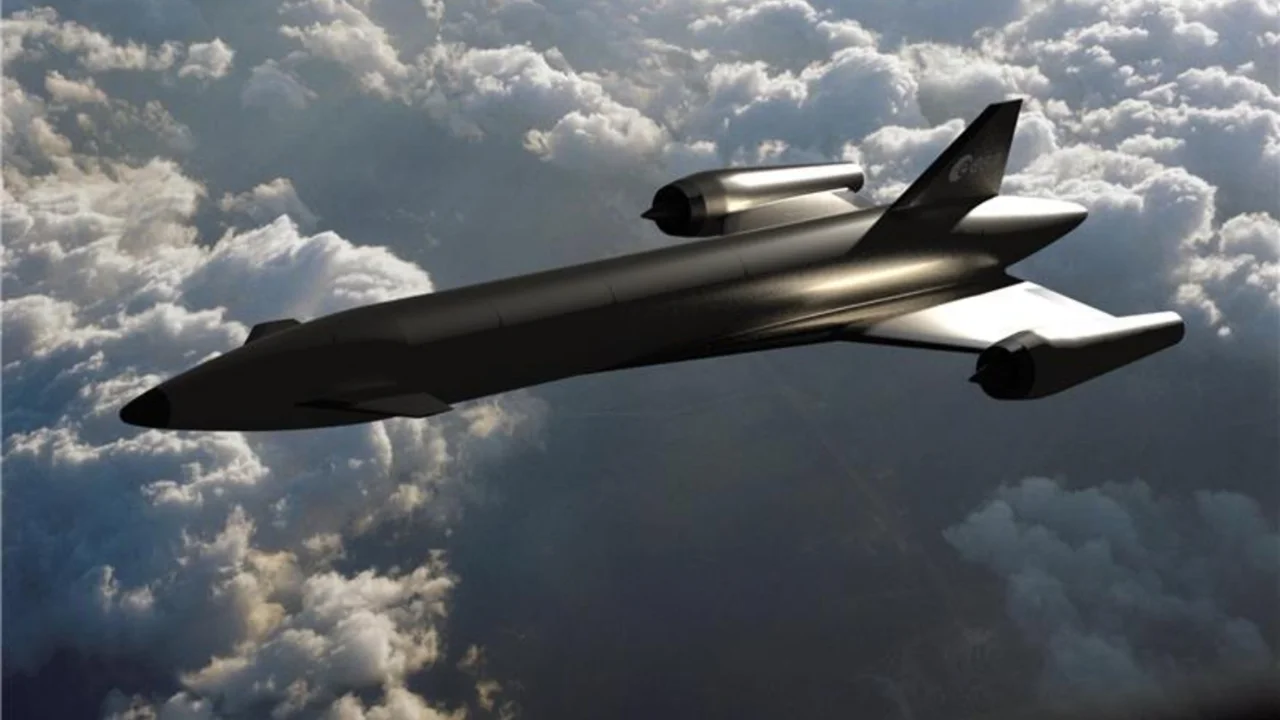

Flying from London to Sydney is usually the sort of trip that has you watching every movie on the plane twice, but thanks to this Hypersonic plane developed by the European Space Agency, you might be there in just two movies.
A new aircraft called Invictus could cut the usual day trip down to just three hours.
That’s quicker than some people spend getting through airport security and waiting at the gate.
If it becomes a reality, it would leave Concorde looking surprisingly slow.
ESA-backed hypersonic plane could make London to Sydney feel like a short hop
The futuristic aircraft, called Invictus, is being developed with support from the European Space Agency and the UK Space Agency.
The goal is simple: create a plane capable of travelling so fast that passengers could leave London in the morning and arrive in Sydney in time for lunch.
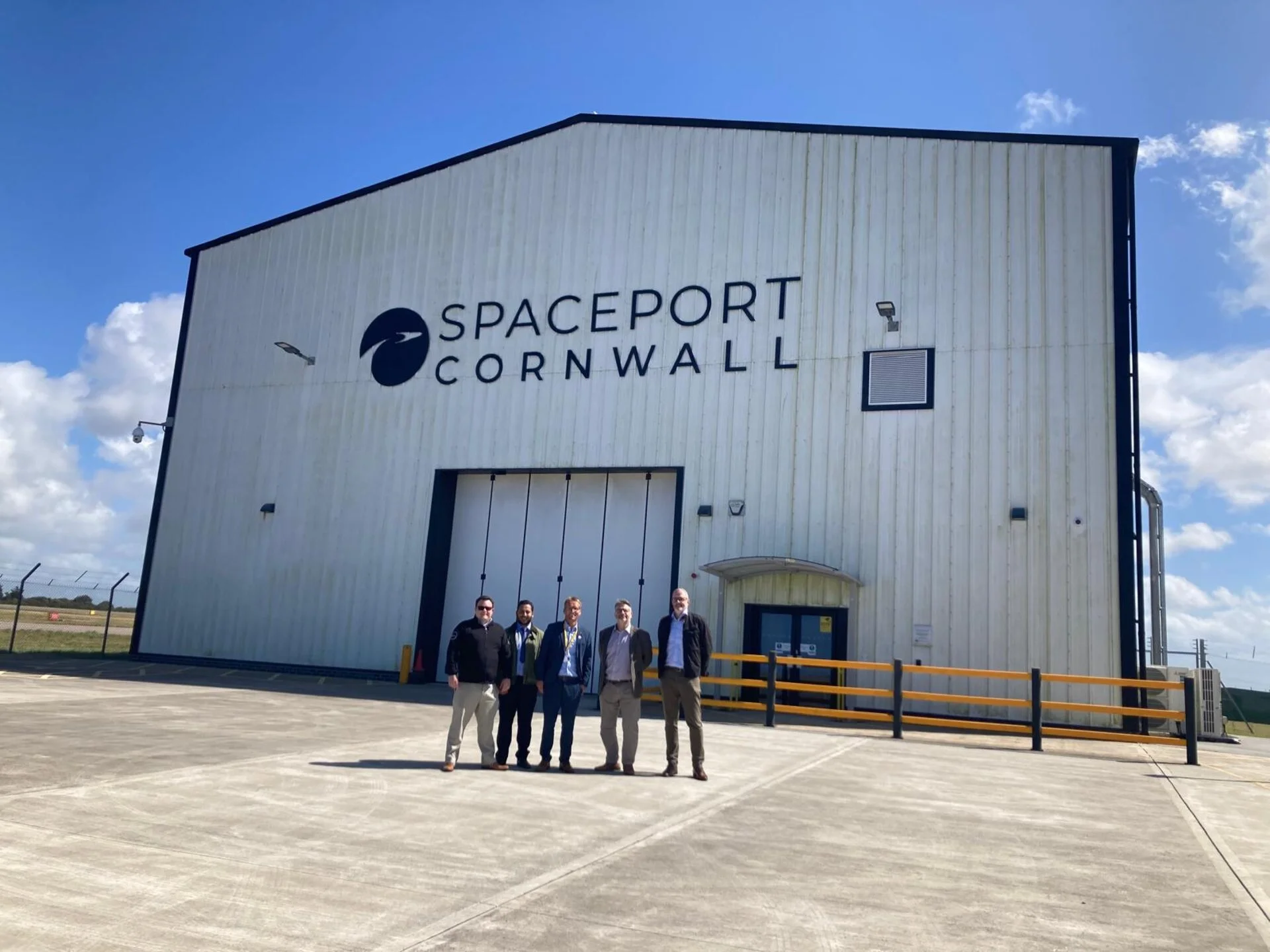
The concept aircraft would cover the enormous distance between the two cities in around three hours.
To put that into perspective, regular flights can take more than 20 hours with stopovers, while Concorde’s famous London-to-Sydney record journey took more than 17 hours.
That means Invictus could potentially complete the trip around 14 hours faster than the legendary supersonic jet.
It actually doesn’t sound real.
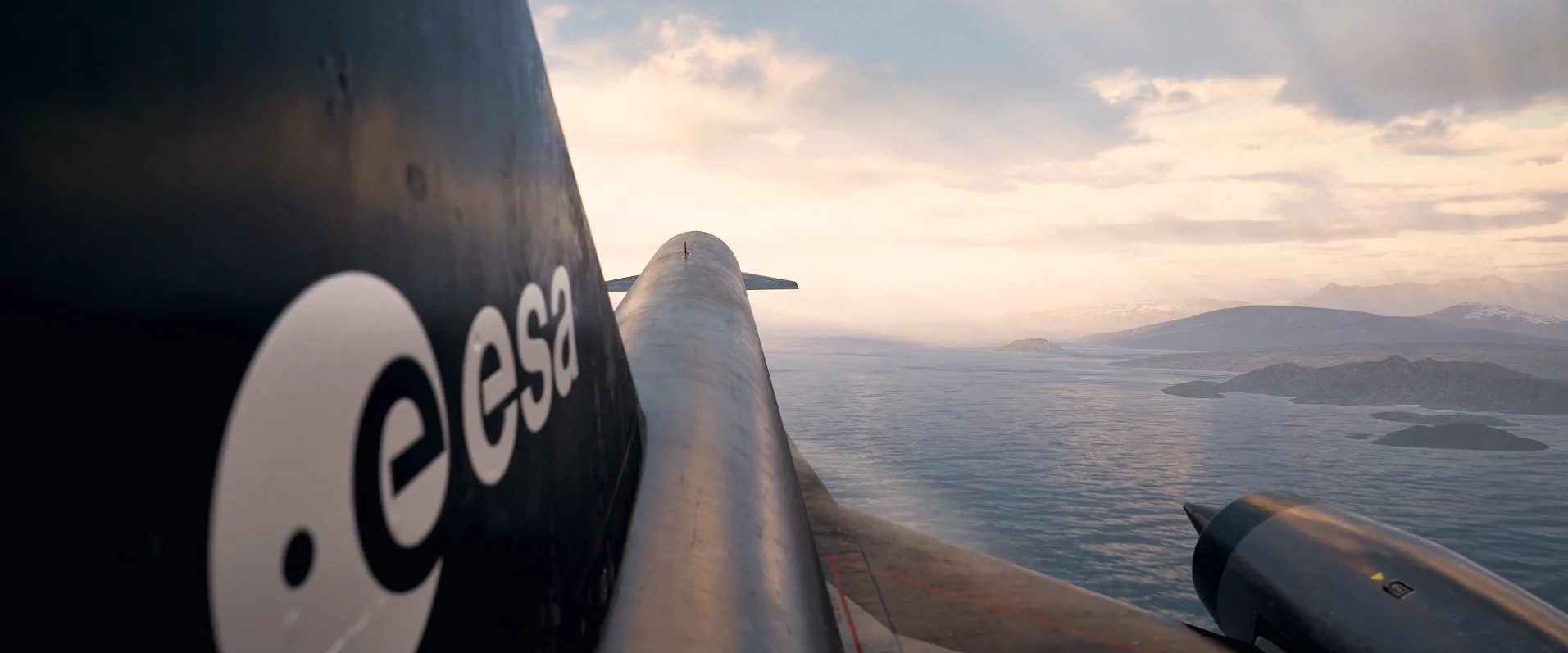
The race to build the world’s next ultra-fast passenger plane
Before anyone starts packing for a three-hour trip to Australia, there’s one important catch: the aircraft doesn’t exist yet.
Invictus is still in development, and engineers have years of testing ahead before it ever leaves the ground. Current timelines suggest a first flight could happen sometime in the 2030s.
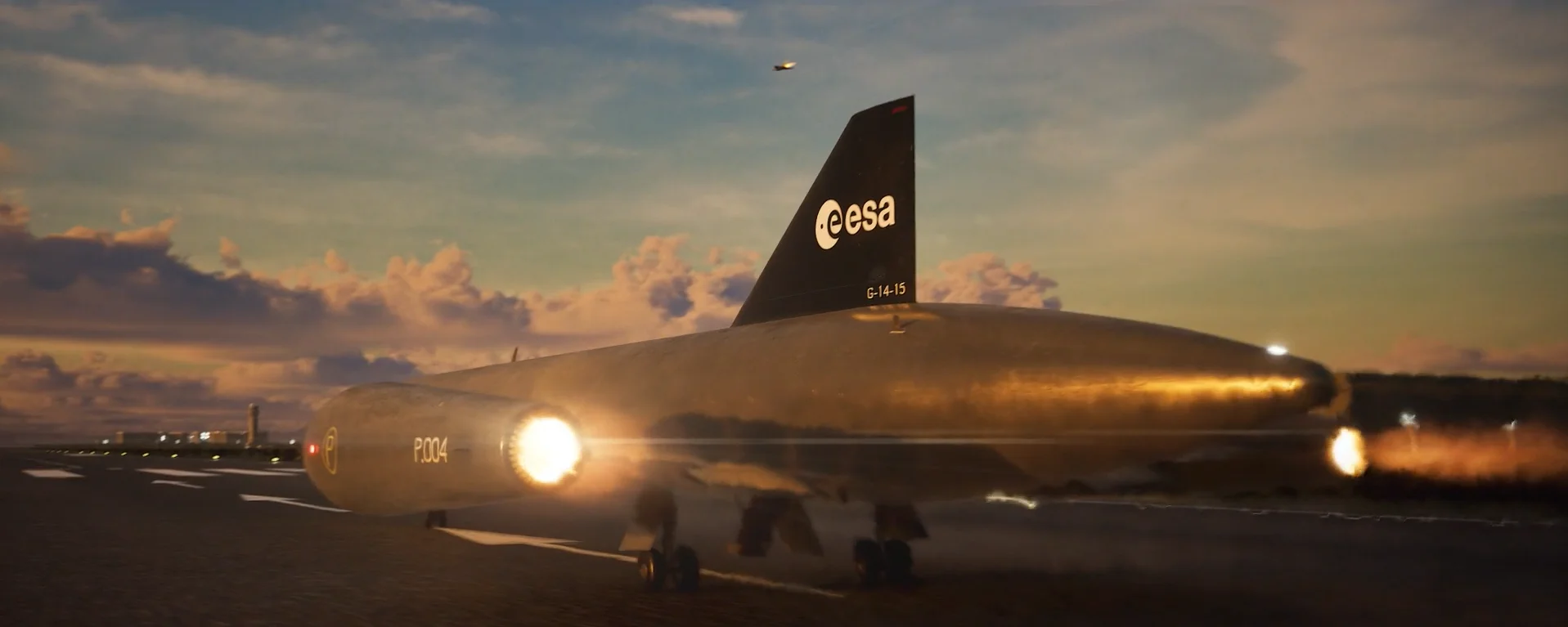
Even so, the project is another sign that the aviation industry hasn’t given up on the dream of ultra-fast travel.
Ever since Concorde was retired in 2003, companies and space agencies around the world have been trying to find a way to bring back high-speed passenger flights.
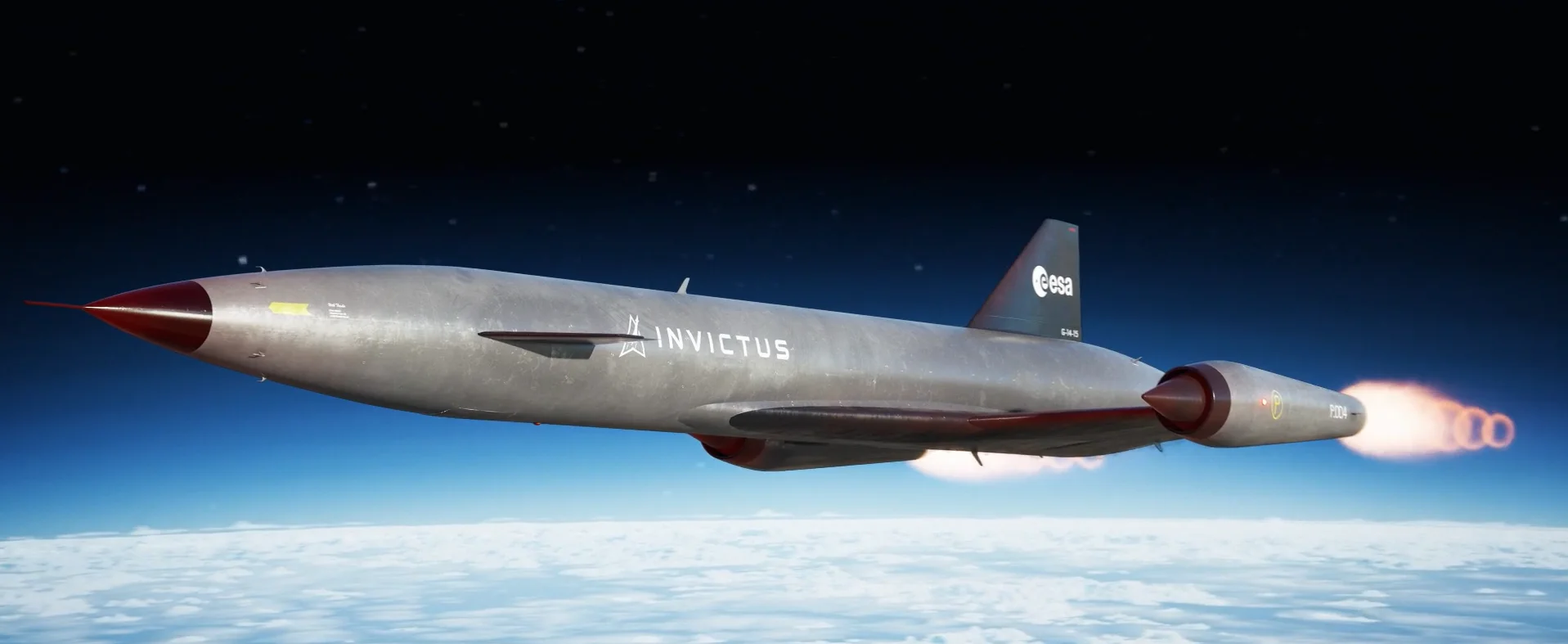
If Invictus succeeds, journeys that currently take the best part of a day could eventually be completed in the time it takes to watch a couple of movies.
For anyone who’s ever endured a long-haul flight to Australia, that’s a future worth getting excited about.
Daisy is a technology and automotive journalist covering artificial intelligence, consumer tech, Apple news, cryptocurrency, emerging technologies, and transportation innovation. Since joining the team in 2025, she has reported on everything from AI-powered startups and major iOS updates to viral car stories and the latest developments shaping transportation and the digital economy. Drawing on her background in automotive journalism and a degree in History and Journalism from Goldsmiths, University of London, Daisy specializes in breaking down complex topics into clear, engaging reporting for a global audience. Her work spans cutting-edge technology, innovative vehicles, and the people driving change across both industries. Daisy has gained first-hand access to some of the world's most talked-about technologies and innovators, including meeting Tesla's Optimus humanoid robot during its first European appearance in London. She has also discussed the future of space exploration with an astronaut, bringing unique insights and real-world perspectives to her coverage of emerging technology.