There's been a very sudden increase of cars in North Korea after decades of nearly-empty roads and this is why
Published on May 24, 2026 at 12:02 AM (UTC-4)
by Ben Thompson
Last updated on May 24, 2026 at 12:02 AM (UTC-4)
Edited by
Mason Jones
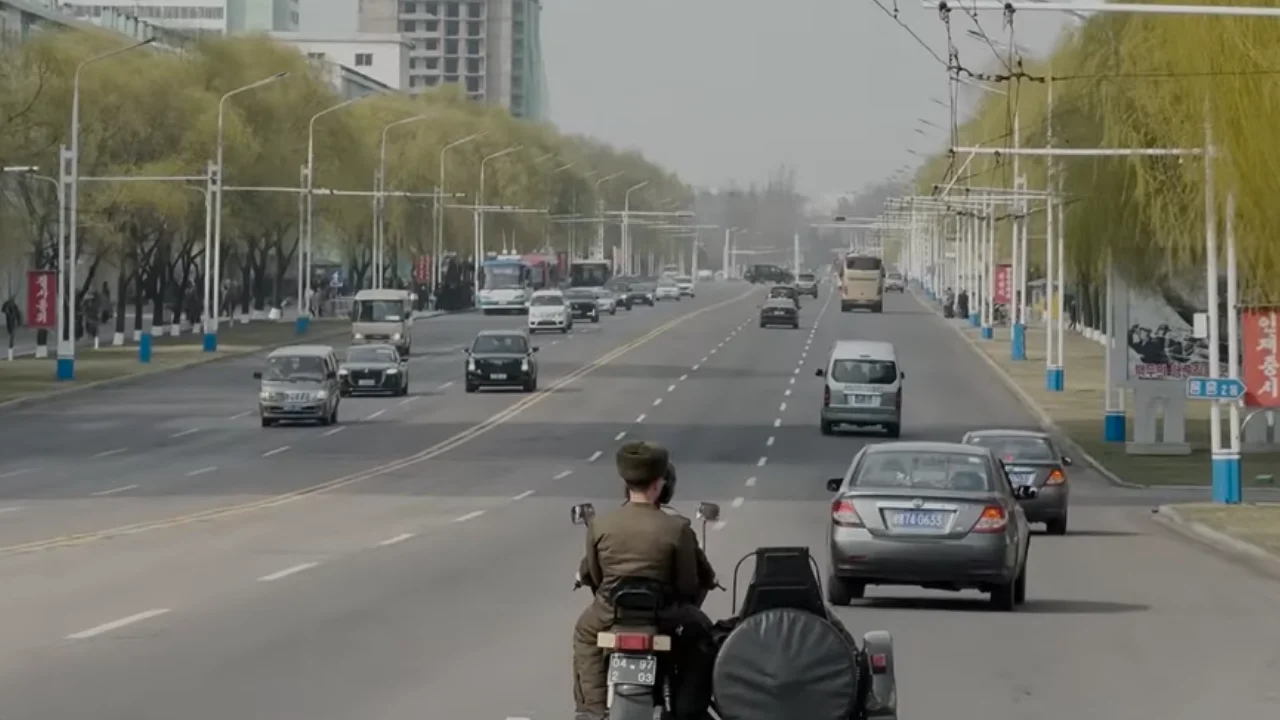

It’s been widely reported that there’s been a sudden uptick of cars in North Korea, but why has this happened?
The famously isolated nation has been known for having near-empty roads.
But things seem to be changing, with reports indicating that personal use cars are gaining in popularity.
Increasing car usage in such a heavily sanctioned country is remarkable, and this is why things have changed.
Here’s why cars in North Korea are on the up
To the outside world, there’s a lot of things about North Korea that seem mysterious.
Whether it’s the ‘bridge to nowhere’ between it and China or the country’s unusual airline, there’s no shortage of topics to analyze and pick over.
But one topic that’s often evaded discussion is the country’s low rate of car ownership.
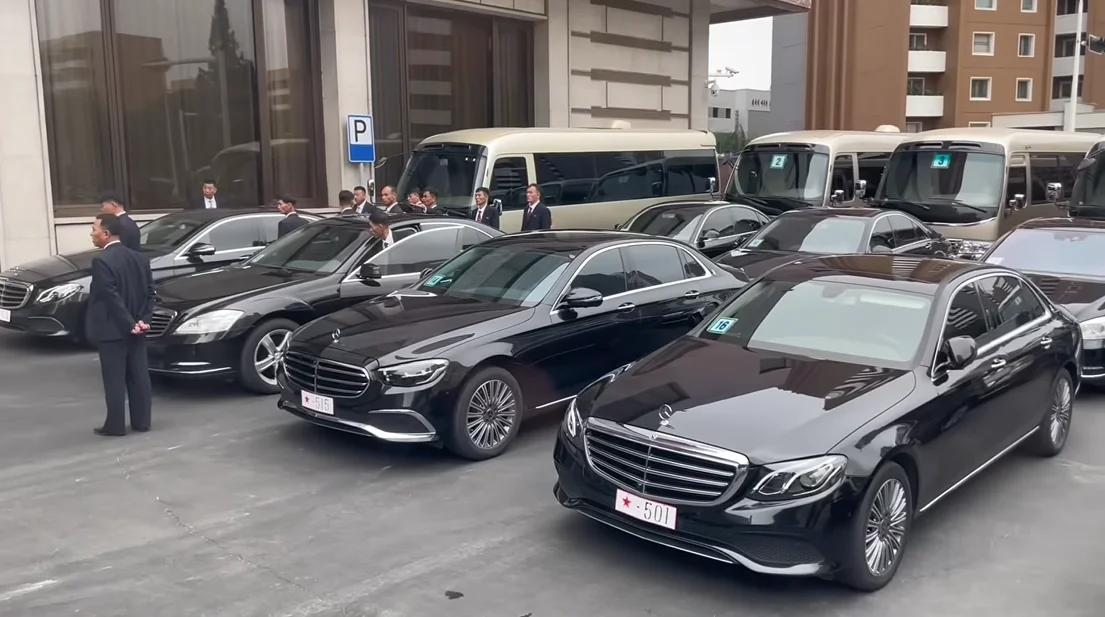
In fact, it has been branded the country with the lowest rate of car ownership in the world.
At one point, it was reported there were only 30,000 cars in North Korea, which would work out to around one for every 800 people.
Private car ownership had been banned for decades – until recently.
Changes have been made to the country’s law which have formalized private car ownership, Reuters reported.
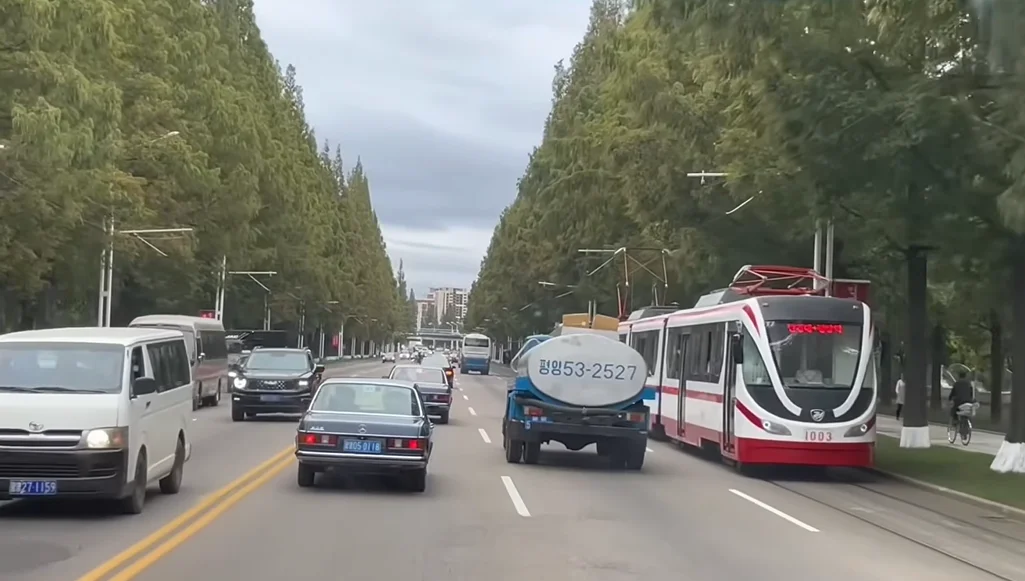
Licensed drivers can now buy one vehicle per household through state-certified dealers.
Since this change, there’s been a big uptick in road usage, with visitors reporting traffic jams and shortages of parking spaces.
And it’s not just fake cars anymore – as was often the case in years gone by.
The numbers mapping out the rise in car ownership
China has been the primary source for North Korea’s car market, which makes sense as it serves as both the world’s largest car exporter and a country friendly to North Korea.
Car-related goods have also seen an increase, with shipments of new tires for passenger cars up 88 percent from pre-COVID averages.
Rear-view mirrors, lubricating oils, and grease shipments are also on the rise.
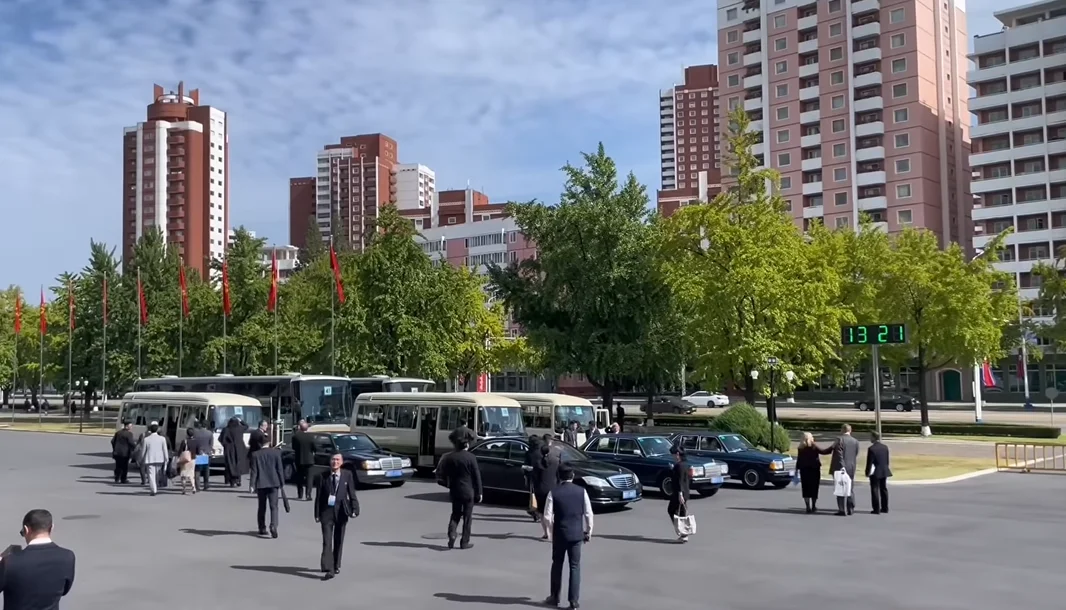
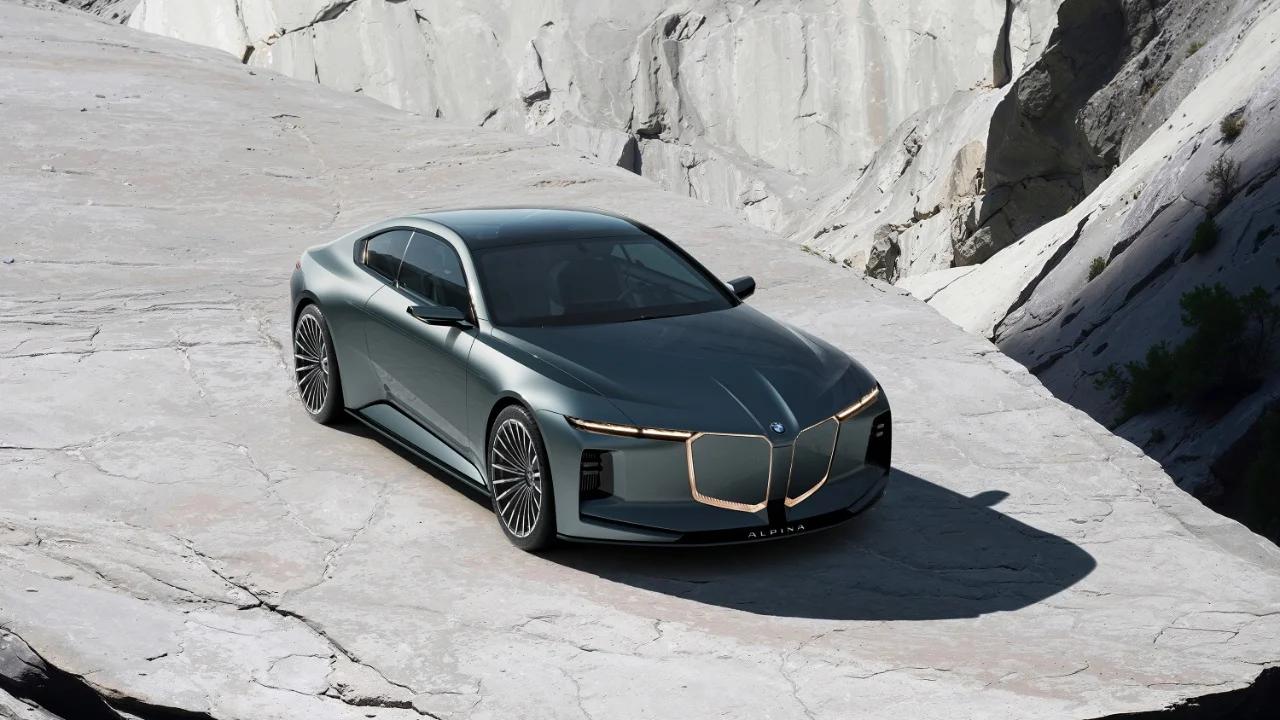
Brands reportedly making their way around the streets of Pyongyang include Chery, Geely, BMW, and Audi.
Both BMW and Audi told Reuters that they weren’t aware of their vehicles operating in North Korea, and had no business dealings in the country.
Yellow plates now adorn more and more vehicles in the country.
And those plates mean one thing – private ownership.
It’s not a seismic change, but it is a notable one for a country that has often been seen as slow to change.
Ben joined Supercar Blondie in February 2025 after being published by international organizations including LADbible, The Sun, the New York Post, and the Daily Mail. He covers supercars, rare and collectible vehicles, aviation, luxury assets, and the fascinating people behind them. His reporting has explored everything from seven-figure supercars and historic Ferrari collections to unusual aircraft adventures and extraordinary automotive discoveries from around the world. Ben has also gained first-hand insight into vehicle craftsmanship and customization, including visiting specialist workshops to see bespoke vehicles up close.