Gas-powered cars fall below 50% of global new car sales for the first time in history
Published on Oct 09, 2026 at 7:35 AM (UTC-4)
by Alessandro Renesis
Last updated on Oct 09, 2026 at 8:48 AM (UTC-4)
Edited by
Mason Jones


For the first time ever, pure internal combustion gas cars no longer dominate the market.
In the first half of 2026, pure gasoline vehicles accounted for only 49 percent of global new-car sales.
That’s unprecedented.
We need some context, though.
Why gas cars no longer dominate the market
According to S&P Global Mobility, as reported by Nikkei, more than one in two cars sold in the first six months of 2026 was not powered by internal combustion.
This marks the first time in history that gas cars have represented less than half of the global market, down sharply from 73 percent in 2021.
Gasoline-only vehicle sales dropped 10 percent year-over-year to 20.25 million units, falling from 52 percent of the market in 2025 down to 49 percent in H1 2026.
A spike in oil prices pushed consumers toward lower-running-cost powertrains, and the fact that EVs are getting better is helping.
To be clear, 83 percent of new vehicles sold still feature an internal combustion engine when accounting for hybrids and plug-in hybrids.
But it’s still a history-making moment.
Related

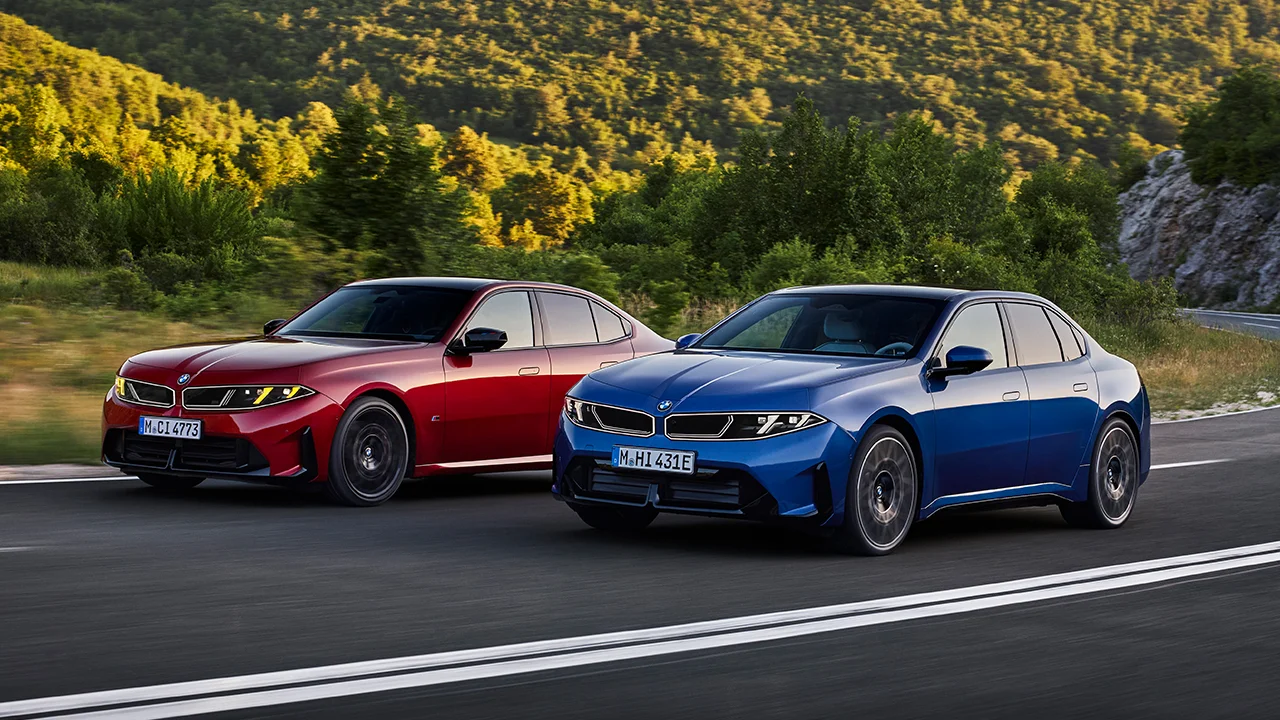
We need some context
The ratio between population and vehicles is not symmetric.
Ethiopia, the first and only country to actually ban the import of new cars that aren’t electric, is a great example.
Around 135-140 million people but… only around one million cars on the road.
Imagine that.
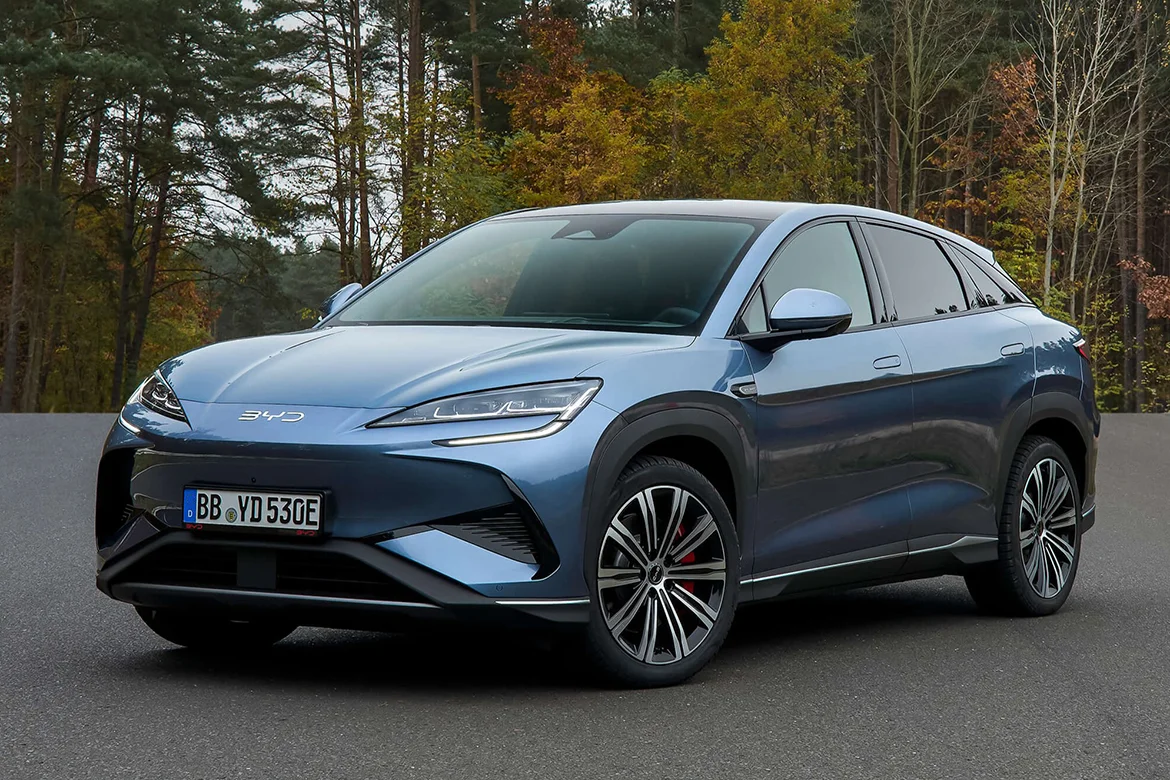
Then you’ve got countries with nearly as many vehicles as people – the US, Italy, France, the UK.
And then we need to talk about the importance of specific markets.
Which is the main factor at play here.
It’s all about China
China is spearheading production and commercialization of electric cars.
Along with Norway, China is probably the most EV-friendly country in the world.
In Norway, nearly all new cars sold are electric.
Given China’s massive population, adoption dynamics are quite different – yet EV adoption is skyrocketing.
It feels like legacy automakers are a bit stuck and uncertain, and this uncertainty paved the way for China.
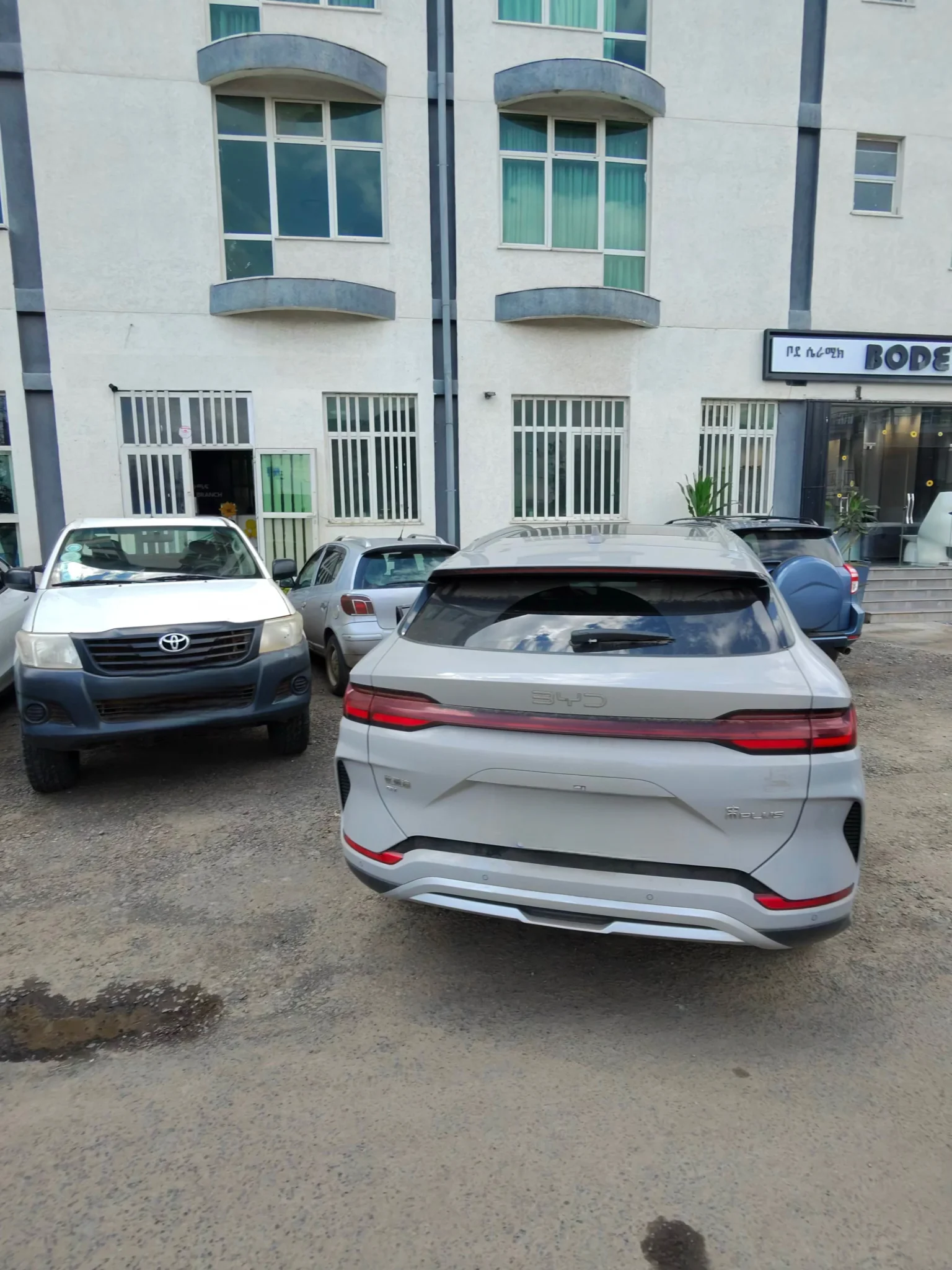
Chinese automakers are aggressively ‘attacking’ these new markets.
And they aren’t just offering cars for sale but also joint ventures and business opportunities.
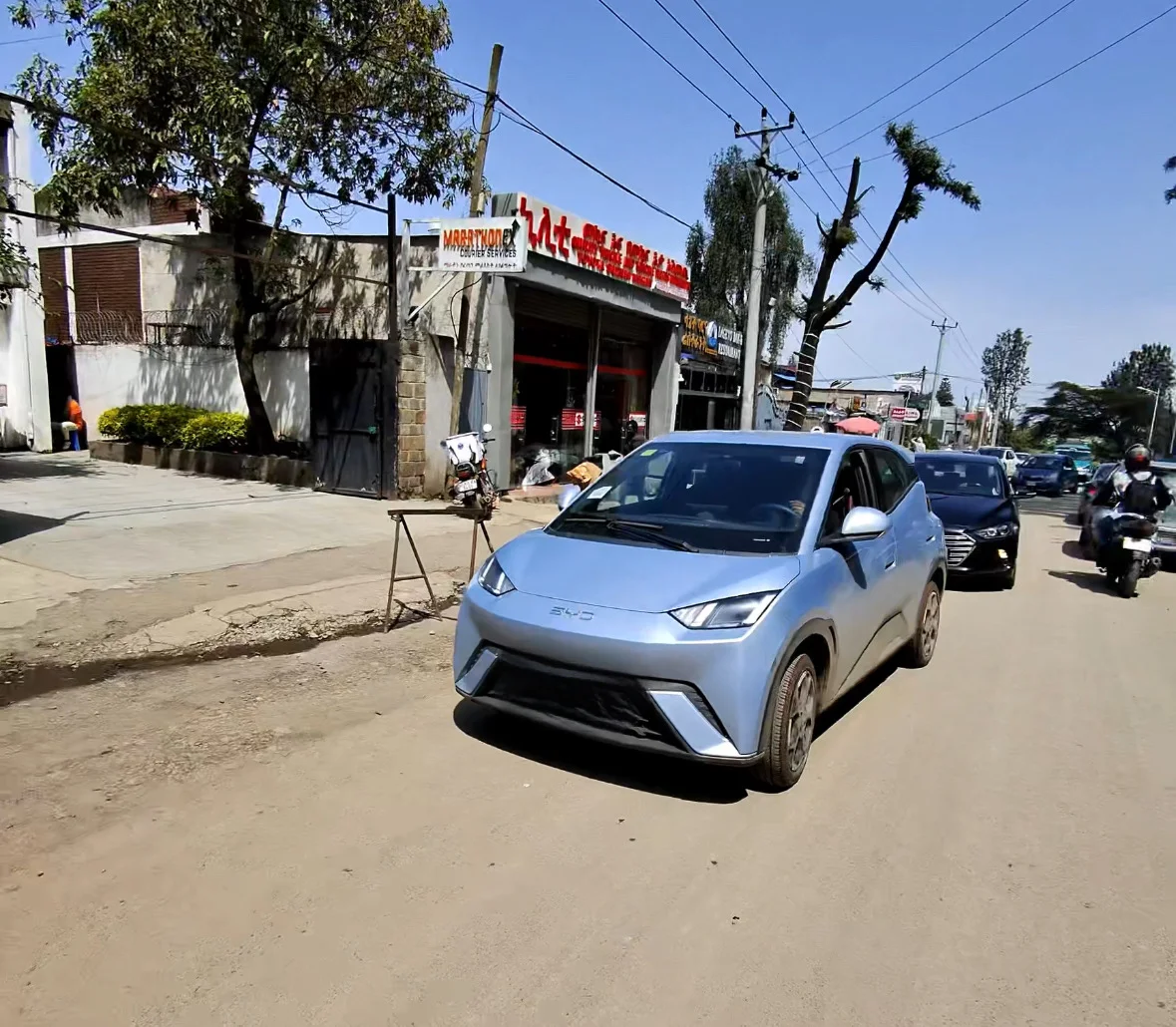
In Ethiopia, for example, most EVs sold are Chinese, partly because the Chinese are better at making cheap EVs, but also because they are, in part, assembled locally.
Maybe Ford’s CEO Jim Farley was not wrong when he said that it’s ‘too late‘ for European manufacturers.
Alessandro is an automotive journalist with 10 years of experience covering supercars, automotive history, emerging vehicle technology, and luxury transportation. He wrote the first article published on SupercarBlondie.com when the website launched in 2022 and has since built a reputation for insightful reporting across the automotive and transportation industries. His expertise is grounded in hands-on experience. Alessandro has driven every Tesla model ever produced, from the original Roadster to the Cybertruck, and regularly covers the latest developments in electric vehicles and automotive innovation. His passion for transportation extends beyond cars, he has even flown a Boeing 787 Dreamliner simulator in Addis Ababa, Ethiopia. His reporting spans everything from classic American muscle cars and rare automotive discoveries to luxury yachts, private aircraft, high-end watches, and cutting-edge vehicle technology. Known for his deep knowledge of automotive history and ability to uncover the stories behind iconic vehicles, Alessandro brings readers a blend of historical context, technical expertise, and first-hand experience.