Japan’s bullet trains automatically stopped seconds before 2011 megaquake hit and there were no derailments
Published on Feb 20, 2026 at 5:16 PM (UTC+4)
by Keelin McNamara
Last updated on Feb 20, 2026 at 5:16 PM (UTC+4)
Edited by
Amelia Jean Hershman-Jones
Did you know that Japan’s bullet trains automatically stopped themselves seconds before the 2011 megaquake hit?
Even more incredible than that is the fact that there was not one single derailment.
It is a story that almost sounds too unbelievable to be true.
It’s all thanks to some very smart infrastructure technology.
DISCOVER SBX CARS: The global premium car auction platform powered by Supercar Blondie
Japan gets rocked by largest megaquake in its history
Today’s story takes us back to March 2011.
Specifically, we head back to the afternoon of March 11.
That afternoon, a 9.0 megaquake was triggered off the coast of Japan.
The undersea earthquake lasted for approximately six minutes, but things were only getting started.
It led to an absolutely devastating tsunami, with waves reported as being as high as 40.5 meters (133ft).
Some of the tsunami waves travelled as fast as 435mph.
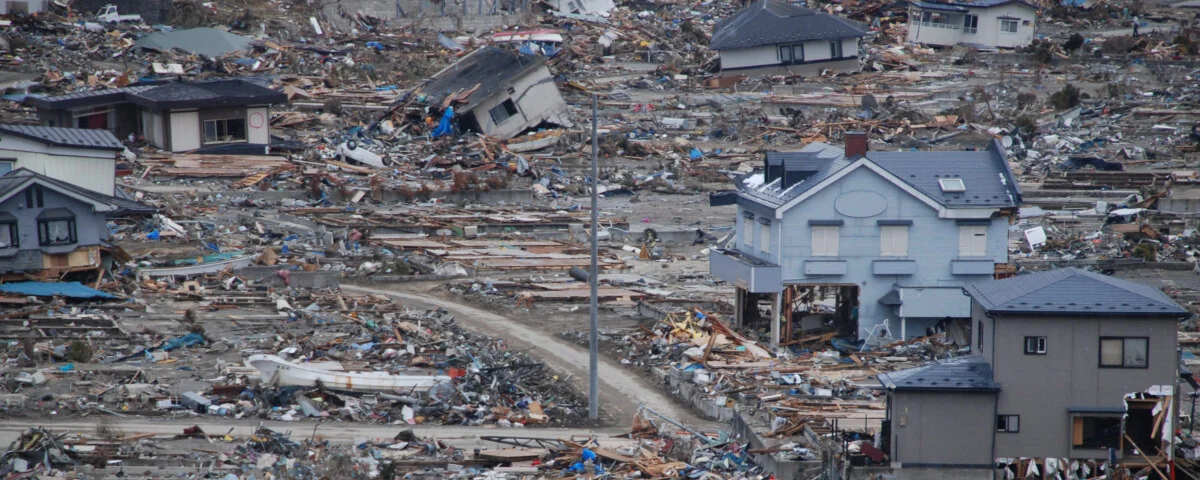
The result was cataclysmic, with more than 20,000 people losing their lives.
This tsunami also led to the Fukushima Daiichi nuclear disaster – namely, the meltdown of three of its nuclear reactors.
It remains the most powerful earthquake ever recorded in Japan, as well as the fourth most-powerful since modern records began in 1900.
The estimated economic damage came to over $300 billion, rendering the March 2011 megaquake the costliest natural disaster in human history.
Click the star icon next to supercarblondie.com in Google Search to stay ahead of the curve on the latest and greatest supercars, hypercars, and ground-breaking technology
Surely Japan’s bullet trains suffered the worst?
One area that you might have rightly expected to have been affected the worst would be Japan’s public transport systems.
These include the iconic Shinkansen bullet trains.
Yet there was not one, single derailment when the megaquake hit.
So why was this the case?
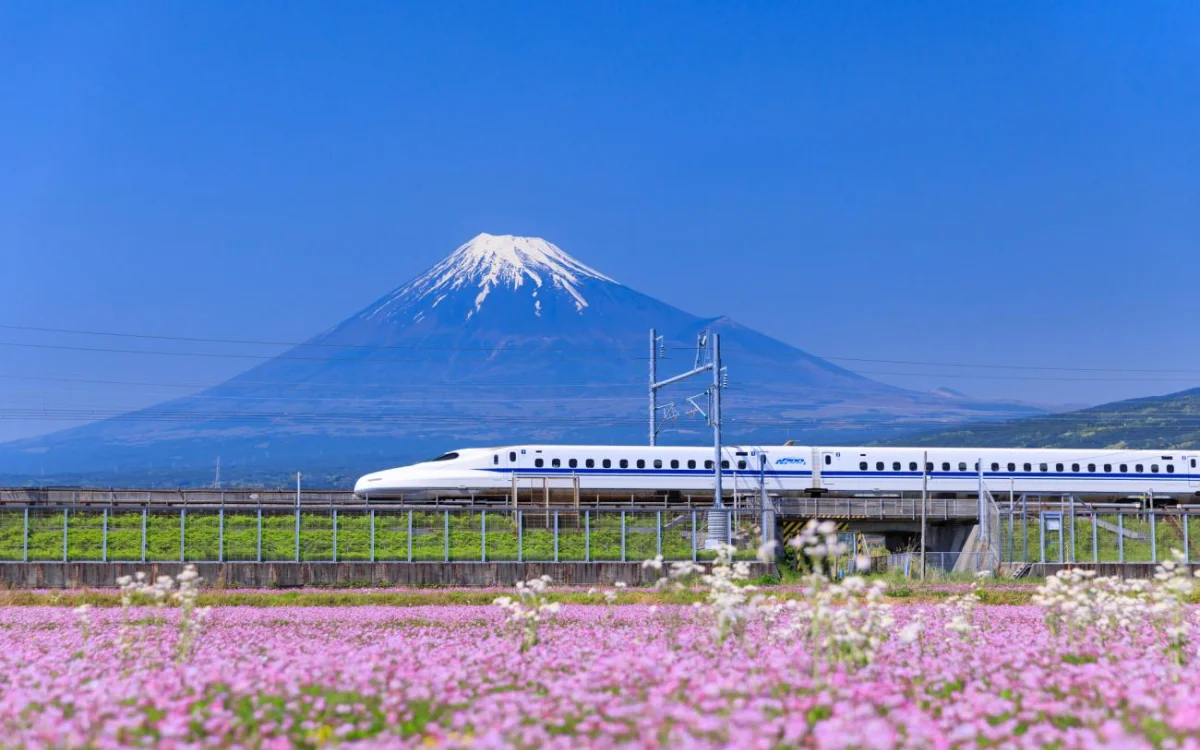
Japan’s Shinkansen bullet train system comes equipped with an earthquake early warning system.
Seismometers fitted to the bullet train network detected the earliest P-waves.
The sensors then automatically triggered emergency braking on all bullet trains before the strongest waves hit.
This gives bullet trains vital seconds to slow down and come to a complete stop.
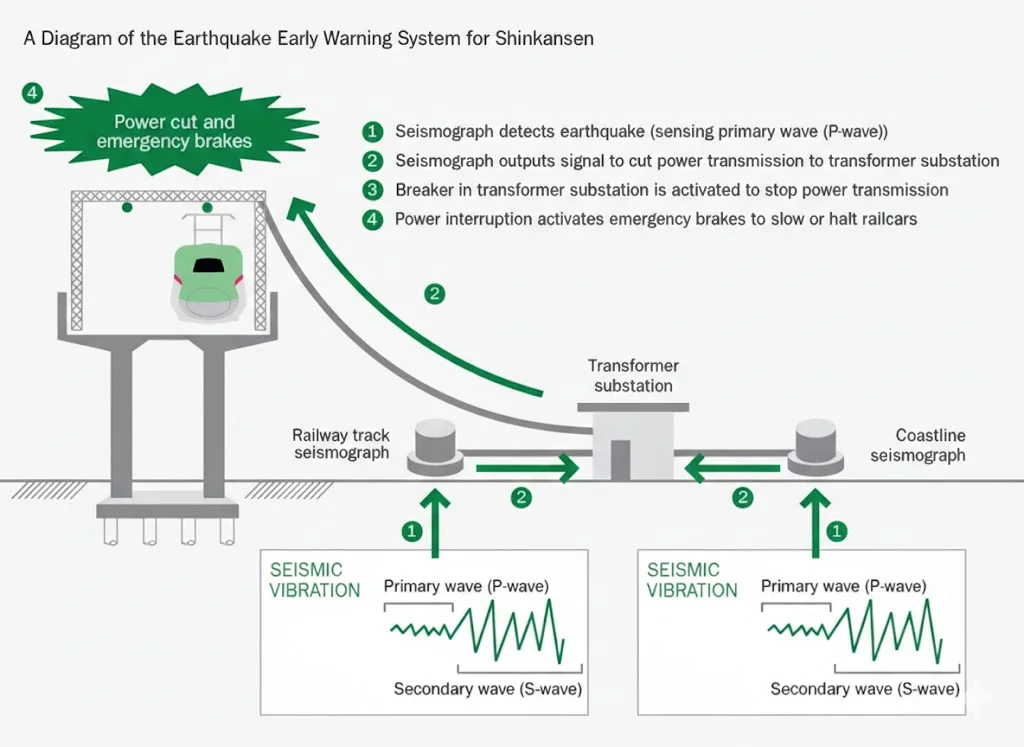
The result was that dozens of Shinkansen trains managed to stop in time.
Of course, the infrastructure itself suffered some serious damage.
But not one train was derailed during the main assault of the quake.
It serves as an excellent example of how early-warning systems really can manage the damage.