Jeff Bezos led expedition to recover Apollo rocket engines that once powered astronauts to the Moon from ocean floor
Published on Oct 14, 2025 at 12:27 PM (UTC-4)
by Daisy Edwards
Last updated on Oct 15, 2025 at 11:48 AM (UTC-4)
Edited by
Emma Matthews
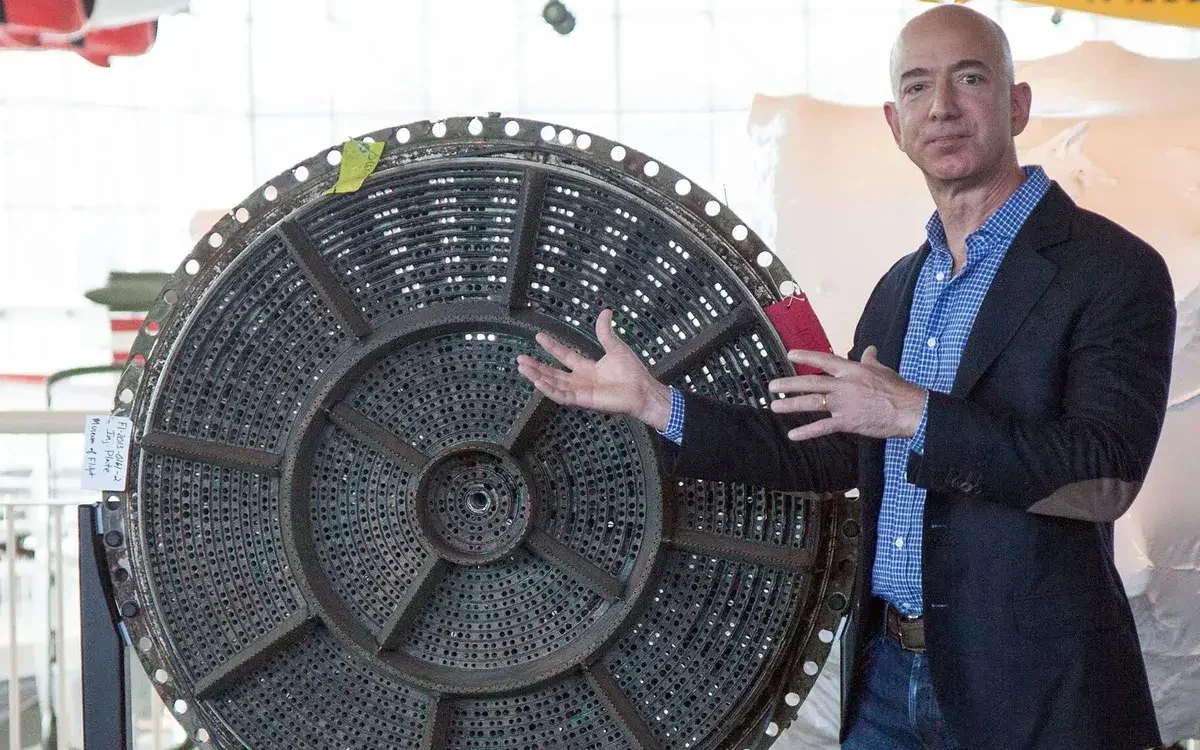

Did you know that Jeff Bezos led an expedition to recover Apollo rocket engines that once powered astronauts to the Moon from the ocean floor?
The Amazon founder has done something straight out of a sci-fi movie and hauled one of NASA’s legendary Apollo rocket engines from nearly three miles beneath the Atlantic Ocean.
These colossal engines burned for just 165 seconds, pushing the rocket’s first stage more than 60 miles into the sky before falling back to Earth, then vanishing into the deep ocean for decades.
Enter Bezos, who is bringing them back to shore.
EXPLORE SBX CARS – Supercar auctions starting soon powered by Supercar Blondie
Jeff Bezos recovered Apollo rocket engines that sent astronauts to the moon
Amazon and Blue Origin founder Jeff Bezos, led an expedition to recover an iconic piece of space history.
He and his team decided that they were going to dredge up the F-1 engines that once powered the Saturn V rockets, launching astronauts toward the Moon during the Apollo missions of the 1960s and ’70s.
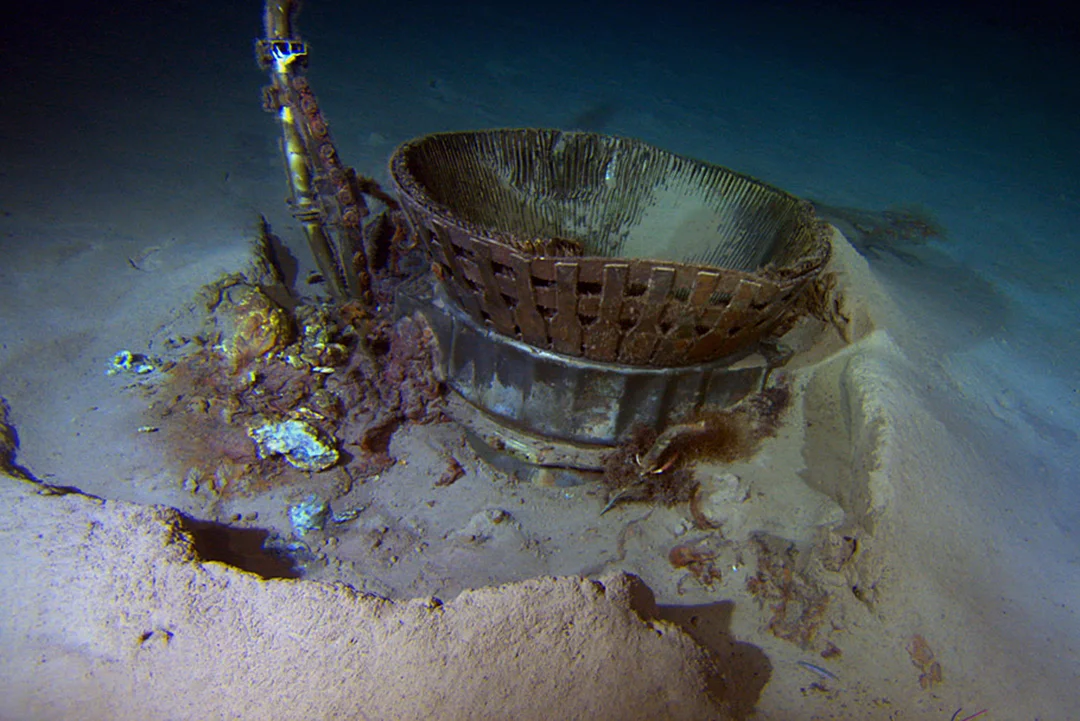
The recovery wasn’t simple, and using a combination of sonar scans and deep-sea remotely operated vehicles, Bezos’ privately funded team located the wreckage about 360 miles off Cape Canaveral.
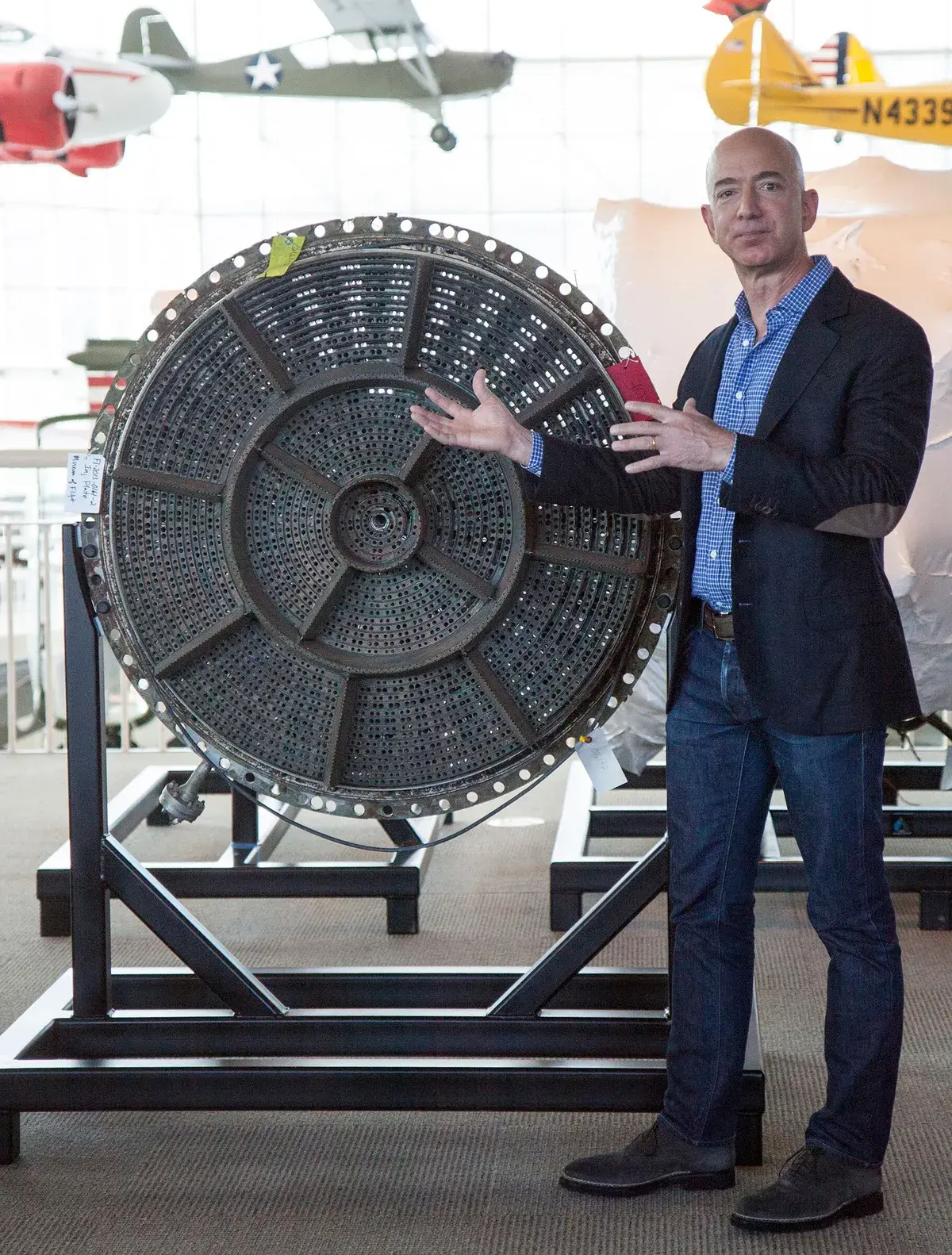
Over three weeks at sea, they hauled up incredible relics from space, including the nozzle, thrust chamber, turbine, and heat exchanger, which were now badly corroded but still recognizable as being from Saturn V.

No Apollo-gies needed
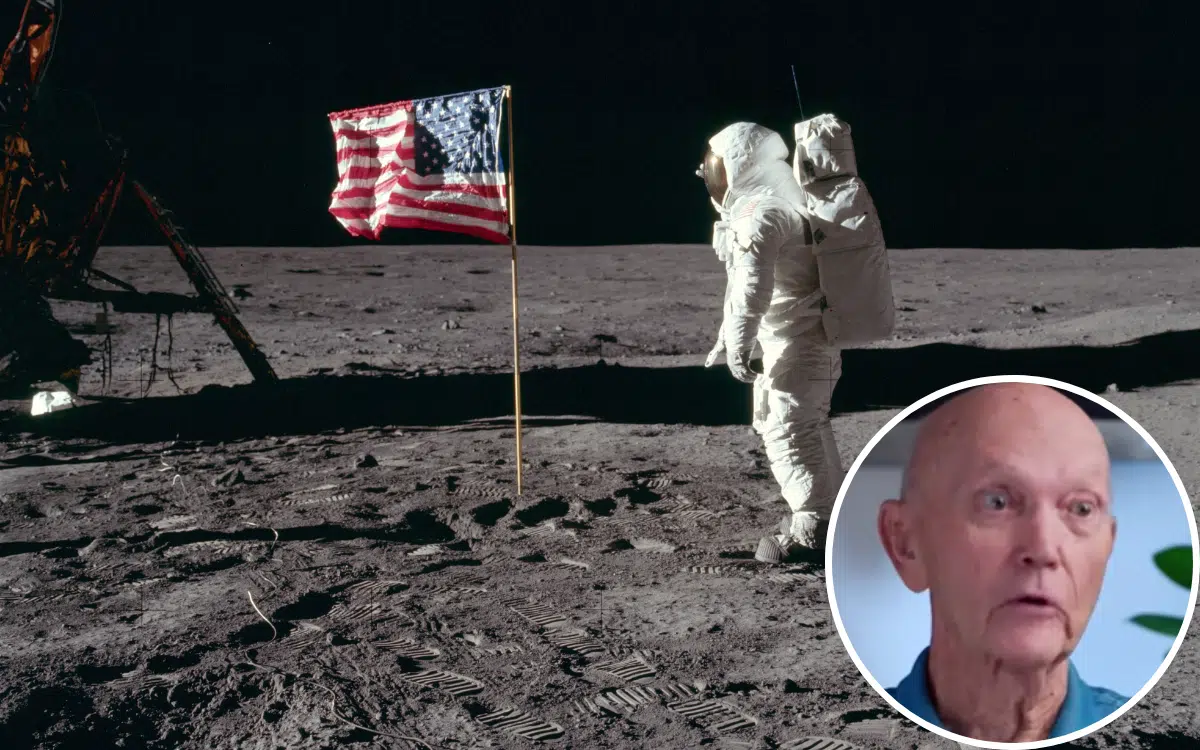
The wildest part of the whole project is that no one knows exactly which Apollo mission these engines came from.
They could be from Apollo 11, which is the one that took Neil Armstrong and Buzz Aldrin to the Moon, or from another of the legendary launches.
Bezos plans to restore the parts so the public can see them up close; one will probably head to the Smithsonian, while another is going to Seattle’s Museum of Flight.
These relics from the coolest road trip that ever happened are a good reminder of how far space exploration has come, and how much further we have to go.
Daisy is a technology and automotive journalist covering artificial intelligence, consumer tech, Apple news, cryptocurrency, emerging technologies, and transportation innovation. Since joining the team in 2025, she has reported on everything from AI-powered startups and major iOS updates to viral car stories and the latest developments shaping transportation and the digital economy. Drawing on her background in automotive journalism and a degree in History and Journalism from Goldsmiths, University of London, Daisy specializes in breaking down complex topics into clear, engaging reporting for a global audience. Her work spans cutting-edge technology, innovative vehicles, and the people driving change across both industries. Daisy has gained first-hand access to some of the world's most talked-about technologies and innovators, including meeting Tesla's Optimus humanoid robot during its first European appearance in London. She has also discussed the future of space exploration with an astronaut, bringing unique insights and real-world perspectives to her coverage of emerging technology.




