Jeremy Clarkson's prediction about China's automotive industry quietly came true when no one suspected it
Published on Oct 30, 2025 at 5:07 PM (UTC-4)
by Alessandro Renesis
Last updated on Oct 30, 2025 at 5:07 PM (UTC-4)
Edited by
Emma Matthews
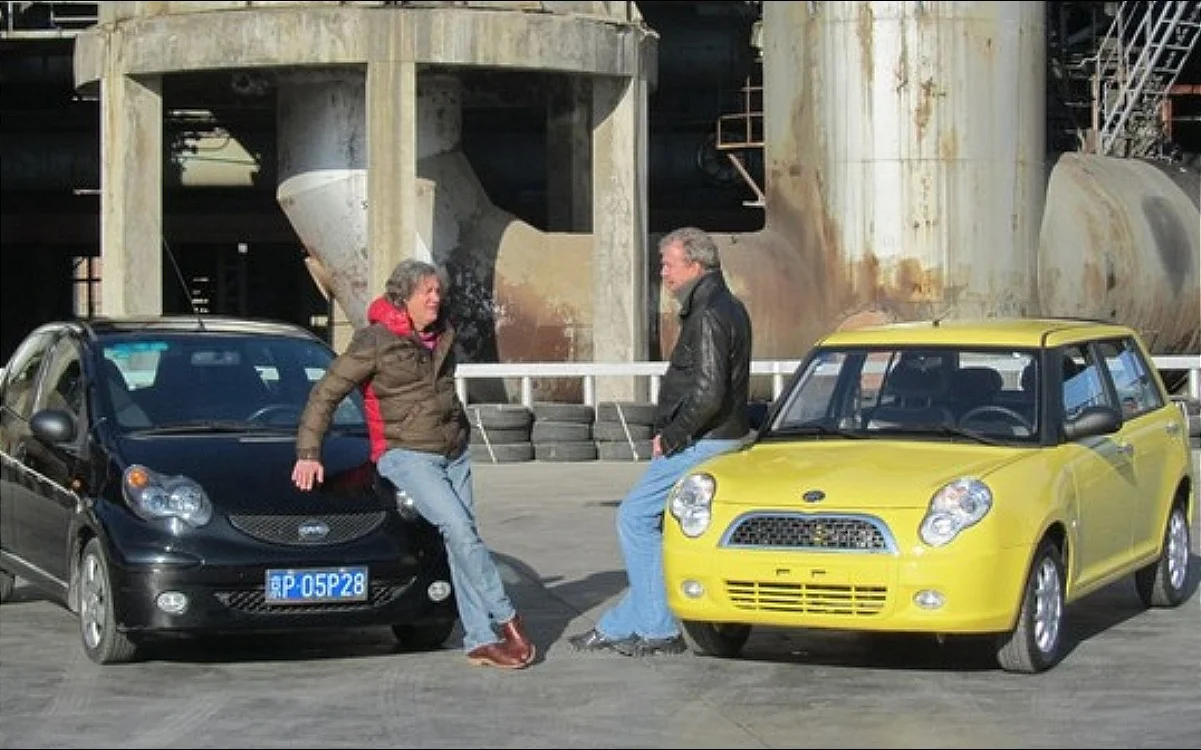

Over a decade ago, Jeremy Clarkson and James May went to China to investigate China’s rapidly growing car industry.
The country’s automotive industry was already on the rise back then, and the BBC wanted boots on the ground to find out more about it.
Jeremy Clarkson and James May made two predictions about the Chinese car industry.
And, amazingly, they both came true.
DISCOVER SBX CARS: The global premium car auction platform powered by Supercar Blondie
Jeremy Clarkson and James May were absolutely spot on
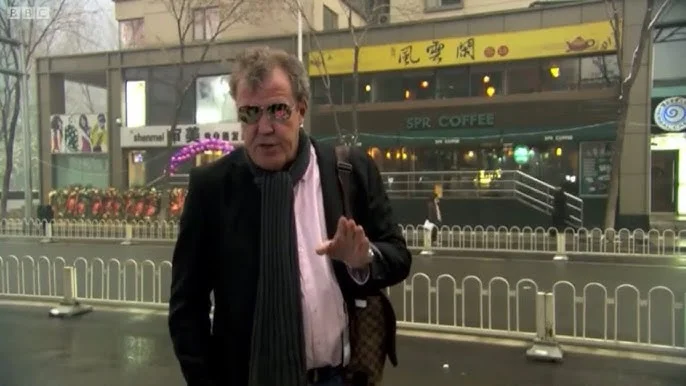
In 2011, Jeremy Clarkson and James May traveled to China to find out what was going on with the country’s car industry.
Their conclusion – summarized and condensed – was that Chinese cars were still fairly terrible back then, but that wasn’t going to last long.
The trajectory was already pretty clear.

“In 1977, there were one million cars in China. By 2008, there were 51 million. Today [in 2011], there are 85 million,” James May said in the video.
May and Clarkson concluded that the number could only go up, and it did.
In 2025, there are 350 million cars in China, which is around the same as the US and Germany combined.
Before wrapping up the show, Clarkson and May also answered the question that created the whole premise for the episode.
“So are we all going to be driving Chinese cars in the future? Probably,” they said, half ironic and half serious.
Well, they were spot on.
And it gets better, and spookier, because Clarkson also made another prediction that turned out to be incredibly accurate.
“By 2025, the road network [in China] will be big enough to cover the whole of the British Isles… 20 times over,” Clarkson said.
He was right.
Related
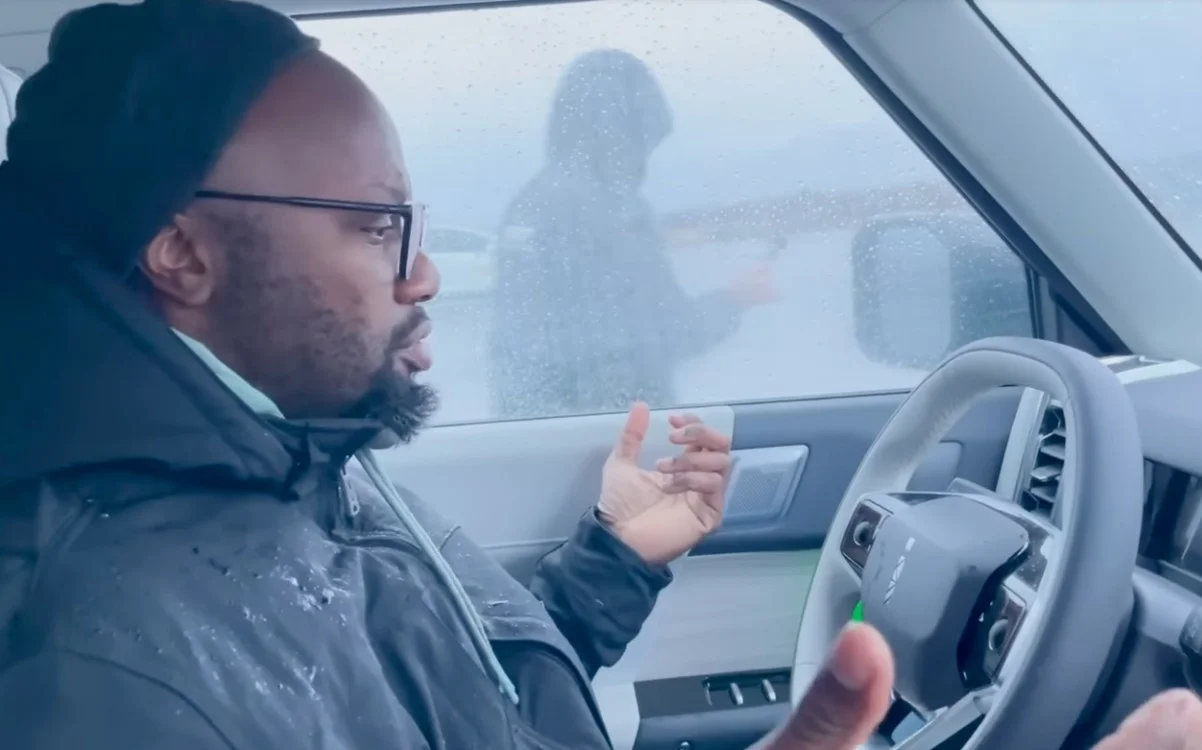
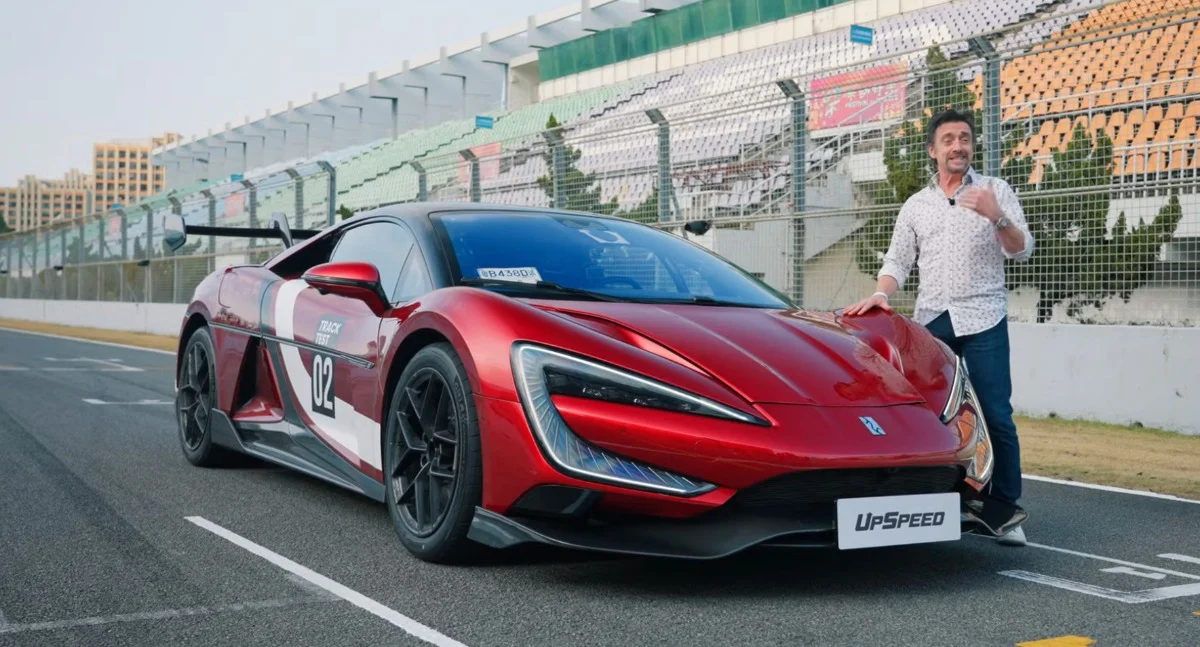
How China built its position in the car world
When Clarkson and May went to China, no one outside the country was buying Chinese cars, chiefly because they were not very good.
They were cheap, but they were usually pretty hopeless, and they generally looked bad, too.
Mostly because they were designed to be rip-offs of European vehicles.
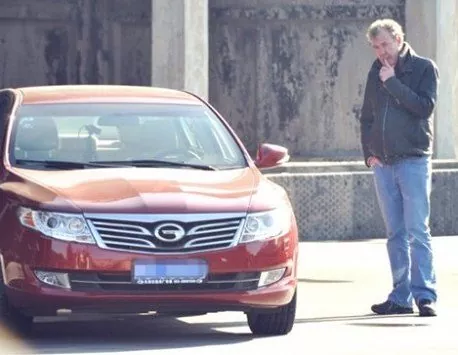
Clearly, that strategy wasn’t working, which is why Chinese automakers decided to focus more on the emerging EV market, mostly because no one else was.
For years, Tesla was the only ‘serious’ EV maker around, and most legacy automakers were a bit slow and hesitant when it came to electric cars.
There was a void in the market, and China decided to fill that void.
Today, Chinese automakers are occasionally still shamelessly copycatting vehicles made in Europe or the US, but a lot less often.
Not only that, they started nicking talent from their European rivals.
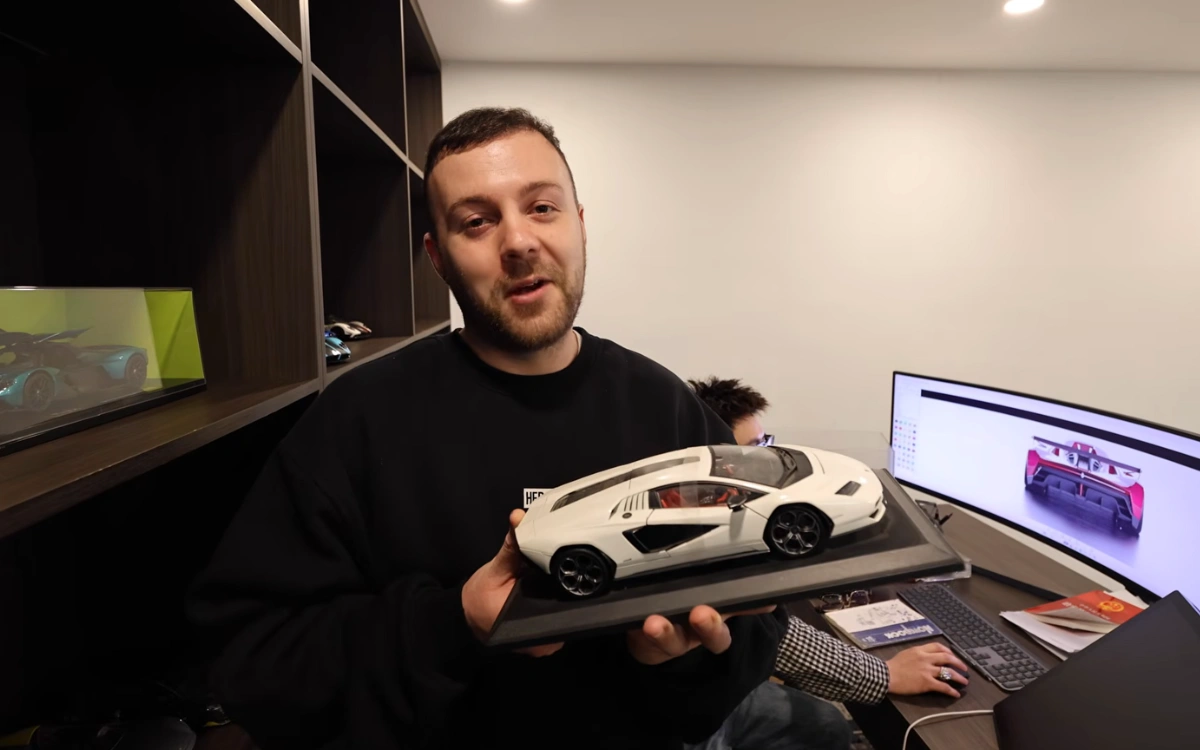
BYD’s head designer is German, and he used to work at Lamborghini and Audi.
Xiaomi did the same for its new European R&D center in Munich, which is led by Fabian Schmolz as head of exterior design, who also used to work at Lamborghini.
So the bottom line is May and Clarkson were right.
And at this rate, who knows what the market in China is going to look like in 15 years?
Alessandro is an automotive journalist with 10 years of experience covering supercars, automotive history, emerging vehicle technology, and luxury transportation. He wrote the first article published on SupercarBlondie.com when the website launched in 2022 and has since built a reputation for insightful reporting across the automotive and transportation industries. His expertise is grounded in hands-on experience. Alessandro has driven every Tesla model ever produced, from the original Roadster to the Cybertruck, and regularly covers the latest developments in electric vehicles and automotive innovation. His passion for transportation extends beyond cars, he has even flown a Boeing 787 Dreamliner simulator in Addis Ababa, Ethiopia. His reporting spans everything from classic American muscle cars and rare automotive discoveries to luxury yachts, private aircraft, high-end watches, and cutting-edge vehicle technology. Known for his deep knowledge of automotive history and ability to uncover the stories behind iconic vehicles, Alessandro brings readers a blend of historical context, technical expertise, and first-hand experience.