Fully electric Range Rover has finally been revealed and this is how it compares to the gas-powered version
Published on Sep 02, 2026 at 10:29 AM (UTC-4)
by Alessandro Renesis
Last updated on Sep 30, 2026 at 8:14 AM (UTC-4)
Edited by
Mason Jones
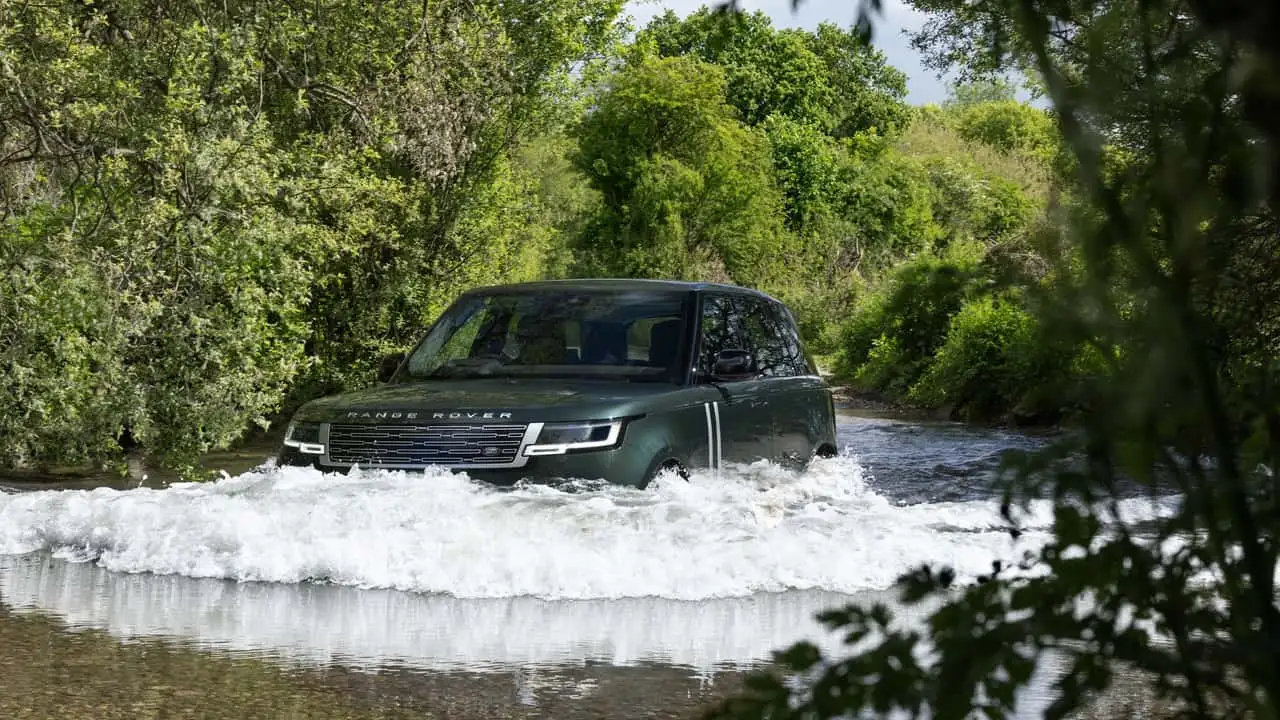

The new Land Rover Range Rover Electric is finally here, and there are a few things we need to talk about.
We should probably start with its design, considering it looks exactly like the gas-powered one.
But there’s a lot to unpack under the surface.
And the price tag is probably not what you’d expect.
What Range Rover did right that so many did wrong
For a long time, some automakers were somehow convinced electric cars had to look different and strange.
Like they absolutely had to look OTT or quirky and you had to be able to tell them apart from their gas counterparts.
But why?
Buyers never really asked for that, and they spent money accordingly.
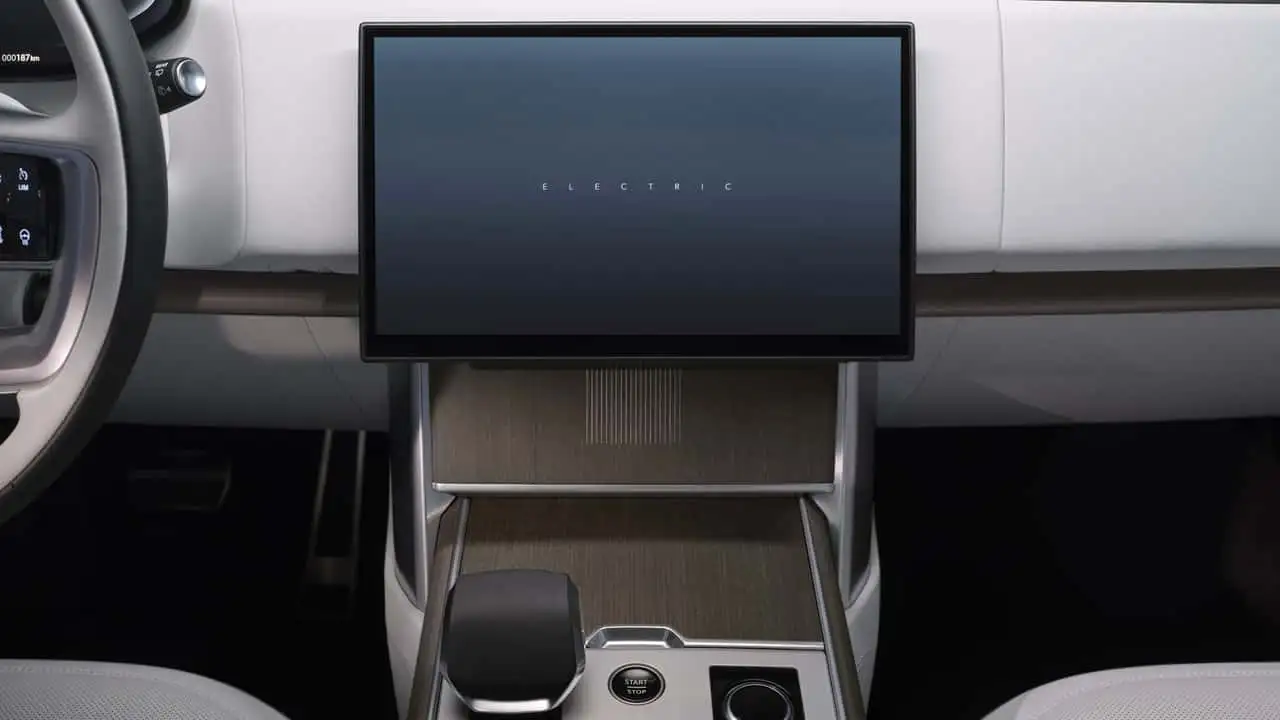
The Tesla Model Y, a perfectly normal-looking city SUV, is a bestseller.
By contrast, the Tesla Cybertruck isn’t.
It has a very affectionate and passionate pool of buyers and fans – true – but it doesn’t top charts.
On that front, Range Rover probably did the right thing.
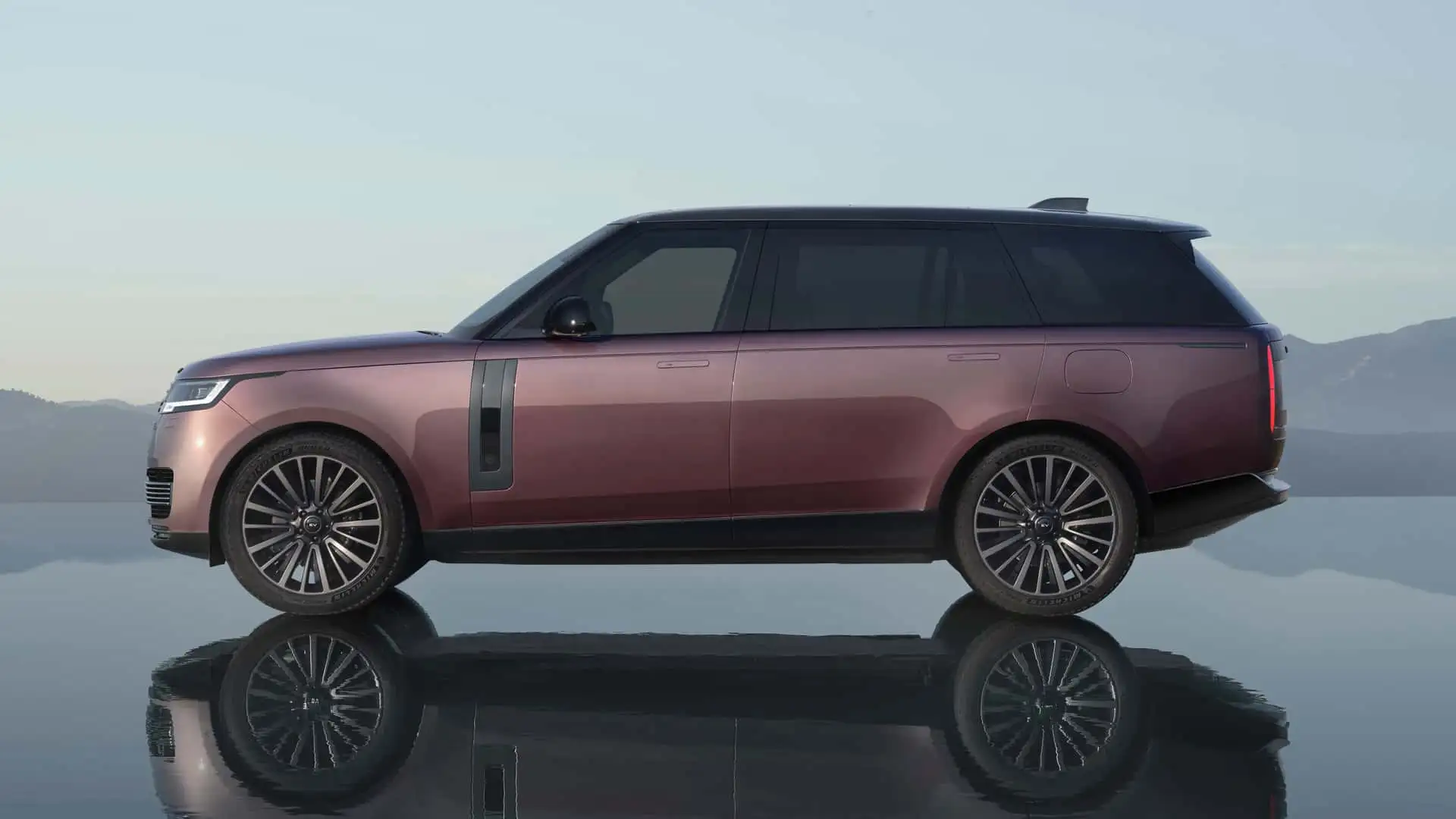
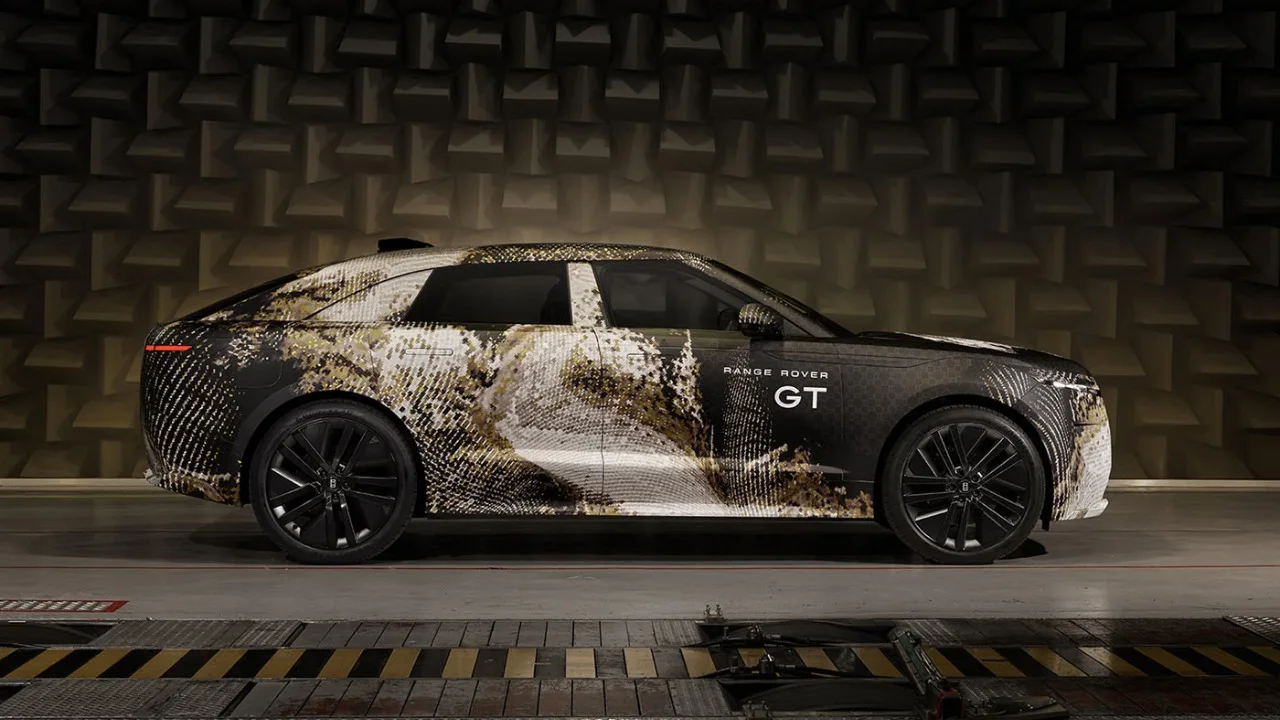
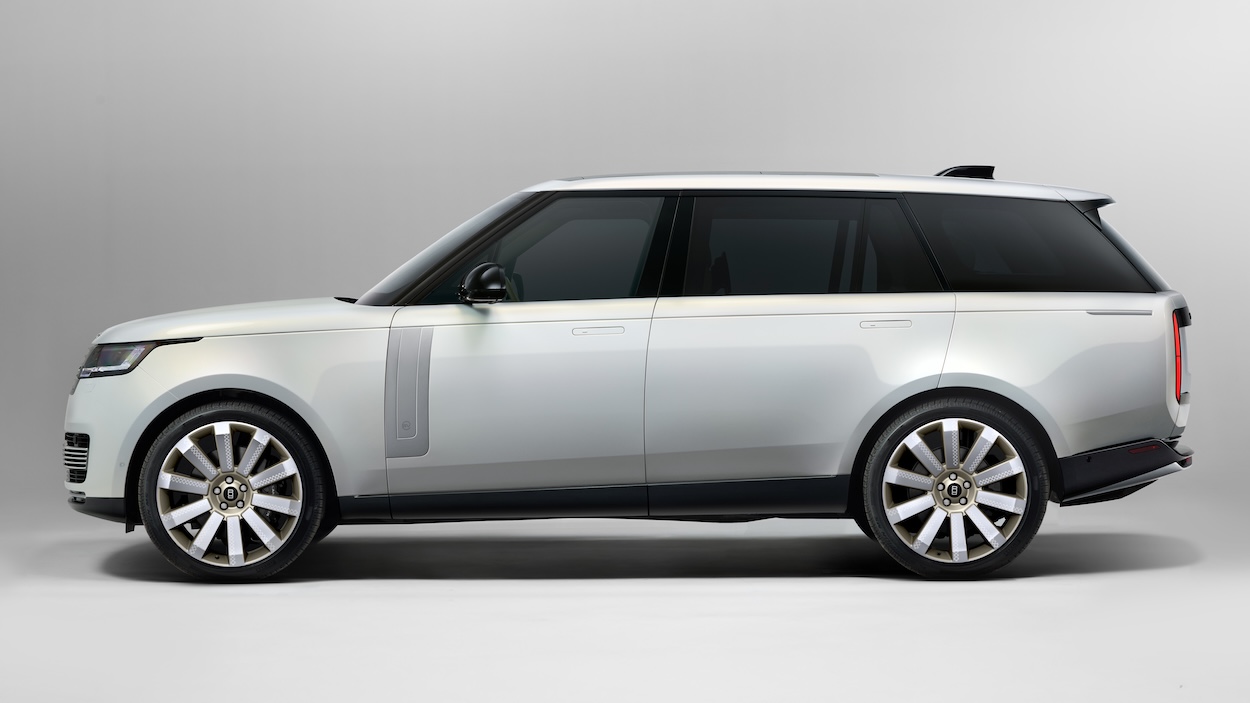
The new Range Rover Electric looks exactly like its gas-powered sibling.
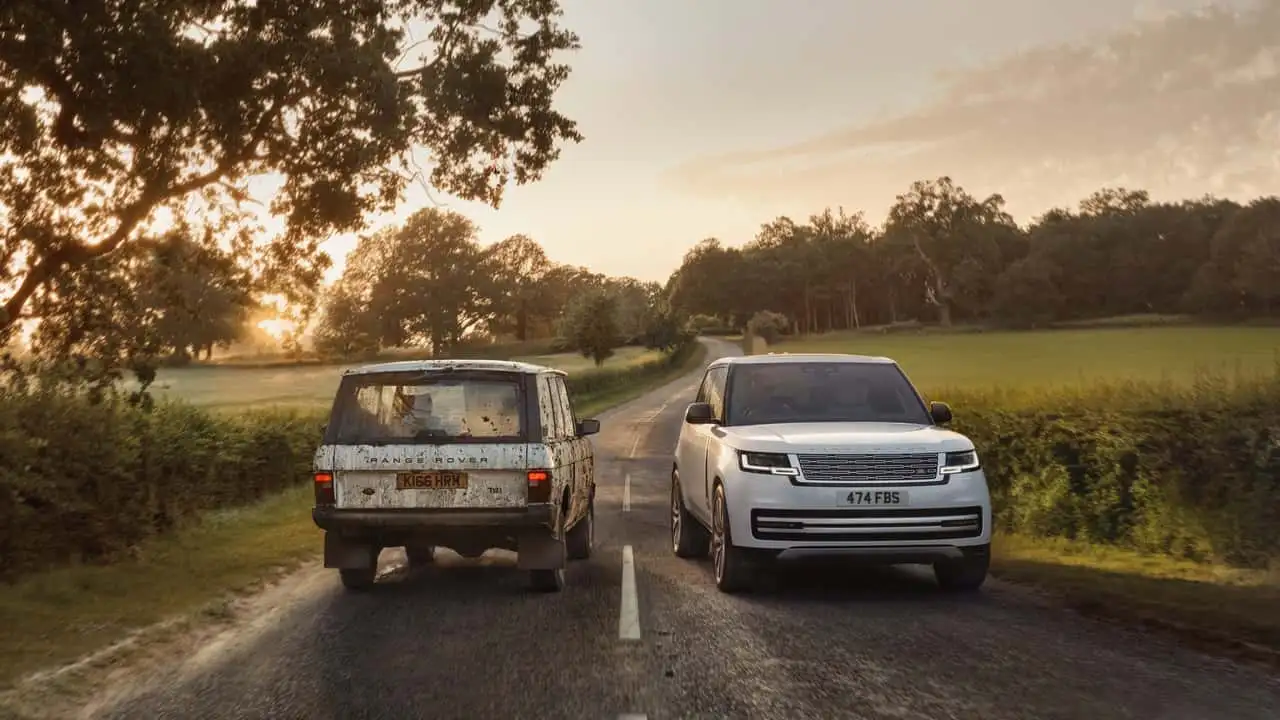
Rather than adopting a radical, futuristic aesthetic, Land Rover chose to keep the exterior virtually indistinguishable from its internal-combustion brother.
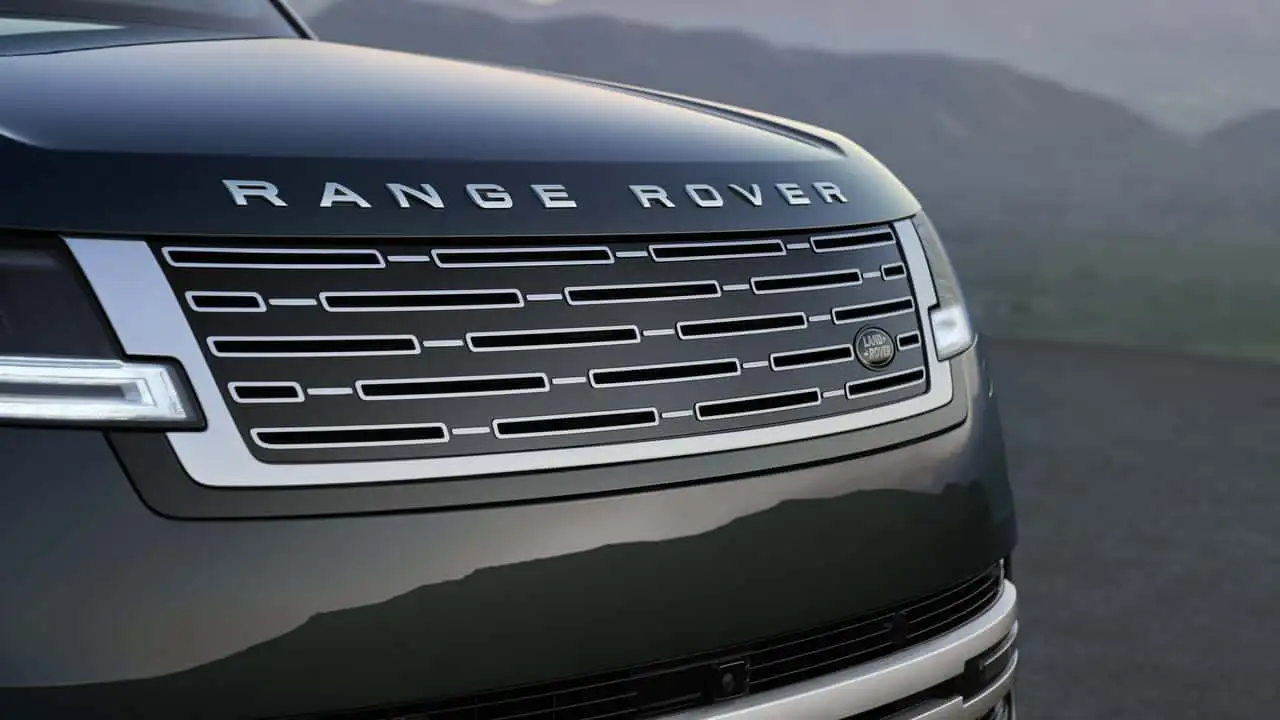
Subtle aerodynamic adjustments, including a unique grille design, specialized wheel options, and the absence of exhaust tips, mark it out as an EV – but that’s about it.
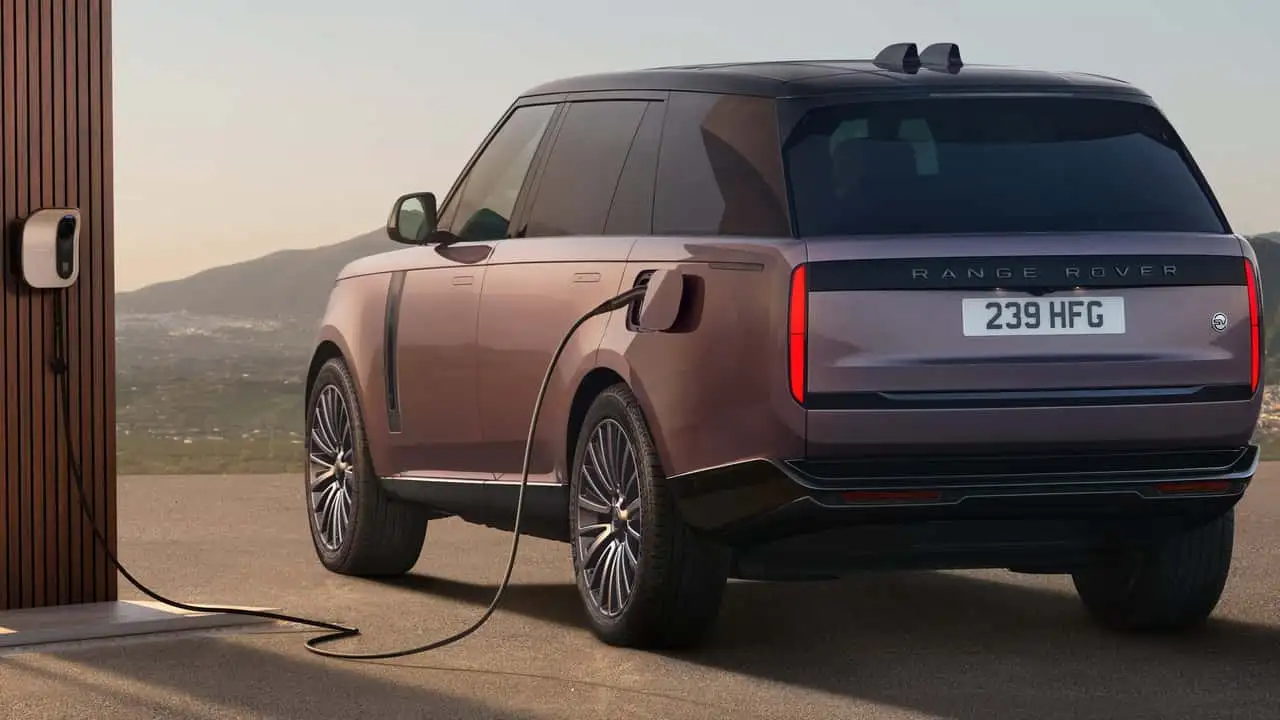
Under the surface, well, that’s a different story.
Related
This is still a proper off-roader
Beneath the familiar sheet metal you’ll find two motors paired with an 800-volt electrical architecture, which also supports DC fast-charging at up to 350 kW, which means you can charge from 10 to 80 percent in 22 minutes.
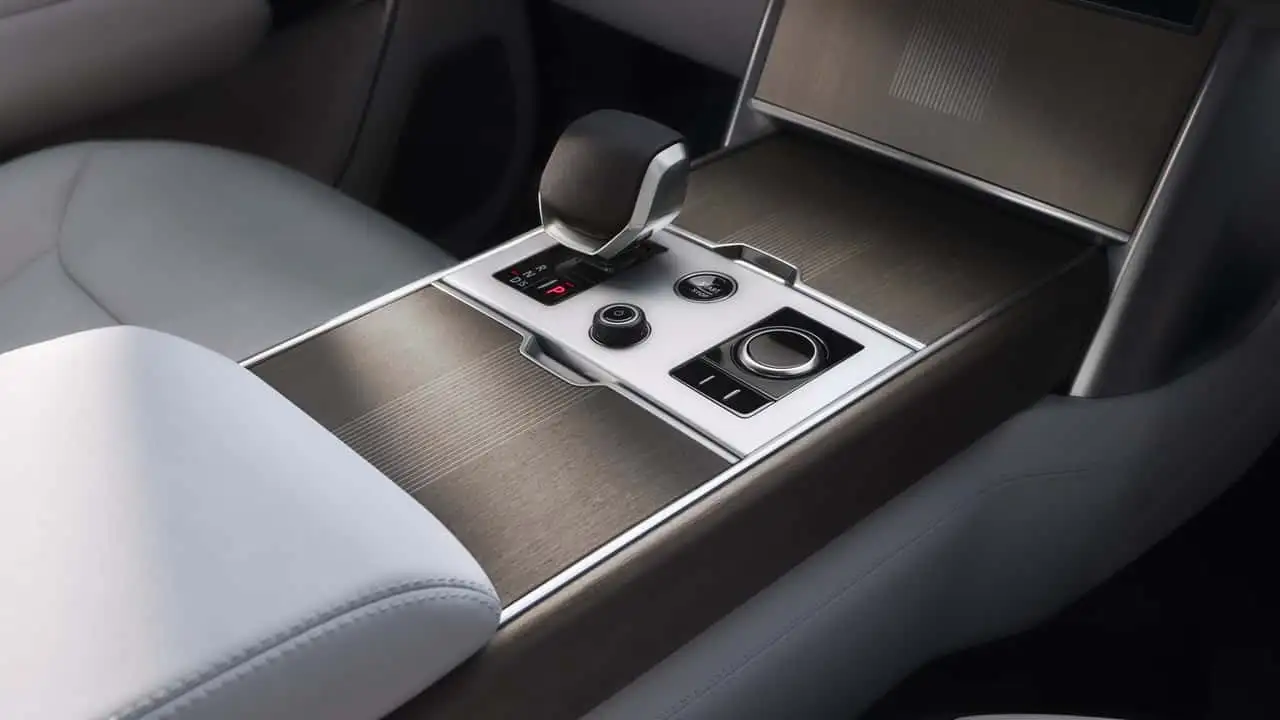
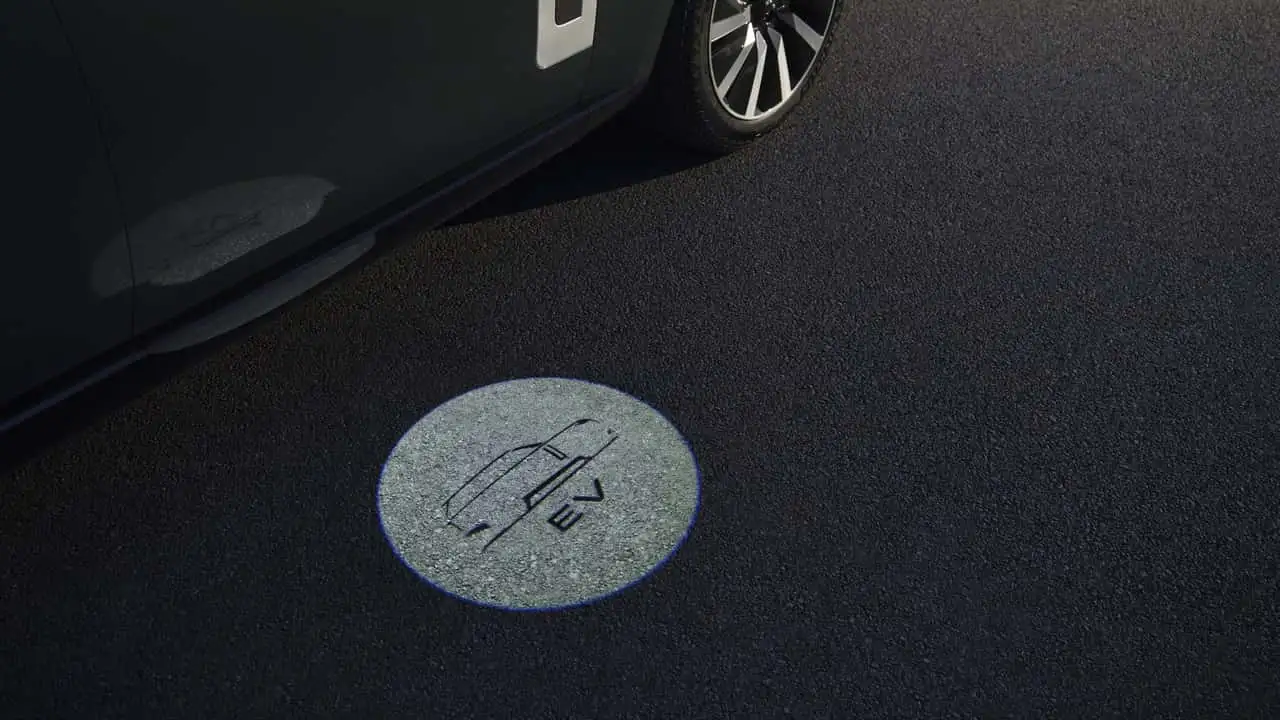
The setup generates 542 horsepower and 627 lb-ft of torque, launching the heavy SUV from zero to 60 mph in just 4.3 seconds.
As for the 118.5-kWh battery pack, it has an EPA-estimated driving range of 333 miles.
Also, in the US, the Range Rover Electric will be equipped with the North American Charging Standard (NACS) port, which means you can use Tesla Superchargers.
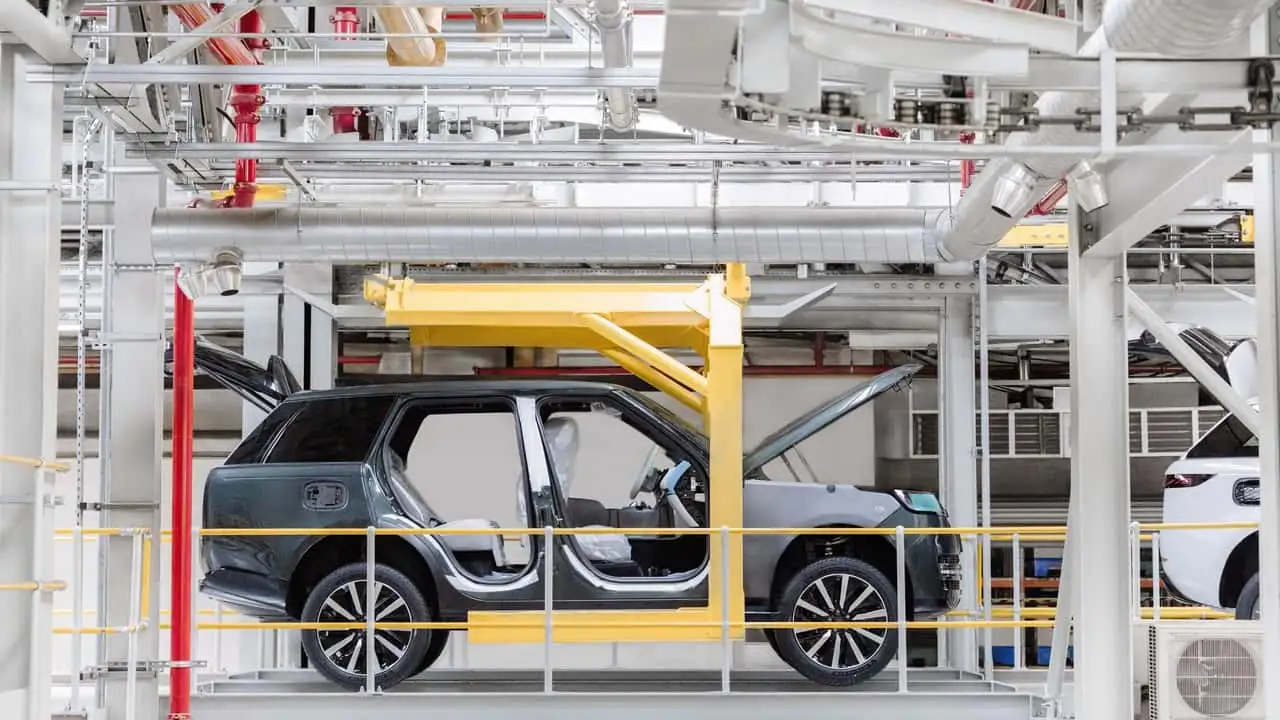
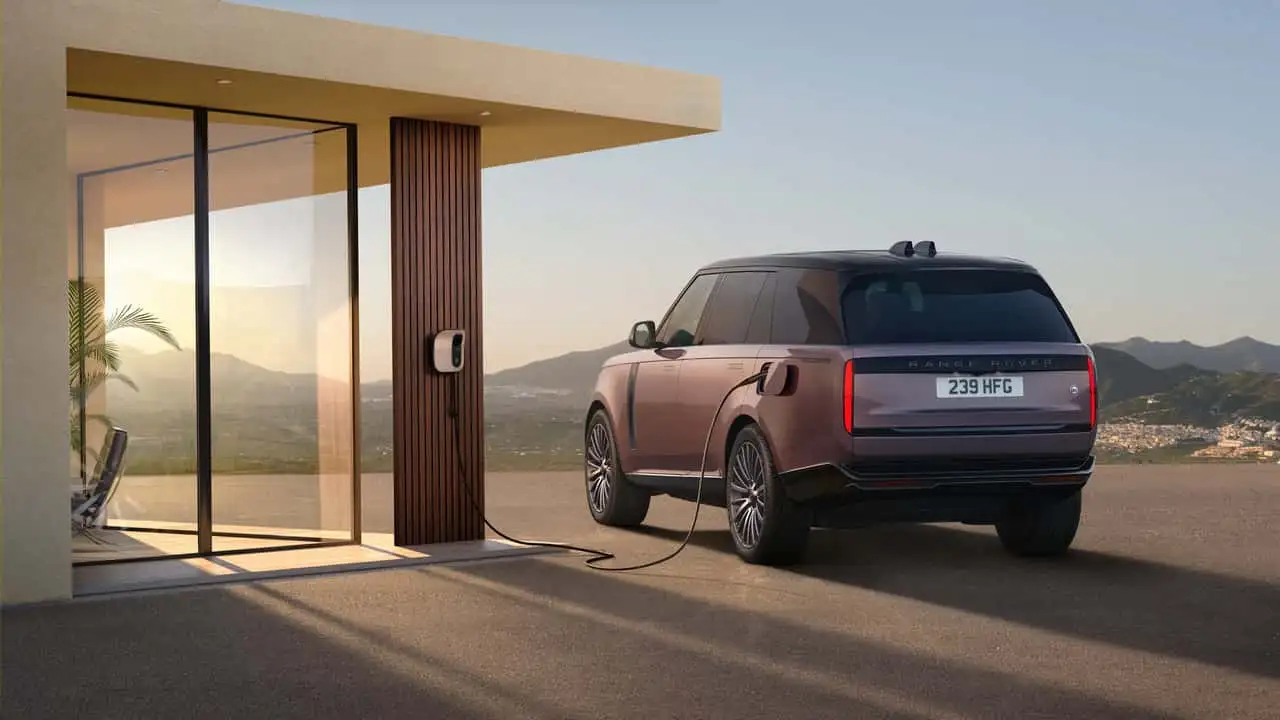
Also, Land Rover still wanted to keep the vehicle’s off-road capability.
That’s why they’ve given it an advanced electronic traction management system that responds to wheel slip in 50 milliseconds – roughly 100 times faster than a traditional mechanical combustion setup.
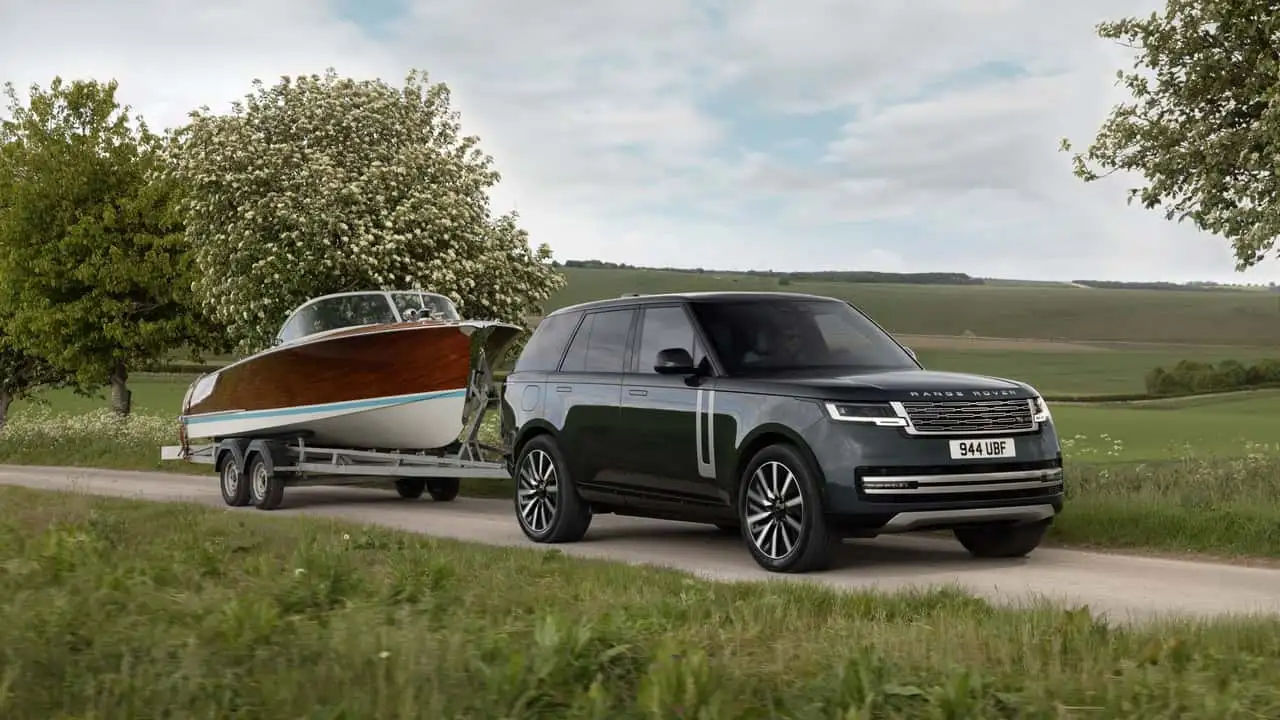
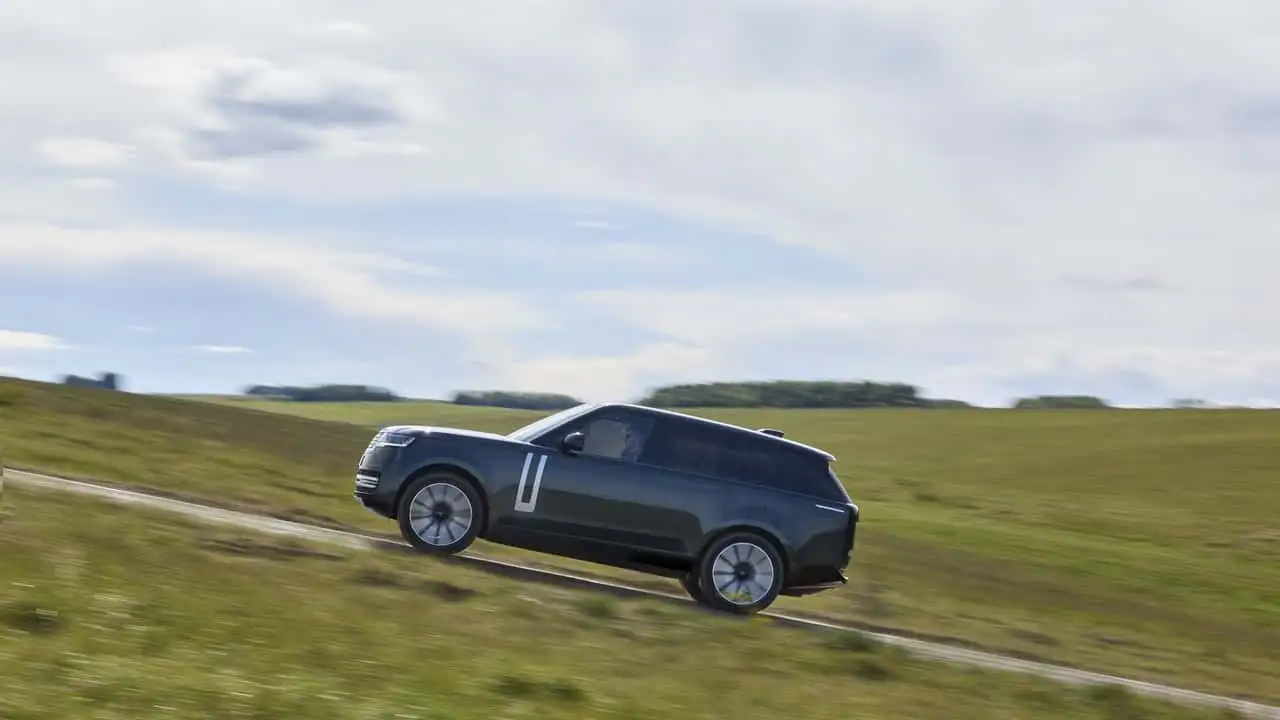
This means you can single-pedal drive on rough terrain and tackle 33-degree inclines, while preserving the gas-powered Range Rover’s ability to wade water up to 35 inches.
Order books for the luxury EV are officially open, with US pricing starting at $138,000.
That’s the large elephant in the room, because it makes the Range Rover Electric significantly expensive than most of its rivals.
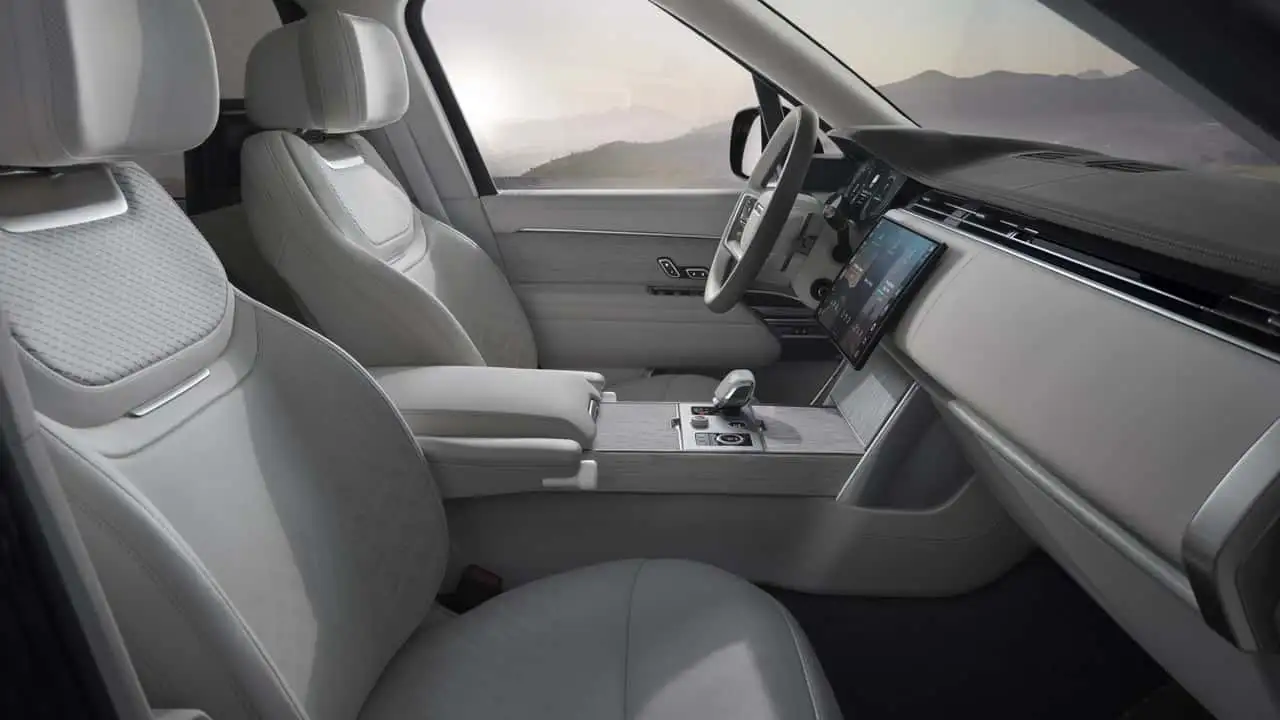
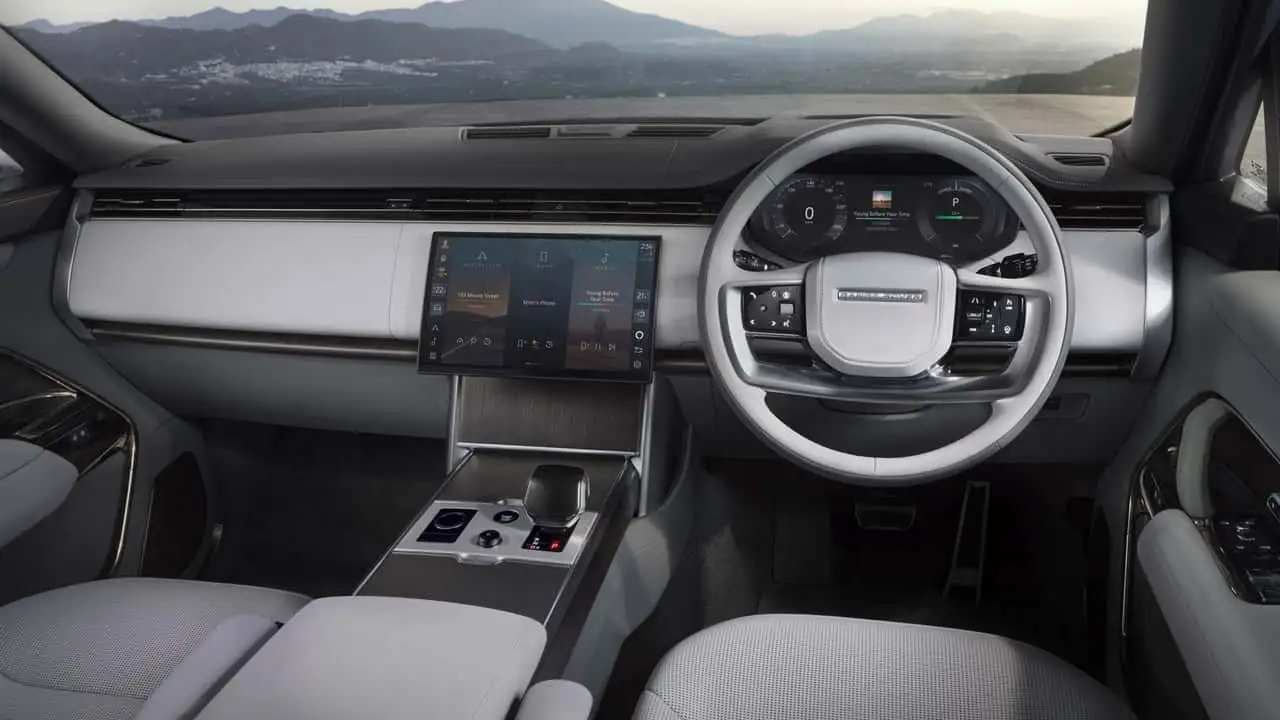
Even the Porsche Cayenne Electric, which is not exactly cheap, starts at ‘just’ $109,000.
It’s a bold strategy – we’ll see whether it works or not.
Alessandro is an automotive journalist with 10 years of experience covering supercars, automotive history, emerging vehicle technology, and luxury transportation. He wrote the first article published on SupercarBlondie.com when the website launched in 2022 and has since built a reputation for insightful reporting across the automotive and transportation industries. His expertise is grounded in hands-on experience. Alessandro has driven every Tesla model ever produced, from the original Roadster to the Cybertruck, and regularly covers the latest developments in electric vehicles and automotive innovation. His passion for transportation extends beyond cars, he has even flown a Boeing 787 Dreamliner simulator in Addis Ababa, Ethiopia. His reporting spans everything from classic American muscle cars and rare automotive discoveries to luxury yachts, private aircraft, high-end watches, and cutting-edge vehicle technology. Known for his deep knowledge of automotive history and ability to uncover the stories behind iconic vehicles, Alessandro brings readers a blend of historical context, technical expertise, and first-hand experience.