We now know exactly how many Cybertrucks SpaceX has been buying and the number may come as a surprise
Published on Apr 24, 2026 at 4:15 PM (UTC-4)
by Callum Tokody
Last updated on Apr 29, 2026 at 1:24 AM (UTC-4)
Edited by
Emma Matthews
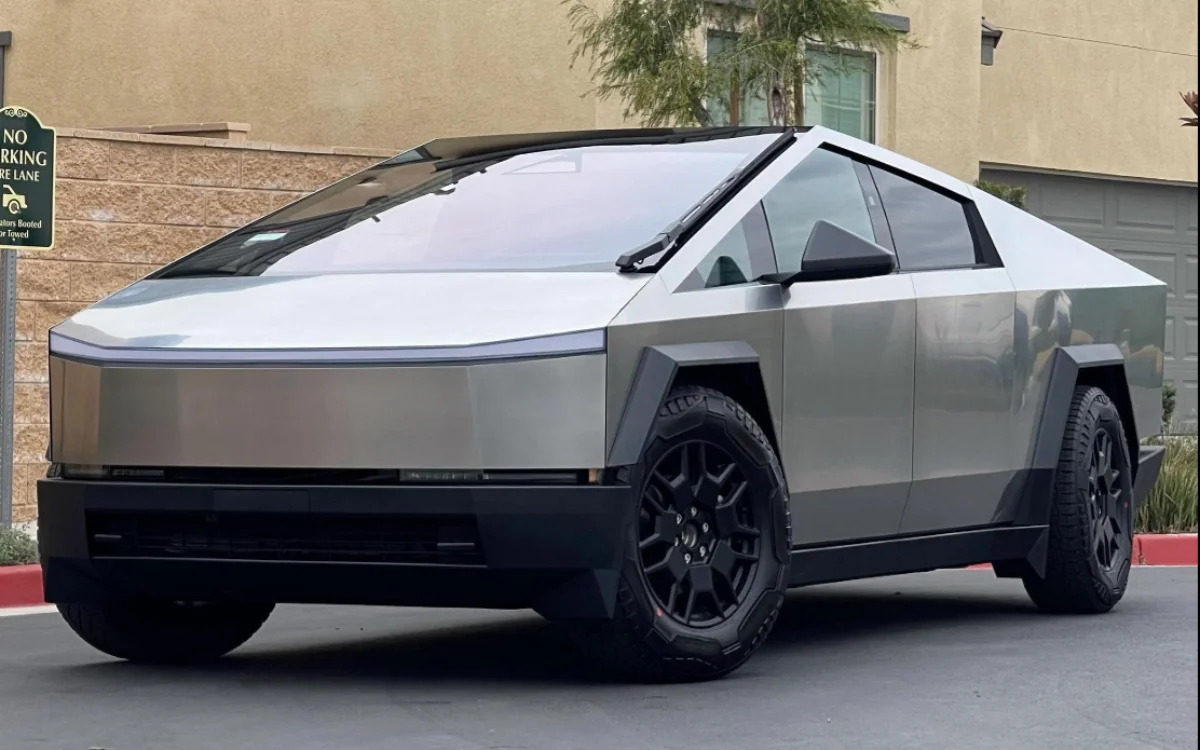

SpaceX is currently propping up Tesla Cybertruck delivery figures by moving a massive amount of inventory into its internal operations.
Official registration data shows that the aerospace firm acquired over 1,200 units of the pickup during the final three months of 2025.
This internal procurement suggests that a substantial portion of production is currently being absorbed by Tesla-related businesses rather than the general public.
The discovery raises some difficult questions about the true depth of public interest in the polarizing electric truck.
SpaceX masks cooling consumer demand
Tesla originally set a production goal of 250,000 units annually for its geometric pickup, the Cybertruck.
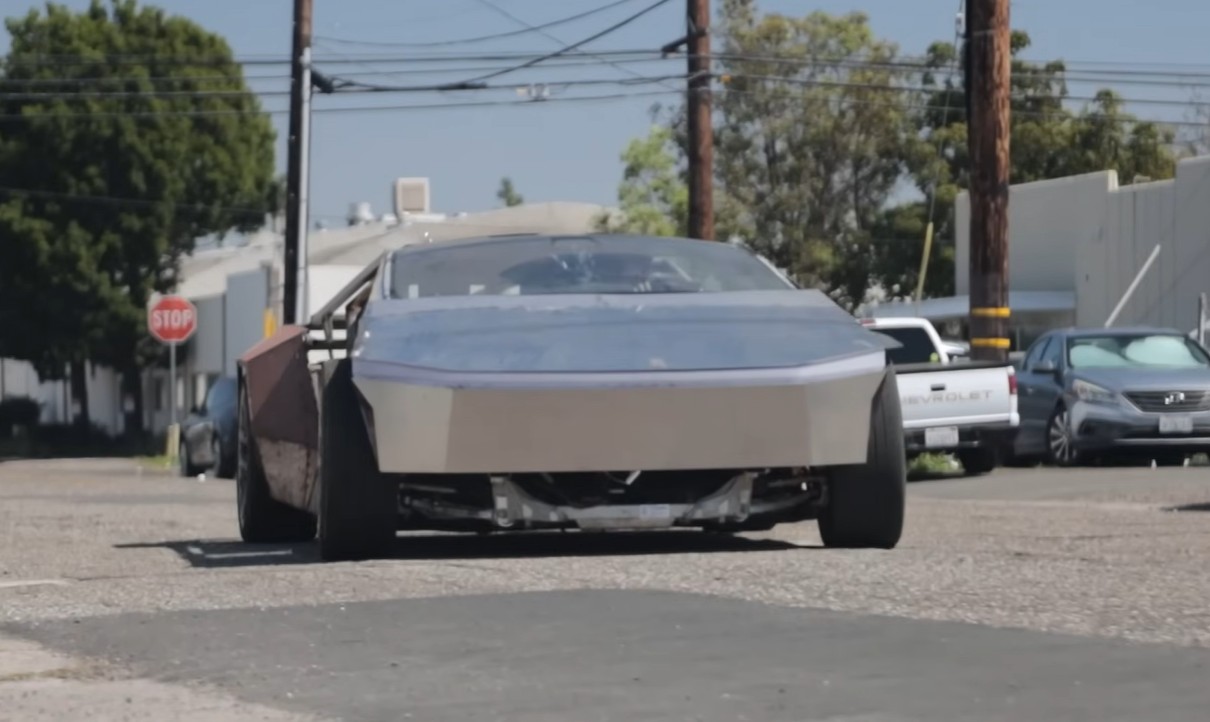
But current registration data suggests that consumer adoption remains significantly lower than these early projections.
External demand from private owners is currently tracking at around 20,000 units per year.
In addition, SpaceX is utilizing this large fleet of vehicles for support roles at its Starbase facility in Texas.
Other partner entities, including xAI and The Boring Company, have also acquired batches of the vehicle.
These companies combined to account for 1,339 total registrations during the fourth quarter.
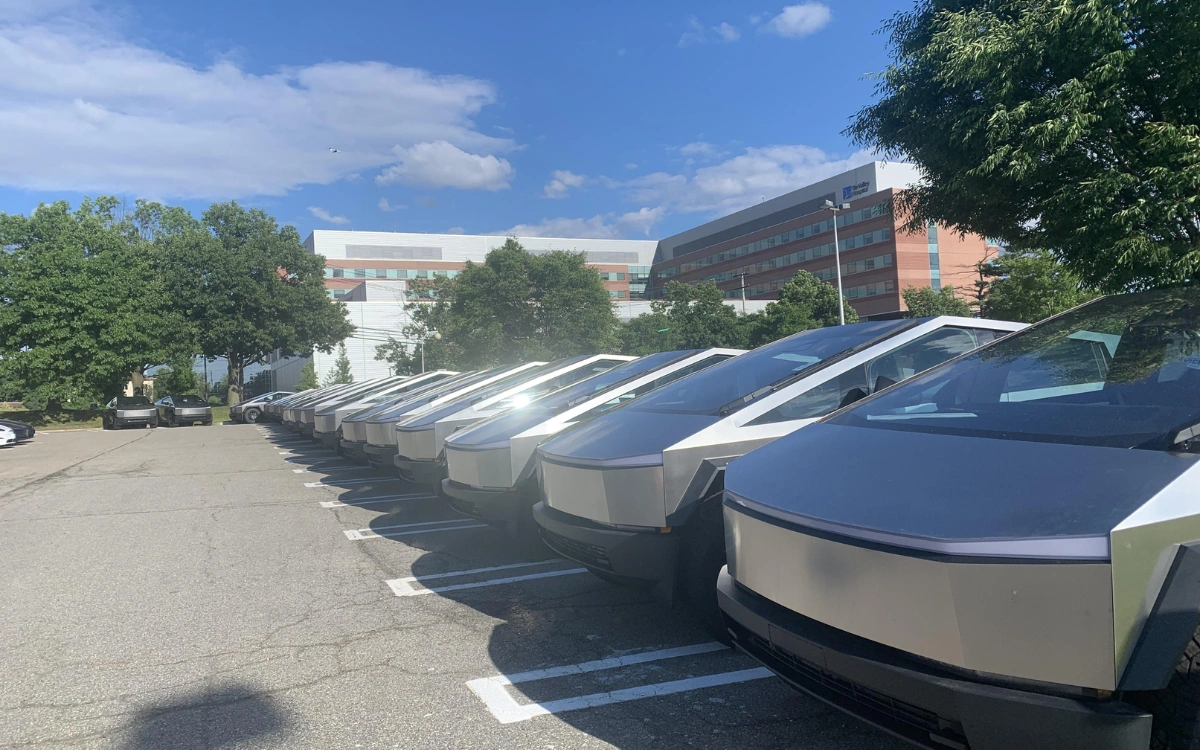
This internal procurement strategy generated over $100 million in revenue for Tesla during the reporting period.
The majority of these SpaceX units were high-specification models purchased at premium price points.
Industry analysts are now monitoring how the market responds to the more recent, lower-priced variants.
The data provided by S&P Global Mobility confirms that SpaceX was the largest single customer for the Tesla Cybertruck at the end of 2025.
But if these internal fleet registrations are removed from the totals, the year-over-year growth for the model shows a decline of 51 percent.
This reliance on internal sales allows the assembly lines to remain active while traditional consumer interest stabilizes.
Nick Perry, an automotive expert, journalist, and photographer, suggests this internal movement could signal a broader shift in market sentiment.
“We are starting to see the initial wave of novelty-driven interest in the Tesla Cybertruck begin to die off,” Perry explains.
“When the early adopters and internal partners have fulfilled their requirements, the electric truck faces a much harder climb to sustain its initial hype.”
SpaceX has integrated the trucks into daily operations to replace its existing gas-powered support vehicles, as registration records show that SpaceX added another 225 units to its fleet in the first few months of 2026
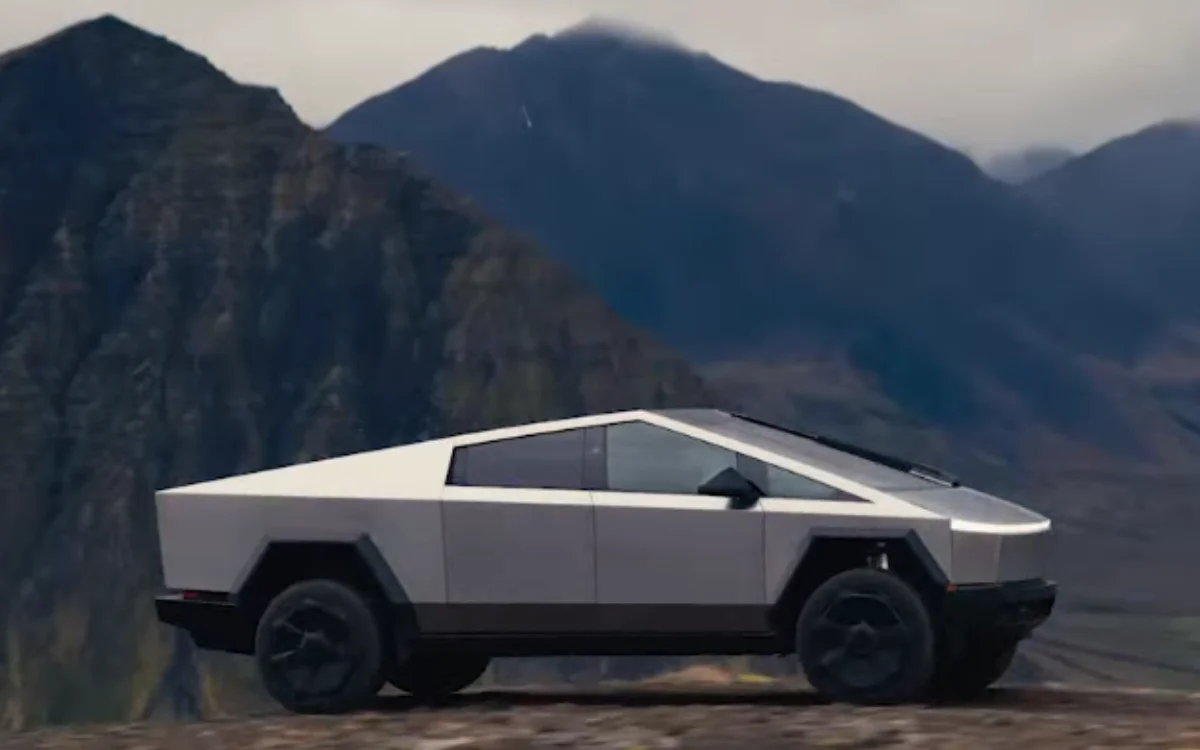
In an effort to attract buyers from outside the company, Tesla recently introduced a $60,000 variant.
The automotive industry is waiting to see if these price adjustments will stimulate independent consumer demand.
Previous sales have leaned heavily on corporate partners and internal entities.
The second quarter of 2026 will serve as the first clean assessment of the truck’s broader commercial viability.
Testing the true limits of hype
The operational relationship between SpaceX and Tesla facilitates a unique feedback loop for vehicle development.
Engineering teams from both companies frequently share data regarding material science and structural durability.
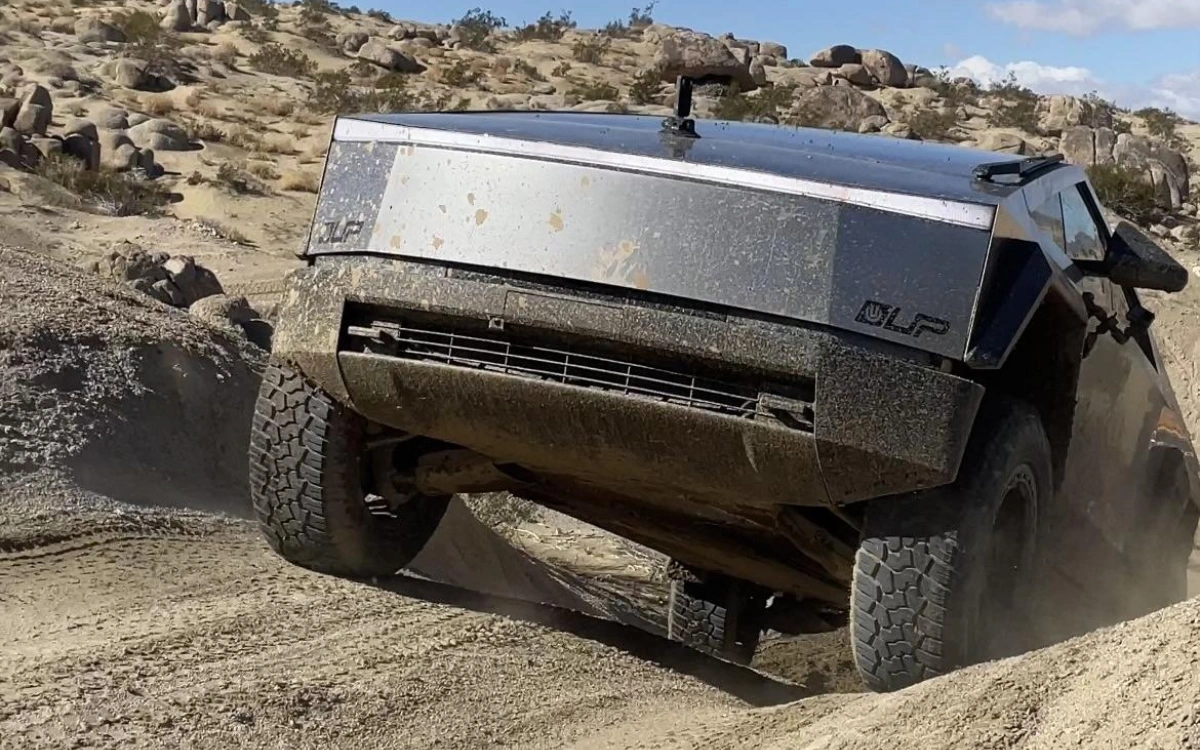
SpaceX uses the Tesla Cybertruck for heavy industrial tasks that require consistent torque and a resilient exterior.
This environment serves as a rigorous testing ground for the vehicle’s long-term reliability in harsh conditions.

As SpaceX increases its launch frequency, the demand for specialized ground support equipment will likely grow.
There is potential for future iterations of the truck to include hardware designed specifically for aerospace logistics.
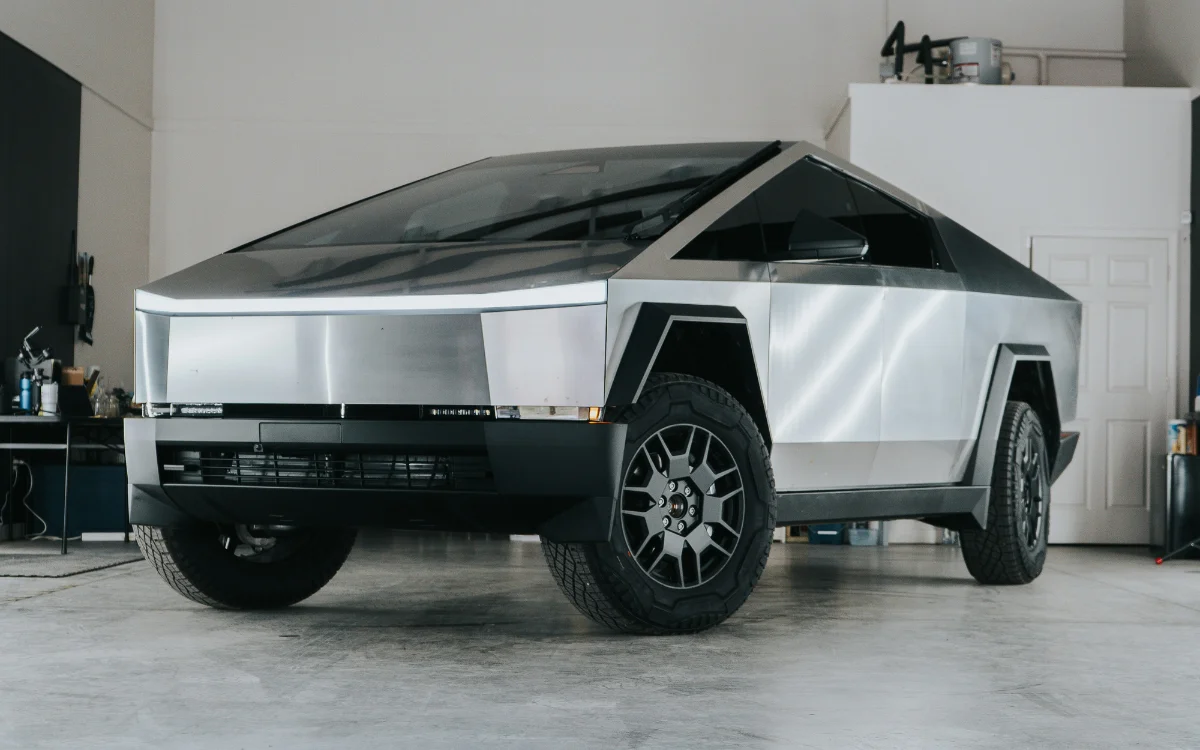
While these internal orders provide a production buffer, long-term success requires a shift toward attracting private owners in large numbers.
And in order to do that, the vehicle must eventually prove its worth to buyers who currently favor established domestic trucks.
Future sales figures will determine if the Tesla Cybertruck can maintain momentum without the continued support of SpaceX fleet orders.
Will the Tesla Cybertruck survive? Only time will tell.