Man 3D prints a fully functional electric tank that he can actually ride and admits he 'may have taken it too far'
Published on Nov 14, 2026 at 9:02 PM (UTC-5)
by Daisy Edwards
Last updated on Nov 14, 2026 at 9:02 PM (UTC-5)
Edited by
Mason Jones
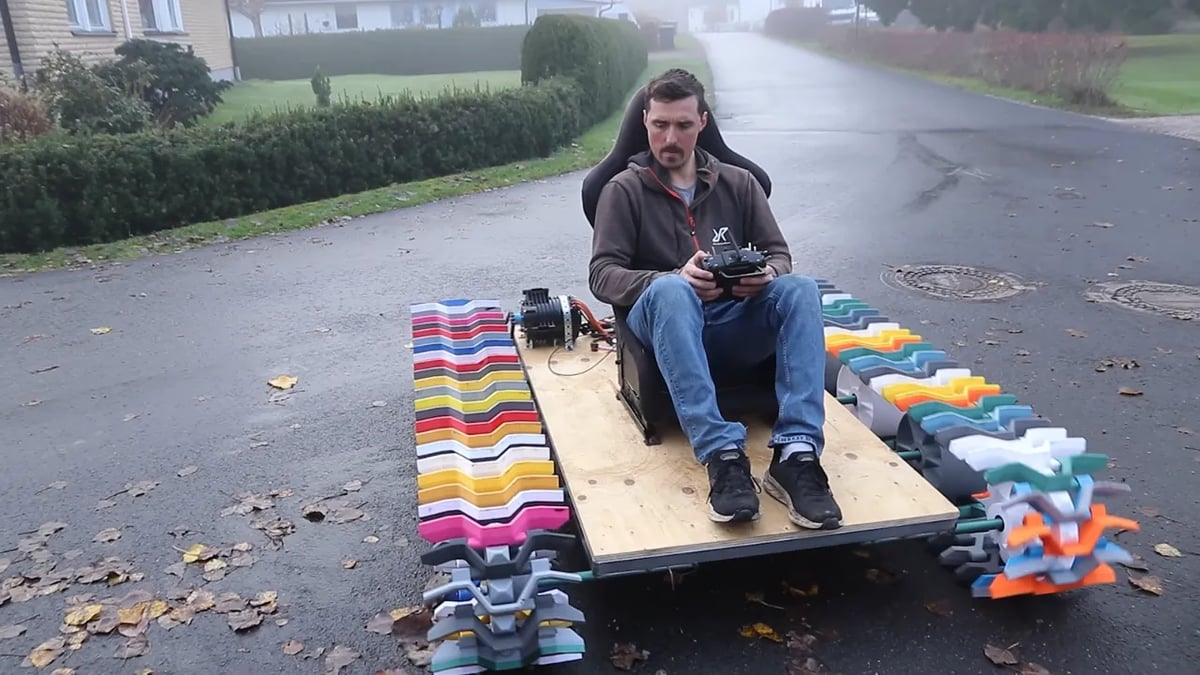

Building an electric tank from scratch is no small undertaking, particularly when you’re attempting to make most of it yourself.
One YouTuber, Simon Sörensen from the RcLifeOn channel, decided to take on the challenge by using a 3D printer to create almost every component of an electric tank.
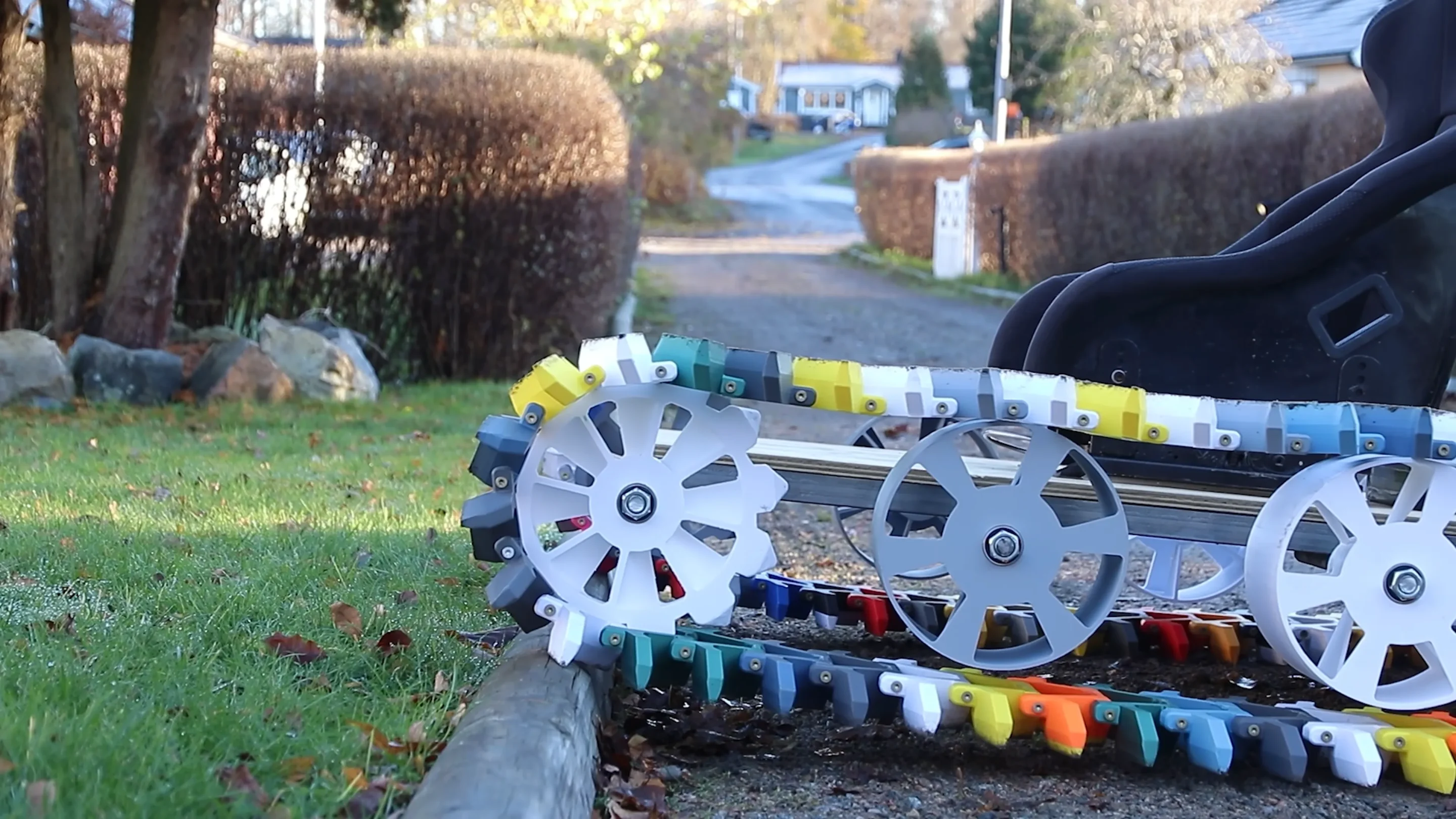
The ambitious build included everything from individual track links to the drive gears and idler wheels.
Despite admitting the project was far from practical, he was determined to find out whether his unusual creation could actually work.
Almost every part of the electric tank was 3D printed
The ambitious DIY build started with a metal frame made from square tubing, providing a sturdy base for the vehicle’s wheels and drivetrain.
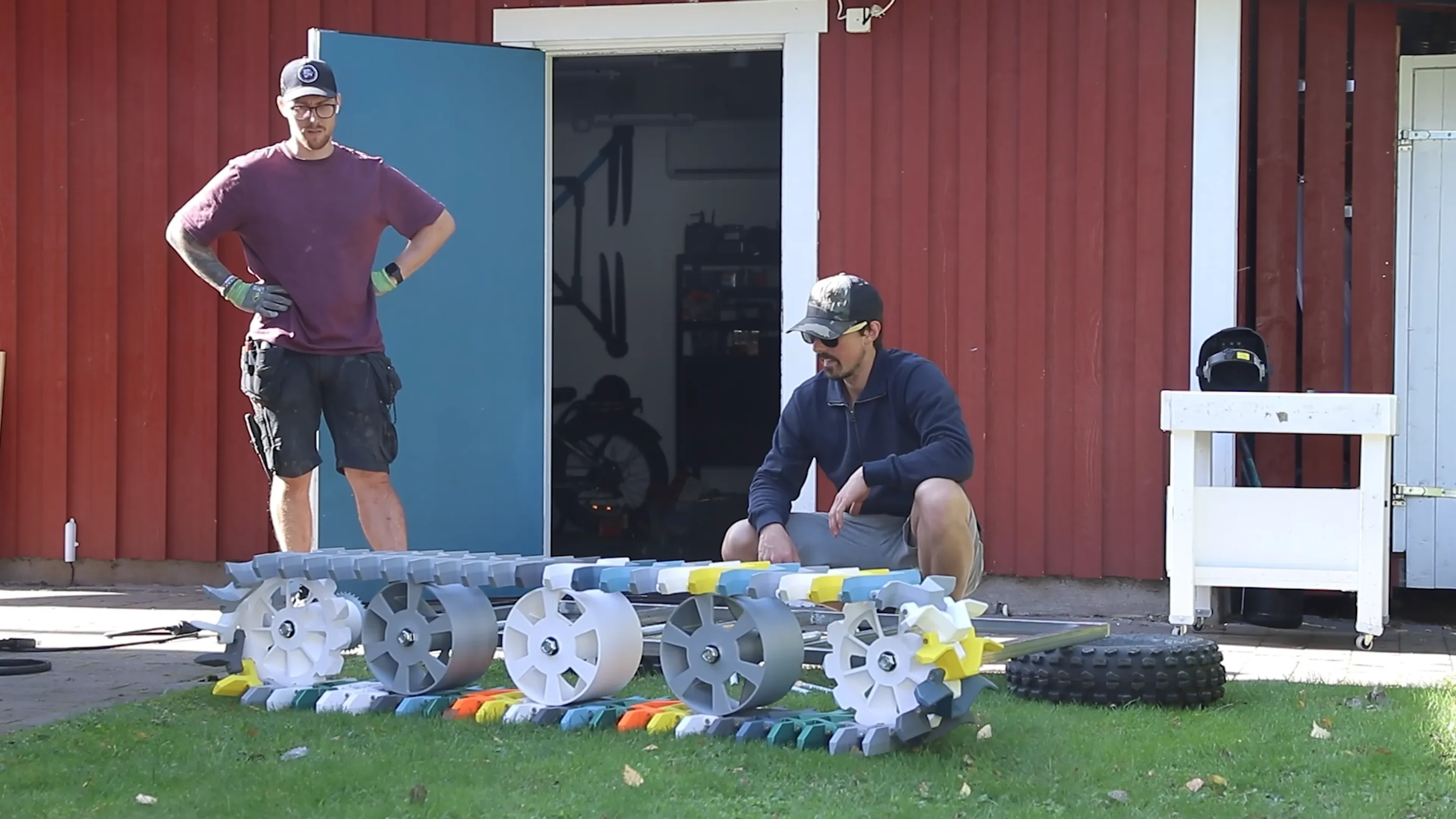
Almost everything else was 3D printed, including the individual track links, drive gears and six idler wheels.
Simon initially used PLA filament to keep costs down, with each track link taking around two and a half hours to print, and the project eventually consumed approximately 11kg of PLA for its driving gears and wheels alone.
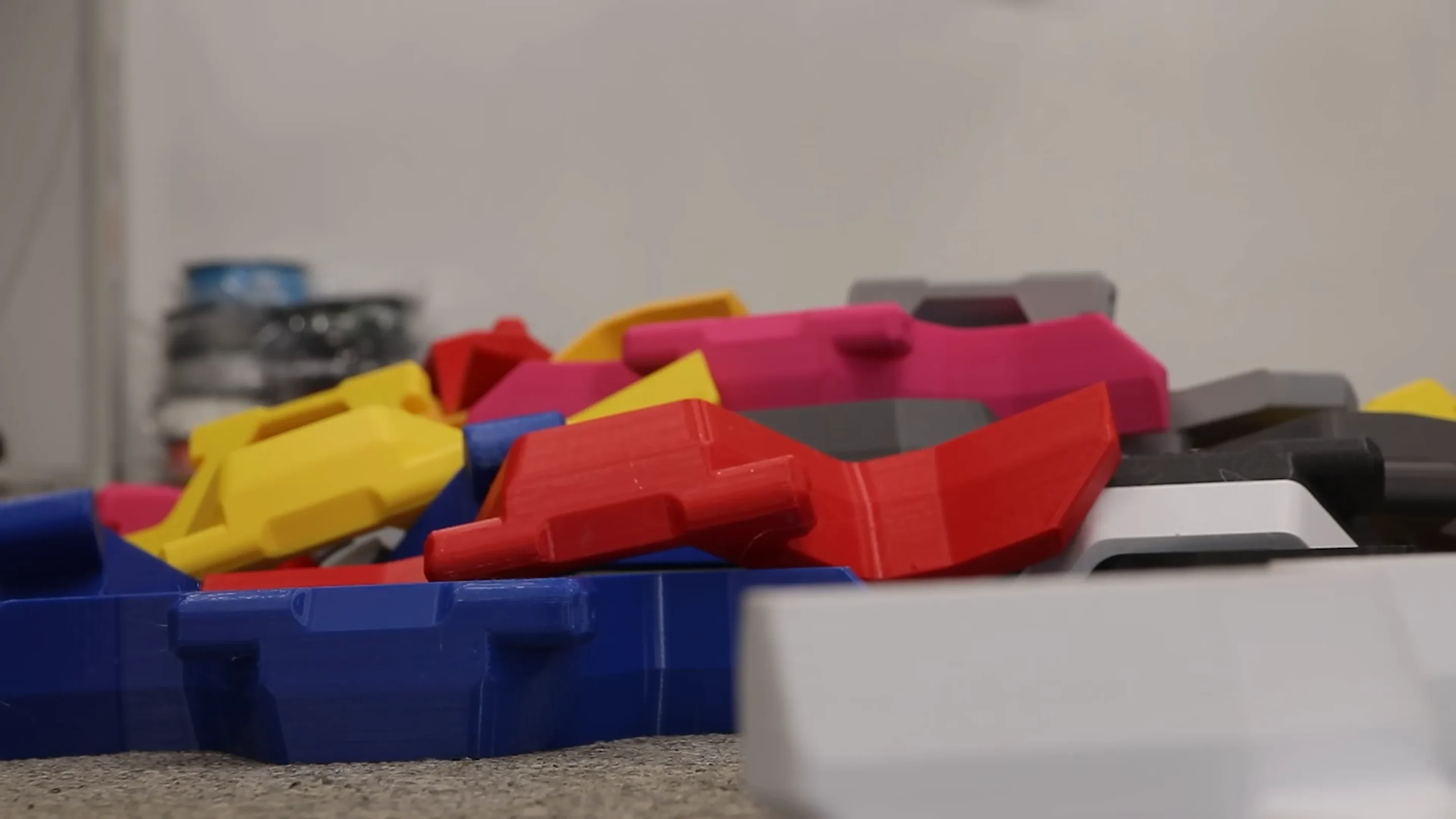
The links were connected using 80mm wood screws, while bearings helped the wheels rotate smoothly.
For power, he initially installed 48V brushless motors with internal gearboxes.
The first 3D-printed DIY project tests looked promising, with the machine managing to move even when connected to a relatively small 200W power supply.
However, taking it outdoors quickly exposed some serious problems.
Cheap filament caused repeated breakdowns
During its first outdoor test, several of the printed track links broke, with Simon discovering that the cheapest filament was responsible for most of the failures.
“After testing quite a bit, the only links that did break was the Banggood $7 per kilogram filament,” he explained.
He eventually printed two entirely new tracks, adjusting the screw holes and printing settings to improve their durability.
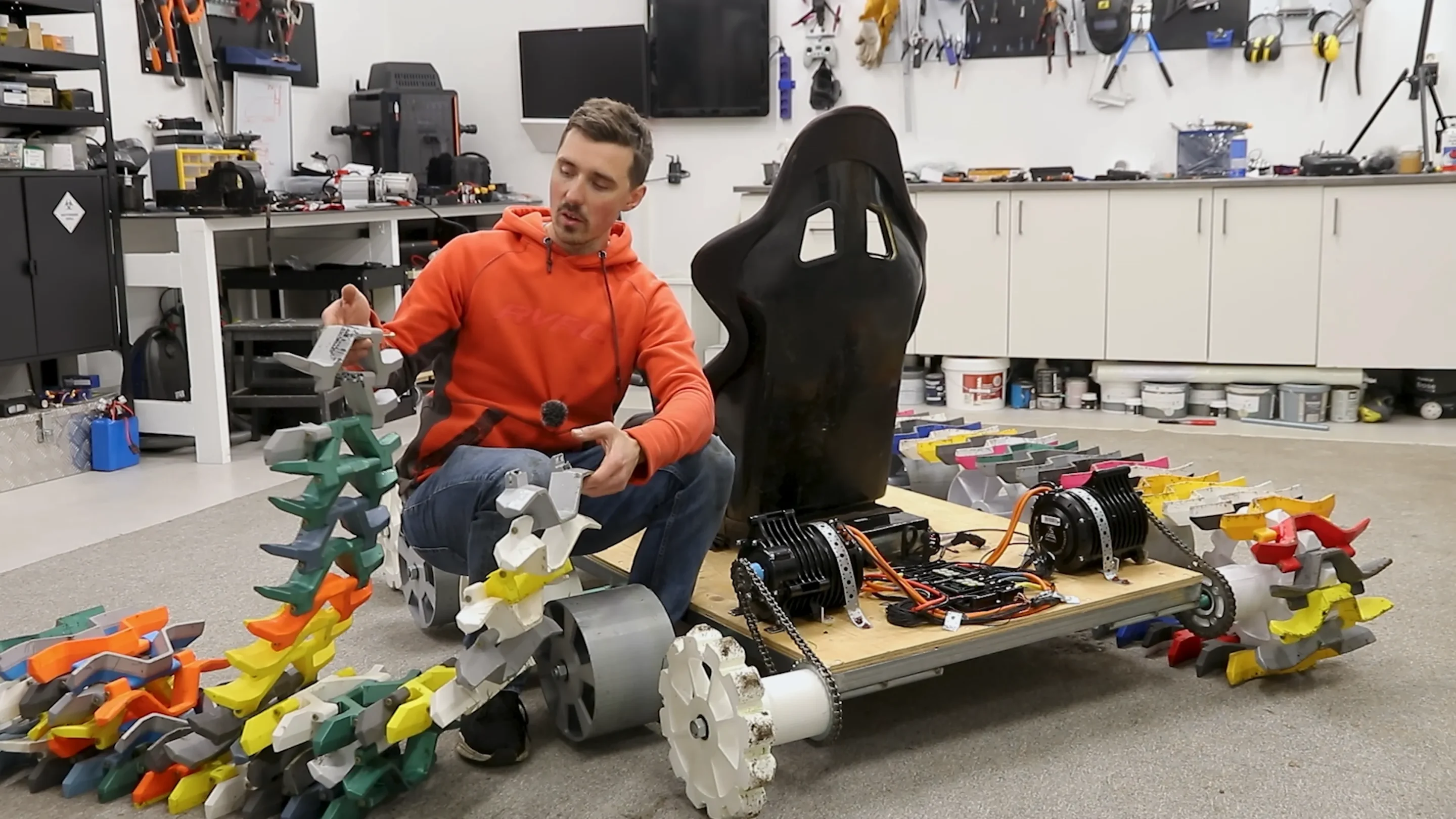
The vehicle was also converted into a radio-controlled machine, although there was one fairly important feature missing: brakes.
It initially couldn’t reverse or turn either, making it more of a tank in the literal sense.
Despite these problems, it demonstrated impressive traction across a nearby field before hitting a rock and breaking down again.
Simon identified the lack of suspension and non-spring-loaded idler wheels as major design flaws, explaining that the rigid plastic tracks struggled to cope with uneven ground.
“To make a very long story as short as possible, this project has been absolutely just plagued with problems,” he admitted.
New motors finally get the tank moving properly
After struggling with multiple speed controllers and the original motors, the creator decided to replace the entire setup with two QS 138 motors.
He enlisted the help of Benjamin Vedder, the creator of the VESC motor controller, to configure the new system.
The updated setup included two VESC Maxim 120 controllers, a 48V lithium battery with a 2kWh capacity and a radio transmitter.
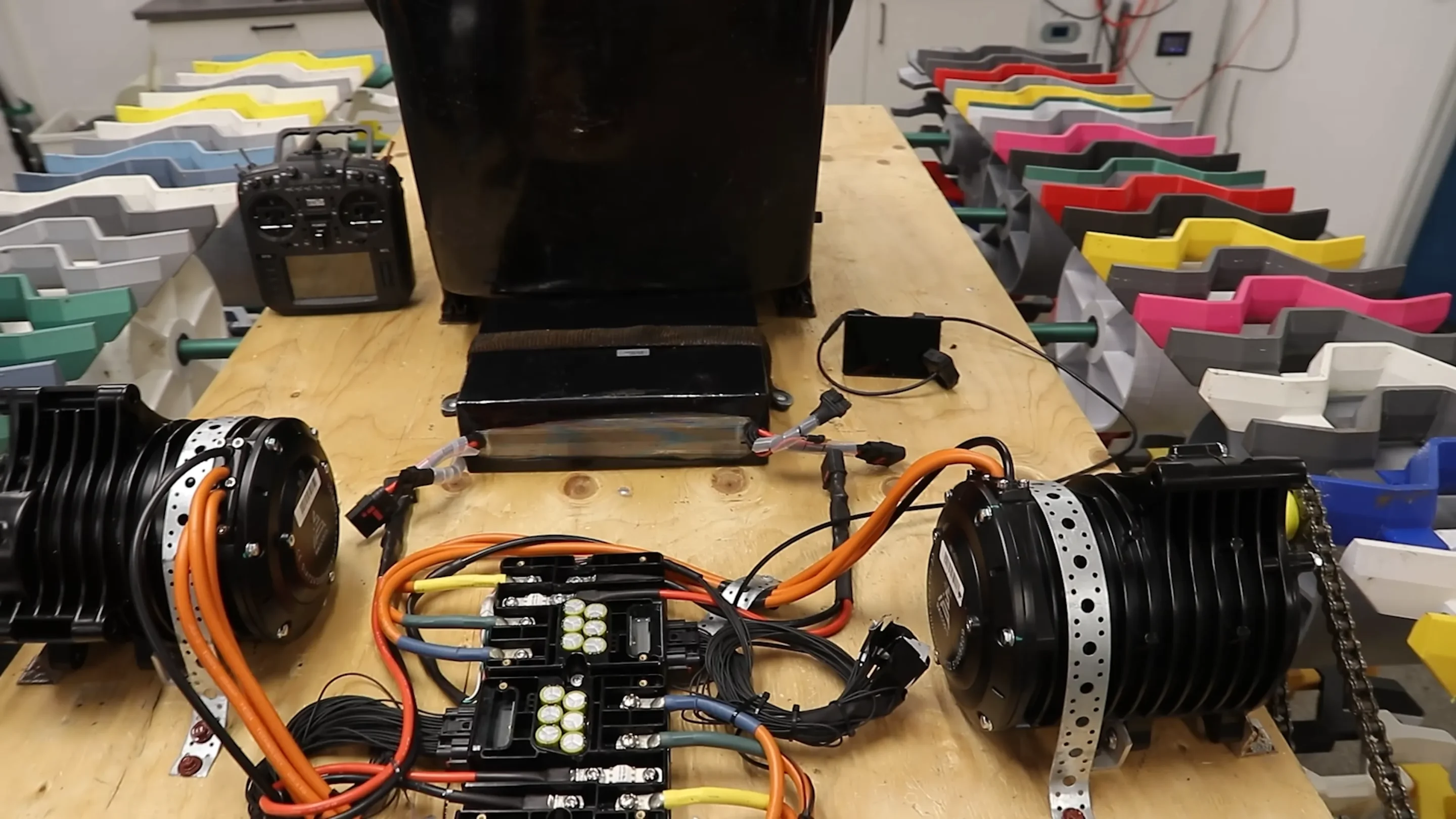
This finally allowed the tank to move forwards and backwards, while steering was achieved by controlling each track independently.
The difference was immediately noticeable, with Simon being amazed by how quickly it could switch between directions.
However, the extra power exposed another weakness when a 3D-printed component holding one of the drive gears completely sheared apart.
He experimented with stronger PLA filament and reinforced printing settings, but the tracks continued to break.
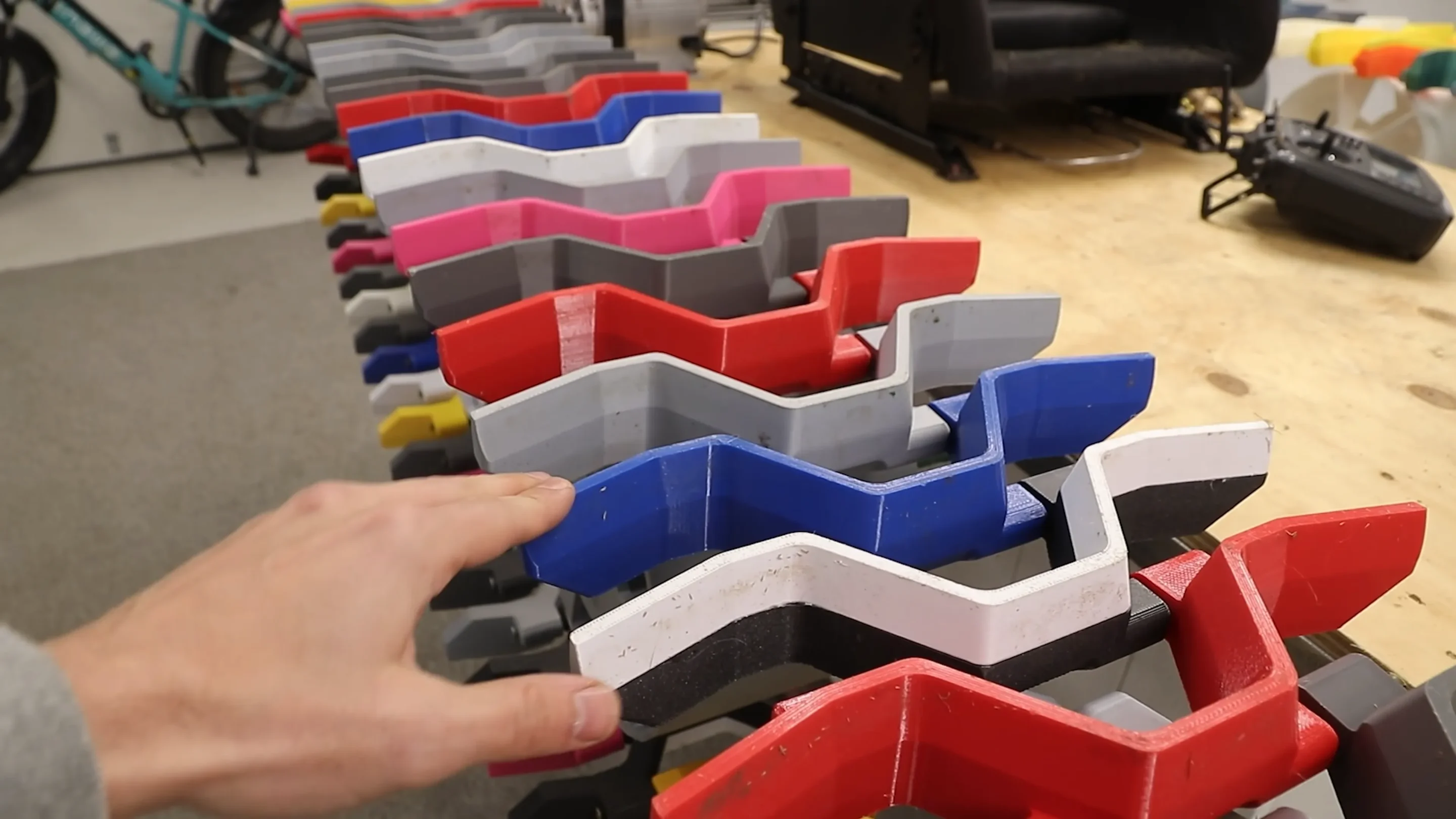
He even considered switching to TPU, a more flexible material that could make the tracks significantly more durable, because unfortunately, printing hundreds of links using TPU would take far too long.
Simon suggested a potential follow-up project involving shorter tracks and TPU components, admitting the original design was simply not sustainable.

But considering how far he got with the first generation electric tank, who knows how technologically advanced generation two will be?
The best of Supercar Blondie, every Sunday
The week's best car stories, straight to your inbox. Free.
Daisy is a technology and automotive journalist covering artificial intelligence, consumer tech, Apple news, cryptocurrency, emerging technologies, and transportation innovation. Since joining the team in 2025, she has reported on everything from AI-powered startups and major iOS updates to viral car stories and the latest developments shaping transportation and the digital economy. Drawing on her background in automotive journalism and a degree in History and Journalism from Goldsmiths, University of London, Daisy specializes in breaking down complex topics into clear, engaging reporting for a global audience. Her work spans cutting-edge technology, innovative vehicles, and the people driving change across both industries. Daisy has gained first-hand access to some of the world's most talked-about technologies and innovators, including meeting Tesla's Optimus humanoid robot during its first European appearance in London. She has also discussed the future of space exploration with an astronaut, bringing unique insights and real-world perspectives to her coverage of emerging technology.