Man takes on first assembly of his fully 3D-printed 2026 F1 car and the results are incredible
Published on Oct 28, 2026 at 10:08 PM (UTC-4)
by Alessandro Renesis
Last updated on Oct 28, 2026 at 10:08 PM (UTC-4)
Edited by
Mason Jones
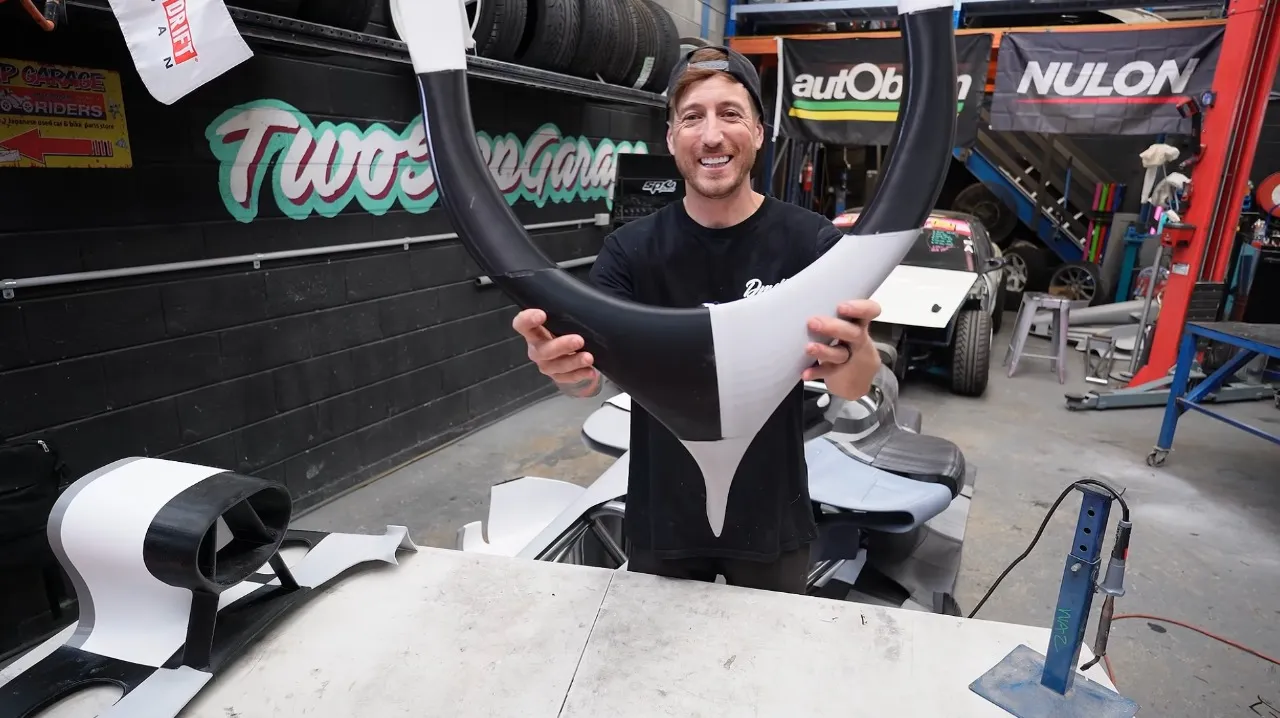

This YouTuber built an entire F1 car using a 3D-printed components, and the result is pretty spectacular.
It wasn’t easy, but he got it done.
Obviously, a few components couldn’t be 3D-printed.
Which leaves us with a question.
Here’s how he did it
YouTuber Mike Lake built an entire F1 car using a 3D-printer, and almost everything was 3D-printed.
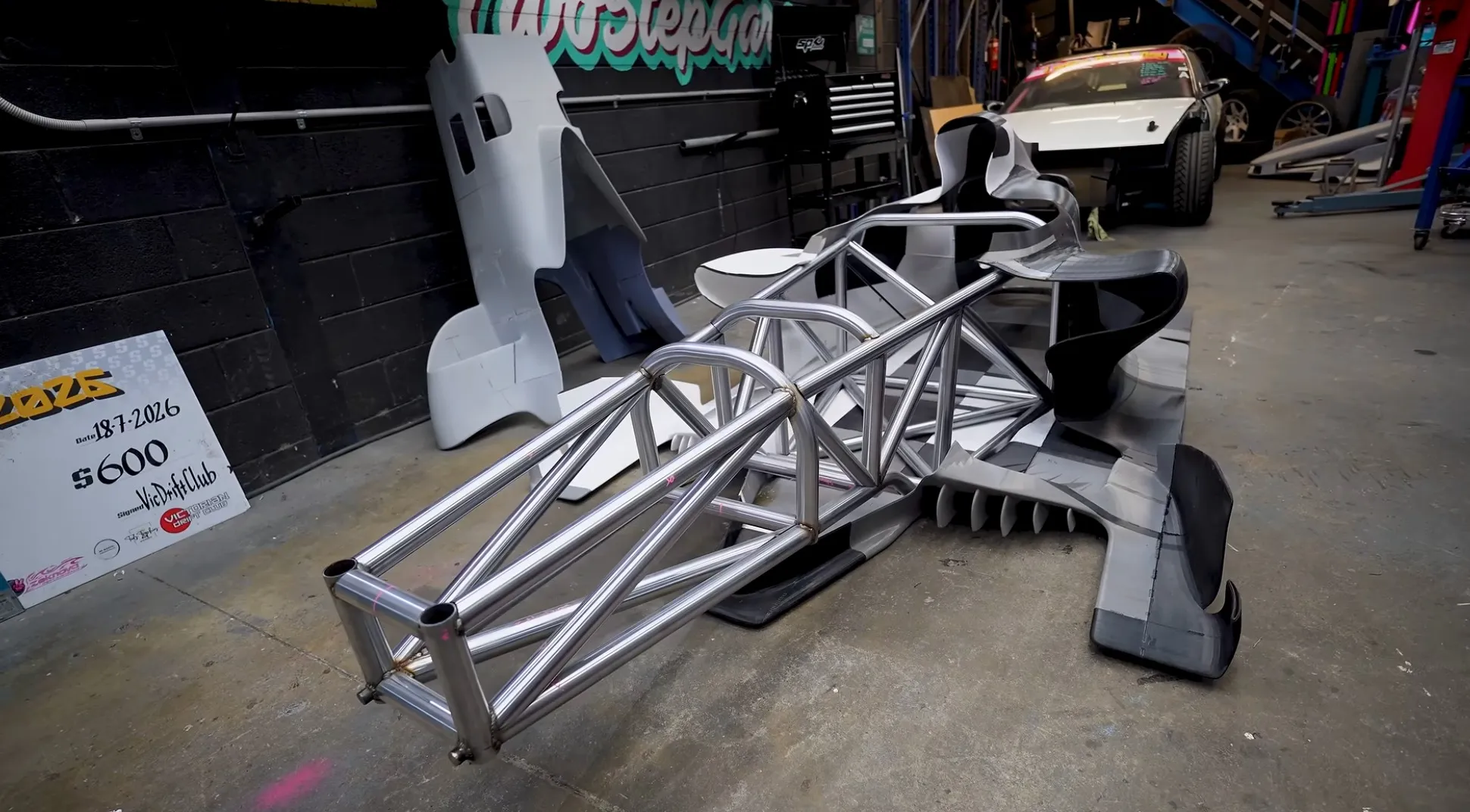
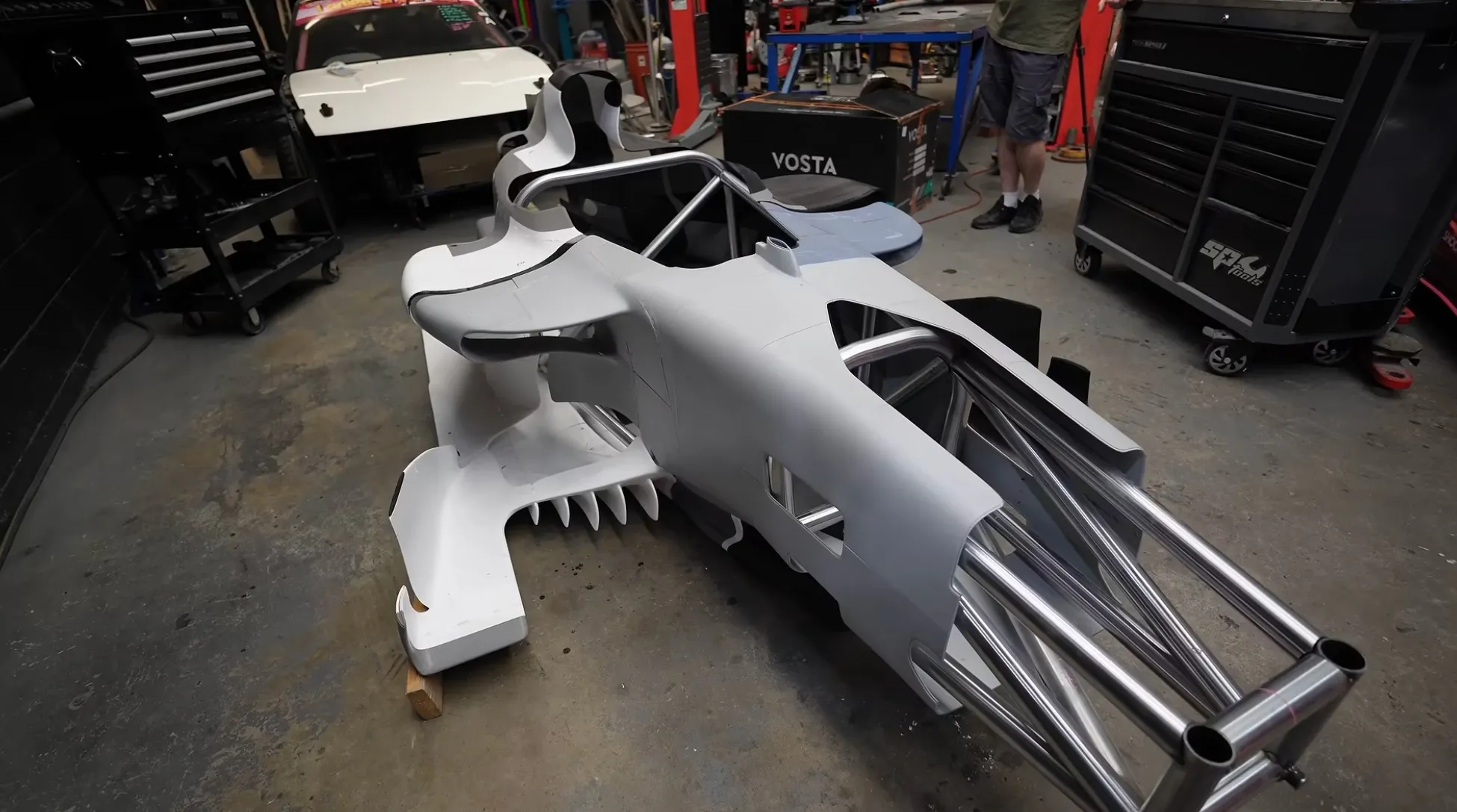
He and his team started by building a custom tube frame chassis, focusing on the rear subframe because that would have to accommodate a Mercedes M120 V12 engine.
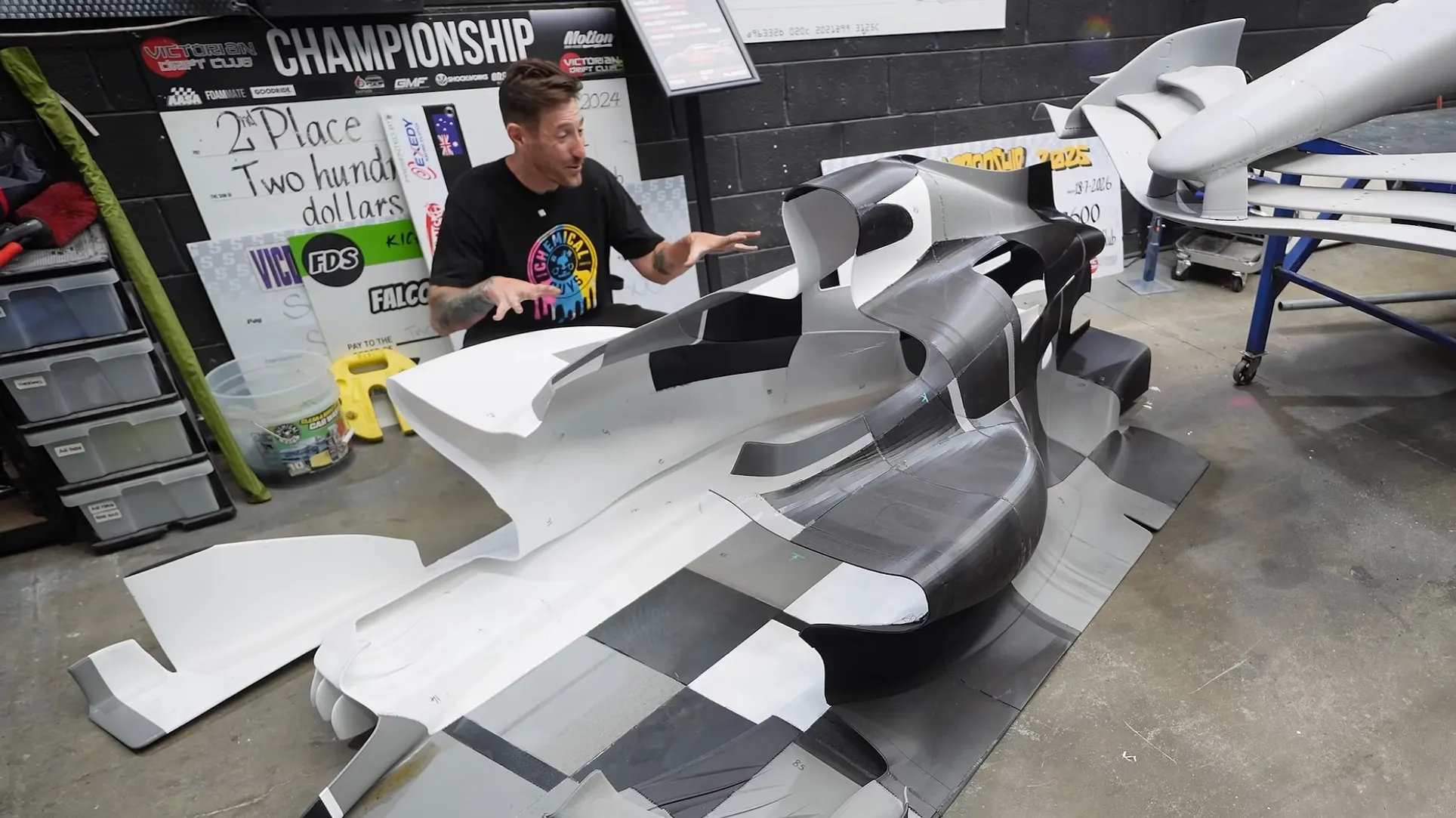
After that, they integrated the 3D-printed body shell with the chassis, making custom modifications to the plastic floor and body panels.
The air intake was also 3D-printed, as was the F1 halo.
As Lake himself acknowledged, 3D-printing technology is making stellar progress.
“I’m still constantly mind-blown with what you can do with 3D printing. We just 3D printed a freaking halo,” Lake said in his video.
Apart from the engine, the other important components that were not 3D-printed were the gearbox, the custom-made 18-inch wheels, and the brakes.
The F1 car looks incredible, but it isn’t ready
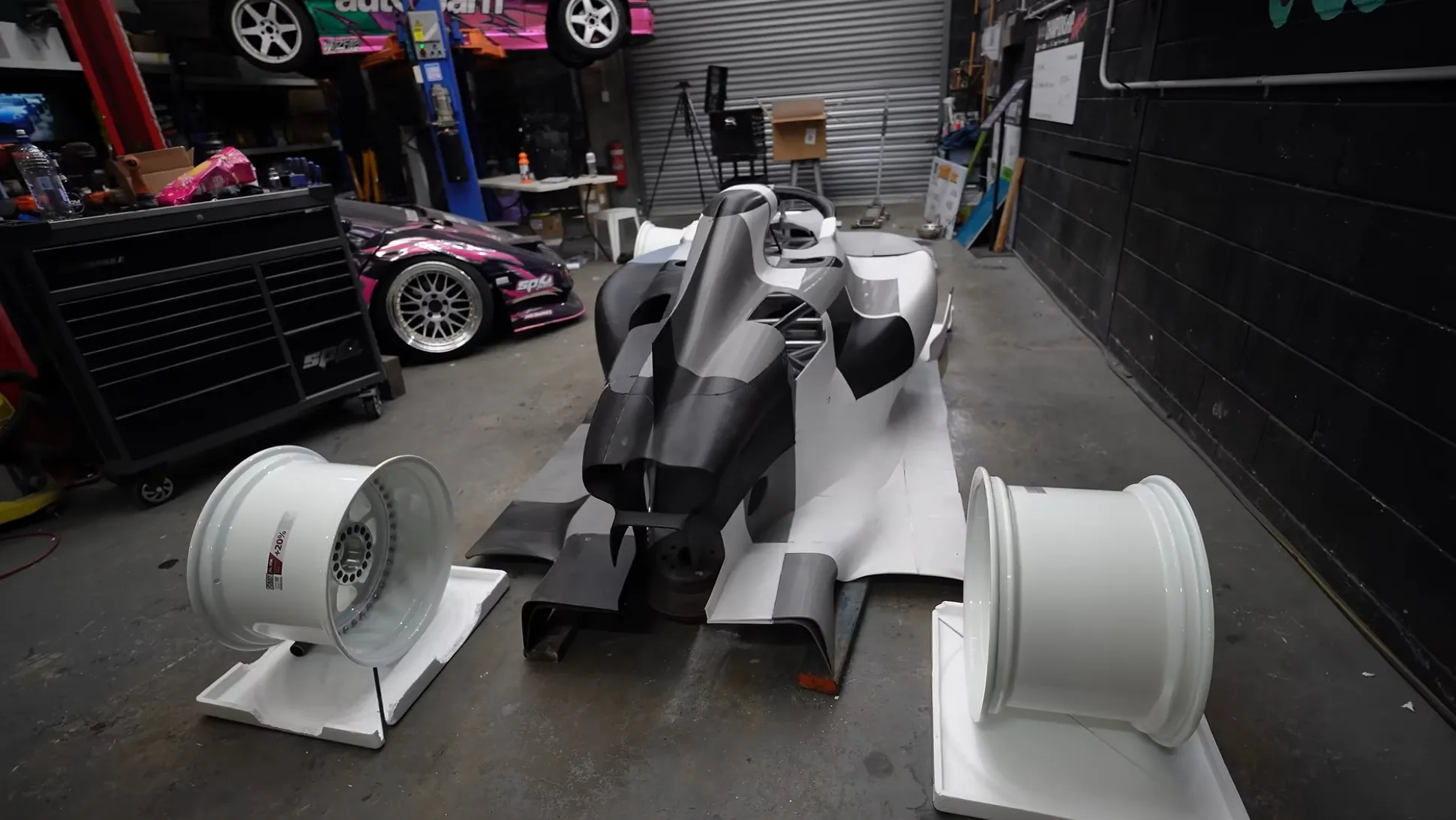
The bad news is the car does not drive yet.
Mike Lake and his team are in the early stages of assembling the vehicle and there is still significant work remaining.
Among other things, they have to mount the engine and drivetrain components, design and install suspension and steering systems, and the bodywork also needs some work – pardon the pun.
Still, it’s impressive, and apparently things are going well.
“This is definitely the craziest thing we’ve ever built on this channel by a long shot, [and] you know those times when things don’t quite go to plan? Well, this is like the opposite of that,” he said in the video.
Can you 3D-print an entire car?
A while back, we asked a mechanical engineer whether it would be possible to build a car using literally nothing but 3D-printed components.
The answer is: sort of.
“A car is just a combination of a lot of individual components and in theory, you can 3D-print nearly all of them. But it depends on what you want to do with it,” mechanical engineer Simone Bianconi told Supercar Blondie.
“If you just want to 3D-print a nice empty shell that looks good on your driveway, you can do that using nothing but plastic. But it wouldn’t be drivable. Plastic is too brittle and it melts.
“So you need specialized components. And realistically some components will have to be sourced some other ways,” he said.

“In theory, you could 3D-print practically everything. But you’d need sophisticated 3D printers, a lot of time, some serious engineering skills, and a lot of money. So it wouldn’t make much sense. It makes more sense to 3D-print most things, and then buy a cheap engine,” he told Supercar Blondie.
Which, incidentally, is exactly what this YouTuber has done.
Alessandro is an automotive journalist with 10 years of experience covering supercars, automotive history, emerging vehicle technology, and luxury transportation. He wrote the first article published on SupercarBlondie.com when the website launched in 2022 and has since built a reputation for insightful reporting across the automotive and transportation industries. His expertise is grounded in hands-on experience. Alessandro has driven every Tesla model ever produced, from the original Roadster to the Cybertruck, and regularly covers the latest developments in electric vehicles and automotive innovation. His passion for transportation extends beyond cars, he has even flown a Boeing 787 Dreamliner simulator in Addis Ababa, Ethiopia. His reporting spans everything from classic American muscle cars and rare automotive discoveries to luxury yachts, private aircraft, high-end watches, and cutting-edge vehicle technology. Known for his deep knowledge of automotive history and ability to uncover the stories behind iconic vehicles, Alessandro brings readers a blend of historical context, technical expertise, and first-hand experience.




