Man 3D-printing a $21M 2026 F1 car has to make important changes to ensure it's ready for track use
Published on Aug 16, 2026 at 12:03 AM (UTC-4)
by Daisy Edwards
Last updated on Aug 16, 2026 at 12:03 AM (UTC-4)
Edited by
Kate Bain
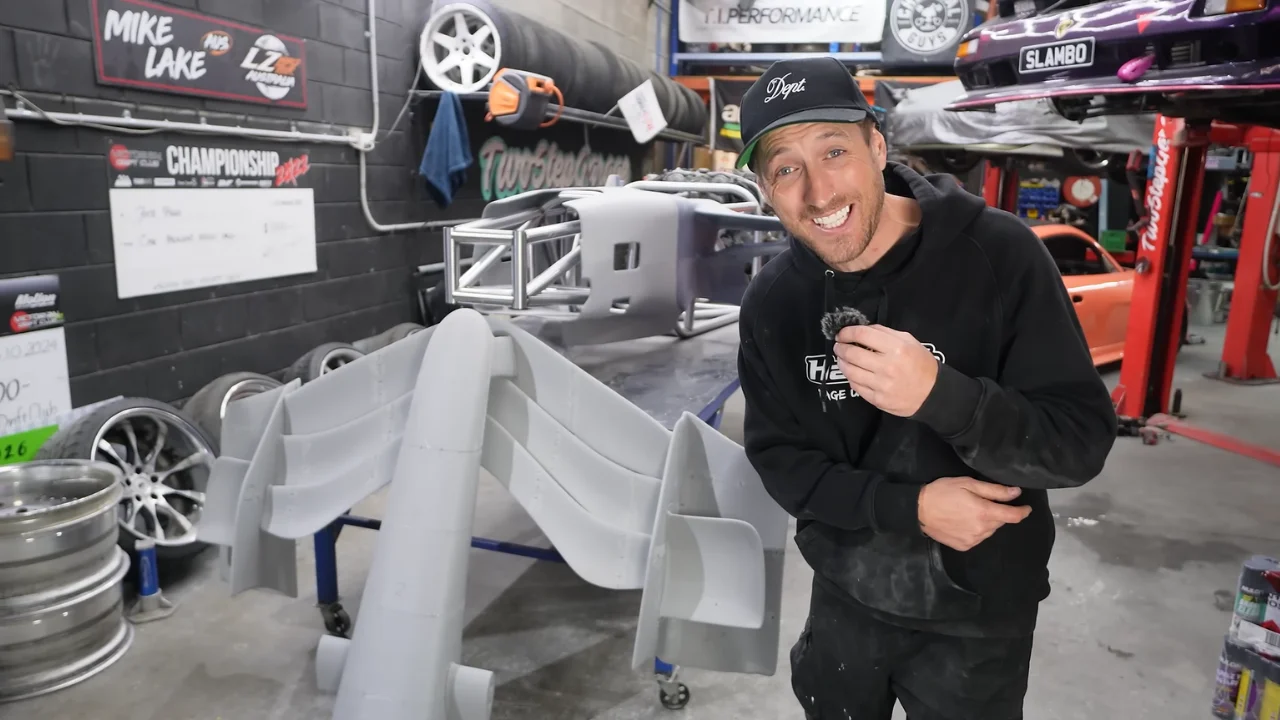

Building an F1 car from scratch is already a pretty ambitious project, but this man decided he was going to 3D-print most of the bodywork himself.
The plan was to create a giant 100-piece shell designed to look like a 2026 F1 car to eventually house a Mercedes V12 engine.
But before it could get anywhere near a track, some seriously important changes had to be made.
And judging by the size of the thing, getting it ready was going to be quite the challenge.
Was 3D-printing an F1 car a good idea?
The crazy supercar project began with a pretty wild idea: create an entire F1-style car using 3D-printing, then make it capable of actually driving on a track.
The brains behind the operation, YouTuber Mike Lake, said the build was even more challenging than his previous 3D-printed Porsche project, largely because there were no off-the-shelf parts or instruction manuals to follow.
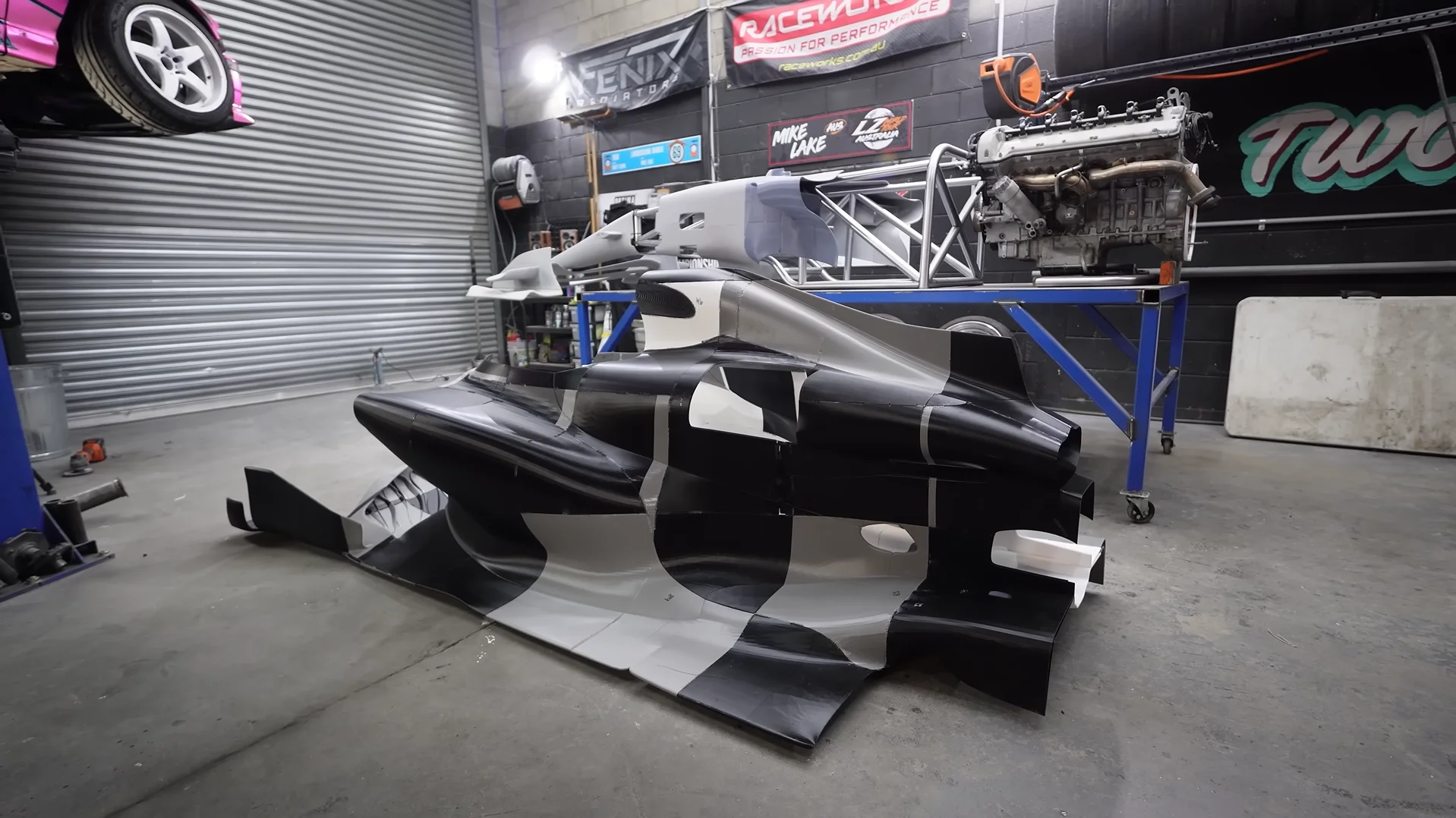
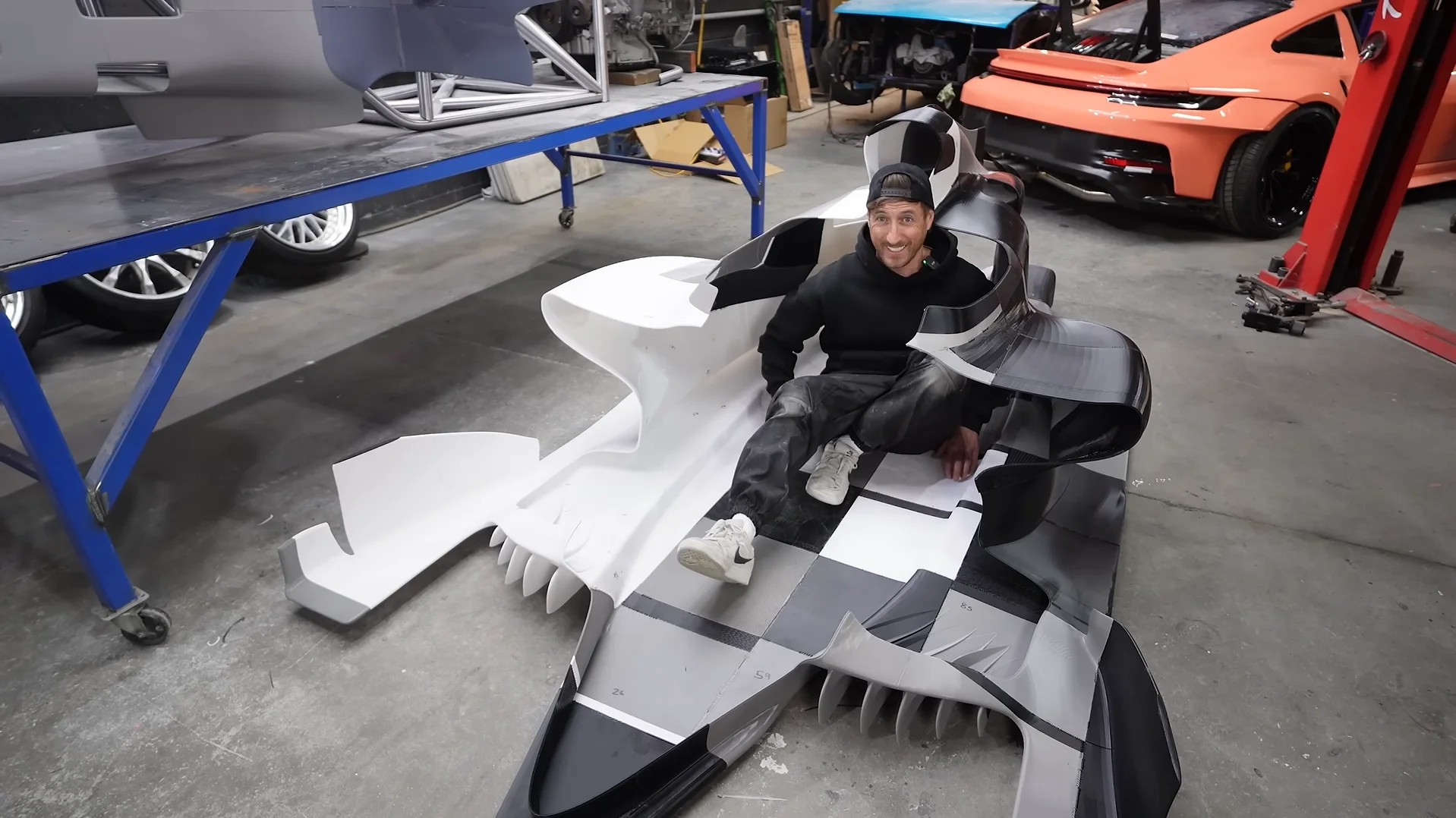
The main body included the floor, side pods and engine covers, but it was far too large to print in one go.
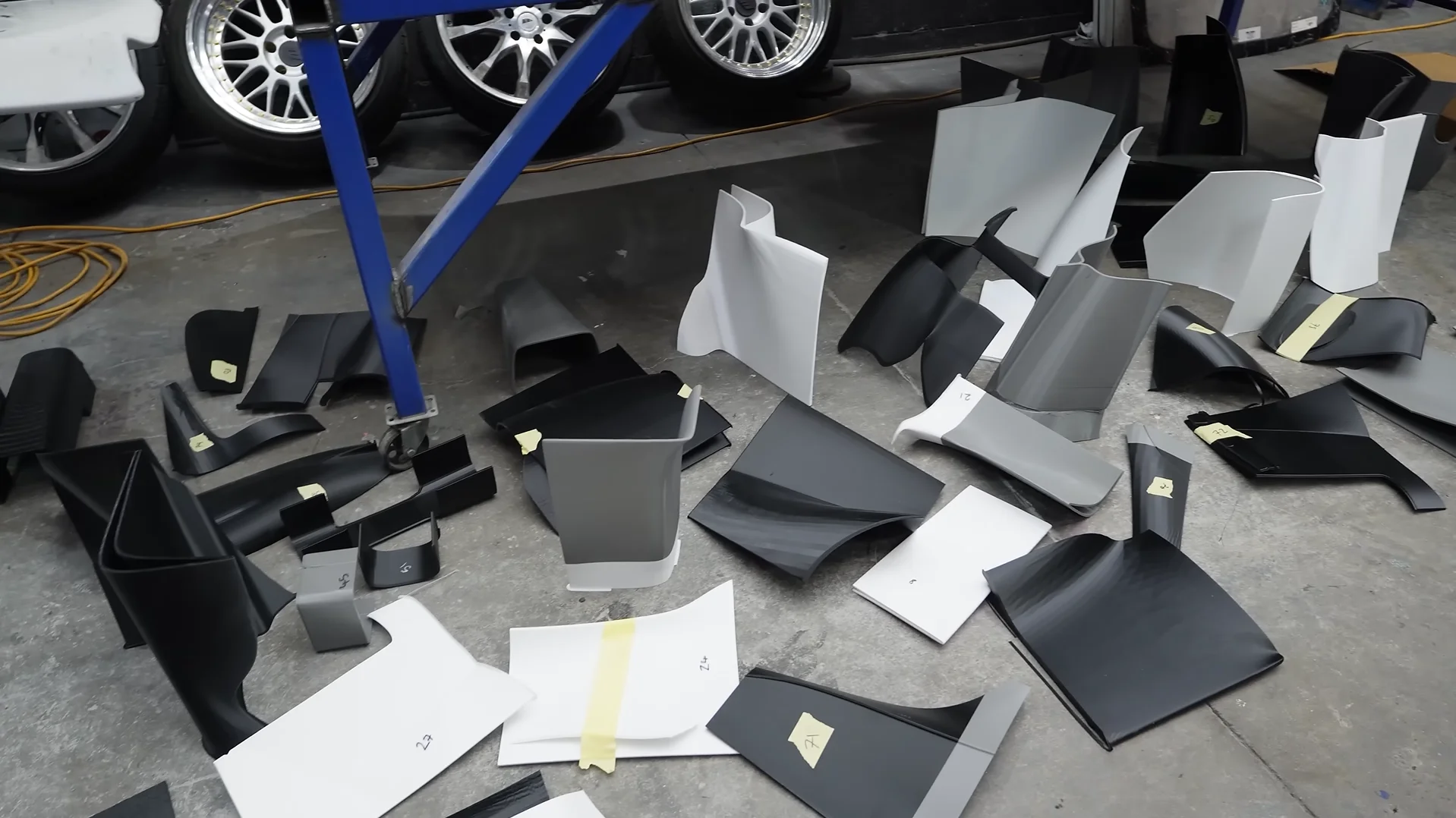
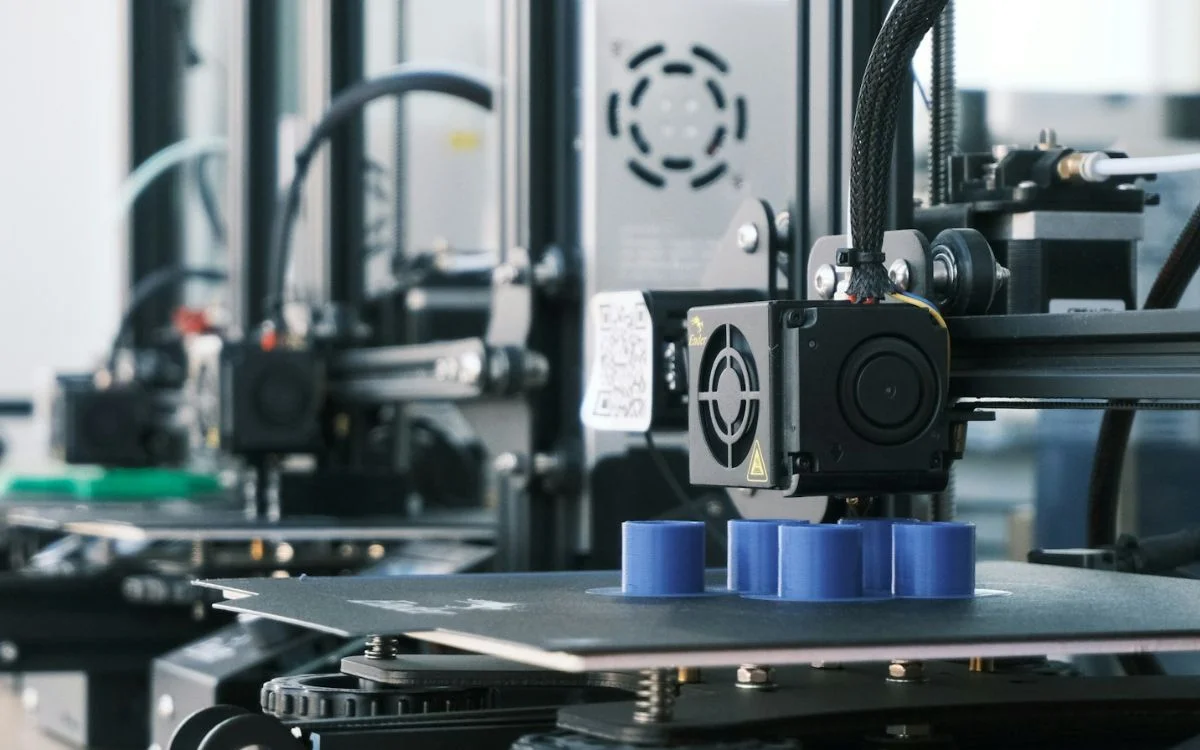
So, he split the body into 100 individual pieces for the 3D printers, with each piece taking around 10 hours to print.
That meant the printers were working around the clock for weeks, and there was plenty of drama along the way.
Some pieces failed because of issues with the supports, while one part appeared to have mysteriously vanished despite having been successfully printed.
After searching the workshop for around three hours, Mike eventually realized he’d already installed the missing piece into the shell.
We’ve all been there.
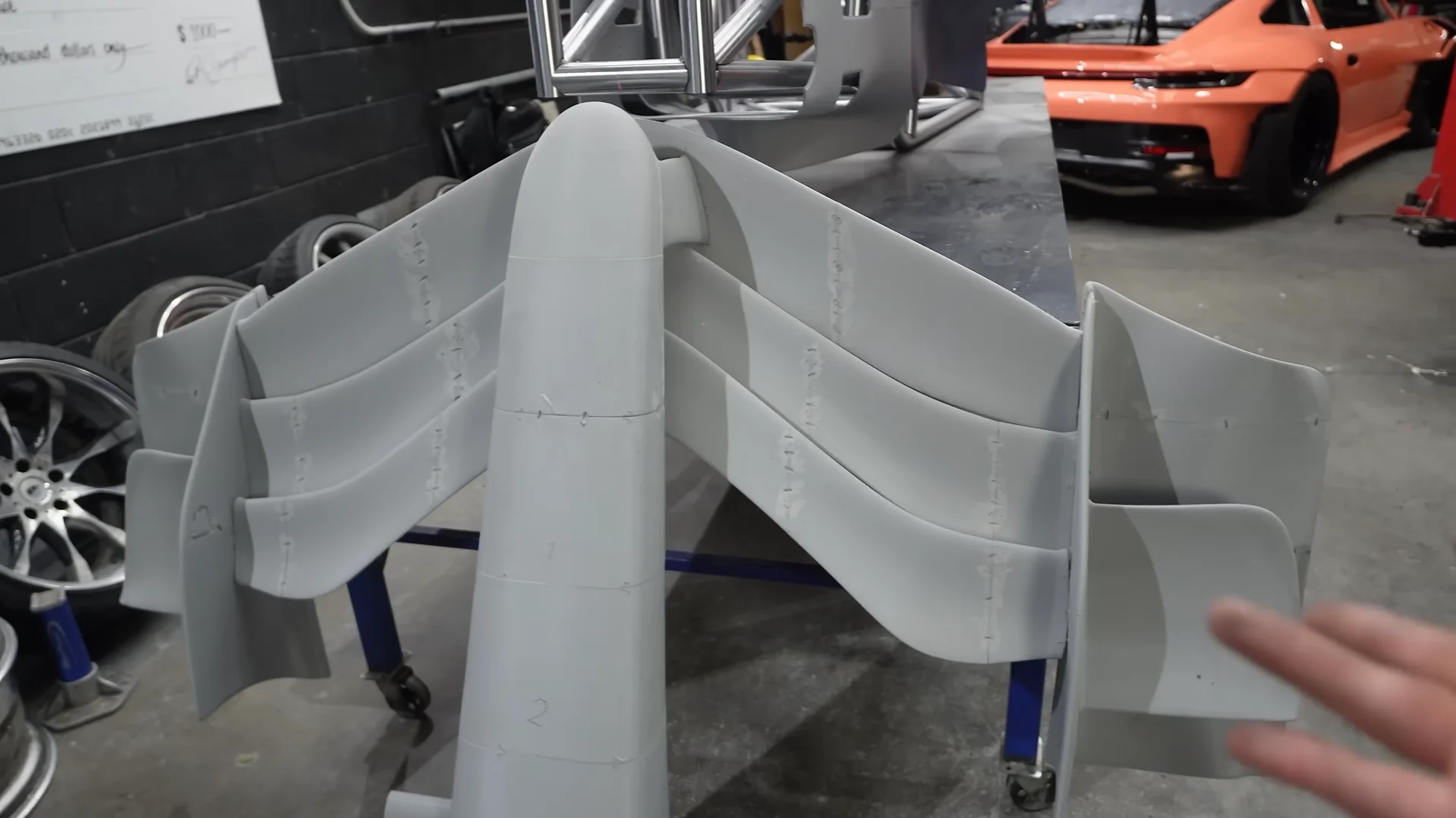
Once the pieces had finally been accounted for, they were assembled using plastic welding and glue, gradually turning a pile of strange-looking 3D-printed objects into something that genuinely resembled an F1 car.
The finished shell was huge, too.
Mike kept commenting on its size, especially since the rear section still needed to accommodate a Mercedes V12 engine and transaxle gearbox.
But making it look the part was only half the battle.

Getting his big project ready for the track
The biggest question was how a giant 3D-printed shell was going to survive being driven on a racetrack.
The answer involved a lot more than simply sticking the body onto the chassis and hoping for the best.
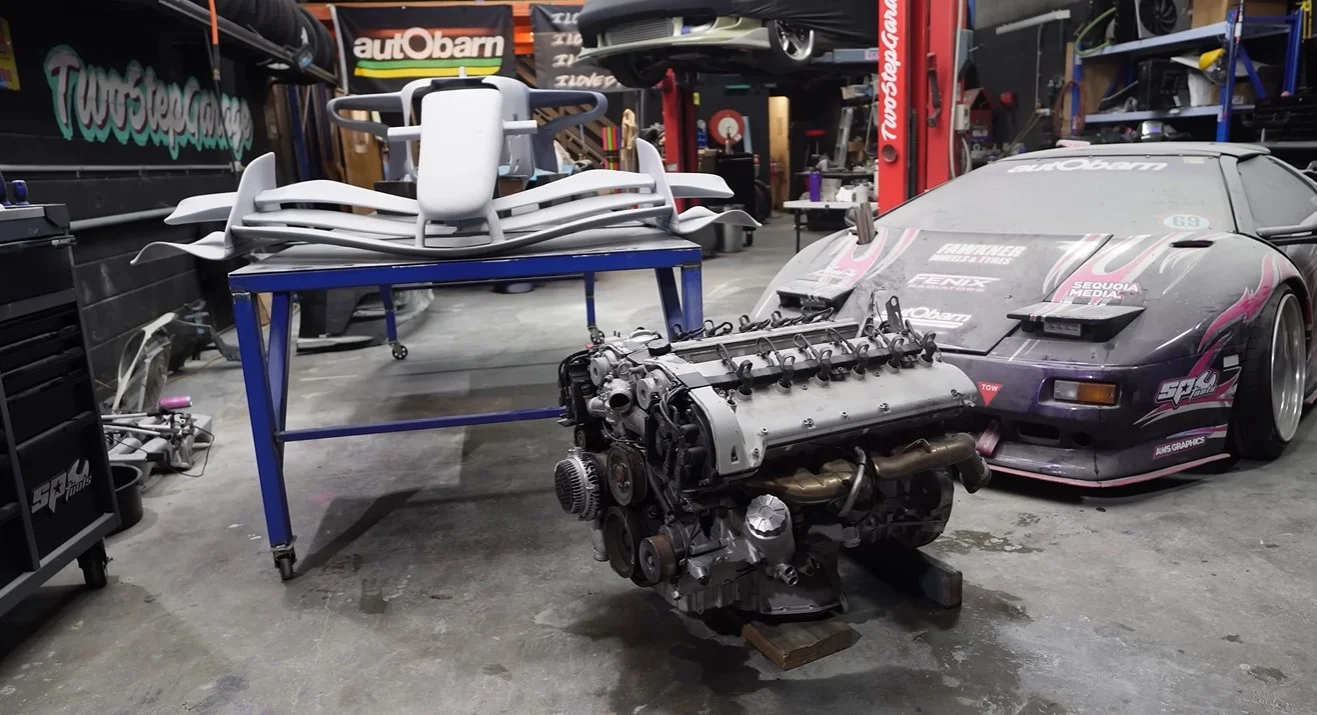
The front wing, for example, was made using 3D-printing, but Mike pointed out that it wasn’t particularly strong on its own, which was a pretty significant issue when dealing with an F1-style wing that could generate serious downforce at speed.
To solve the problem, Mike’s team built a metal support structure that was attached to the chassis underneath the wing.
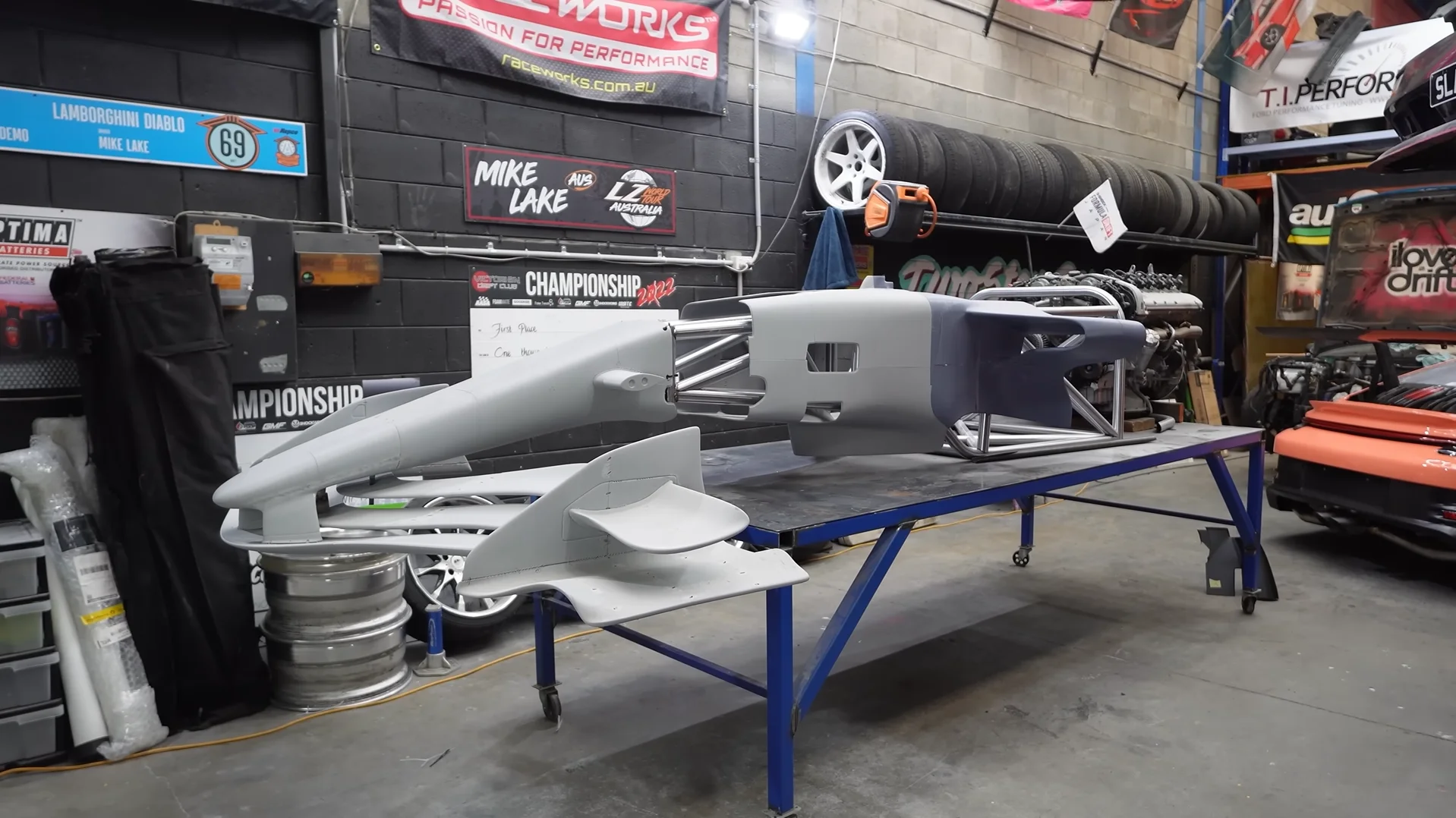
They also made the entire nose section removable, using dowels and four bolts.
The dowels weren’t there to provide the strength – they were simply there to help position the front section correctly and then the bolts were going to provide the actual structural support.
There was also a practical reason for making the nose removable: the car was so long that removing the front wing would make it much easier to fit onto a trailer.
But the bigger changes were still to come.
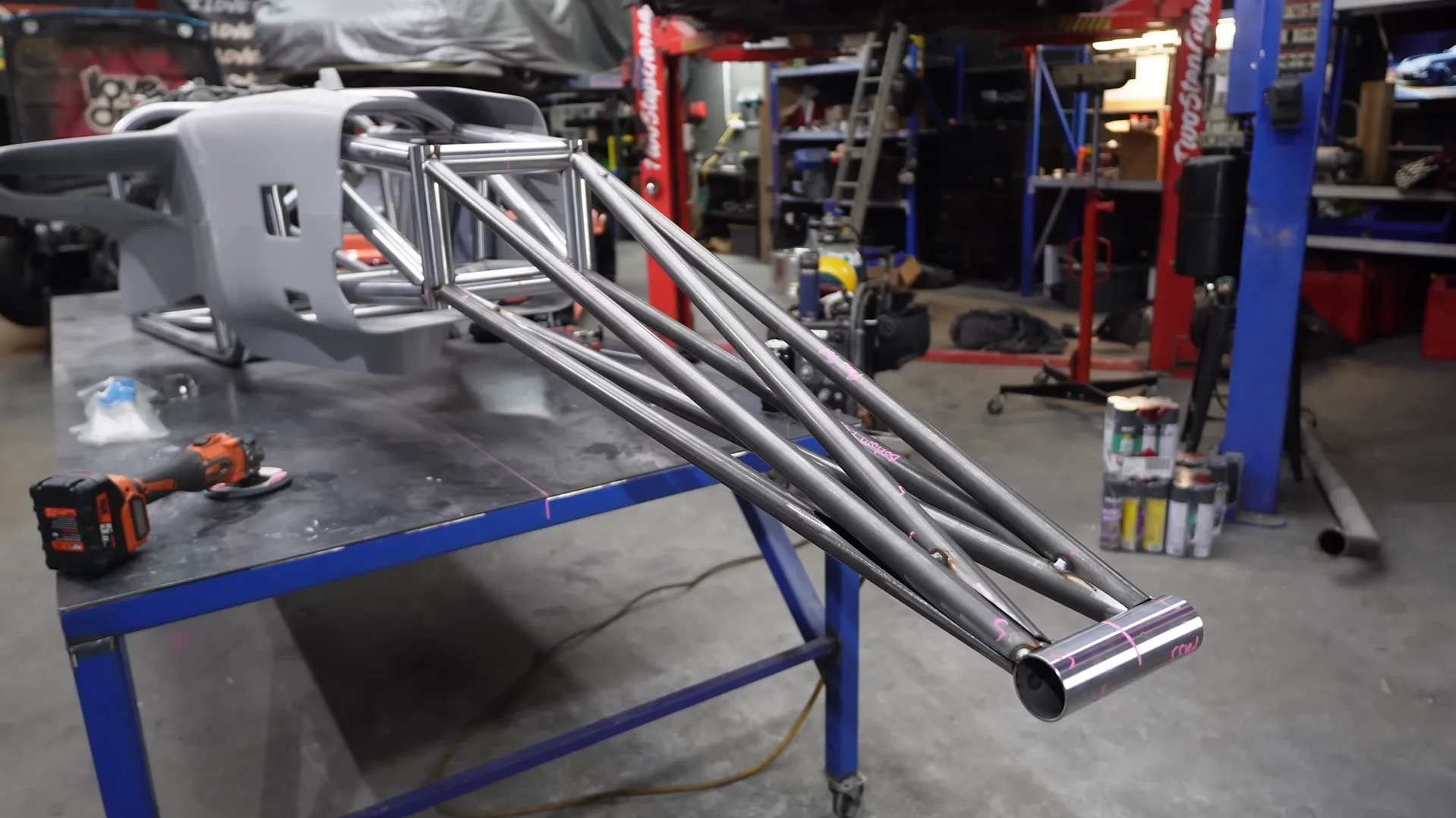
The shell was going to be reinforced with fiberglass, with bodywork added to smooth out the joins between the 100 printed sections and make it look nicer.
The side pods and engine cover were also going to be mounted separately, just like on a real F1 car, allowing them to be removed to access the engine at the track.
And then there was the small matter of actually fitting the engine.

Mike planned to install a Mercedes V12 with a 12-to-1 exhaust system, while the shell had been designed around the engine’s intake, exhaust, and gearbox.
That meant the next stage of 3D-printing was going to be particularly interesting.
Eventually, the goal wasn’t just to have a $21 million F1-inspired machine sitting in a workshop because Mike wanted to get it on the track and drift it.
Considering the project had started with 100 pieces of plastic, it’s one seriously ambitious end goal.
Daisy is a technology and automotive journalist covering artificial intelligence, consumer tech, Apple news, cryptocurrency, emerging technologies, and transportation innovation. Since joining the team in 2025, she has reported on everything from AI-powered startups and major iOS updates to viral car stories and the latest developments shaping transportation and the digital economy. Drawing on her background in automotive journalism and a degree in History and Journalism from Goldsmiths, University of London, Daisy specializes in breaking down complex topics into clear, engaging reporting for a global audience. Her work spans cutting-edge technology, innovative vehicles, and the people driving change across both industries. Daisy has gained first-hand access to some of the world's most talked-about technologies and innovators, including meeting Tesla's Optimus humanoid robot during its first European appearance in London. She has also discussed the future of space exploration with an astronaut, bringing unique insights and real-world perspectives to her coverage of emerging technology.