Man 3D-printing an entire Porsche GT3 decides he has to make a big call on the car's bodywork
Published on May 02, 2026 at 2:04 PM (UTC-4)
by Jason Fan
Last updated on May 02, 2026 at 2:04 PM (UTC-4)
Edited by
Mason Jones
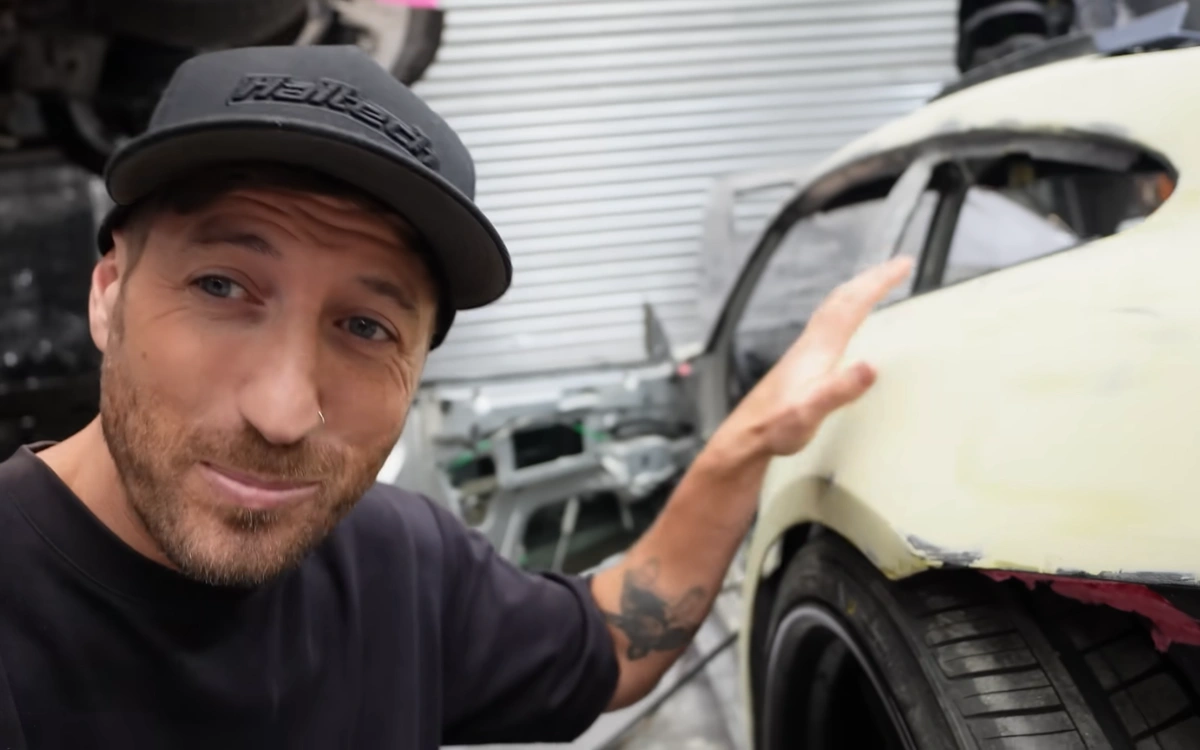

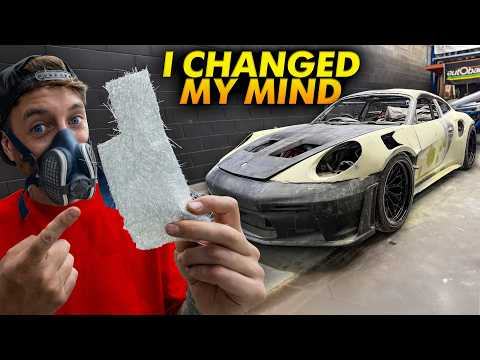
Australian YouTuber Mike Lake had been working on 3D-printing his Porsche GT3 for some time, but a nagging concern forced him to make a big decision.
The project had been making good progress, and the car itself looked really close to the real thing.
However, the content creator recently became worried about the car’s long-term durability, so much so that he was having trouble sleeping.
He had to make a decision: delay the build and ensure that the car would last for years to come, or take a risk and hope that everything was fine.
Rapid temperature changes could impact the build’s durability
The YouTuber had been documenting the build’s progress regularly, and in a recent update, he shared that the car was almost ready to be painted.
However, before he got down to the finishing touches, he started to worry about the car’s longevity.
Up to this point, the build had relied on 3D-printed panels reinforced with body filler and fiberglass work, creating a unified outer shell.
Visually, the results were impressive, with the car beginning to resemble the real thing more and more each day.
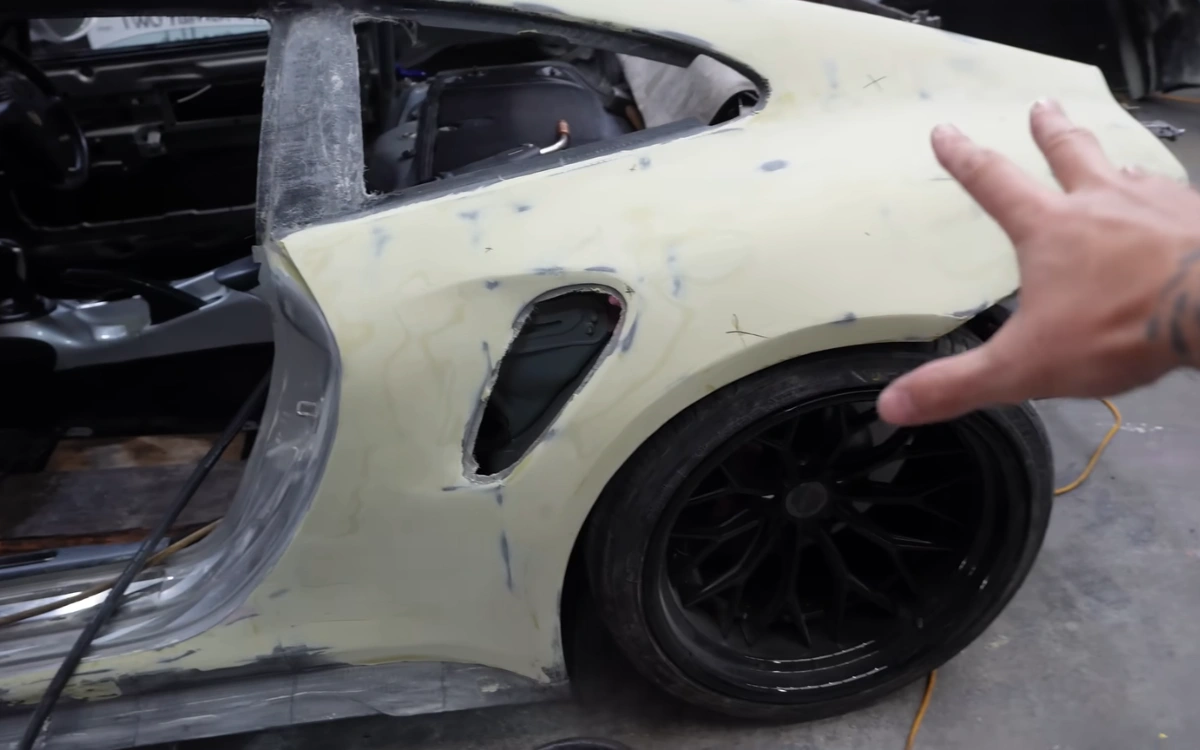
But after seeing examples of similar builds developing cracks over time, Mike started to rethink whether his current approach would truly last.
The biggest concern came down to temperature.
In Melbourne, where Mike is based, the weather can swing dramatically from cold winter mornings to scorching summer afternoons.
That constant expansion and contraction can put serious stress on layered materials, especially when combining plastics, filler, and fiberglass.
Even the smallest imperfections could eventually show through the paint.
“I don’t want to rush this and end up with cracks showing up a year later after all this work,” he said.
Related
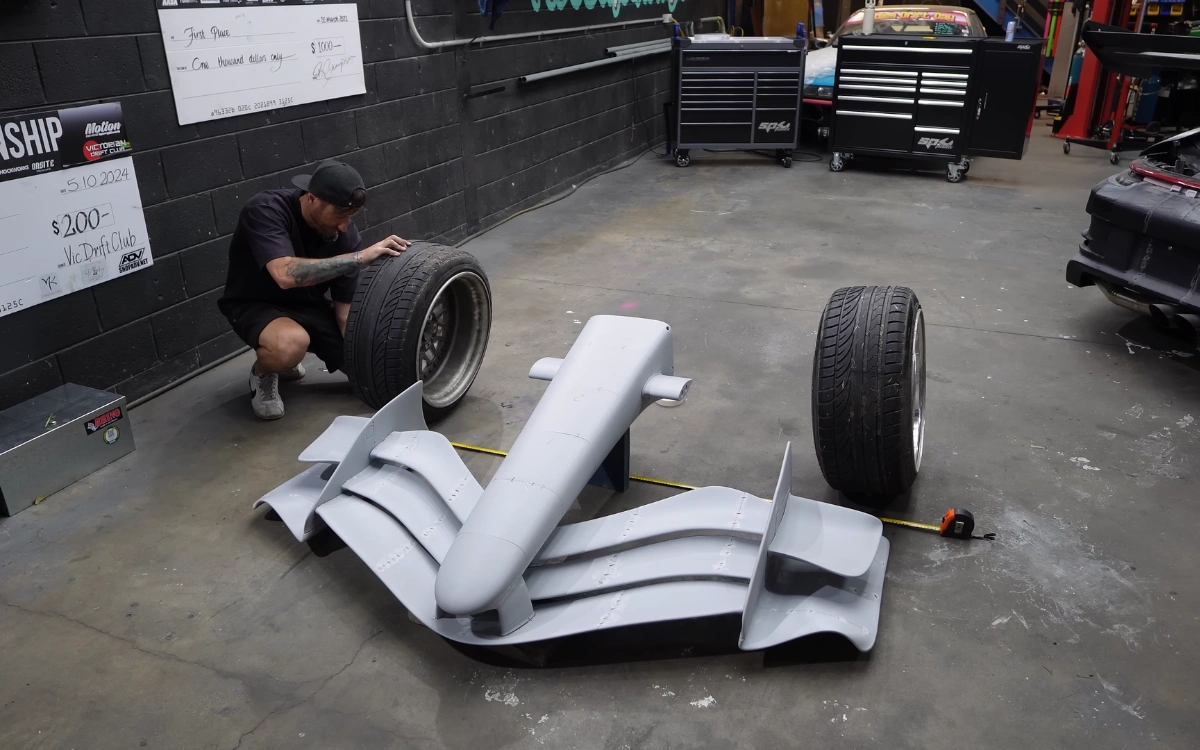
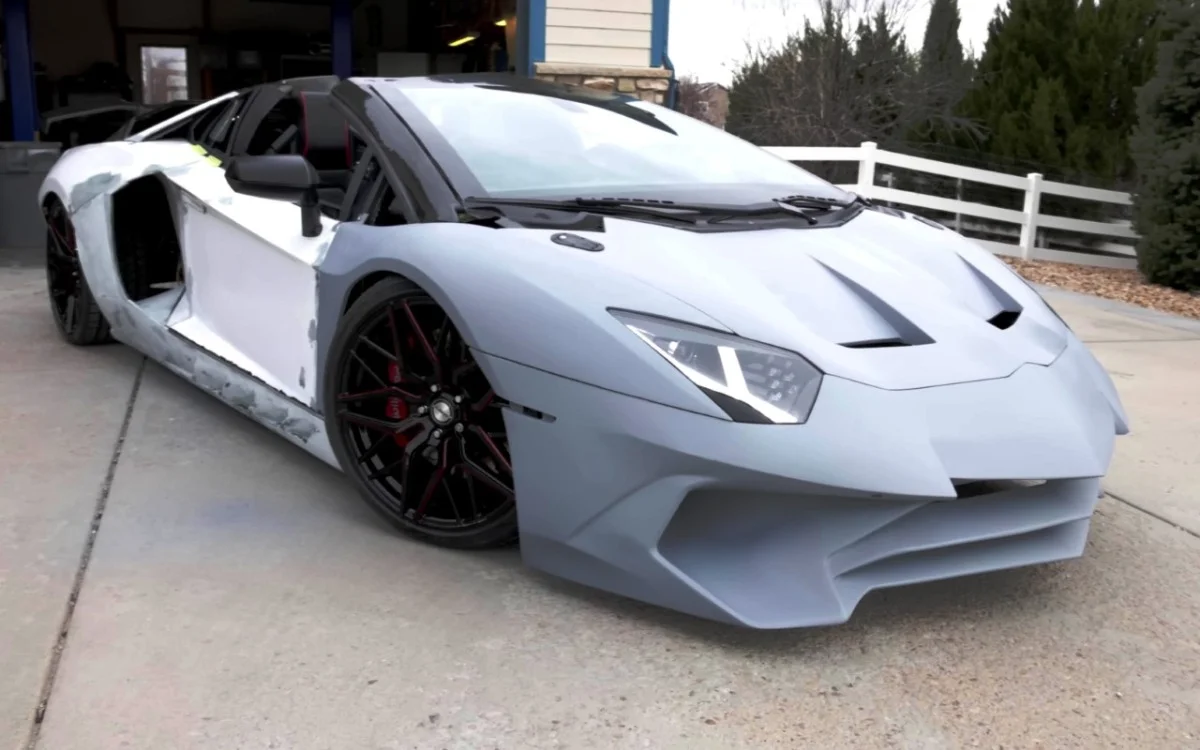

3D-printing a car isn’t a fast process
Rather than risk it, Mike decided to take things a step further.
His solution was to add a full fiberglass skin over the entire Porsche GT3 body , effectively locking everything together into a more stable structure.
To test the idea, he applied fiberglass cloth and resin to a single rear quarter panel before sanding it back down.
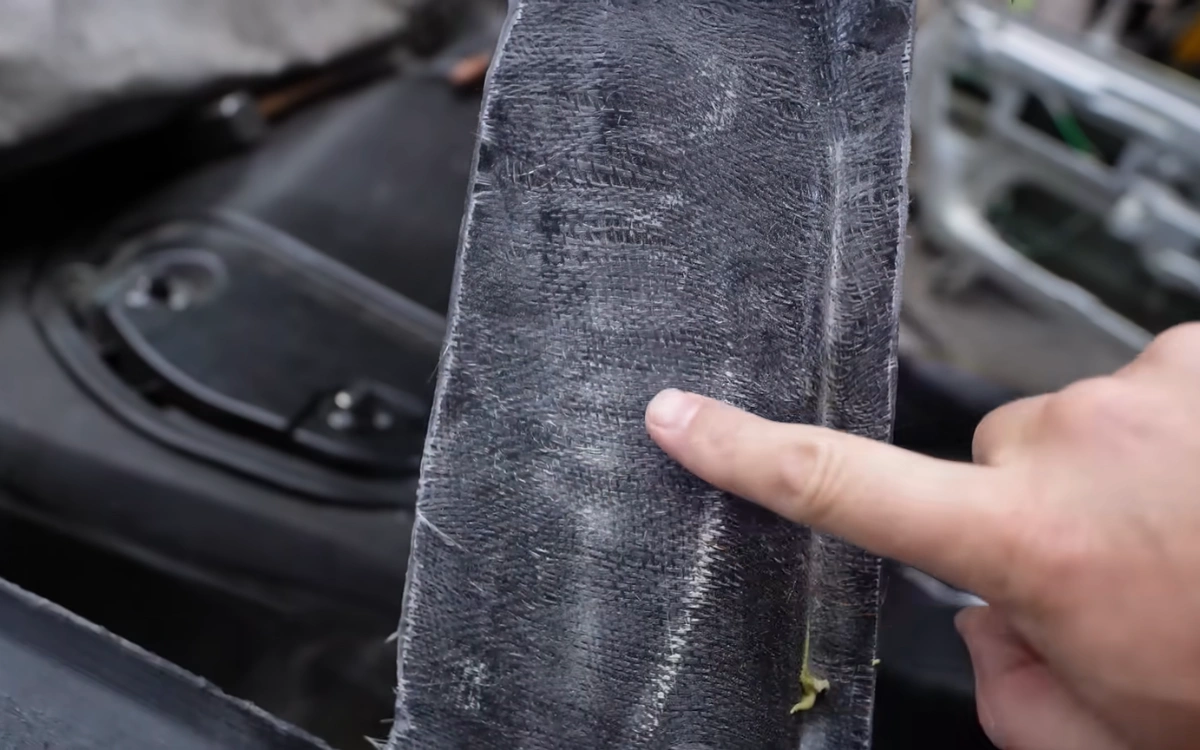
The results were pretty immediate: the panel felt significantly stronger and more rigid, with only a minimal increase in thickness.
It also sanded down smoothly enough to maintain the clean finish needed before paint.
With that success, he decided the entire car would get the same treatment.
While finding the solution was great, it also meant a lot more work.
Sanding, filling, and refining every panel was already one of the most time-consuming parts of the build, and this extra step only added to the challenge.
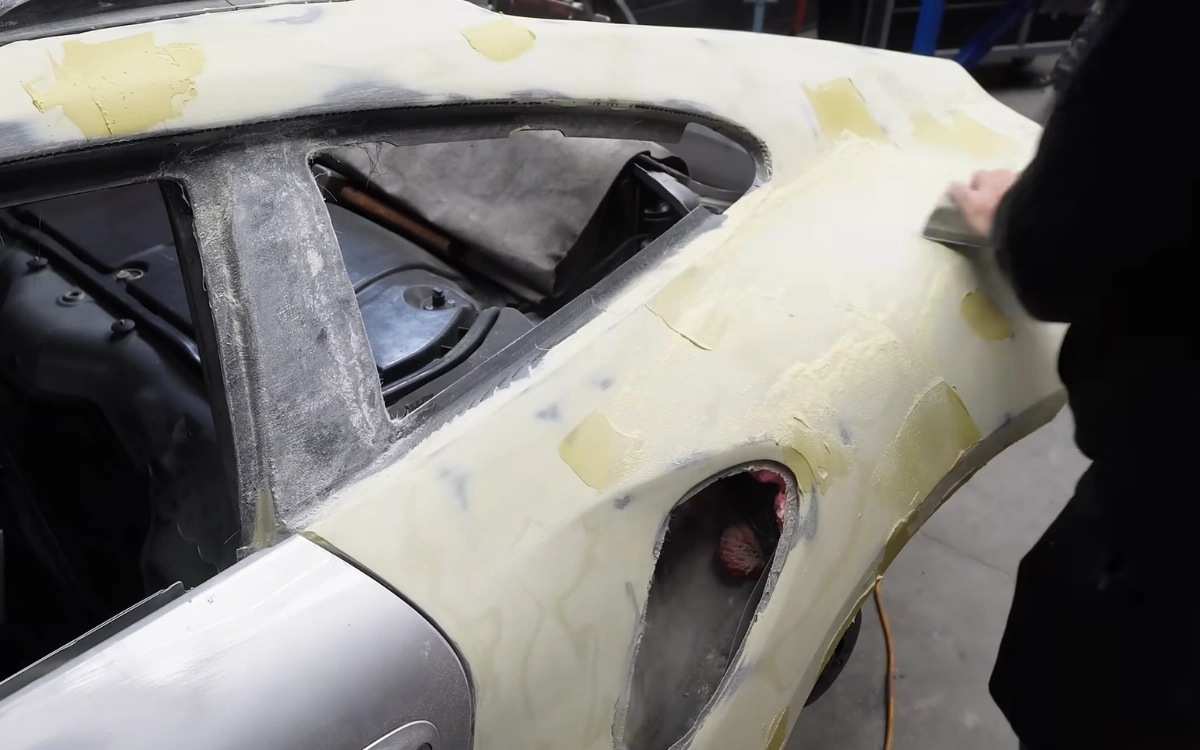
Beyond the bodywork, Mike had also been refining smaller details.
He had been working on redesigning the aero elements to be removable, making them easier to finish properly.
The YouTuber was even experimenting with custom 3D-printed mirrors to better match the car’s intended look.
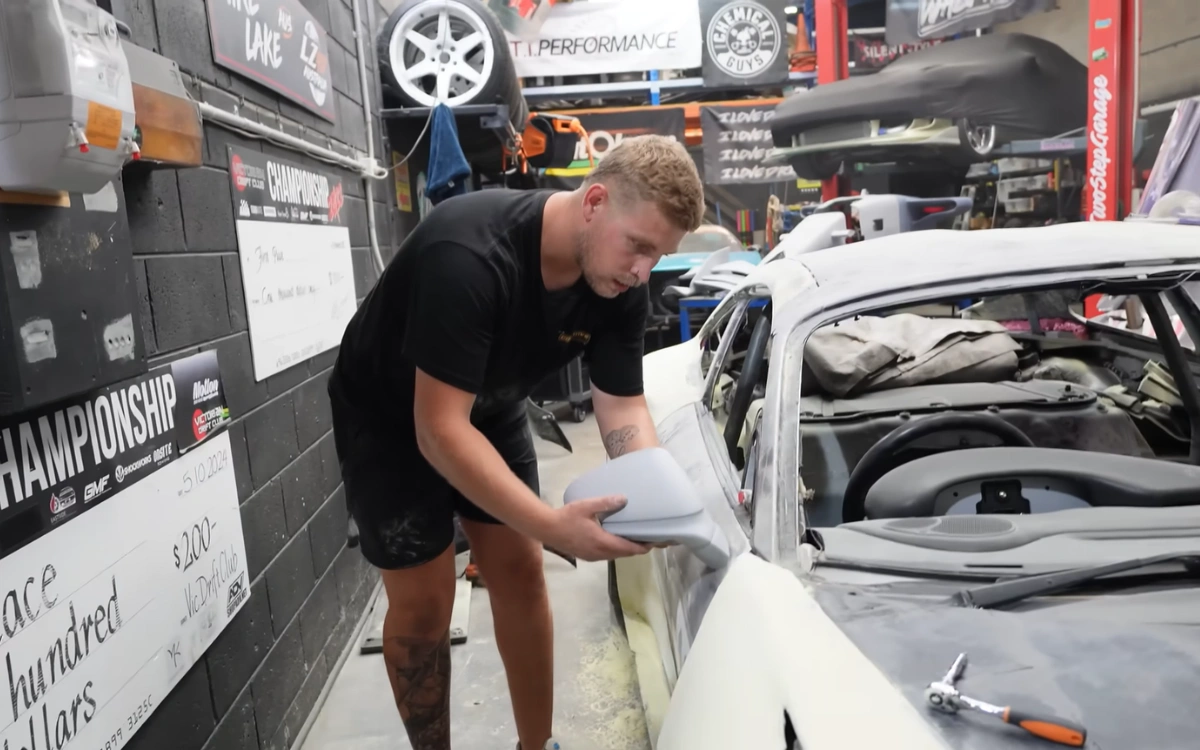
As the 3D-printing project continued to develop, it became increasingly clear that Mike had little intention to rush the build.
It had to be perfect, and he wasn’t going to settle for anything less.
Can you actually 3D-print a functioning car?
Mike Lake’s experience got us thinking and wondering: can you actually 3D-print a car?
And if the answer’s yes, how do you do it?
We asked mechanical engineer Simone Bianconi, who regularly uses a 3D printer, and his answer was interesting, mostly because it was quite nuanced.
“A car is just a combination of a lot of individual components and in theory, you can 3D-print nearly all of them. But it depends on what you want to do with it,” he told Supercar Blondie.
“It can be relatively inexpensive, too. If you want to 3D-print a nice car that looks real, basically an empty shell you can park on your driveway, you can probably do that for a few thousand bucks or so, as long as you use plastic.”
If you sense a ‘but’ coming, well, there is one.
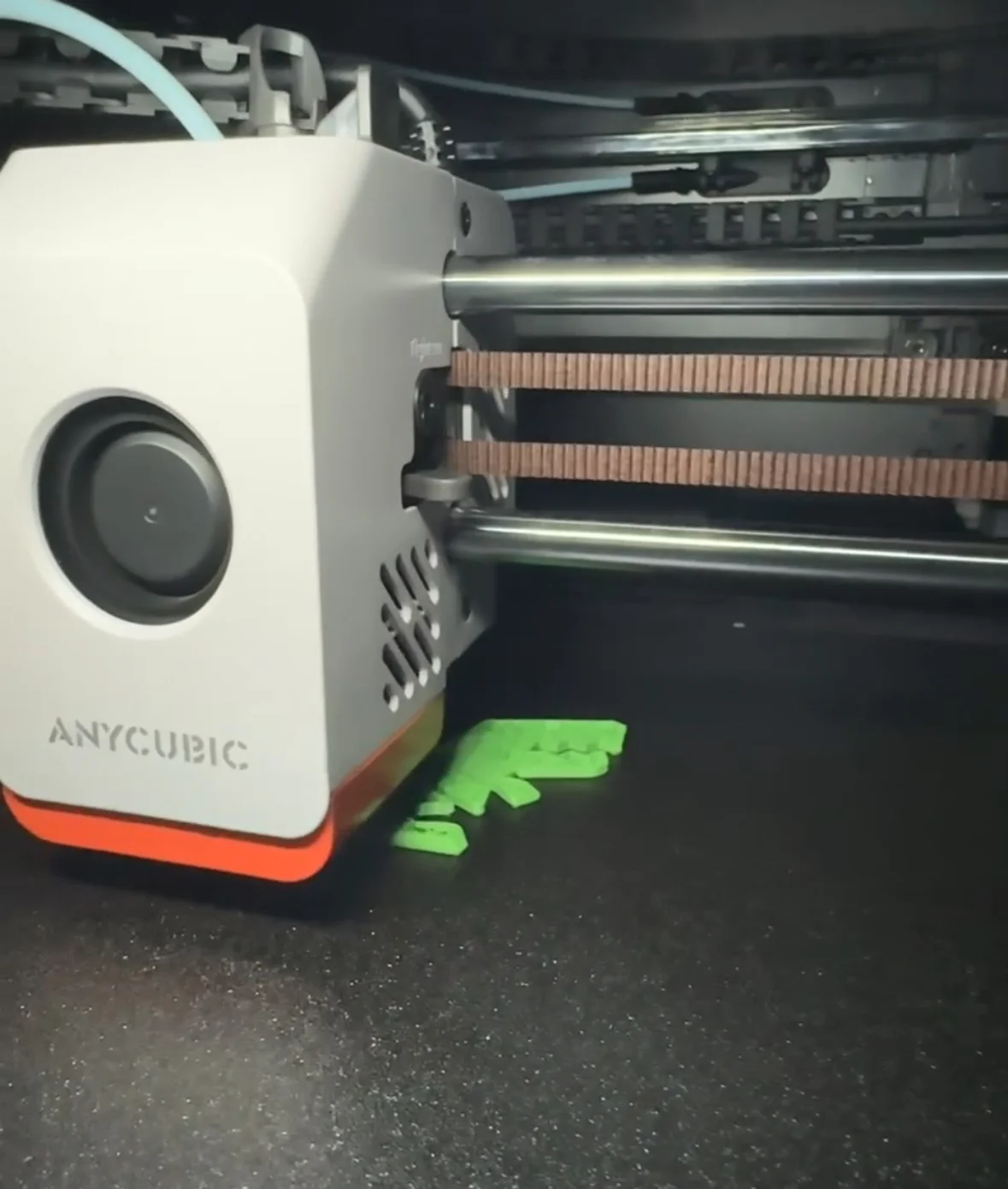
“But you could never drive it. Plastic is too brittle for that, and it melts. If you somehow found an engine and fitted it under the hood, the car would fall apart within miles,” he said.
So, can you 3D-print a functioning car?
“In theory, yes. But you’d need sophisticated 3D printers, a lot of time, some serious engineering skills, and a lot of money. So basically you probably could, but it’d cost you a lot more in terms of time and money invested than simply buying a car or restoring one,” he told Supercar Blondie.
So the moral of the story is: yes, you can 3D print a car as long as A, you have money to burn or B, you have a YouTube channel and want to conduct a fun experiment.