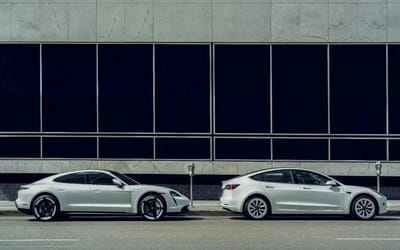
Canada man who regularly drives a 2024 Tesla Model 3 LR AWD in -40°F temperature stunned at how much his battery has degraded after a year
Published on Jan 26, 2026 at 7:41 AM (UTC+4)
by Claire Reid
Last updated on Jan 26, 2026 at 9:42 PM (UTC+4)
Edited by
Kate Bain


The owner of a 2024 Tesla Model 3 has shared how much his battery has degraded after driving it for a year in some extreme temperatures.
Cold weather can be a real challenge for EV owners.
The lithium-ion batteries that electric cars run on don’t love super cold temperatures, and you can expect to see your range drop when it gets below zero.
But does driving in extreme weather – and we’re talking as low as -40°F – on a regular basis harm the battery in the long term?
DISCOVER SBX CARS – The global premium auction platform powered by Supercar Blondie
This 2024 Tesla Model 3 has been driving in extreme conditions
Before buying an EV, many motorists may have some concerns about battery degradation and how the car will retain its range over the years.
Fortunately, a handful of recent studies have helped to debunk some common myths about battery health.
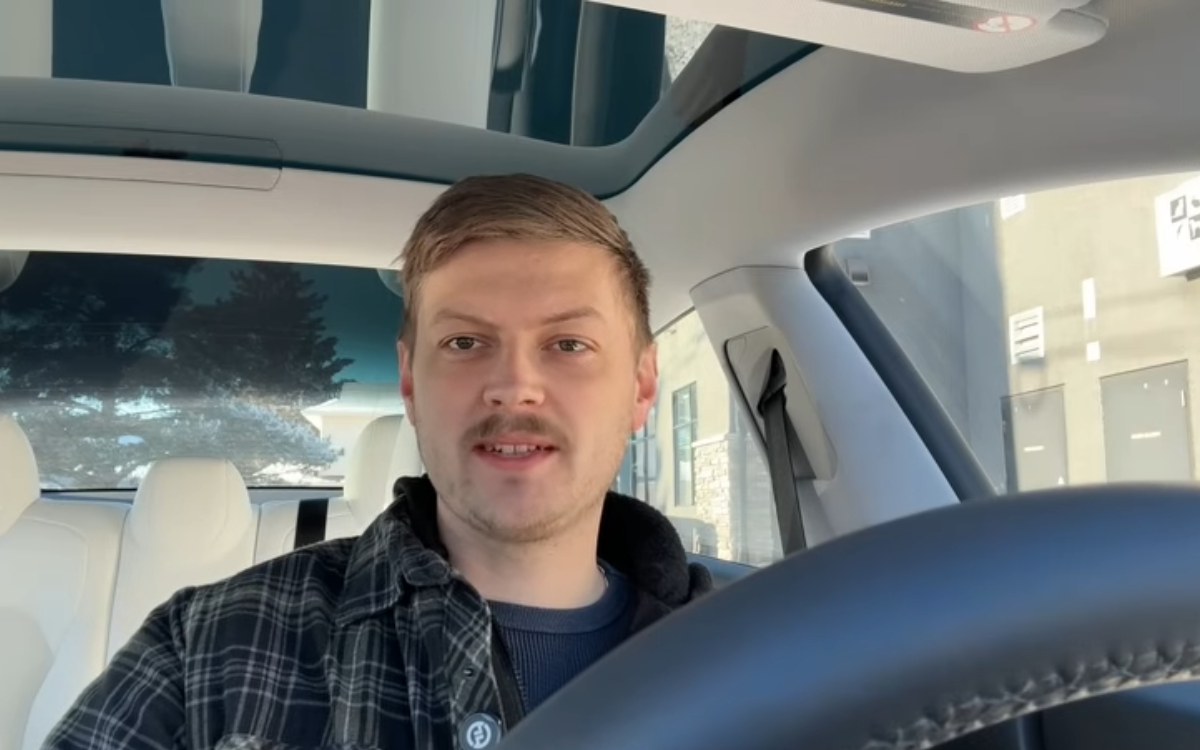
And as well as studies, there are plenty of EV owners who have shared the impact that time and miles have had on their batteries.
Among them is content creator FrozenTesla, who lives in Saskatchewan, Canada, and owns a 2024 Tesla Model 3 Long Range AWD.
After a whole year of owning the Tesla, he’s done around 20,000 miles.
And, because he lives in Saskatchewan, many of those miles were in pretty extreme weather conditions.
So, a year on, he’s decided to see how his Tesla Model 3’s battery has held up.
Before he got started, he checked out a couple of apps to get some estimates for his battery’s health and was told it could have dropped anywhere between 2.45 percent and 3.71 percent.
To carry out the test, he ran down the battery to around 10 percent.
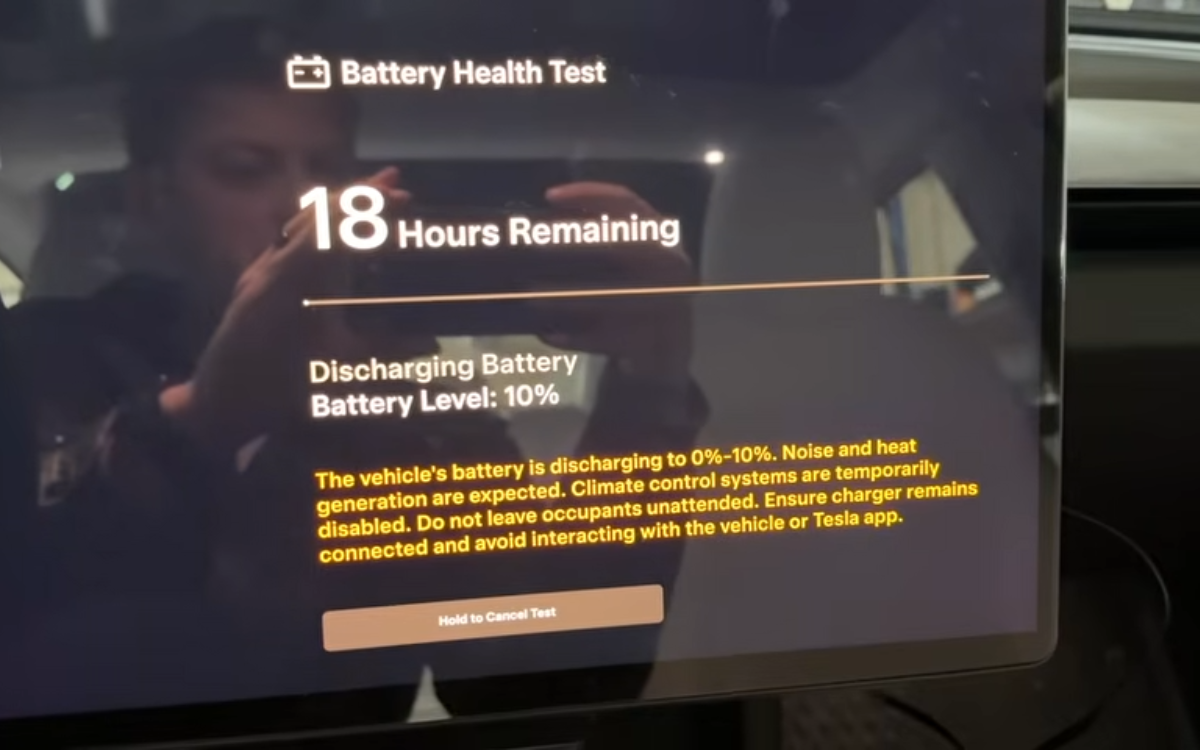
He took the battery all the way down to zero before recharging back to 100 percent.
It was a pretty slow process, taking around 18 hours in total – but what did it show?
Click the star icon next to supercarblondie.com in Google Search to stay ahead of the curve on the latest and greatest supercars, hypercars, and ground-breaking technology
How did the battery hold up after one year and 20,000 miles in the cold?
The Tesla owner kept a close eye on the car’s battery during the test.
After a mammoth 18 hours, the test was complete, and a notification flicked up onto his phone to let him know the results were in.
Hopping into the car to take a closer look, the battery was confirmed to be ‘healthy’ and showed 97 percent battery health, meaning it had dropped just three percent in a year despite being driven in freezing temperatures.

The Tesla owner was delighted with the outcome.
“That is awesome,” he said.
“Battery energy retention is within the expected range based on age and mileage, so that is perfect.
“I am psyched about that.”
A short history of EV batteries
1859: Invention of the lead-acid battery by Gaston Planté — used in early electric carriages
1899: Camille Jenatzy’s electric car, using lead-acid batteries, sets a land speed record of 65 mph
1960s: Nickel-cadmium (NiCd) batteries provide better energy density but are costly
1991: First commercial lithium-ion battery developed by Sony—revolutionizing portable tech
1996: GM EV1 uses advanced lead-acid and nickel-metal hydride (NiMH) batteries in prototypes
2008: Tesla Roadster launches with lithium-ion cells—first car to use laptop-style battery packs
2012: Tesla Model S refines battery cooling and packaging for longer range and safety
2015: Solid-state battery research accelerates, promising faster charging and higher energy density
2020: EV battery costs drop 89% in a decade, reaching ~$137/kWh, enabling mass-market EVs
2023: Panasonic, CATL, and others begin testing next-gen ‘4680’ cell designs for higher performance
DISCOVER SBX CARS: The global premium car auction platform powered by Supercar Blondie
With a background in both local and national press in the UK, Claire has covered a range of topics, including technology, gaming, and cryptocurrency, since joining the editorial team at Supercar Blondie in May 2024. Her ability to be first to a story has been integral to making SB’s coverage of scientific discovery, AI, and global tech news a slick 24/7 operation.