Man presses the recirculation button in his car and closes the windows to see how long he can breath the same air and it's alarming
Published on Mar 19, 2026 at 3:04 PM (UTC+4)
by Jason Fan
Last updated on Mar 20, 2026 at 9:06 PM (UTC+4)
Edited by
Emma Matthews
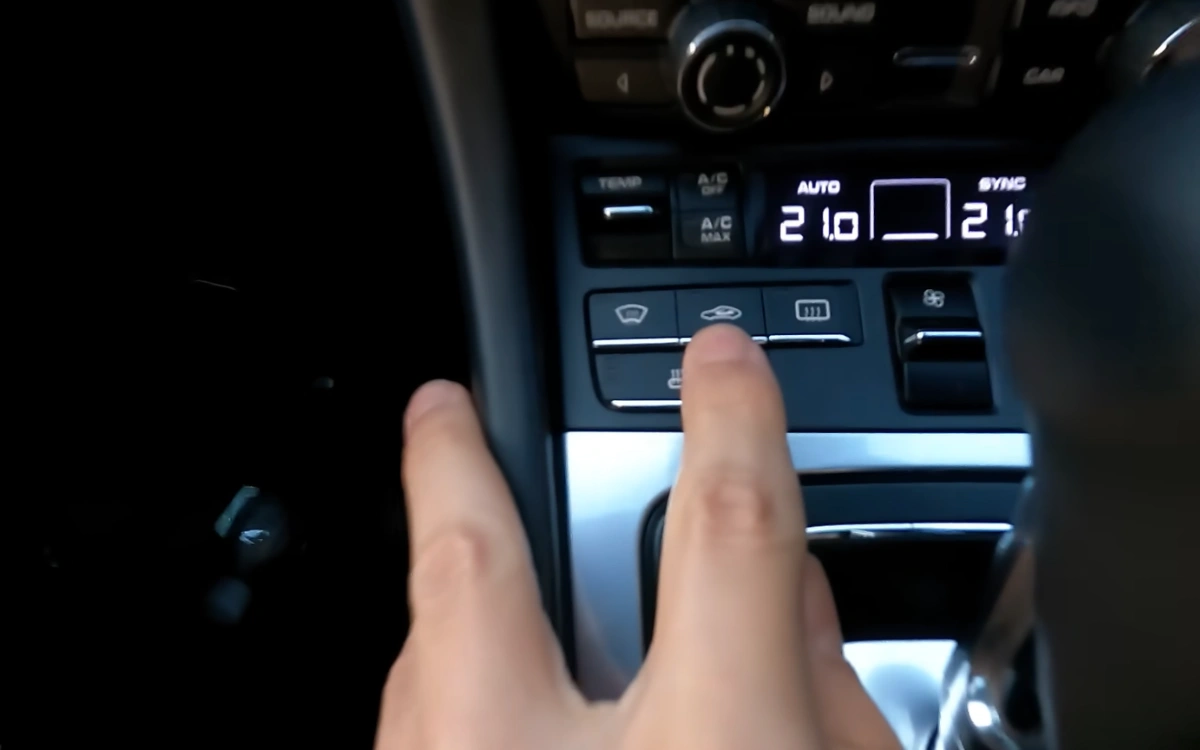

If you’ve never used the recirculation button in your car, you might not know about the dangers of using it for too long, including a high CO2 level and even early signs linked to hypoxia, as one driver found out.
Richard Fanders, the man behind YouTube channel Conquer Driving, did a little road experiment recently.
Armed with a CO2 monitor, he set out on a long journey to see what really happens inside a sealed car cabin.
The results came fast, and they were more serious than he ever expected.
Click the star icon next to supercarblondie.com in Google Search to stay ahead of the curve on the latest and greatest supercars, hypercars, and ground-breaking technology
Pressing the recirculation button had almost immediate effects
The YouTuber’s test began with fresh air sitting at around 430 parts per million of CO2.
Once inside the car with the windows shut, that number climbed to 560 almost immediately.
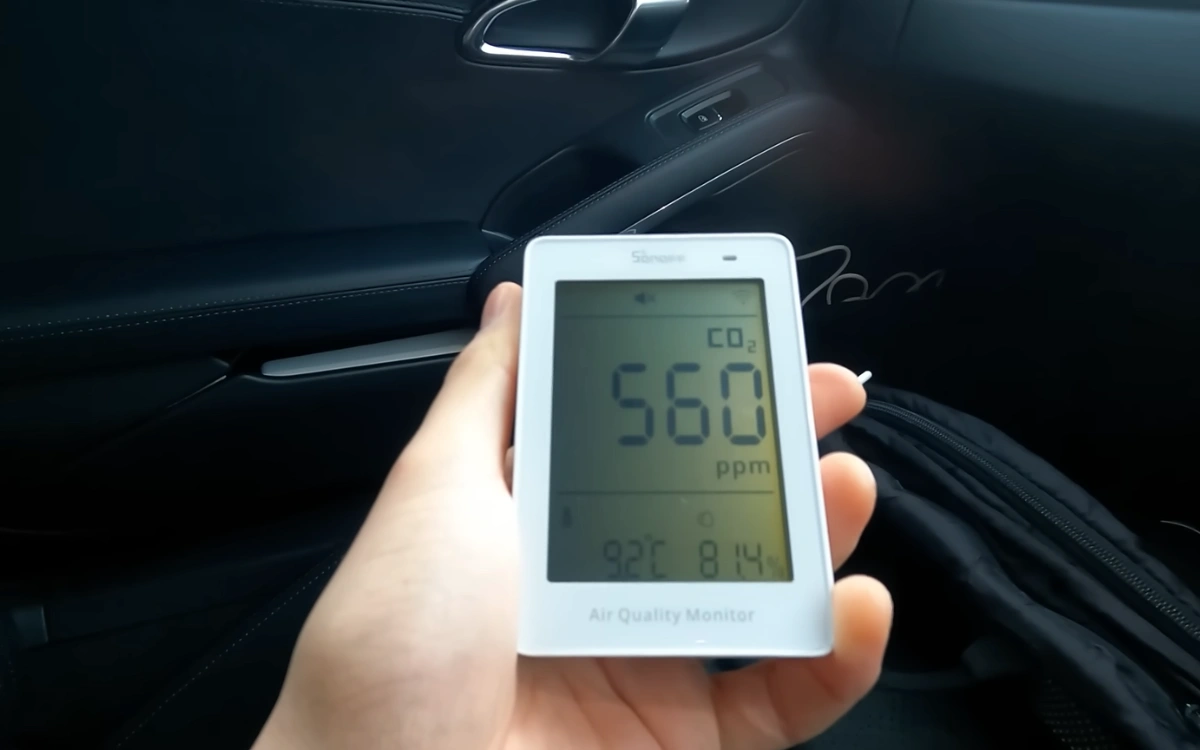
Within just five minutes, it had already crossed 1,200, pushing past what is considered well-ventilated indoor air.
By the seven-minute mark, levels exceeded 1,500, a point where improved ventilation is typically recommended.
After that, things escalated quickly.
After 35 minutes, the CO2 reading surged to nearly 3,900 parts per million.
Less than an hour in, it hovered above 4,300, edging closer to the 5,000 mark often flagged as potentially unsafe over prolonged exposure.
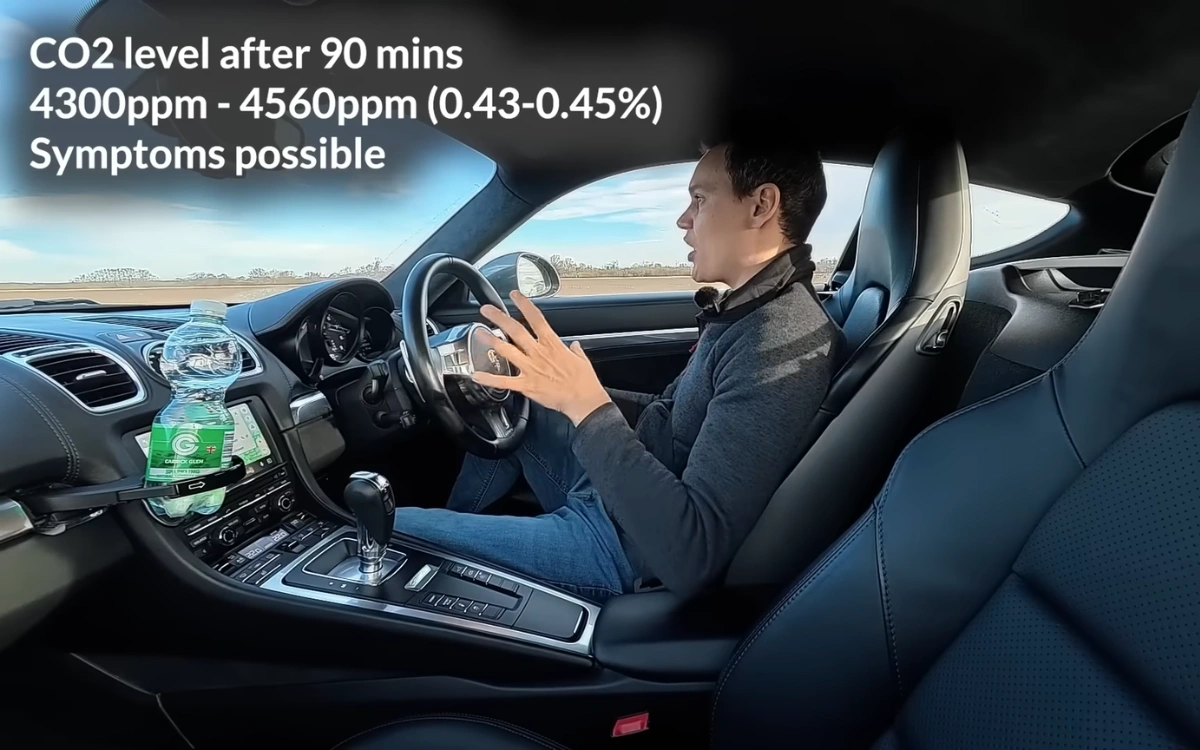
Surprisingly, the driver still felt fine, with no headaches or obvious drowsiness, though he later admitted he did not feel quite as sharp as usual.
In the medical biz, that’s known as the early stages of hypoxia, where your organs and cells experience a lack of oxygen, leading to a host of symptoms.
Those subtle changes became clearer once he switched the system back to fresh air, though.
Within minutes, CO2 levels dropped dramatically, falling below 1,000 in just a short time.
At the same moment, he noticed a difference in how he felt, describing a slight but noticeable boost in alertness and clarity.
High CO2 levels could lead to hypoxia, which is potentially fatal
The experiment also revealed how much car size matters.
In a larger vehicle, CO2 levels rose more slowly and stabilized at a lower point.
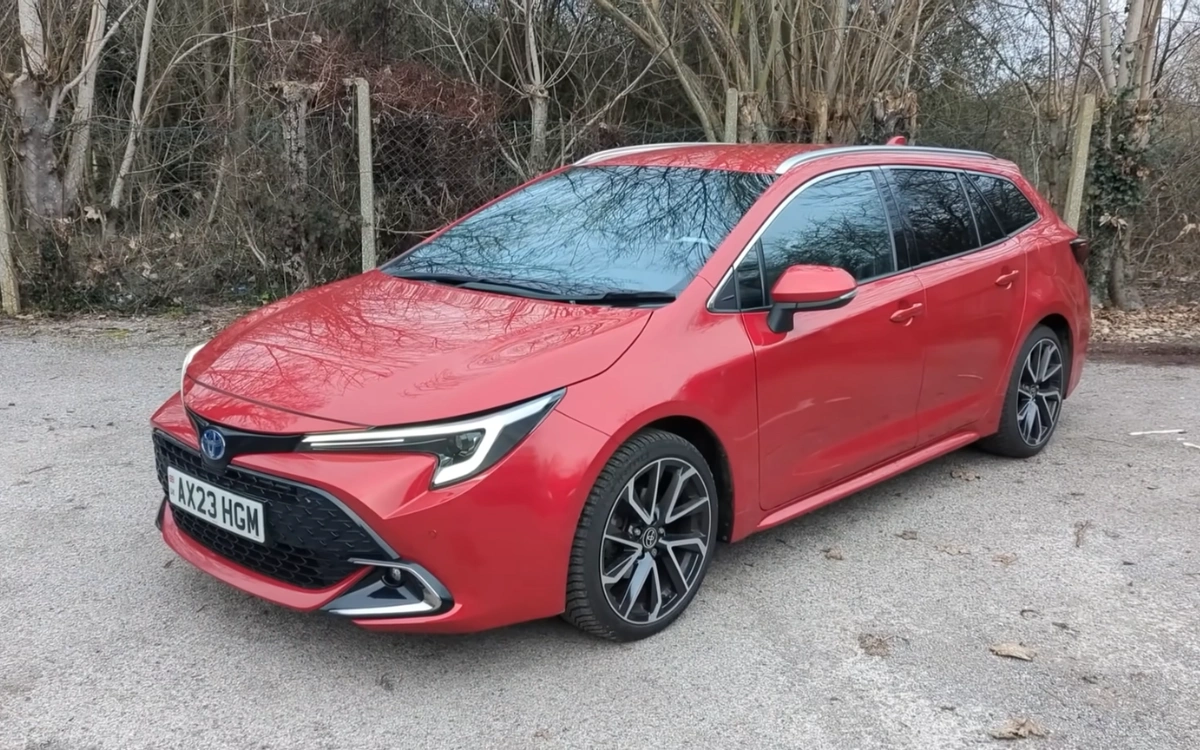
In a smaller cabin, the buildup happened faster and reached higher levels, even with just one person inside.
So what did he learn?
Well, while cars are not airtight, they do trap enough air for CO2 to build up over time when ventilation is limited.
Using recirculation mode continuously can quietly affect concentration and comfort, especially on longer drives.
In the end, Fanders recommended using the recirculation function only when needed, such as in heavy traffic or polluted areas, or when you need to cool down quickly.
For everyday driving, letting fresh air in turned out to be the smarter and safer choice.
In fact, when you’re driving in winter, pressing the recirculation button could potentially be even more dangerous.
If you want to check out his full experiment, you can find the video below:

DISCOVER SBX CARS: The global premium car auction platform powered by Supercar Blondie