Man who owns and drives a $94,000 London taxi shares his honest opinion on if it's worth it after paying it off
black ca
Published on Jan 15, 2026 at 9:54 AM (UTC+4)
by Jason Fan
Last updated on Jan 15, 2026 at 1:19 PM (UTC+4)
Edited by
Mason Jones

Owning a London taxi is often romanticised, but driving a modern black cab is far more complicated than most passengers realise.
Tom, better known on YouTube as Tom the Taxi Driver, knows this better than anyone.
After five years of paying £1,087 ($1,460) a month, he’s finally paid off his electric black cab in full.
And while that milestone feels good, it’s far from the end of the story.
SBX CARS – View live supercar auctions powered by Supercar Blondie
Being a London taxi driver isn’t easy
Prospective drivers have to take a 160-year-old test in order to qualify, and it’s one of the toughest exams in the world.
However, once you do pass the test, it’s only the beginning of your journey.
Tom’s journey started the way many London cabbies do: renting.
For £240 ($320) a week, he hired an older diesel TX4 from a fleet operator while learning the trade.

Renting gave him flexibility, predictable costs, and peace of mind since maintenance was covered.
However, it also meant that money was disappearing every week, as he was simply paying the fleet owner.
Naturally, buying felt like the smarter long-term play, especially when every licensed taxi earns the same fare regardless of age.
That plan hit a few speed bumps.
Mortgage lenders treated taxi finance like a personal loan, forcing Tom to choose between buying a cab or buying a home.
Then came the death of diesel, as Transport for London banned new diesel taxis and shortened their working lifespan.
That left only one real option: a brand-new electric taxi, costing around £70,000 ($94,000).
With a £5,000 ($6,700) deposit and a five-year hire purchase agreement, Tom became the owner of a shiny new black cab.

Leasing vs buying is not a simple decision
On paper, the numbers made sense.
Monthly payments were similar to renting, insurance aside, and each payment chipped away at the loan instead of lining a fleet owner’s pockets.
But ownership comes with risk.
When COVID hit and passenger numbers collapsed, Tom still had to find that £1,087 ($1,460) every single month, even on days when he barely earned £50 ($67).
He survived thanks to payment holidays, government support, side hustles, and sheer persistence.
Fast-forward to today, and the cab is paid off.
That means an effective £13,000 ($17,500) annual ‘pay rise’ for doing the same job.
Still, there’s a catch.
Fewer expenses mean a higher tax bill, and London taxis have a hard age limit.
In 15 years, no matter how well it’s maintained, the cab will be worth little more than scrap.
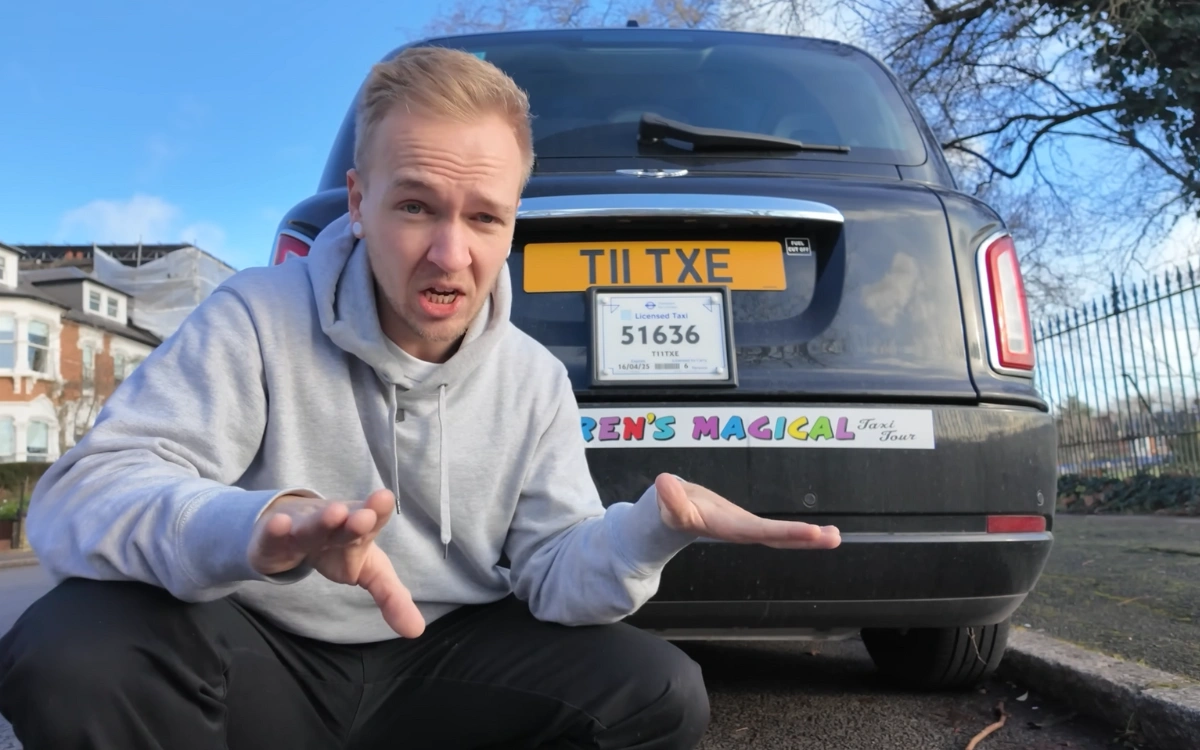
So, was it worth it?
According to Tom, it’s still worth it, but only if you’re playing the long game.
While ownership rewards commitment, resilience, and planning, it’s not a magic money machine.
In fact, some people argue that leasing a vehicle may make more sense, especially if you put the money you save into assets instead.
DISCOVER SBX CARS: The global premium car auction platform powered by Supercar Blondie