Man works out how much time you spend filling up a car with gas compared to charging an EV and comes to a shocking conclusion
Published on Jan 26, 2026 at 5:55 AM (UTC+4)
by Claire Reid
Last updated on Jan 26, 2026 at 5:55 AM (UTC+4)
Edited by
Claire Reid
A man has crunched the numbers to work out how much time is wasted when filling up an ICE car compared to charging an EV, and the results are surprising.
One of the major concerns some motorists have about switching from gas to electric is issues around charging.
Typically, charging a car takes a lot longer than topping up with gas, unless you happen to be using one of the new BYD Han L and Tang L models, which can add 250 miles on with just five minutes of charging.
However, one EV expert decided to see how much time was spent charging cars compared to filling them up, and he shared some interesting results.
DISCOVER SBX CARS – The global premium auction platform powered by Supercar Blondie
He looked at how much time was wasted filling up an ICE car compared to charging an EV
Electric car specialist R Symons, who runs the RSymons RSEV YouTube channel, has previously pitted electric vehicles against electric vehicles, comparing how the Tesla Model Y and Hyundai Ioniq 5 N fared in sub-zero temperatures or determining which electric vehicle was the most comfortable.
But in a recent clip, he decided to work out how much time was ‘wasted’ when topping up an ICE car compared to an electric car.
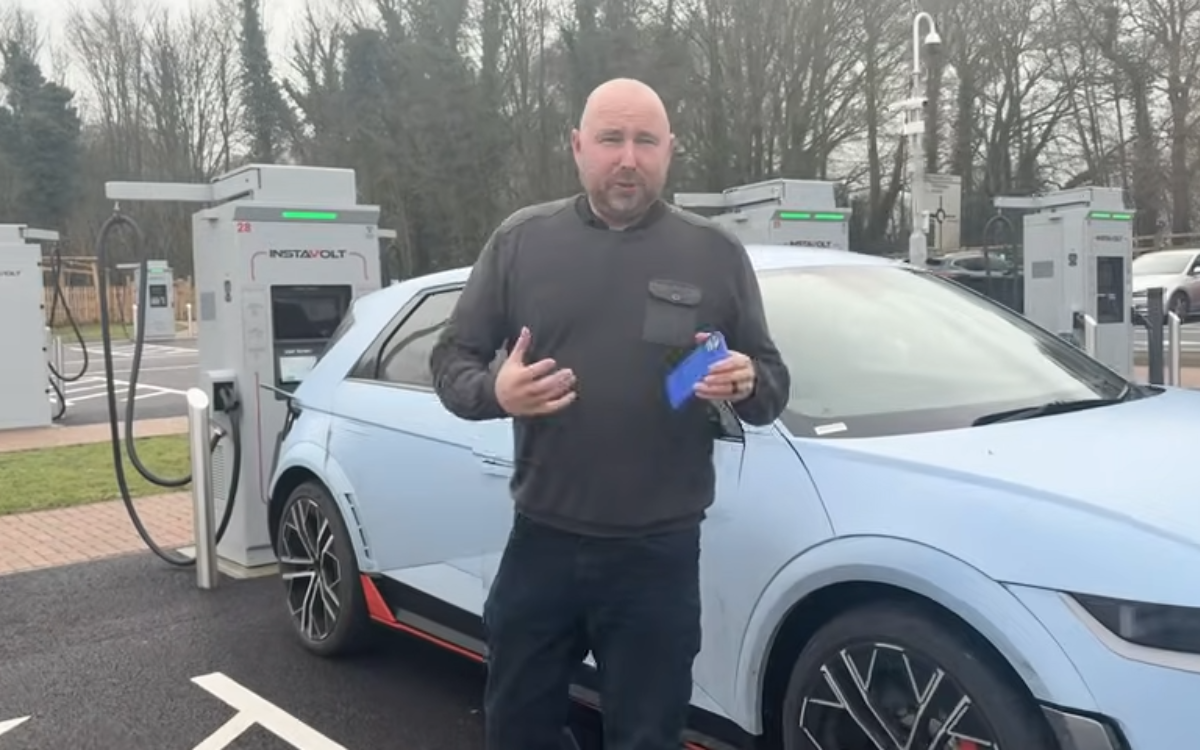
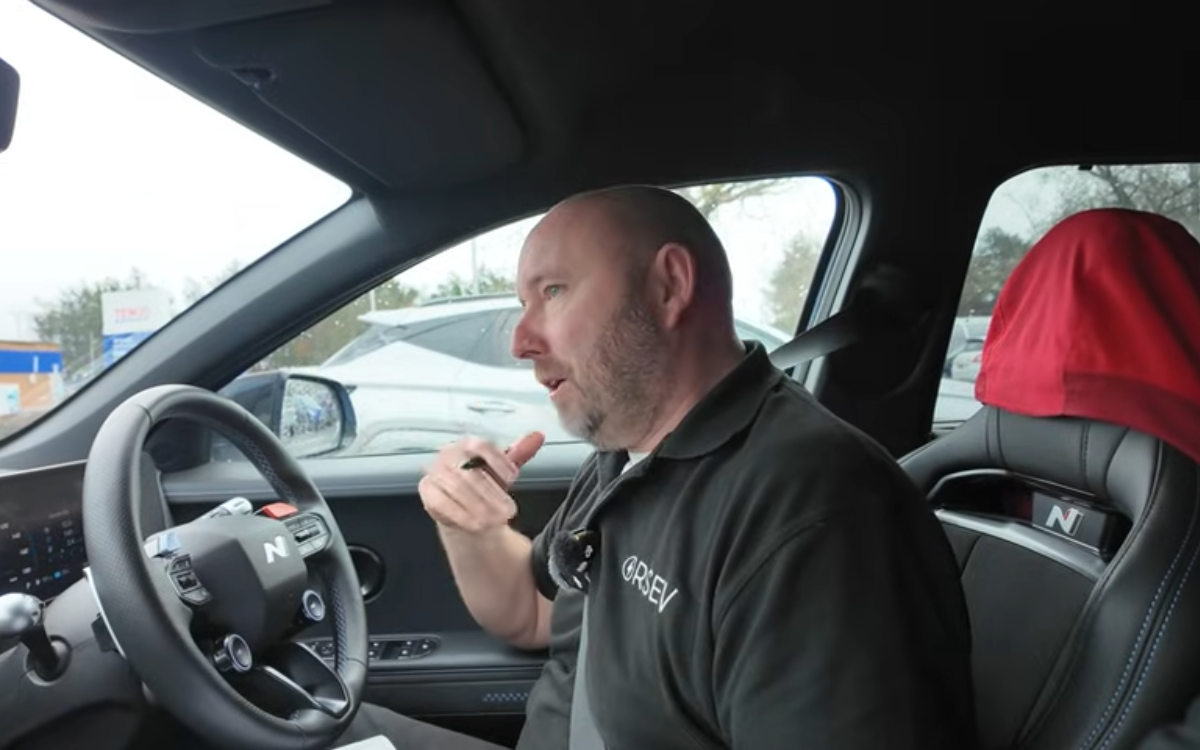
He explained that as the owner of both a gas-powered car and an electric one, he knew that popping to the gas station and filling up wasn’t always a quick or simple task.
So he decided to run a test: he was going to time real gas station refuels, do something similar with EV plug-in/unplug times, and then scale the numbers to 10,000 miles to see which was more efficient.
He headed out to some local gas stations to see how long people spent filling up.
He then said that, unlike filling up at a gas station, a lot of EV charging is done at home or when parked at work, which helped take the hassle out of it.
If you do need to use a public charging station, he said it only took a few seconds to plug in the car.
After that, you can walk off, grab a coffee, or catch up on some work – unlike at a gas station, where you need to stay at the pump.
Click the star icon next to supercarblondie.com in Google Search to stay ahead of the curve on the latest and greatest supercars, hypercars, and ground-breaking technology
So, which one wasted the most time?
Although it is quicker to top up a car with petrol than it is with electricity, the car expert wanted to assess ‘active time’ – or how much time was wasted during refueling.
He worked out the fuel pumping rate to be around 0.5 liters per second.
So, for a 30 miles per gallon car over 10,000 miles, you’d be looking at around 50 minutes at the pump.
He also calculated that the average time spent paying for fuel comes in at 4 minutes 26 seconds, and would require several trips to hit 10,000 miles.
In all, he reckoned the average ICE car motorist would clock up around two hours of ‘active time’ refueling.
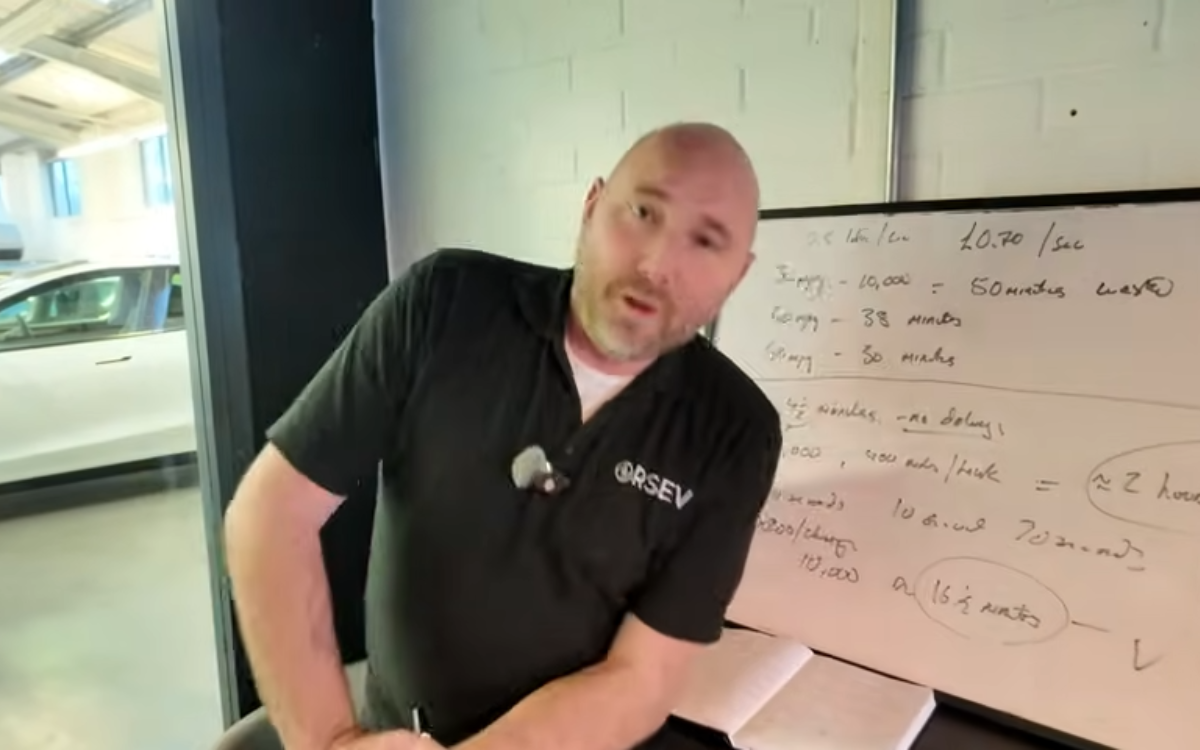
He then moved on to EVs, saying most of the time spent topping up isn’t active time – you can charge your car in your sleep, for example, or go and get a coffee and leave it to do its thing.
He went on to say that it takes about 10 seconds to plug in or unplug an electric vehicle with about 200 miles per charge session, so drivers will spend around 16.5 minutes of active minutes, adding on 10,000 miles.
“The EV wins, doesn’t it? Absolutely, it does,” he said.
“Because you’re going to save one and three-quarters of your life every 10,000 miles.”
DISCOVER SBX CARS: The global premium car auction platform powered by Supercar Blondie
With a background in both local and national press in the UK, Claire moved to New Zealand before joining the editorial team at Supercar Blondie in May 2024. As a Senior Content Writer working on New Zealand Standard Time (NZST), Claire was the first writer on the team to make the site’s output a slick 24/7 operation covering the latest in automotive news.