Maserati MC20 just became the fastest autonomous car in the world
- This Maserati MC20 is the fastest self-driving car in the world
- It reached a top speed of nearly 200mph in Florida
- The previous record had been set by a similar car
Published on Mar 04, 2025 at 9:47 AM (UTC-5)
by Alessandro Renesis
Last updated on Mar 04, 2025 at 9:47 AM (UTC-5)
Edited by
Tom Wood
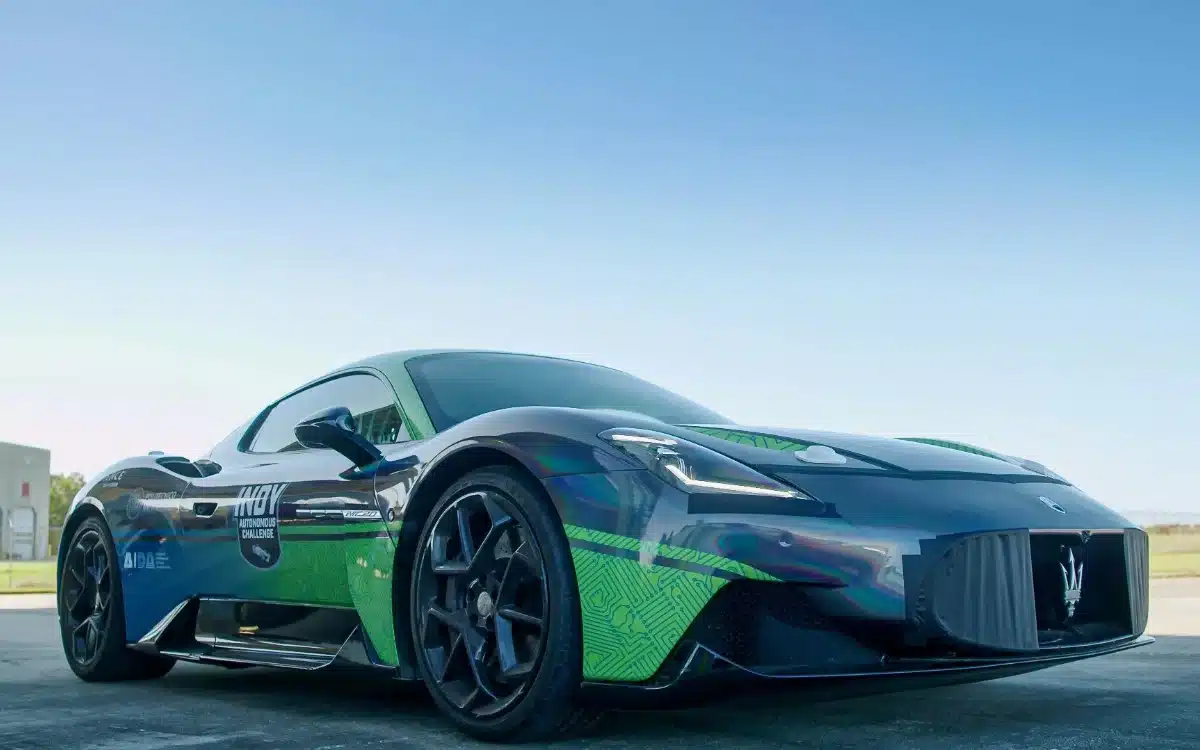

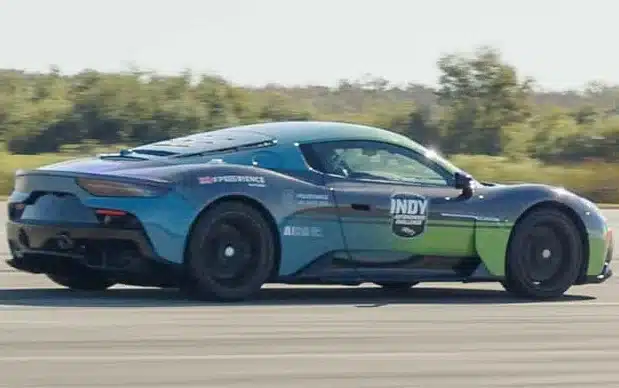
Indy Autonomous Challenge and a university in Italy collaborated to create the fastest self-driving car in the world – a Maserati MC20 – to break a record in Florida.
Thanks to their work, this heavily modified MC20 reached an incredible top speed at Kennedy Space Center in Cape Canaveral.
It’s a truly impressive record.
There’s only one ironic twist to point out.
DISCOVER SBX CARS – Bid now on supercar auctions powered by Supercar Blondie
The record-breaking Maserati is a one-off
This Maserati MC20 was modified by Indy Autonomous Challenge and the Politecnico di Milano, a tech, engineering, and design university in Italy.
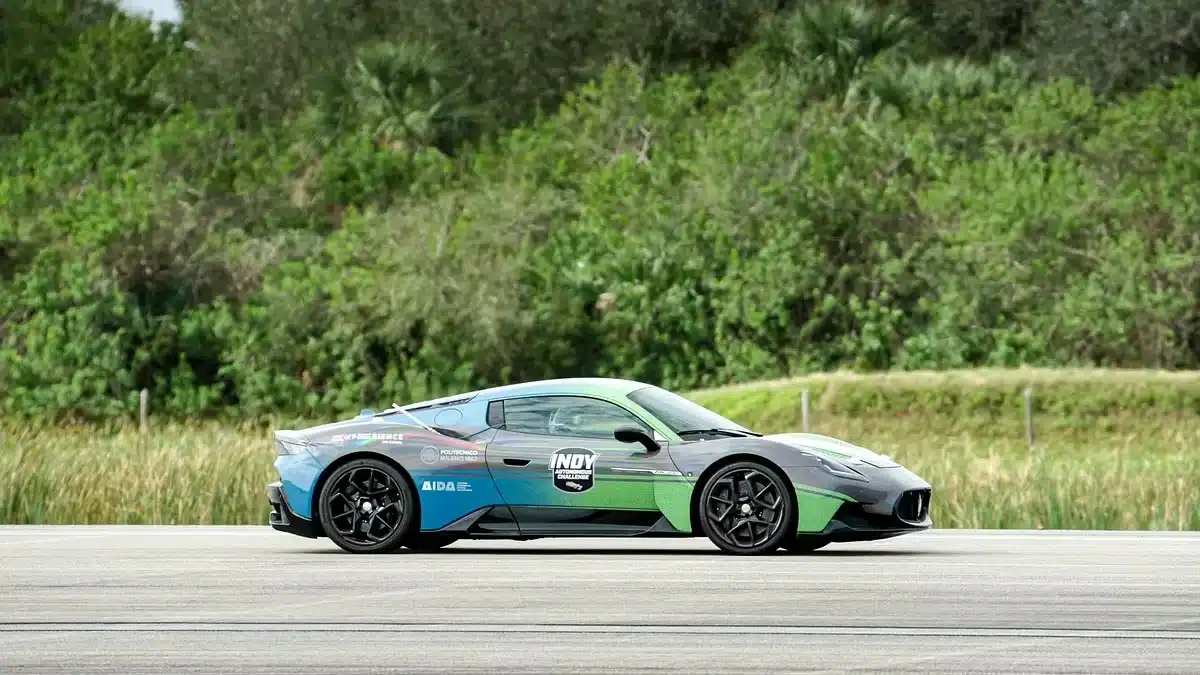
After slamming a huge AI brain under the hood of this beast, the Maserati MC20 was able to reach 197.7mph (318km/h) on the 2.8-mile runway at the Kennedy Space Center in Cape Canaveral, Florida.
The MC20 beat the old record by 4.9mph, which was set by Indy and the same university in Italy a couple of years ago.
There’s a hint of irony in this record because it was set by a Maserati – a Stellantis vehicle – and Stellantis isn’t exactly at the forefront of autonomy.
The company is still way behind when it comes to self-driving cars, considering the automakers in the group haven’t even reached Level 3 autonomy.
What’s going on with autonomy?
Several companies are in the race to autonomy with self-driving cars.
Waymo’s self-driving cars are now available in multiple locations across the United States and, as Supercar Blondie’s Alex Hirschi herself can confirm, both Waymo and Zoox are pretty impressive.
Then we have Uber, Mercedes, GM, and Ford.
There’s also Tesla.
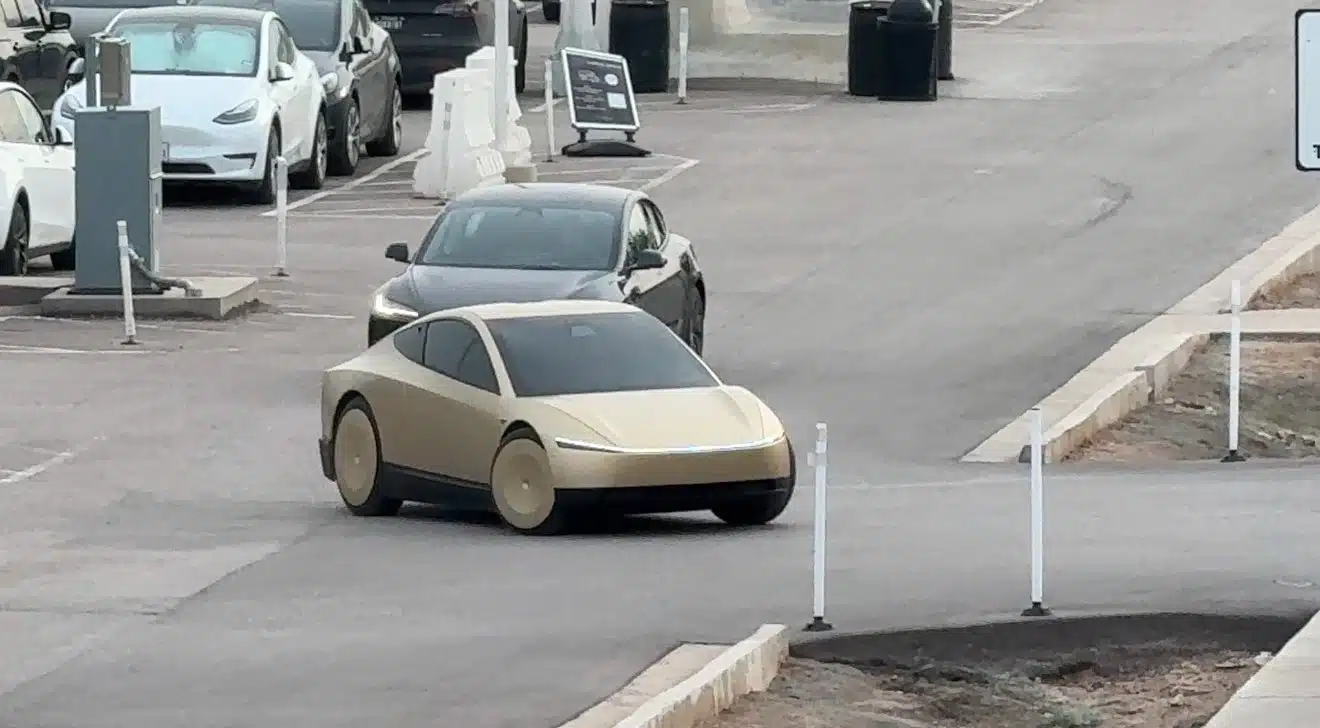
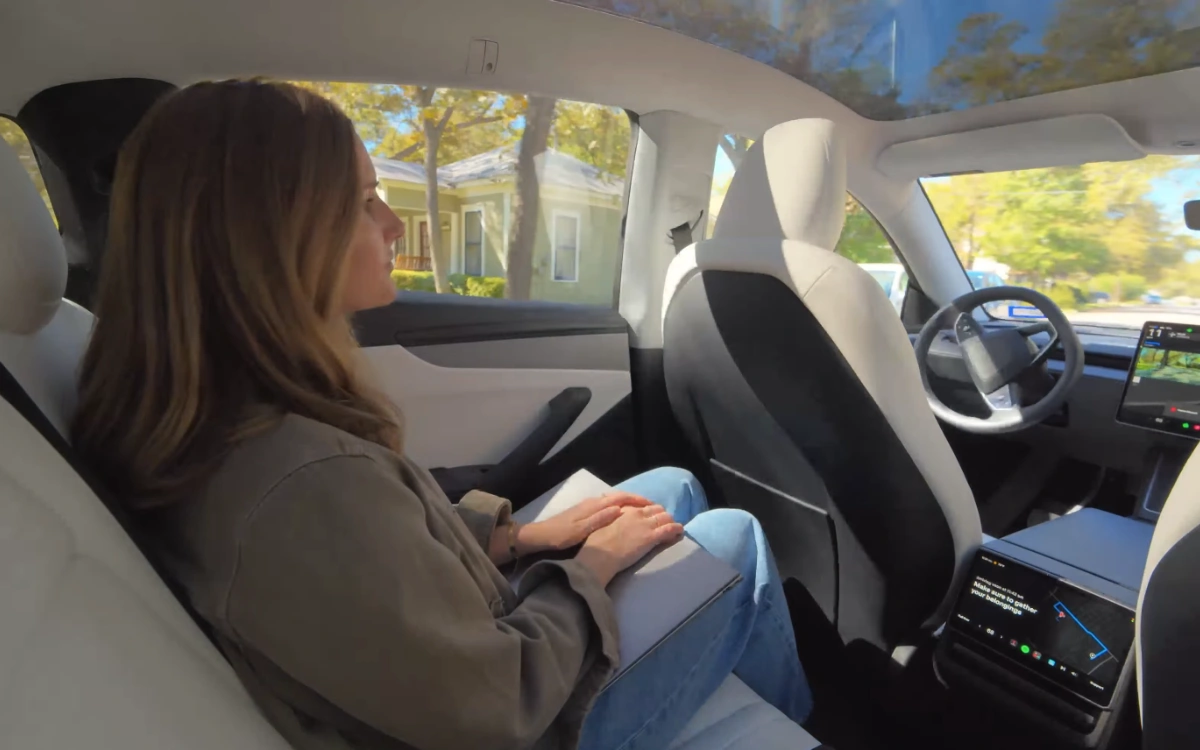
Tesla has rapidly steered towards self-driving technology in recent years.
And Tesla proved this by spearheading the unveiling of two robotaxis, something they did at the expense of the (yet again delayed) Roadster.
As for Stellantis, the company is currently working on a system called STLA AutoDrive, a system that’s halfway between Level 2 and Level 3.
Autonomy is generally described with a system that goes from Level 0 to Level 5.
It isn’t exactly a scientific method, for example some companies consider Level 0 and Level 1 the same thing, but it’s a useful benchmark.
The ultimate goal is Level 5, which is fully unsupervised autonomy with no steering wheel, no pedals, and no human interactions.
Most companies are currently aiming to reach Level 4, which is (almost) the same thing as Level 5, except you do have a steering wheel and a human driver can override the system if need be.
Alessandro is an automotive journalist with 10 years of experience covering supercars, automotive history, emerging vehicle technology, and luxury transportation. He wrote the first article published on SupercarBlondie.com when the website launched in 2022 and has since built a reputation for insightful reporting across the automotive and transportation industries. His expertise is grounded in hands-on experience. Alessandro has driven every Tesla model ever produced, from the original Roadster to the Cybertruck, and regularly covers the latest developments in electric vehicles and automotive innovation. His passion for transportation extends beyond cars, he has even flown a Boeing 787 Dreamliner simulator in Addis Ababa, Ethiopia. His reporting spans everything from classic American muscle cars and rare automotive discoveries to luxury yachts, private aircraft, high-end watches, and cutting-edge vehicle technology. Known for his deep knowledge of automotive history and ability to uncover the stories behind iconic vehicles, Alessandro brings readers a blend of historical context, technical expertise, and first-hand experience.