Mat Armstrong shares why Bugatti refused to sell him final part needed to finish rebuilding wrecked Chiron
Published on Oct 21, 2026 at 7:06 AM (UTC-4)
by Daisy Edwards
Last updated on Oct 21, 2026 at 7:06 AM (UTC-4)
Edited by
Mason Jones
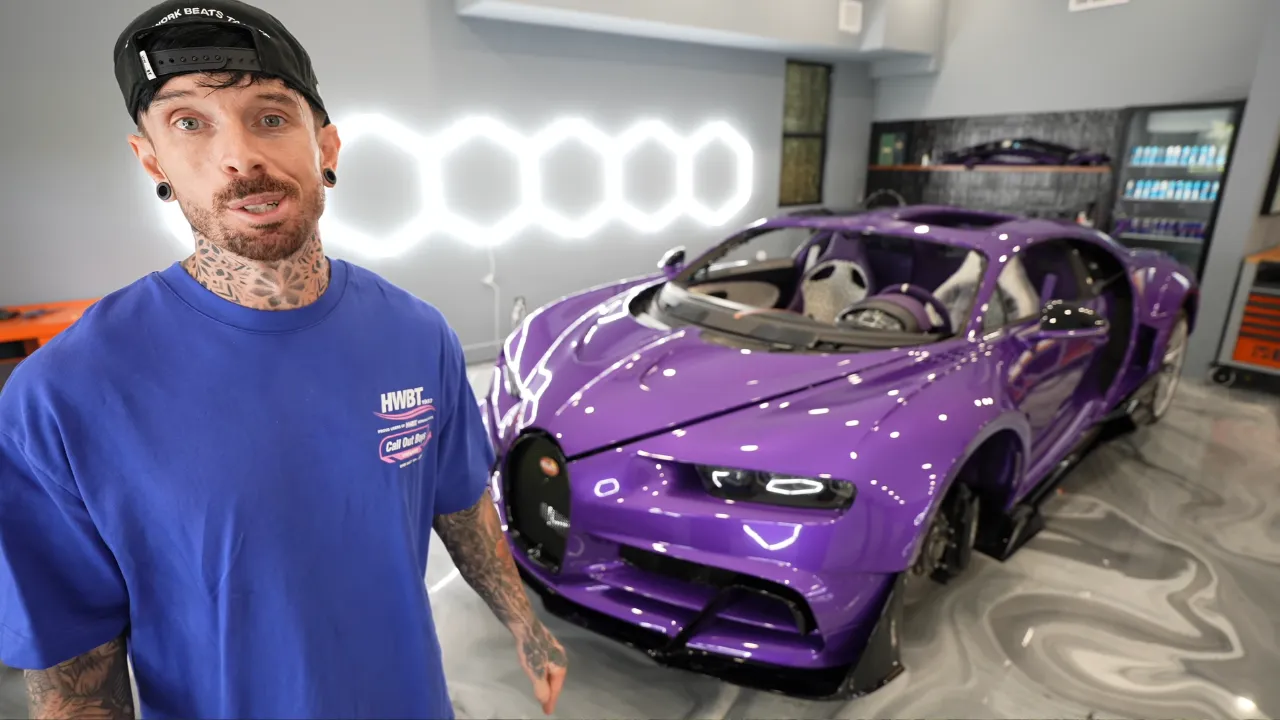

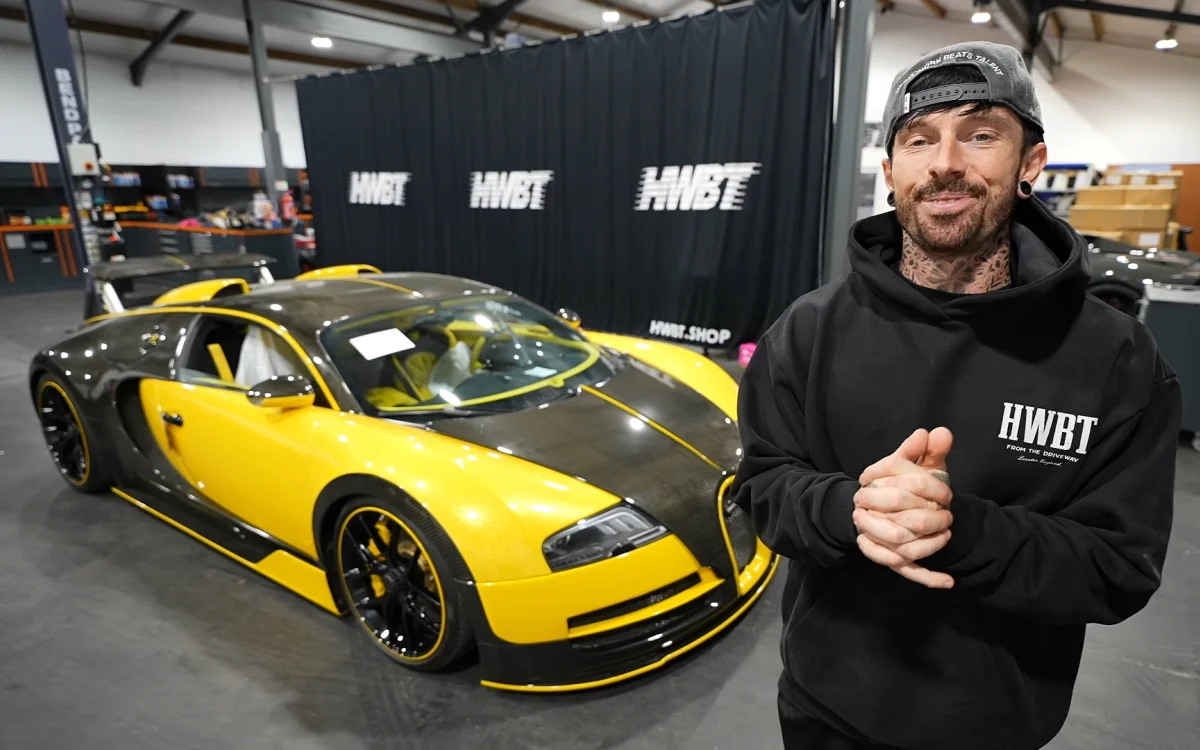
Mat Armstrong has been taking on one of his biggest projects yet, attempting to rebuild a wrecked Bugatti Chiron Pur Sport without the manufacturer’s help.
The YouTuber and his team have spent months repairing the hypercar, even making replacement parts when they couldn’t source the originals.
But as the rebuild neared completion, one crucial component threatened to bring everything to a halt.
And getting their hands on it came with a $40,000 price tag.
Why Bugatti refused to sell the final part
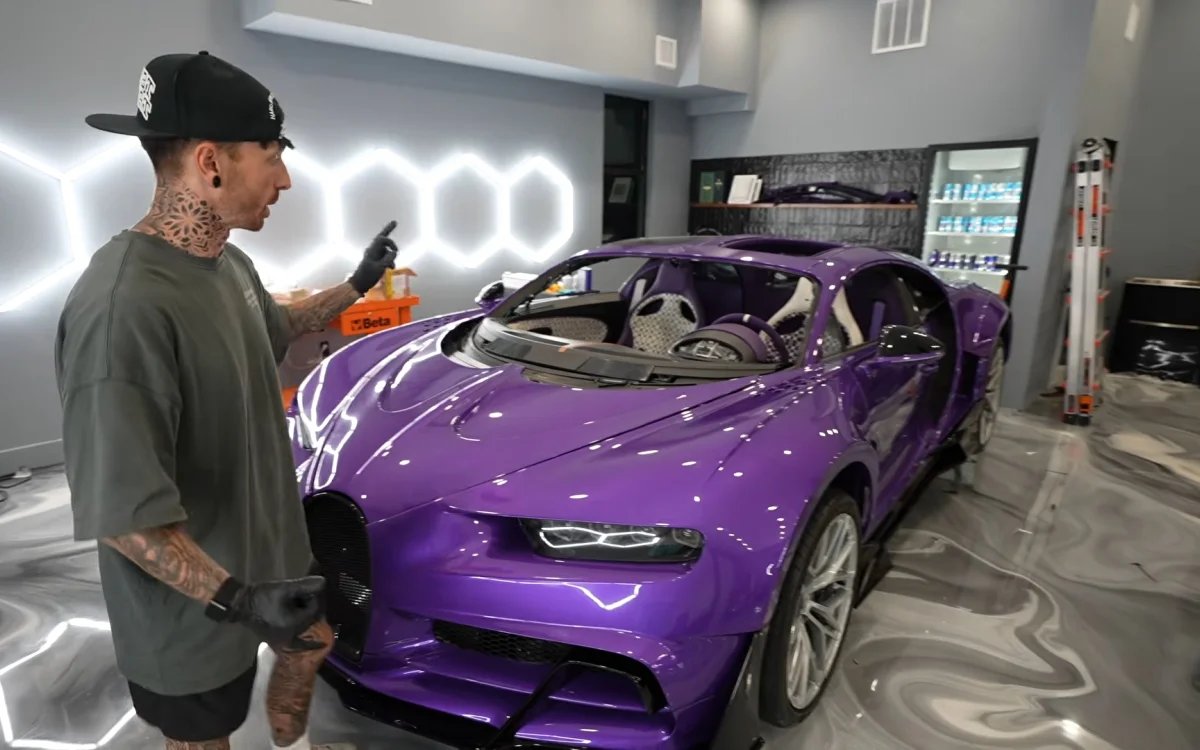
The supercar project began after Armstrong took on the challenge of rebuilding Alex G’s heavily damaged Chiron Pur Sport in Miami.
Bugatti refused to supply replacement parts, citing safety concerns about rebuilding such a sophisticated hypercar outside its approved repair process.
“We just don’t think it’s safe and that’s why we can’t support it,” the team recalled the manufacturer saying.
Armstrong pressed ahead regardless, repairing components, sourcing alternatives and even manufacturing parts from scratch.
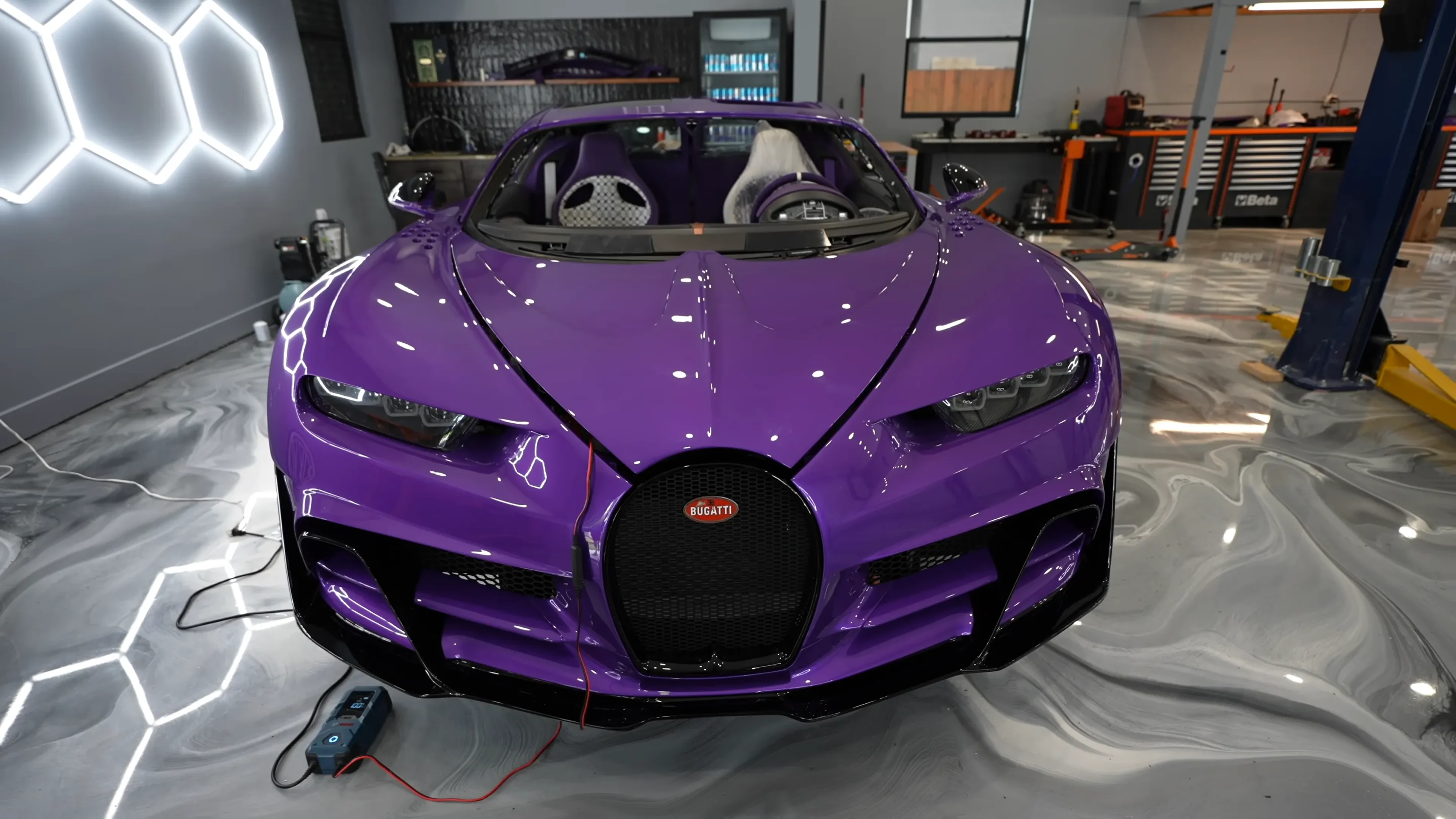
The car had been repainted, its custom body kit was fitted, and the interior was almost complete.
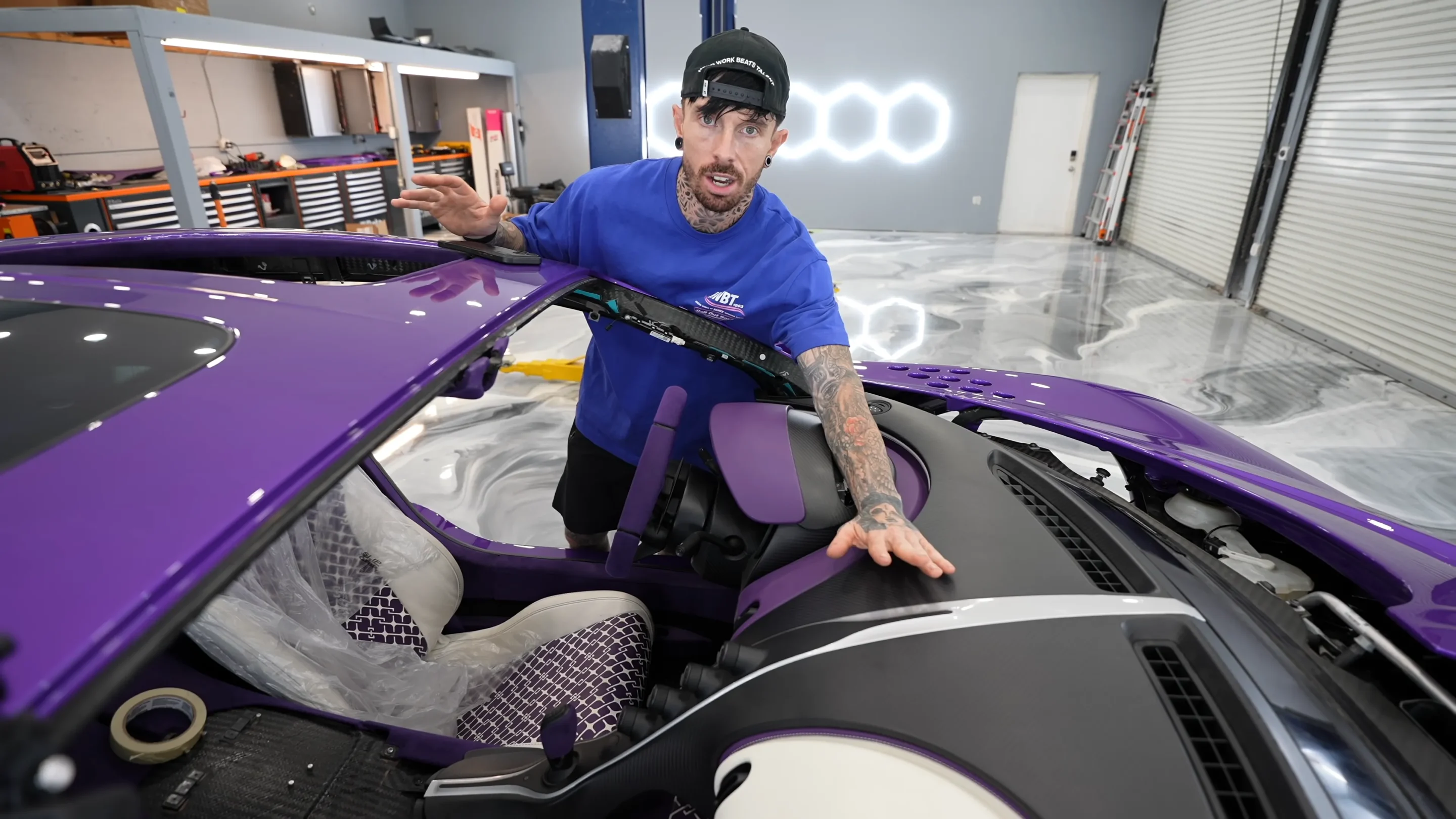
However, there was one rather obvious thing missing: a windscreen.
Without it, the team couldn’t legally drive the Chiron on public roads, let alone attempt their ambitious high-speed test.
Related
The missing windscreen cost $40,000
Armstrong had contacted Bugatti and other suppliers, but finding replacement glass proved surprisingly difficult.
In the video, the team explained that Bugatti’s own supplier had stopped making Chiron windscreens because producing them was so challenging.
Apparently, it had taken four unsuccessful attempts to manufacture one suitable screen.
With no straightforward solution available, Armstrong’s team 3D-scanned the windscreen opening and sent the measurements to a manufacturer to create a bespoke replacement.
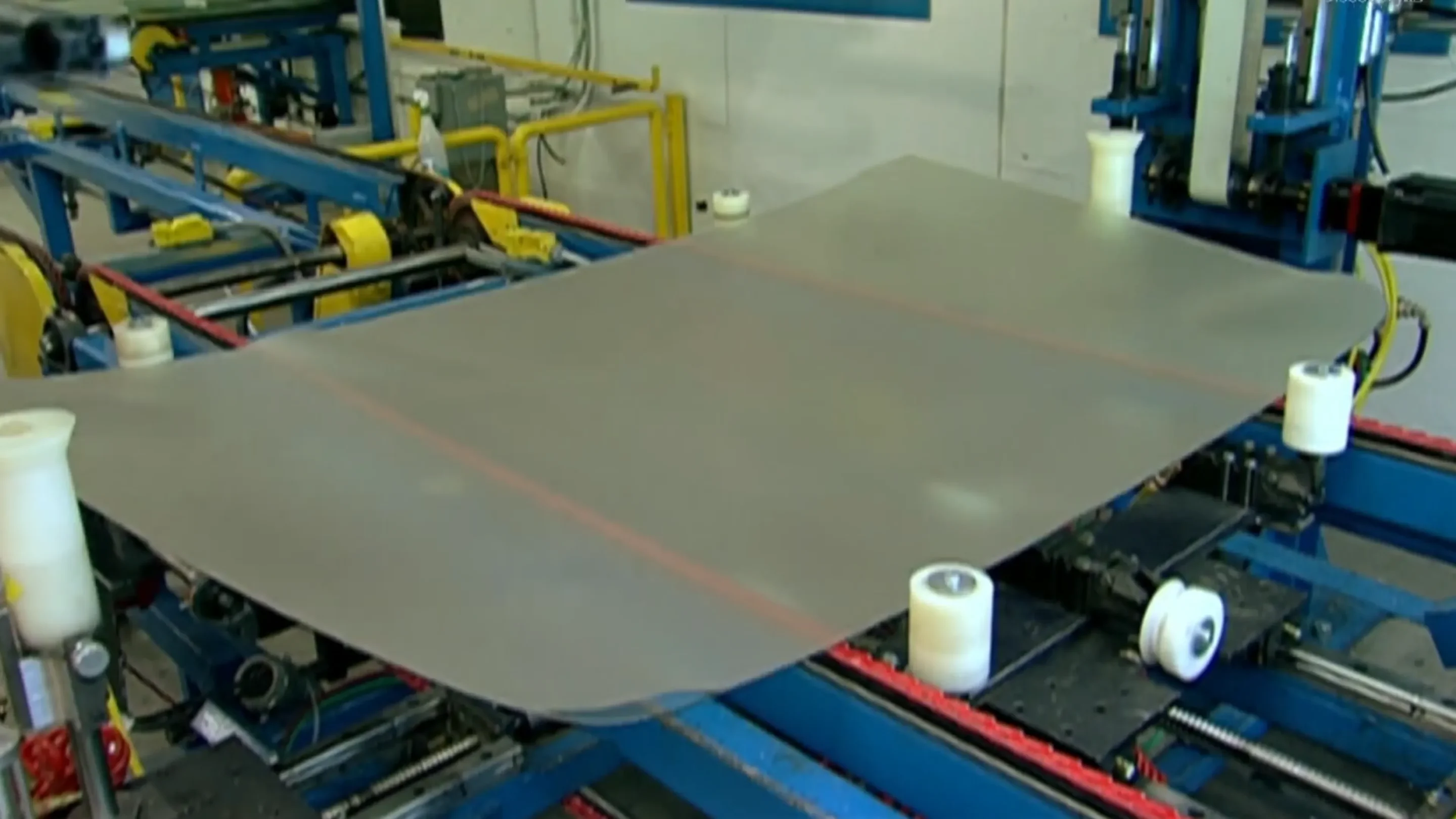
The process involved shaping and heating the glass, laminating two layers together for safety and removing air pockets under pressure.
The windscreen and the separate roof glass ultimately cost Alex G a combined $40,000.
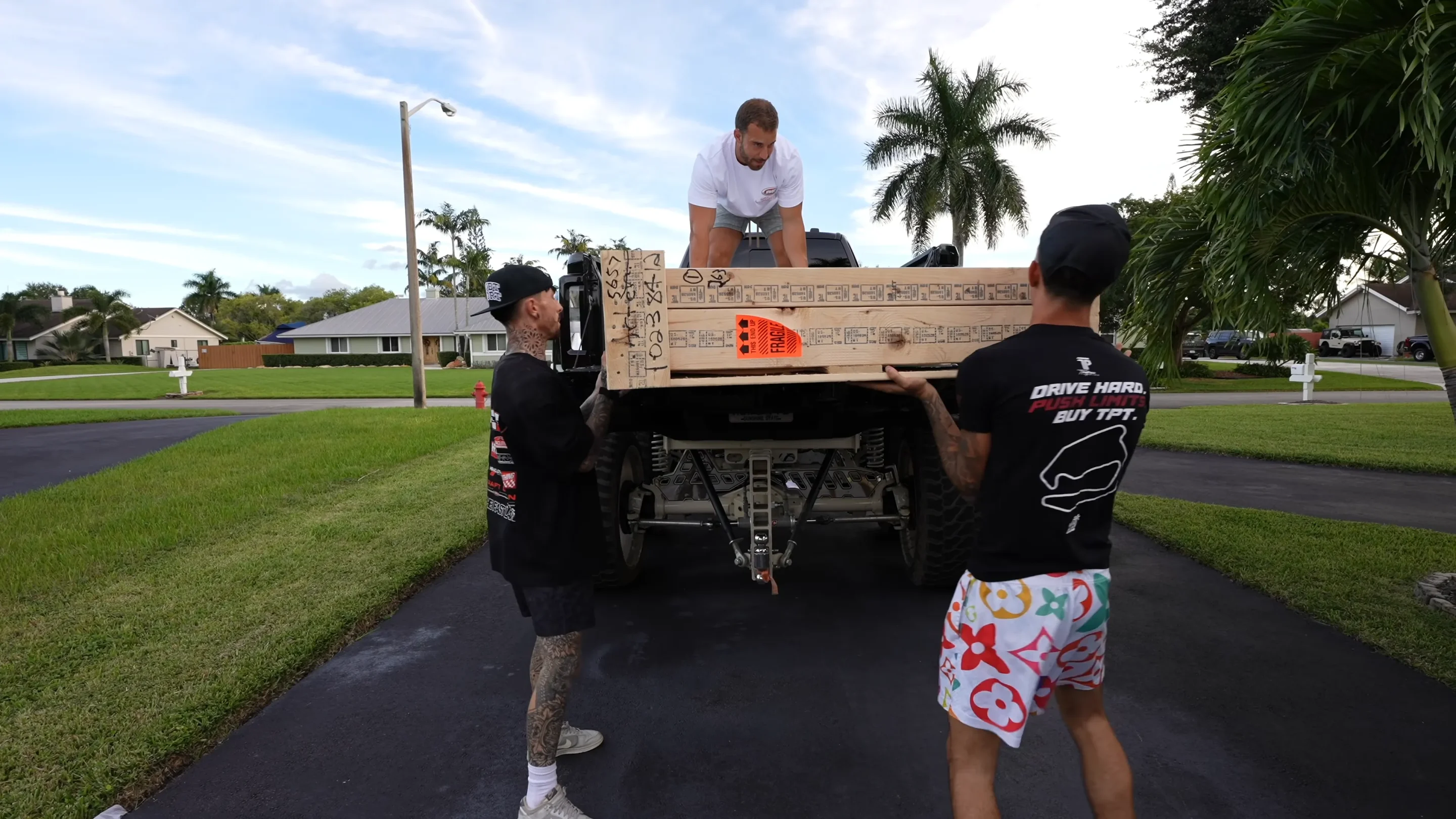
Even then, there was no guarantee the parts would fit, and the team estimated they had only a 25 percent chance of getting the measurements right.
Thankfully, the custom windscreen fitted perfectly on its first attempt, leaving Armstrong and his team visibly stunned.
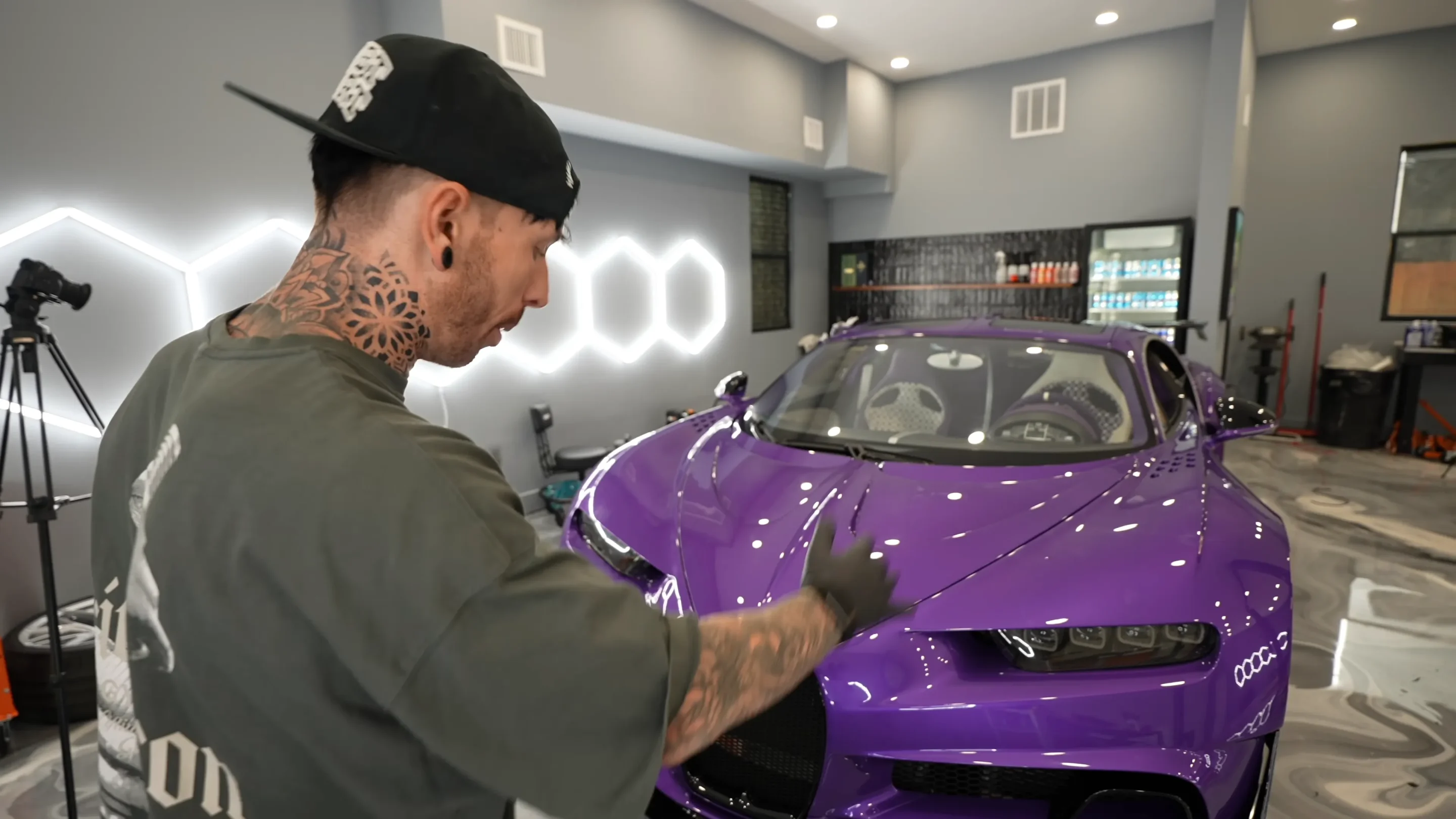
The Chiron’s problems weren’t over yet
With the glass installed, the team could finish more of the interior and prepare the Chiron for its first road test.
They also fixed a faulty cooling fan by adapting a motor from an Audi A3 to work with the Bugatti’s original fan blades.
But the first drive revealed another serious problem.
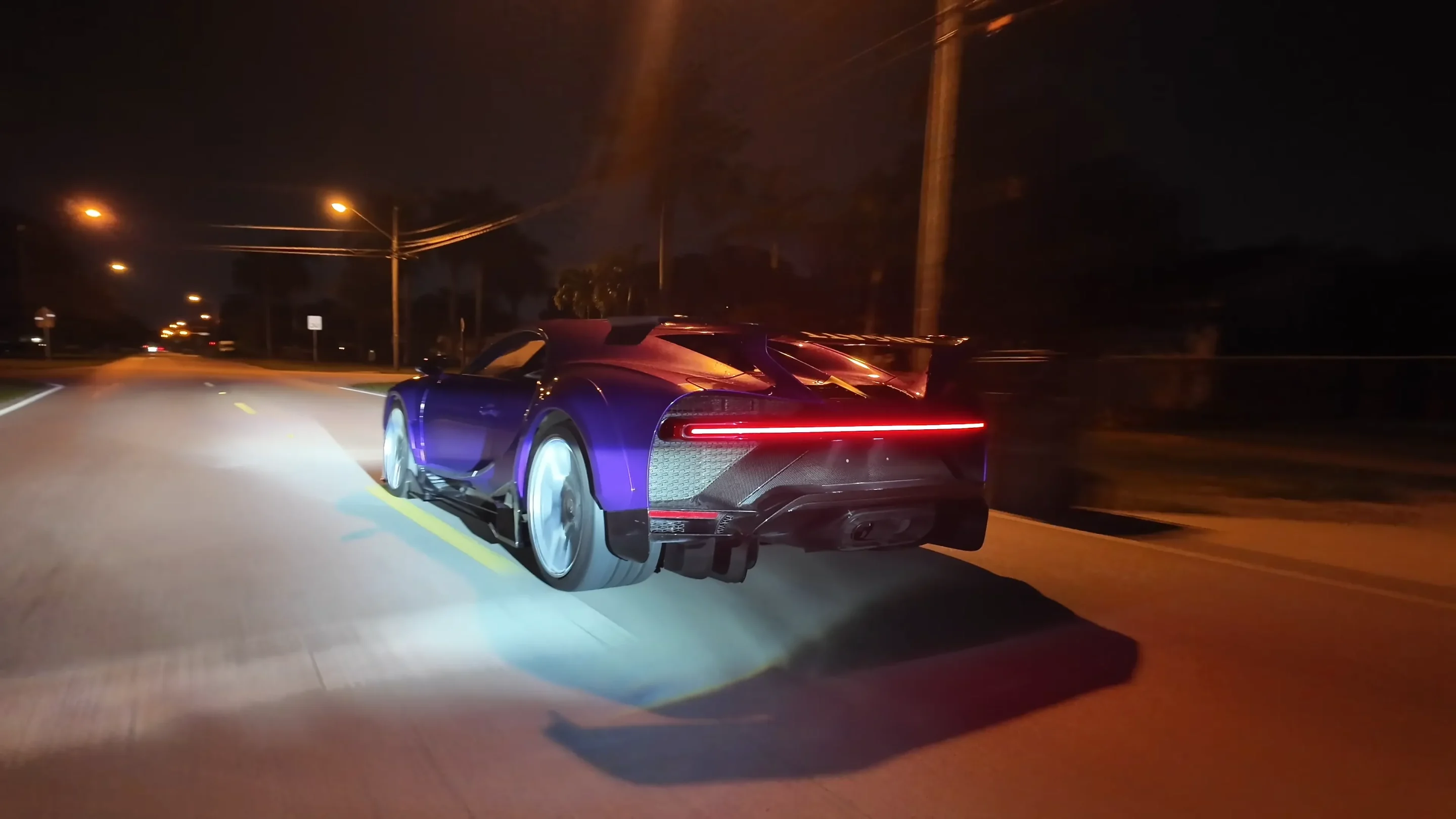
Whenever Armstrong accelerated hard, the engine warning light appeared and the car entered limp mode.
The team initially suspected a persistent four-wheel-drive system fault, but after investigating, they discovered a broken signal wire and repaired it, finally clearing the transmission warning.
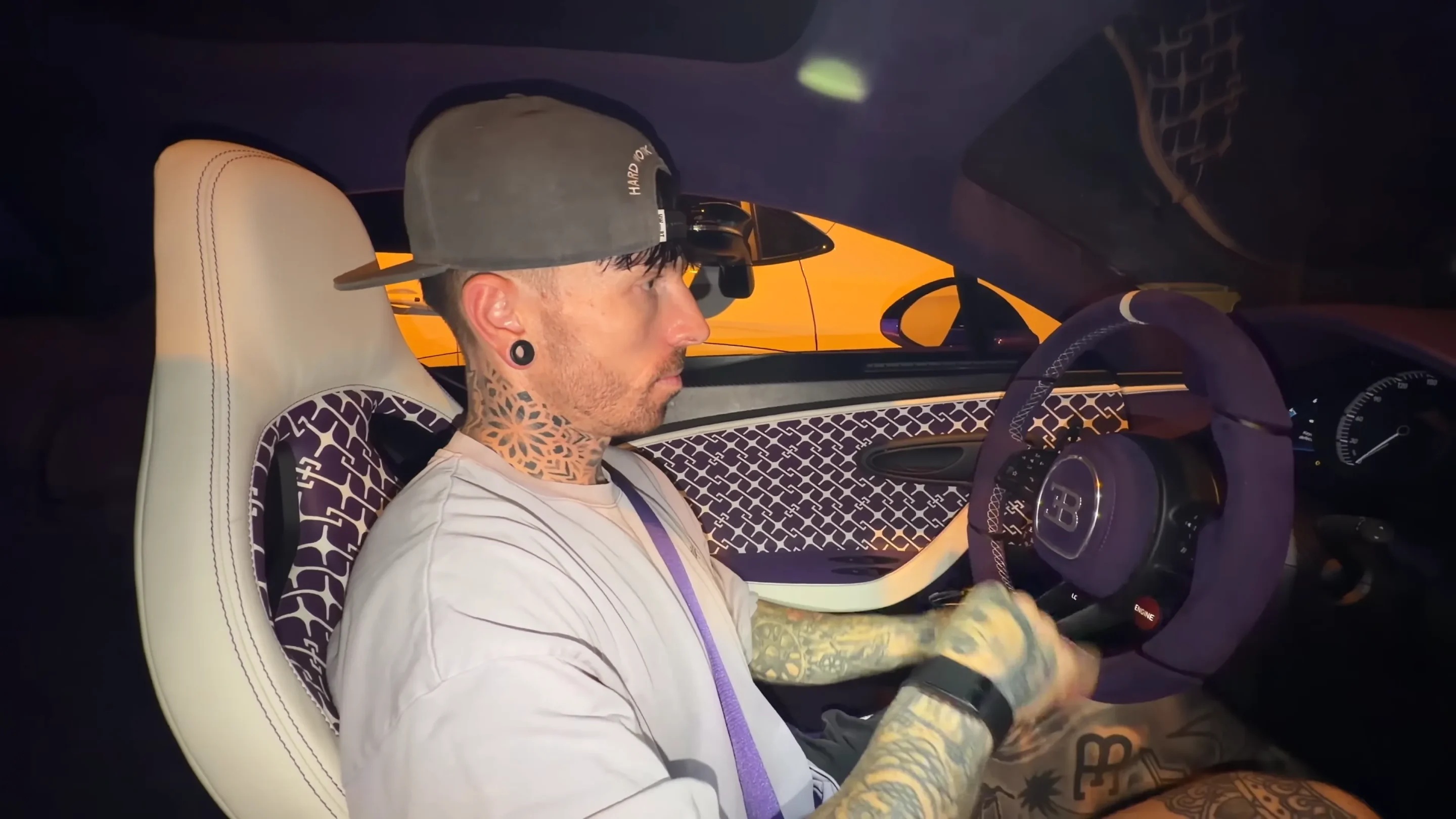
Unfortunately, the engine continued misfiring under heavy acceleration.
Diagnostic checks repeatedly flagged cylinders three and eleven, with cylinder four also showing misfires. Swapping a coil pack failed to resolve the issue, leaving the team concerned about possible internal engine damage.

That meant their planned attempt to push the rebuilt Chiron beyond 200mph was still on hold.
After months of work, Armstrong has overcome the missing-parts nightmare and successfully fitted a custom windscreen.
But with the engine still playing up, the team face another hurdle before they can find out whether their ambitious rebuild will survive a high-speed run.
Daisy is a technology and automotive journalist covering artificial intelligence, consumer tech, Apple news, cryptocurrency, emerging technologies, and transportation innovation. Since joining the team in 2025, she has reported on everything from AI-powered startups and major iOS updates to viral car stories and the latest developments shaping transportation and the digital economy. Drawing on her background in automotive journalism and a degree in History and Journalism from Goldsmiths, University of London, Daisy specializes in breaking down complex topics into clear, engaging reporting for a global audience. Her work spans cutting-edge technology, innovative vehicles, and the people driving change across both industries. Daisy has gained first-hand access to some of the world's most talked-about technologies and innovators, including meeting Tesla's Optimus humanoid robot during its first European appearance in London. She has also discussed the future of space exploration with an astronaut, bringing unique insights and real-world perspectives to her coverage of emerging technology.




