McGill and Drexel University researchers are using mosquito mouths to 3D print tiny complex structure
Published on Jan 02, 2026 at 7:18 PM (UTC+4)
by Alessandro Renesis
Last updated on Jan 02, 2026 at 9:59 PM (UTC+4)
Edited by
Emma Matthews

A headline that includes the words researchers, mosquito mouths, and 3D printing makes no sense until you actually realize what that entails.
Researchers from two major universities have apparently found that nature has provided a simple answer to a complex tech question.
We’re talking about mosquito mouths on this occasion, but spider legs were also involved in the past.
It sounds bizarre, but it’s actually quite clever.
DISCOVER SBX CARS: The global premium car auction platform powered by Supercar Blondie
3D printing is a thing
The first thing we should point out is that 3D printing is a thing.
Even automakers are regularly launching new hypercars with 3D-printed components.
At a lower, more down-to-earth level, any John Doe can go out there – today – and buy a 3D printer.
The cheapest models are less expensive than you think, and more advanced than you can imagine.
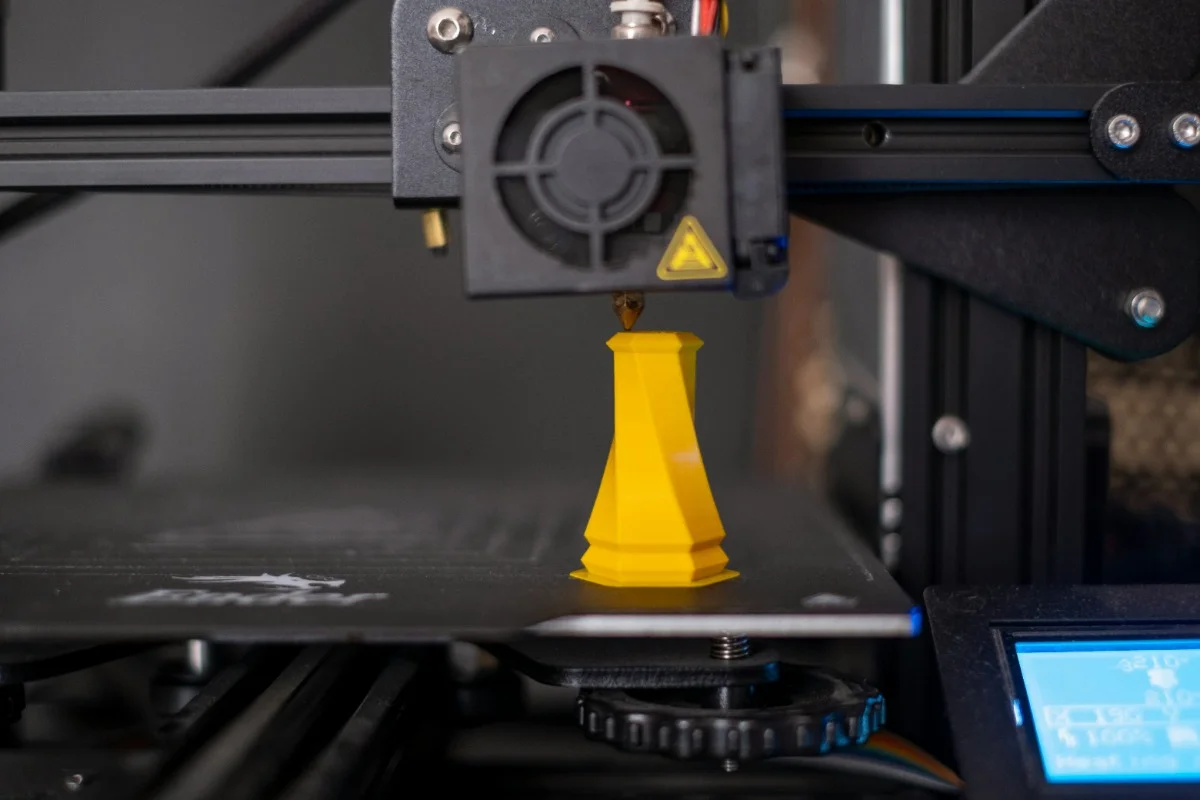
So 3D printing isn’t a problem per se, but it was becoming an issue when it came to a very specific – but important – niche.
Now, researchers from McGill (Montreal, Quebec, Canada) and Drexel University (Philadelphia, Pennsylvania, US) have discovered mosquito mouths can be useful to solve that problem.
They call it ‘necroprinting’
They call it necroprinting, and if it sounds a bit ominous, that’s because it is.
‘Necro’ is a Greek prefix that basically means ‘dead’.
So when you hear necro-something, that’s generally something related to a corpse.
Ominous.
But, on this occasion, useful.
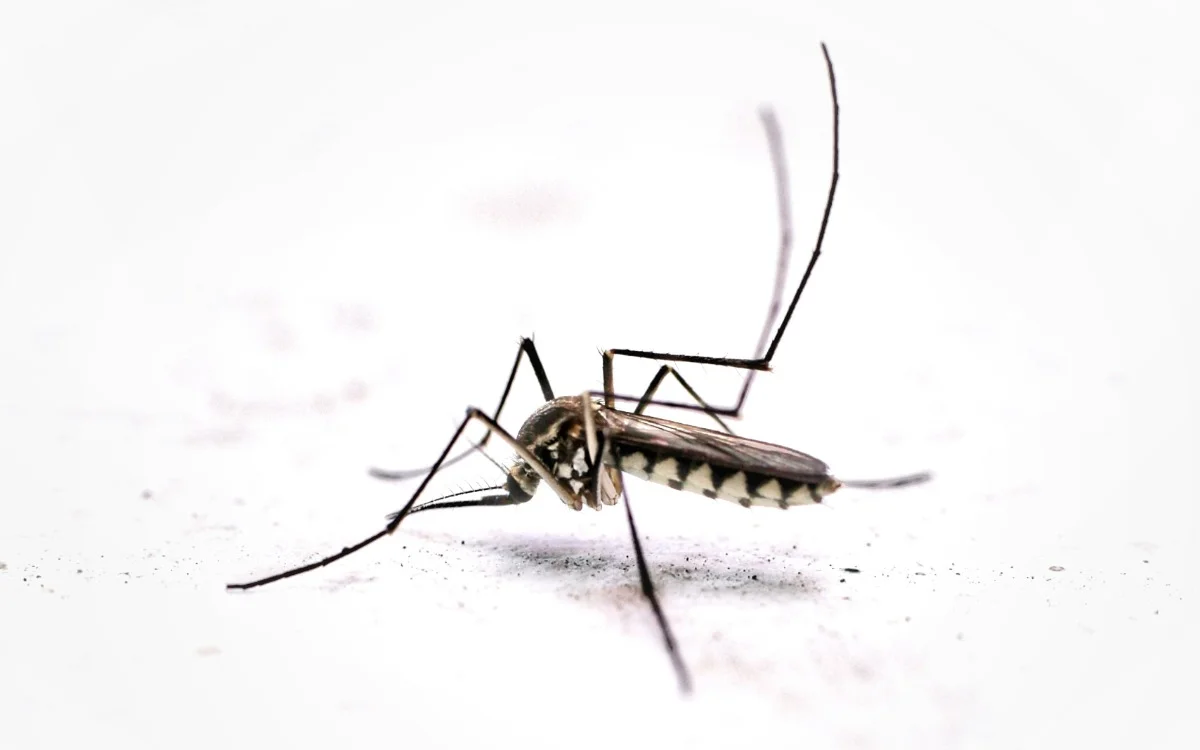
That’s because necrobotics is a field that repurposes dead biotic, that is, something relating to a living organism, materials as mechanical components.
In this case, they are using the proboscis – the needle-like feeding tube – of a mosquito as a 3D-printing nozzle.
Why? Because it’s ultra-thin, clog-resistant, and very durable.
This is ideal for 3D printing tiny components that require extremely slim nozzles that, amazingly, billions of dollars and thousands of very clever minds couldn’t create artificially.
But, as ever, nature came to the rescue.
After beginning his automotive writing career at DriveTribe, Alessandro has been with Supercar Blondie since the launch of the website in 2022. In fact, he penned the very first article published on supercarblondie.com. He’s covered subjects from cars to aircraft, watches, and luxury yachts - and even crypto. He can largely be found heading up the site’s new-supercar and SBX coverage and being the first to bring our readers the news that they’re hungry for.