The hand-sculpting process that Mercedes designers follow with their luxury car interiors show how much care goes into making each vehicle
Published on Sep 27, 2026 at 4:09 AM (UTC-4)
by Alessandro Renesis
Last updated on Sep 27, 2026 at 4:09 AM (UTC-4)
Edited by
Mason Jones
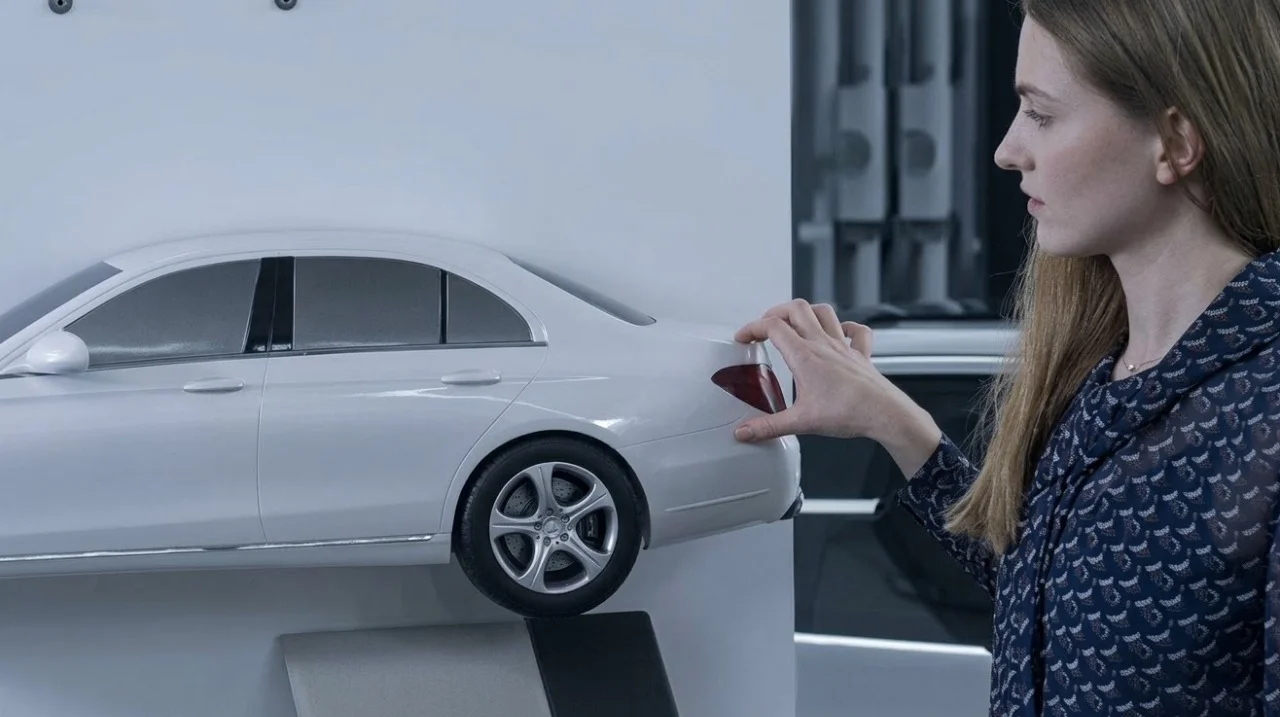

Mercedes designers are still hand-sculpting the interior of most Mercedes cars.
Even now, in an era where digital renders and automated 3D printing dominate everything, the German manufacturer still maintains what you could call a ‘tactile’ approach to this part of production.
The process is long and painstaking, but the brand thinks it’s worth it.
And that’s for a very simple combination of reasons.
These are the things that Mercedes is still doing manually
For starters, some sketches are still drawn by hand, and even digital sketches still require a human touch.
Even if it’s through a digital aid like CAD.
Then, some of the work gets truly ‘hands-on’, and we meant that in the literal sense of the term.
At this point, industrial designers and master sculptors work side by side, using specialized steel blades, warm rasps, and more importantly their hands and finger pressure to shape every curve of the dashboard, center console, door trim, and so on.
It’s a whole process, and it can be broken down into four separate parts, the first and last of which are digital, while the two in the middle are analog.
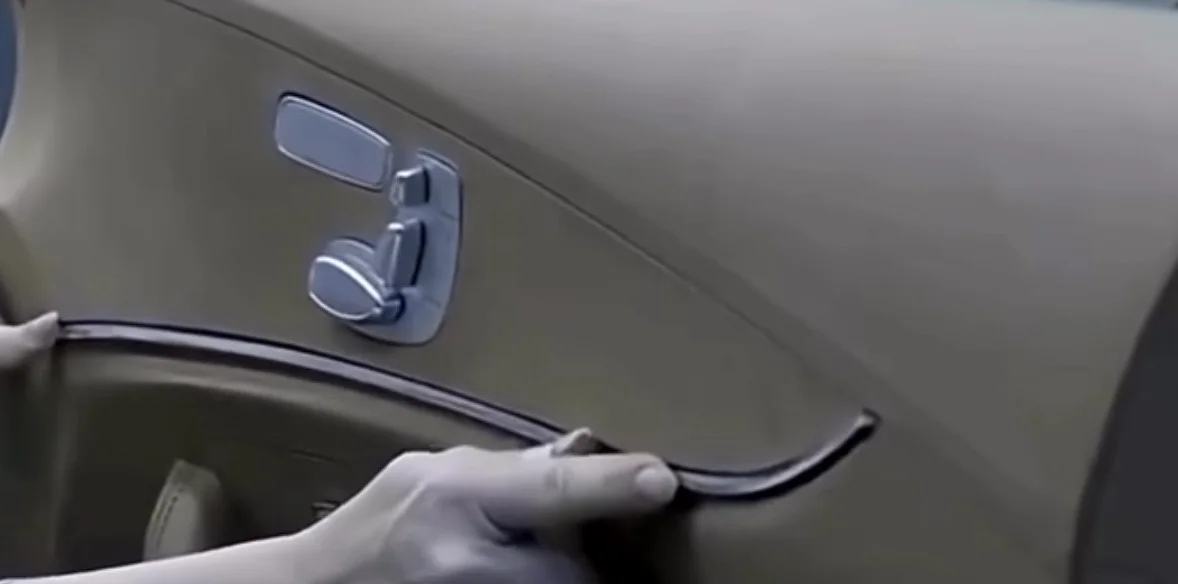
They start with digital sketches followed by full-scale clay sculpting, which is a manual, fully analog experience.
Then, they test the parts ergonomically, and therefore manually, and then – the final part – they use digital tools to fine-tune phase one, two, and three.
Related
Why Mercedes is still doing this
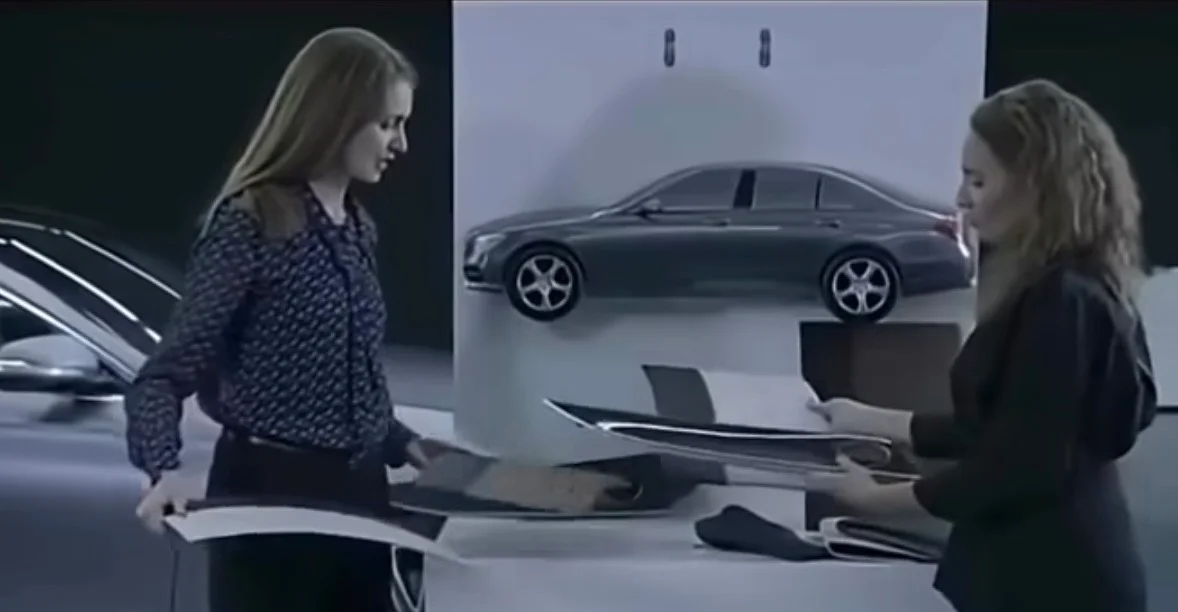
While computer-aided design (CAD) delivers millimeter precision, it lacks the ability to sense how light, shadow, and human touch interact with different surface.
Or at least that’s what the German automaker is thinking.
Sculptors adjust contours by fractions of a millimeter to ensure that sweeping lines flow naturally and that the cabin feels warm rather than cold and industrial.
Nothing is left to chance.
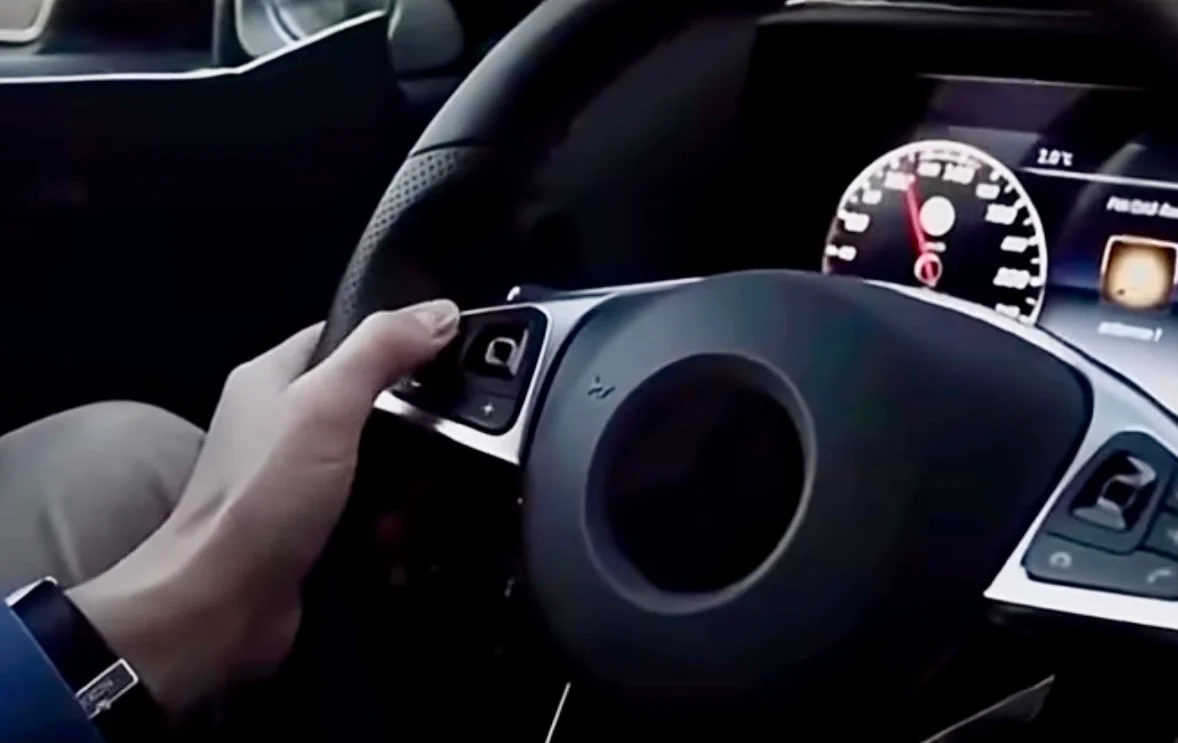
The goal is to sit inside the prototype of a future production cabin and simply feel at home right away.
For a brand built on luxury and comfort, this physical and manual part is essential.
This is why they use plasticine clay and wax
Generally speaking, all manufacturers use wax and especially clay at some point.
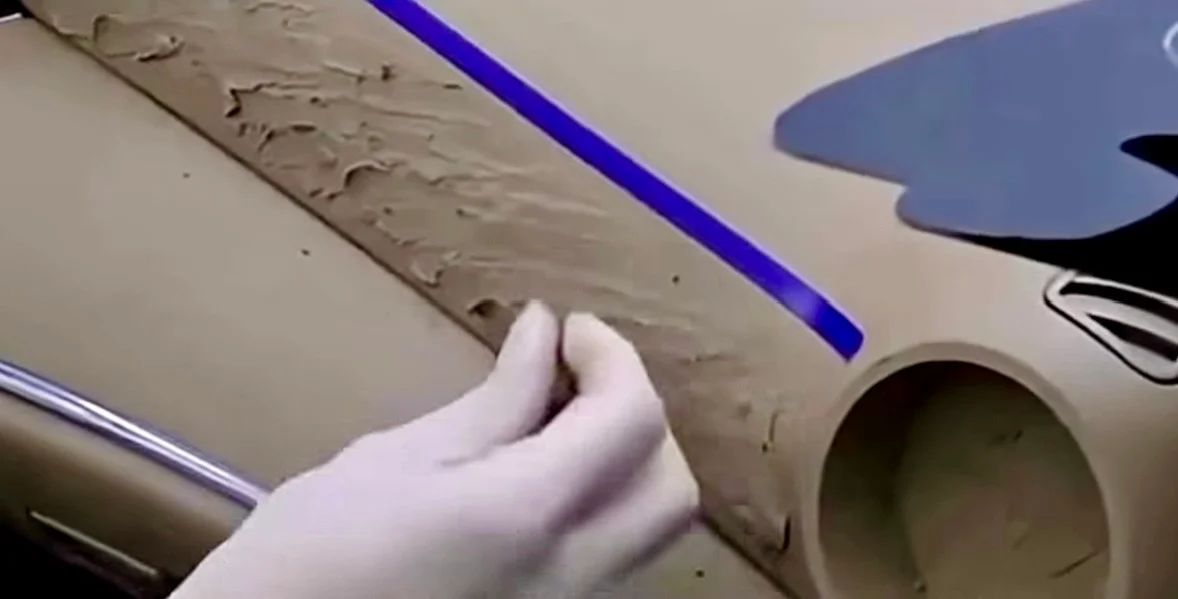
With plasticine clay, for example, you can change its shape a thousand times because it remains workable when heated and only sets firm at room temperature.
If you can get it wrong, designers can always heat the clay up and start over.

Also, this is a great way to study how light is reflected on surfaces, and every switch, armrest, and touchpoint is sculpted to match the natural resting position of the human hand, testing reach and comfort in real space.
Once the hand-sculpted interior reaches what Mercedes thinks is optimal, high-resolution optical scanners digitize the physical model into a 3D dataset, where everything is perfected.
Obviously, they don’t do it for every single vehicle, but they do use this approach for every model.
And Mercedes’ lineup has always been historically complex and varied.
So kudos to them.
Alessandro is an automotive journalist with 10 years of experience covering supercars, automotive history, emerging vehicle technology, and luxury transportation. He wrote the first article published on SupercarBlondie.com when the website launched in 2022 and has since built a reputation for insightful reporting across the automotive and transportation industries. His expertise is grounded in hands-on experience. Alessandro has driven every Tesla model ever produced, from the original Roadster to the Cybertruck, and regularly covers the latest developments in electric vehicles and automotive innovation. His passion for transportation extends beyond cars, he has even flown a Boeing 787 Dreamliner simulator in Addis Ababa, Ethiopia. His reporting spans everything from classic American muscle cars and rare automotive discoveries to luxury yachts, private aircraft, high-end watches, and cutting-edge vehicle technology. Known for his deep knowledge of automotive history and ability to uncover the stories behind iconic vehicles, Alessandro brings readers a blend of historical context, technical expertise, and first-hand experience.