Mitsubishi restores the 1985 Dakar winning Pajero that sat untouched for four decades
Published on Dec 21, 2025 at 1:25 PM (UTC+4)
by Alessandro Renesis
Last updated on Dec 18, 2025 at 9:51 PM (UTC+4)
Edited by
Kate Bain

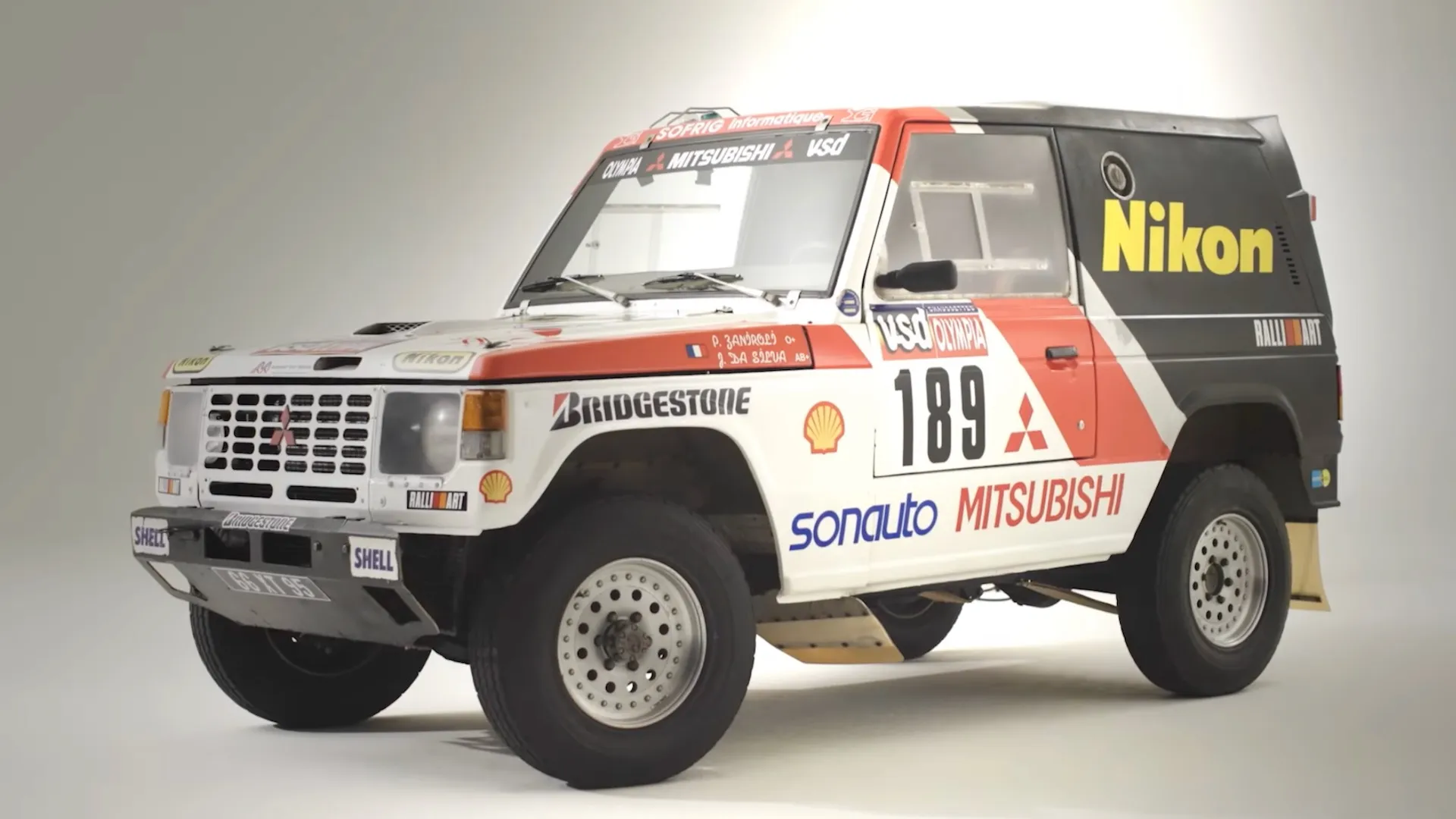
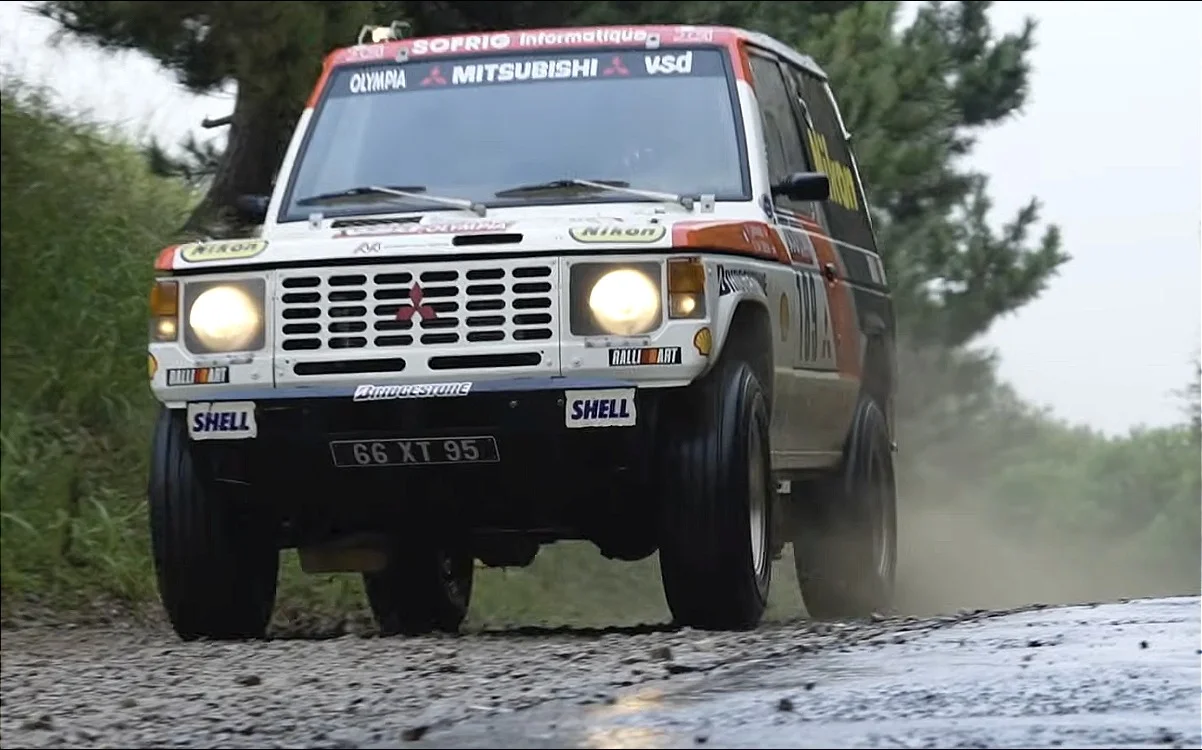
The classic beauty you see here is the Mitsubishi Pajero that won the Dakar Rally exactly 40 years ago, and its life hasn’t been easy.
After winning the rally in the 1980s, the Pajero ended up where so many vehicles are parked and forgotten.
A place called ‘oblivion’.
It sounds a bit melodramatic, but there’s a reason why Mitsubishi took so long to restore it.
DISCOVER SBX CARS: The global premium car auction platform powered by Supercar Blondie
Mitsubishi wants to revive the legendary Pajero while preserving Dakar battle scars
After winning the Dakar Rally back when it was actually held in Dakar, Mitsubishi celebrated for about two seconds, then stored the race-winning Pajero away, and moved on to the next thing.
For years, the vehicle sat unused, but the automaker has finally decided to do something about it.
Sometimes, automakers opt for a total restoration while on other occasions they even go the extra mile and give the vehicle a new electric unit.
After careful consideration, the Japanese brand did neither, hence why this decision took so long.
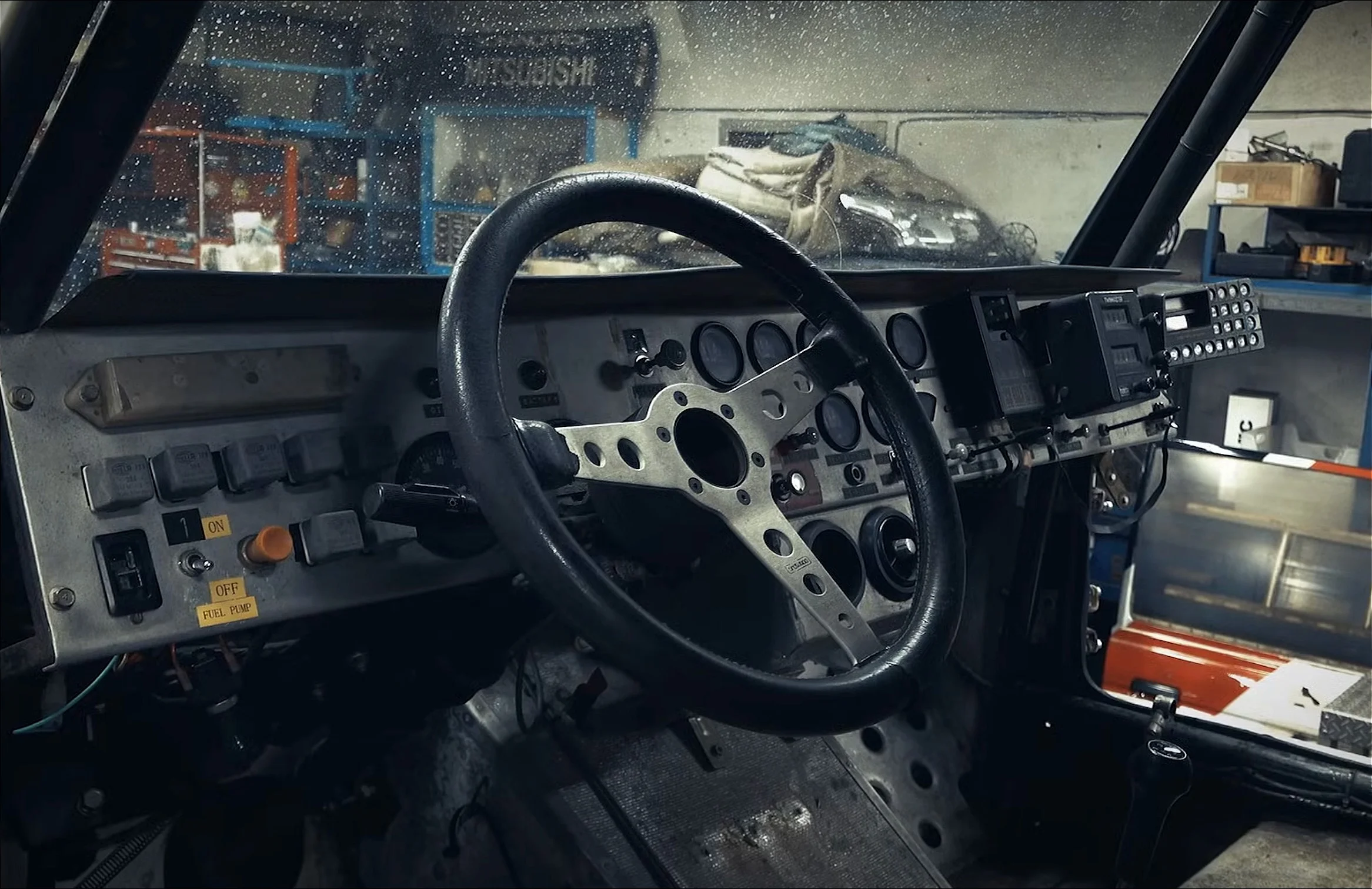
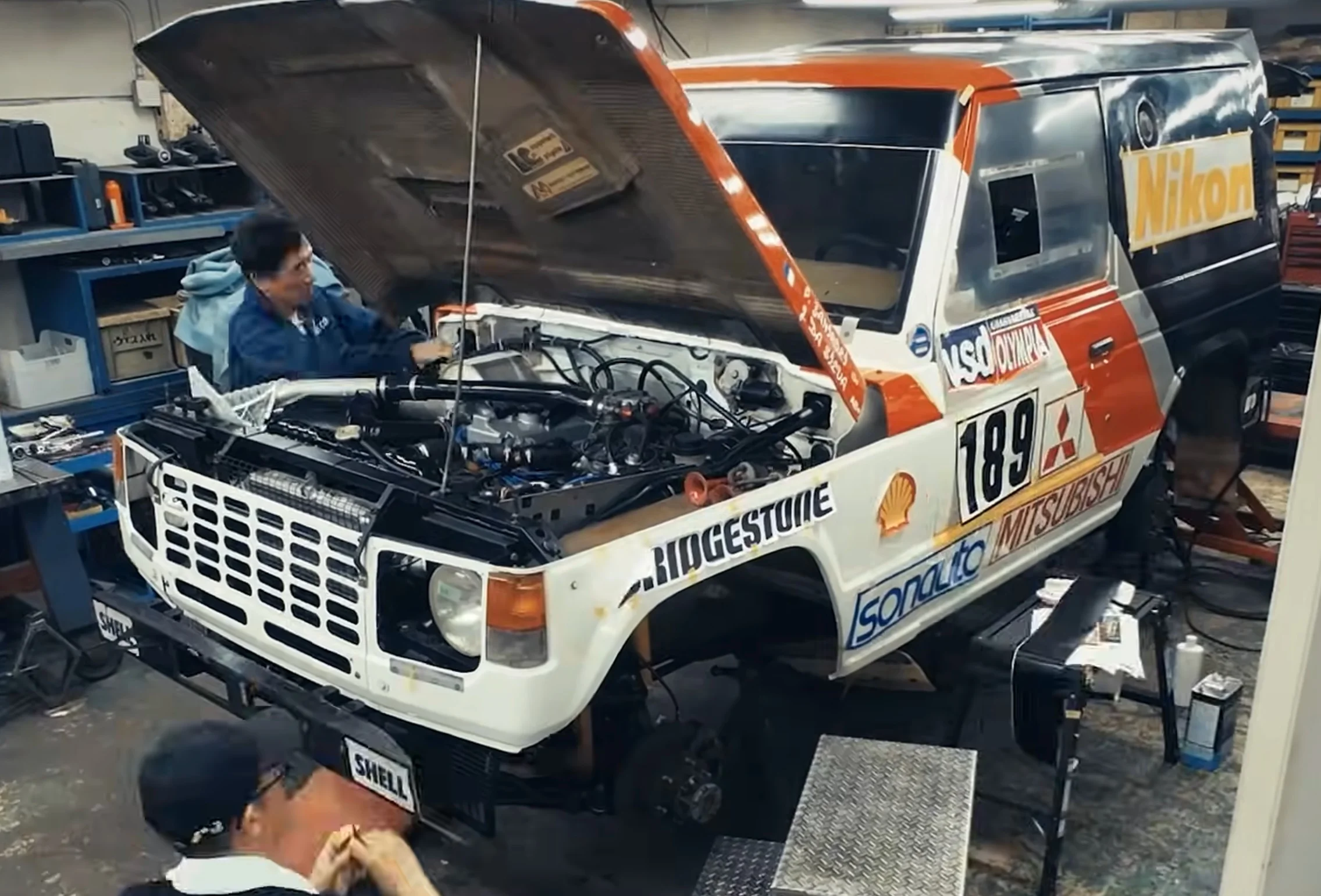
Instead, the Japanese manufacturer decided to restore the vehicle while also preserving original elements like dents and patina as a way to commemorate the company’s Dakar legacy.
Mitsubishi has won the Rally 12 times, which is still a record to this day.
Certain things are set in stone
This iconic event owes its name to the route.
Initially, the Rally started in Paris, France and ended in Dakar, Senegal.
But the truth is, participants haven’t actually set foot in Africa in nearly 20 years.
Security threats of various kinds across the Sahara led to the decision to move it to South America for 10 years, and then to Saudi Arabia, where it remains today.
But, for romantic reasons, everyone still calls it ‘The Dakar’.
Dakar Rally location timeline
1979-1991: Classic Paris-to-Dakar era. Routes traversed France, Algeria, Niger, Mali and other West African countries
1992: Extension to South Africa
1993-2007: Routes diversified across Africa and Europe. 2007 was the last edition with the old ‘format’
2008: The event was canceled due to security issues
2009-2019: The Rally relocated to South America, primarily in Argentina, Chile, Bolivia, Peru, and Paraguay
2020-Present: Saudi Arabia with various routes including major cities like Jeddah and Riyadh
After beginning his automotive writing career at DriveTribe, Alessandro has been with Supercar Blondie since the launch of the website in 2022. In fact, he penned the very first article published on supercarblondie.com. He’s covered subjects from cars to aircraft, watches, and luxury yachts - and even crypto. He can largely be found heading up the site’s new-supercar and SBX coverage and being the first to bring our readers the news that they’re hungry for.