The monthly cost difference between charging a Tesla Model S vs buying gas for a Mercedes-Benz S-Class is incredibly stark
Published on Aug 10, 2026 at 2:33 AM (UTC-4)
by Jason Fan
Last updated on Aug 11, 2026 at 6:52 AM (UTC-4)
Edited by
Kate Bain
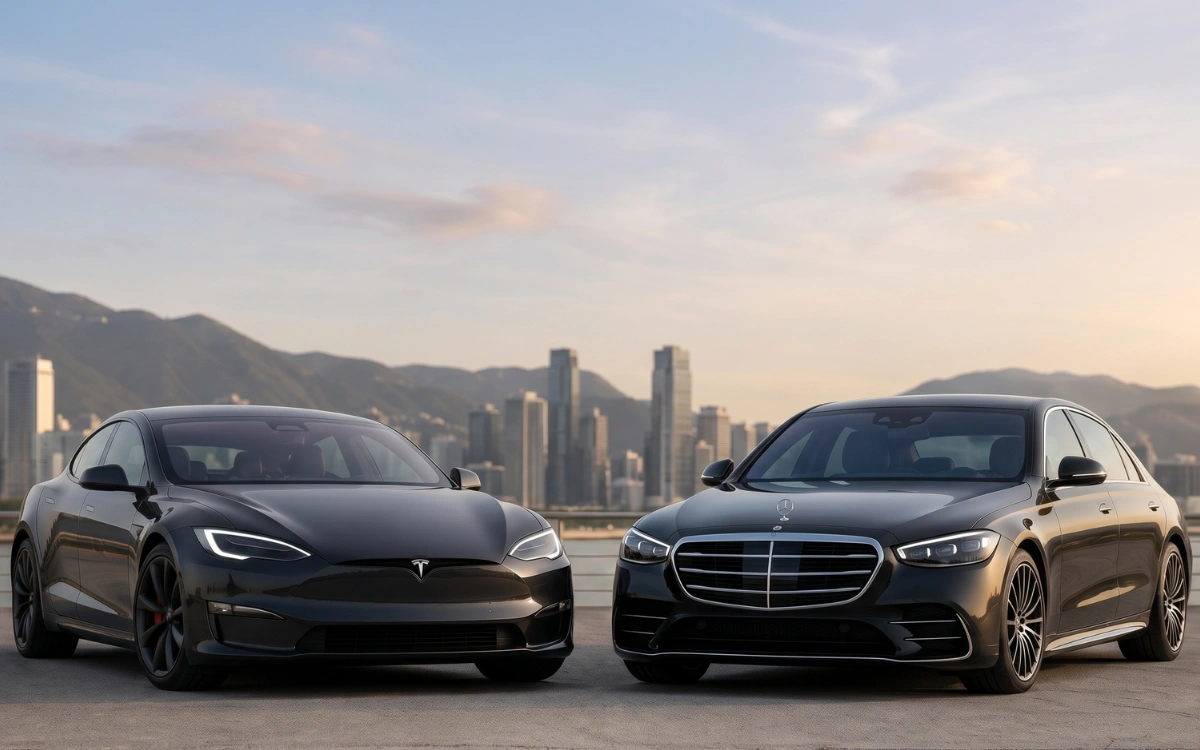

The Tesla Model S and Mercedes-Benz S-Class are both considered luxury powerful sedans, but their monthly energy bills couldn’t be more different.
One draws electricity from the wall, while the other drinks premium gasoline by the gallon.
Put 1,000 miles on each every month, and the difference can add up to hundreds of dollars depending on where you live.
Suddenly, choosing between these two luxury flagships isn’t just about horsepower and leather seats; it’s also about how much you’re willing to spend every time you hit the road.
Both vehicles will cost you big-time up front
The 2026 Tesla Model S starts at $94,990 and comes with dual electric motors and all-wheel drive, producing 670 hp.
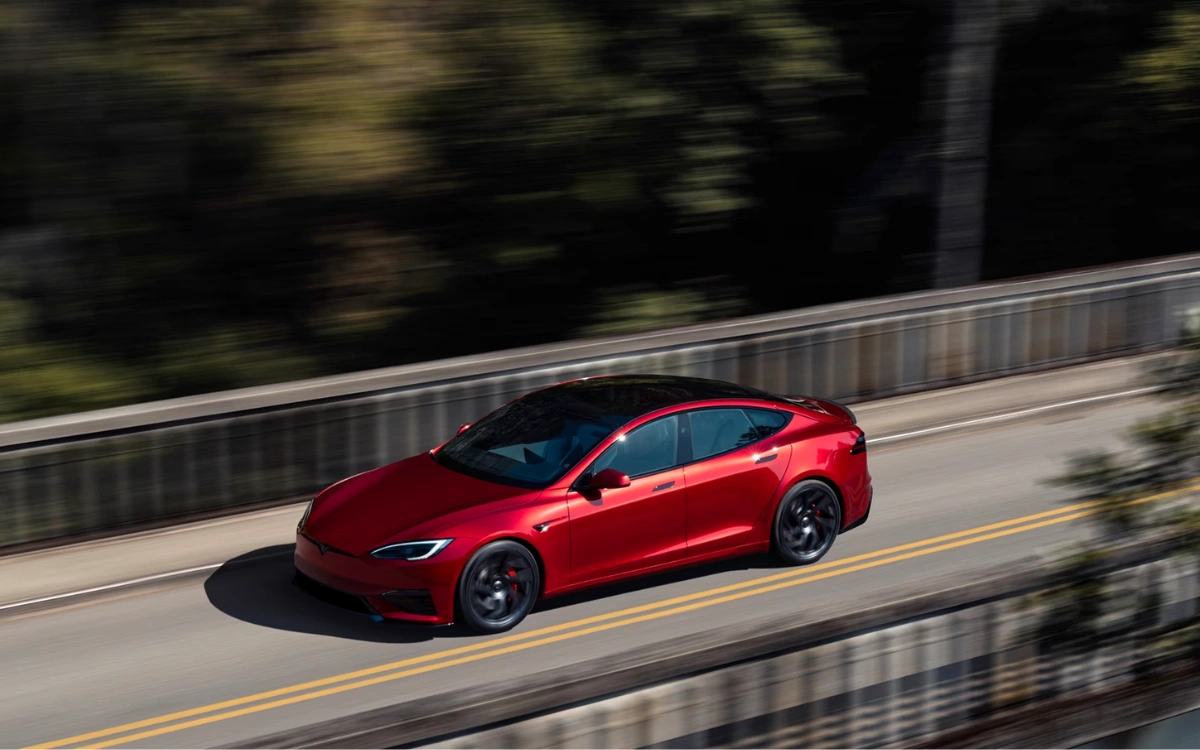
It has an EPA-estimated 410-mile range and uses roughly 27 kWh per 100 miles, making it surprisingly efficient for a car of its size and performance.
The 2026 Mercedes-Benz S 500 4MATIC, meanwhile, starts at $119,500.
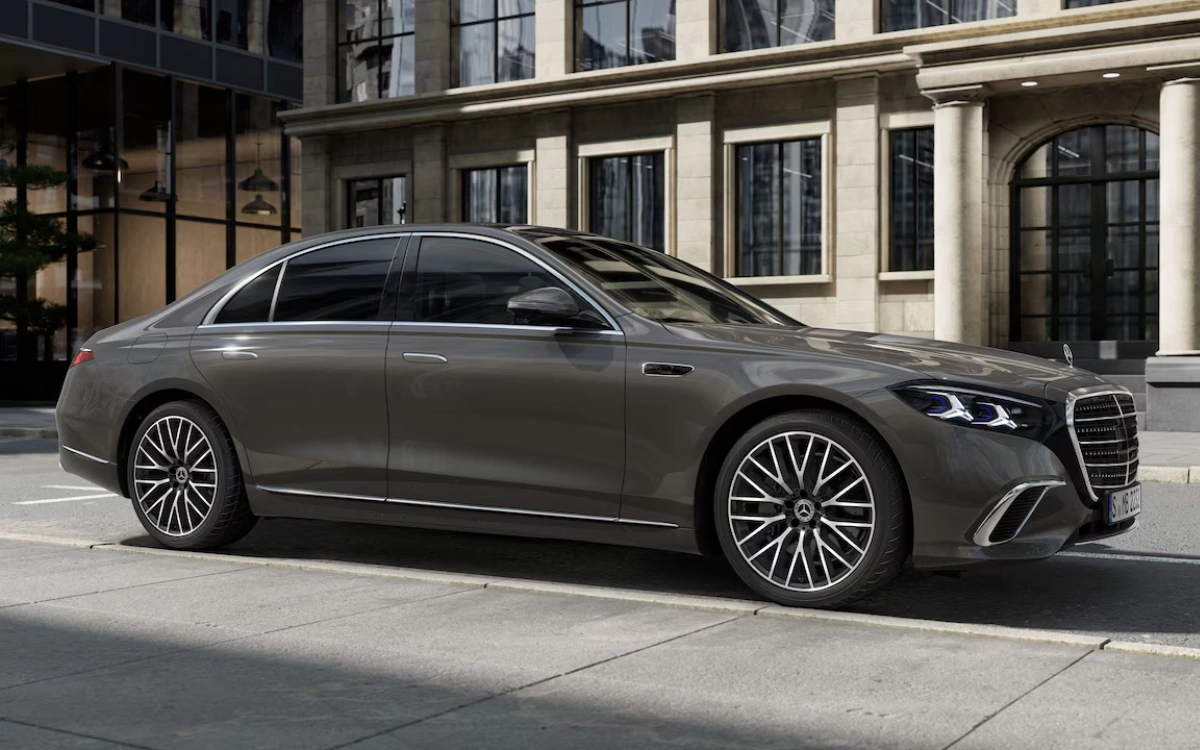
Its 3.0-liter turbocharged inline-six and mild-hybrid system produce 442 hp and 413 lb-ft of torque, with an EPA-rated 23 mpg combined.
And unlike the Tesla, it needs premium gasoline to deliver that effortless S-Class experience.
To see just how different their running costs are, let’s assume both cars travel 1,000 miles every month.
At its 23 mpg combined rating, the Mercedes would need roughly 43.5 gallons of premium gasoline to cover that distance.
On the other hand, the Model S would consume approximately 270 kWh of electricity.
Charging the Tesla Model S at home makes a big difference
For a fair comparison, we shall compare the monthly costs in four different cities: Florida, Kansas, New York and California.
Start in Florida, where the Tesla costs roughly $42 per month to charge at home, compared with about $111 using public charging.
The Mercedes, meanwhile, would burn through approximately $206 worth of premium gasoline.
That means even relying on public charging leaves the Model S around $95 cheaper each month.
Kansas is even friendlier to the Tesla driver’s wallet.
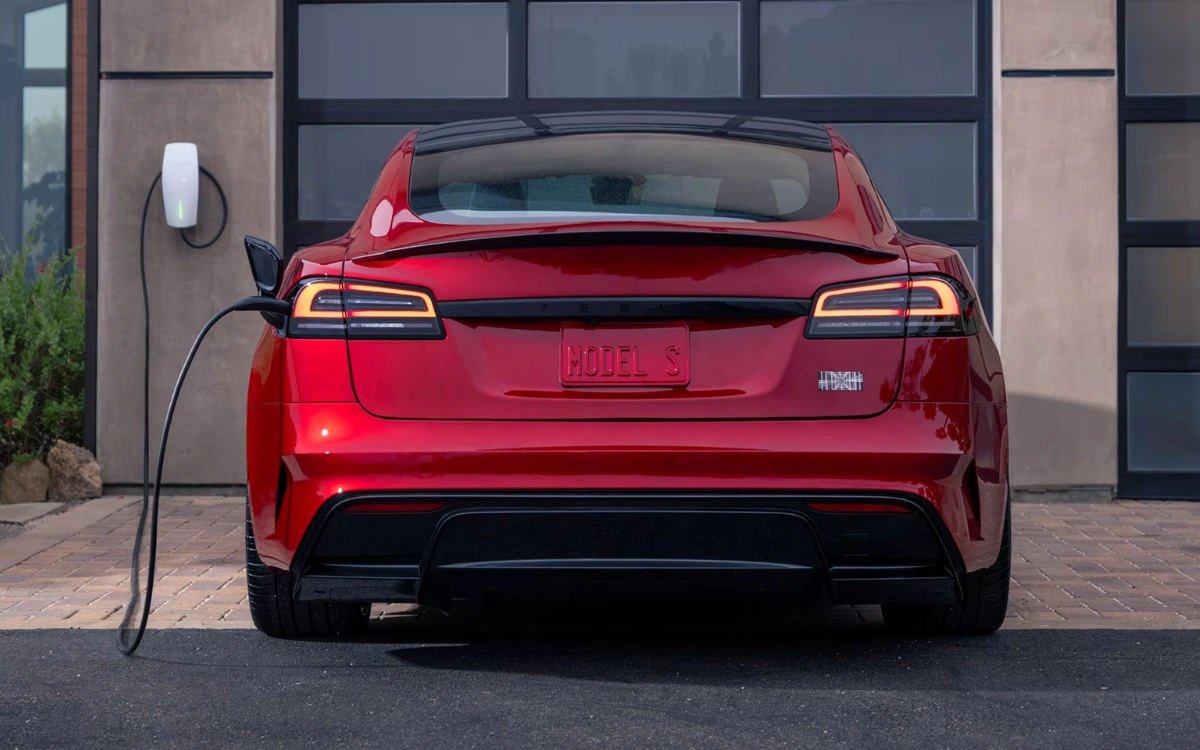
Home charging would cost roughly $41 for 1,000 miles, while public charging would be around $83.
Filling the S-Class with premium gasoline would cost approximately $194, giving the Tesla a monthly advantage of more than $150 when charged at home.
But things get considerably more expensive in New York, particularly for electricity.
Charging the Model S at home would cost approximately $73 per month, while public charging would push that figure to around $111.
The Mercedes would require roughly $222 in premium gasoline, still leaving the Tesla substantially cheaper to operate.
Then there’s California, where the gap becomes particularly striking.
Home charging for the Model S would cost around $91 per month, while public charging would be approximately $129.
The Mercedes, by comparison, would consume roughly $264 in premium gasoline.
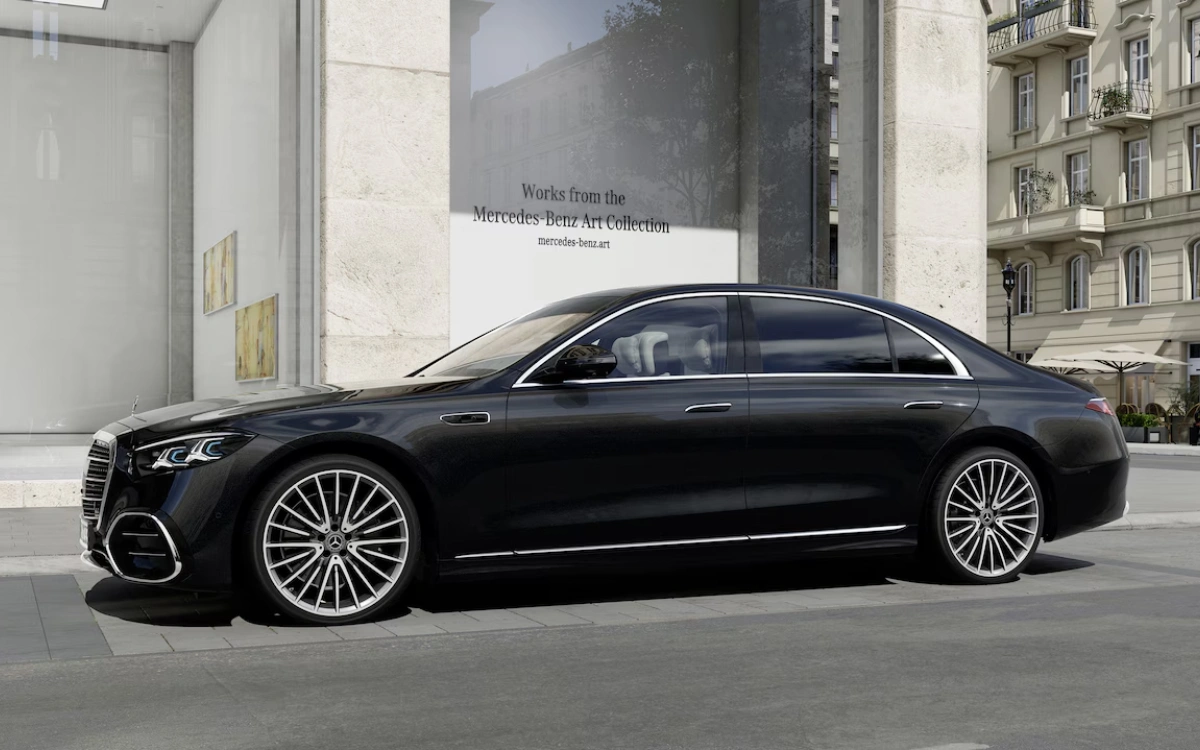
That’s a difference of about $173 every month between home-charging the Tesla and fueling the Mercedes.
If you do the math, that’s more than $2,000 a year.
Of course, these are merely estimates, and actual costs will vary depending on your utility, charging network, location, and driving locations.
Nevertheless, there’s a clear winner in this contest.
The Mercedes-Benz S-Class may still win plenty of hearts with its traditional luxury and silky-smooth powertrain, but when the monthly energy bill arrives, the Tesla Model S has a very convincing ace up its sleeve.