Most SUVs fail new IIHS whiplash test and strikingly only four earn a 'good' rating
Published on Feb 08, 2026 at 8:28 AM (UTC+4)
by Jason Fan
Last updated on Feb 04, 2026 at 9:36 PM (UTC+4)
Edited by
Amelia Jean Hershman-Jones

The new IIHS whiplash test is shining a harsh light on how SUVs handle rear-end crashes, and the results are not exactly comforting.
Out of 18 small SUVs tested, only four managed to earn the top ‘good’ rating.
That means most vehicles on the road may not be doing enough to protect drivers from neck and back injuries, per the organization’s findings.
Considering whiplash is one of the most common injuries in insurance claims, that is a big deal.
SBX CARS – View live supercar auctions powered by Supercar Blondie
There’s an increased focus on head and spine support
The Insurance Institute for Highway Safety designed this updated test to replace an older procedure that had become too easy for modern cars to pass.
Instead of a simple evaluation of head restraints, the new test looks at how well the seat and head restraint work together to protect the head and spine.
Engineers remove the driver’s seat, mount it on a sled, and strap in a special crash dummy with an articulated spine.
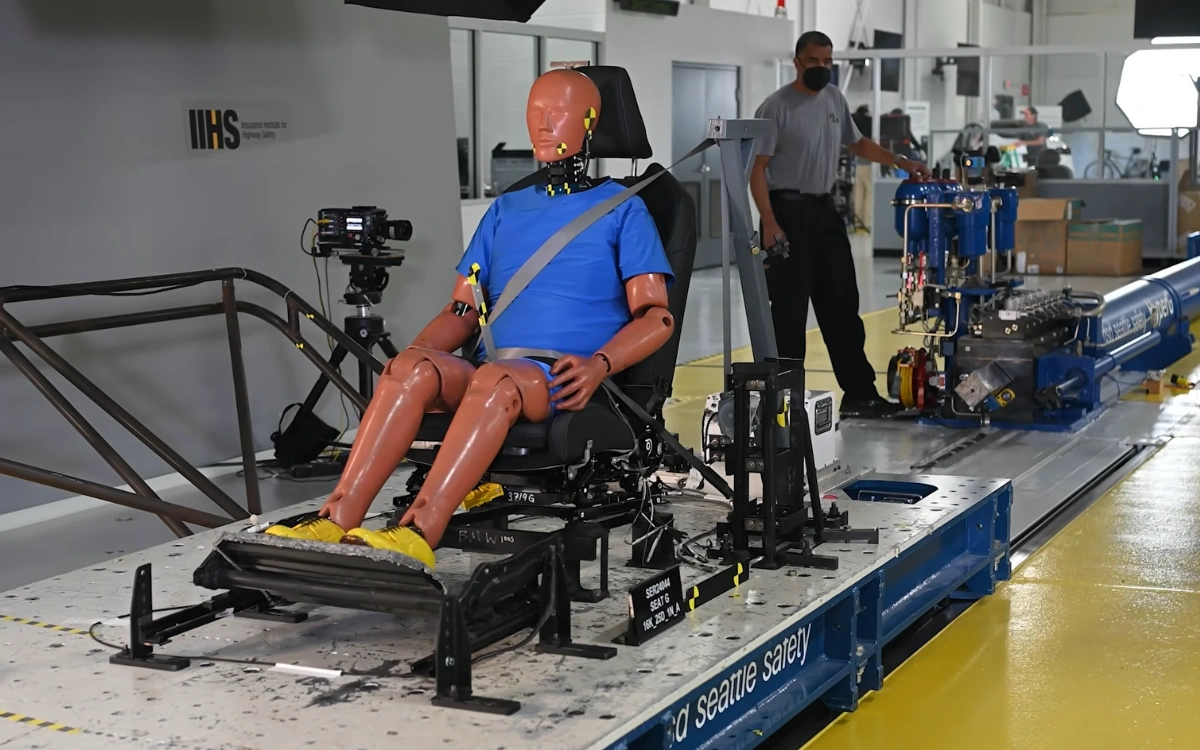
The sled then simulates being hit from behind at 20 and 30mph, measuring how the dummy’s body reacts.
The focus is on head and spine support, how quickly the head restraint catches the head, and how the seat manages crash energy.
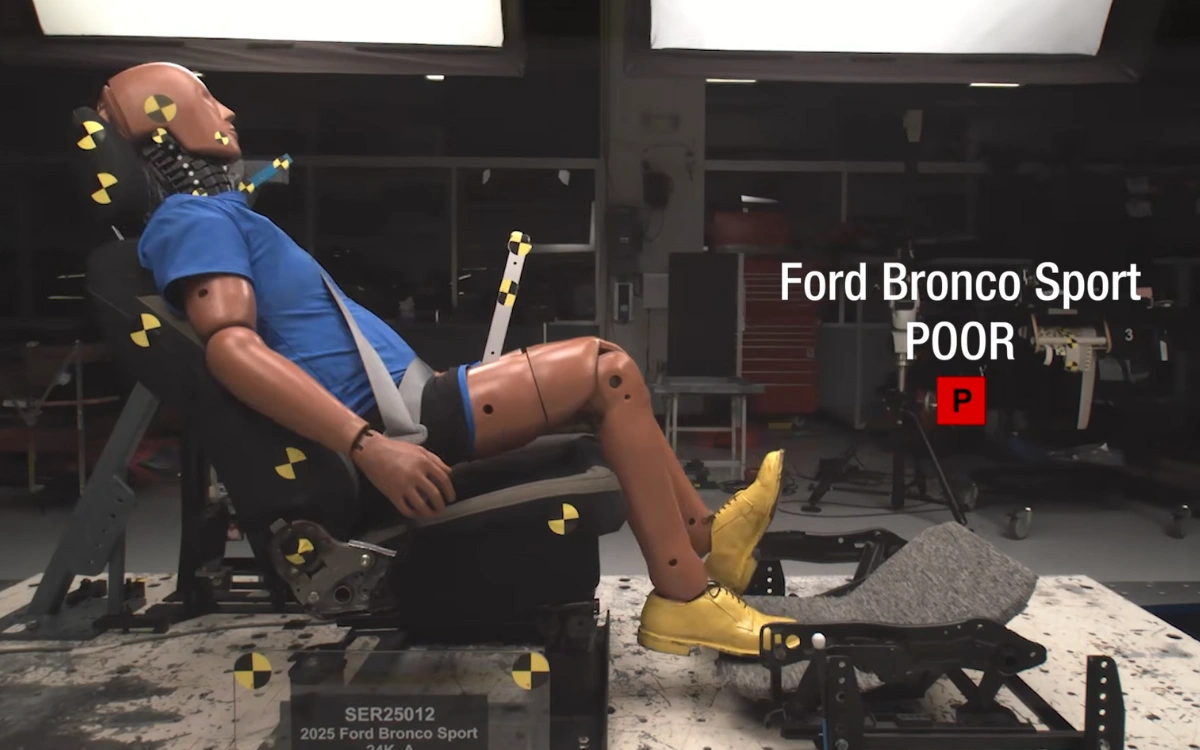
In poorly performing cars, the dummy’s head moved a lot compared to the spine, a recipe for serious neck injuries in real life.
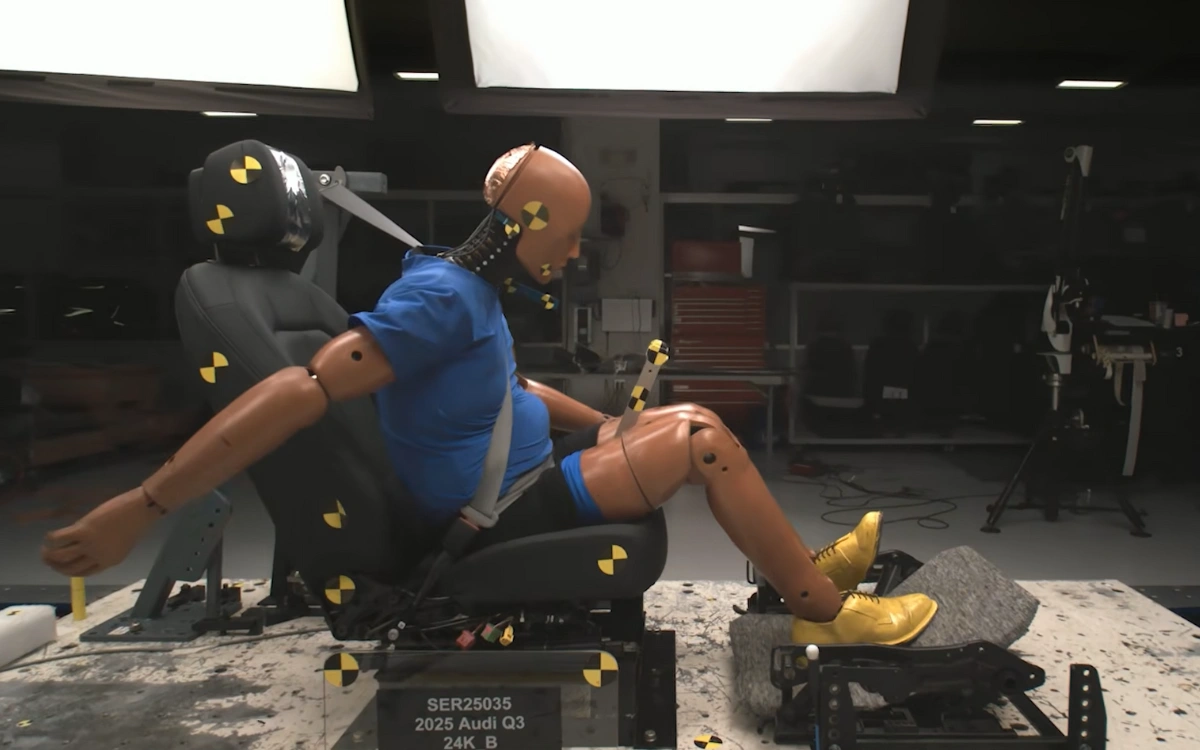
In the Hyundai Tucson, for example, the head restraint pushed the chin toward the chest.
In the Mazda CX-50, the head slid backward and upward.
The Ford Bronco Sport also scored ‘poor,’ with the seat offering weak support and the head restraint taking too long to make contact.
Click the star icon next to supercarblondie.com in Google Search to stay ahead of the curve on the latest and greatest supercars, hypercars, and ground-breaking technology
The new IIHS whiplash test may save lives
The big winners were the 2025 Audi Q3, Hyundai Ioniq 6, Subaru Forester, and Toyota RAV4, all of which earned ‘good’ ratings.
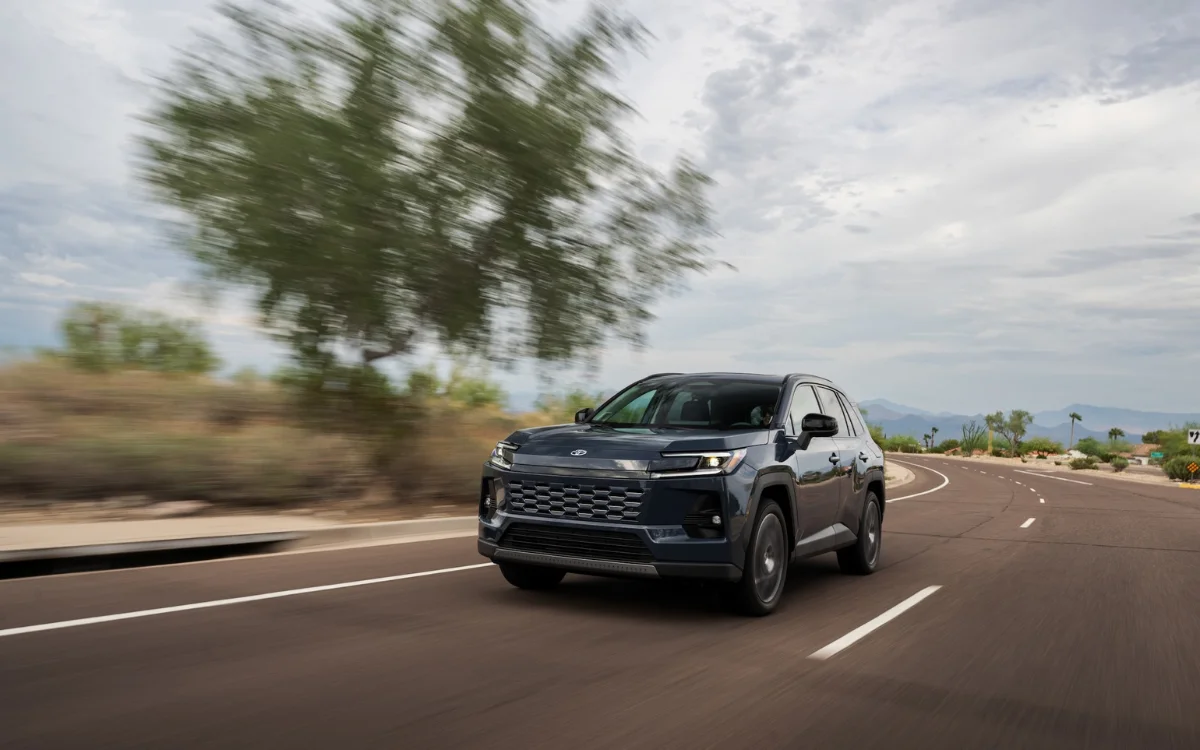
These vehicles kept the dummy’s head movement limited and maintained the spine’s natural curve under impact.
Several others, including the Honda CR-V, Jeep Compass, Kia Sportage, and Volkswagen Taos, landed in the ‘acceptable’ middle ground.
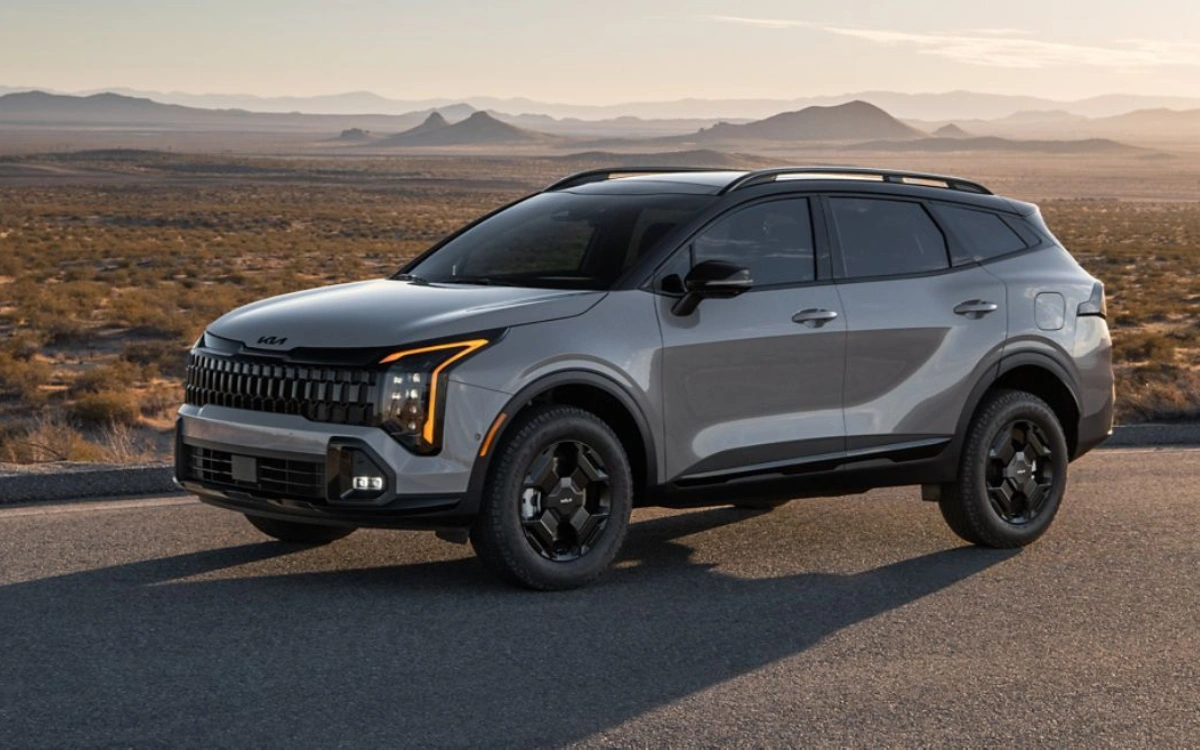
Interestingly, some well-known models like the BMW X1 and Nissan Rogue managed only ‘marginal’ scores.
That shows this test is not about brand reputation, but about seat design and restraint performance.
IIHS admits researchers still do not fully understand every detail of whiplash injuries.
But one thing is clear: better head restraints and seat designs can make a real difference.
If the new IIHS whiplash test pushes automakers to improve, drivers’ necks everywhere will thank them.
Check out the full video below to see how it works:

DISCOVER SBX CARS: The global premium car auction platform powered by Supercar Blondie