There's a mysterious 50-mile long road that cuts across the Mojave Desert that no one can explain
Published on Dec 12, 2025 at 11:53 AM (UTC-5)
by Daisy Edwards
Last updated on Dec 15, 2025 at 6:20 AM (UTC-5)
Edited by
Emma Matthews
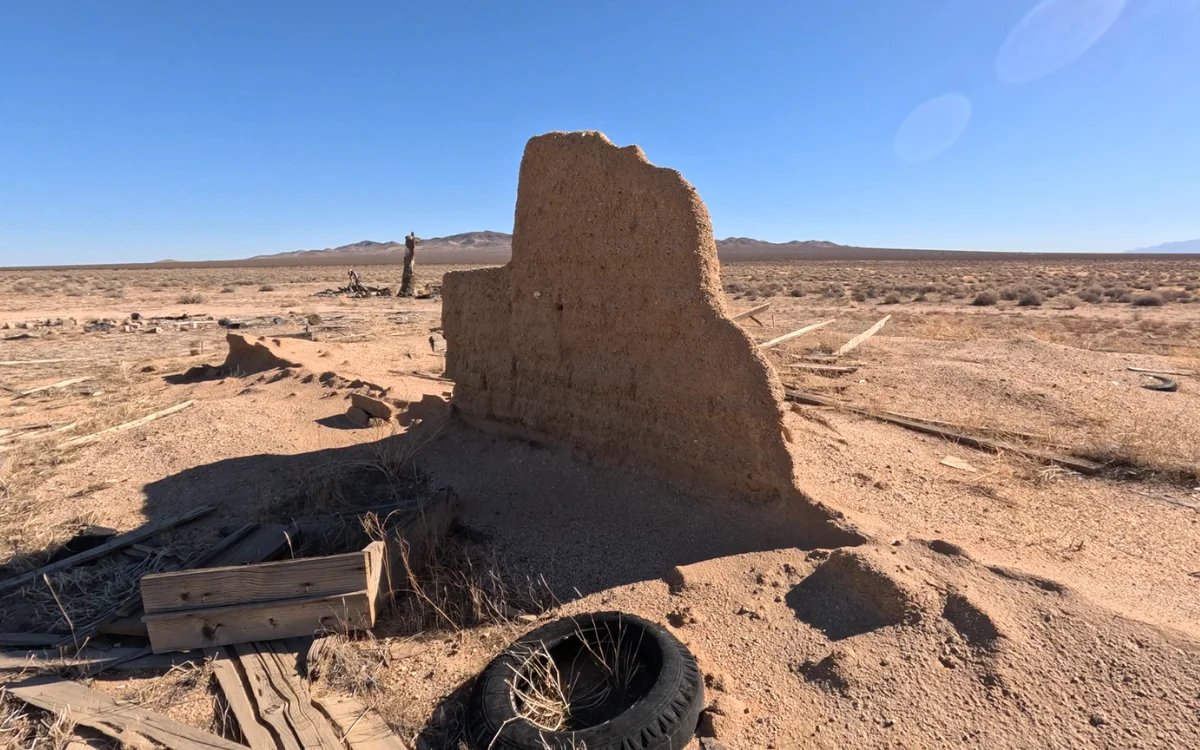

There is a mysterious 50-mile-long road cutting across the Mojave Desert that has no clear explanation as to what its purpose is and where it’s going.
The dirt track stretches between Barstow and Palmdale in California, running almost perfectly straight across the desert terrain.
Despite being far more direct than modern highways, it does not even appear as a usable route on Google Maps, so most people don’t even know it exists.
Even more confusing, there are no official records that clearly explain who built it or why.
EXPLORE SBX CARS – Supercar auctions starting soon powered by Supercar Blondie
This mysterious road in the Mojave Desert isn’t on Google Maps
Very few people travel down this mysterious and secret track that cuts across the Mojave Desert from Barstow and Palmdale.
The road begins near State Route 58 outside Hinckley, California, and cuts across the Mojave for nearly 50 miles.
In some parts of the road, there are signs calling it IM4800, but the name offers few answers, and it’s not even on Google Maps.
Unlike most desert roads that curve around obstacles and deep sand, this one cuts directly through them, but creating a line this straight would have required heavy machinery and deliberate planning.
That detail immediately rules out several popular theories.
Some people guess it had to do with stagecoach and wagon routes from the 1800s. But those roads followed along water sources and natural terrain, making a long, straight road like this one impossible.
Historical surveys also do not fit, as the road ignores the standard map grid and cuts diagonally across it instead.
The road didn’t appear on normal maps until 1943, and aerial photos from just a few years later already show sections broken up or erased.
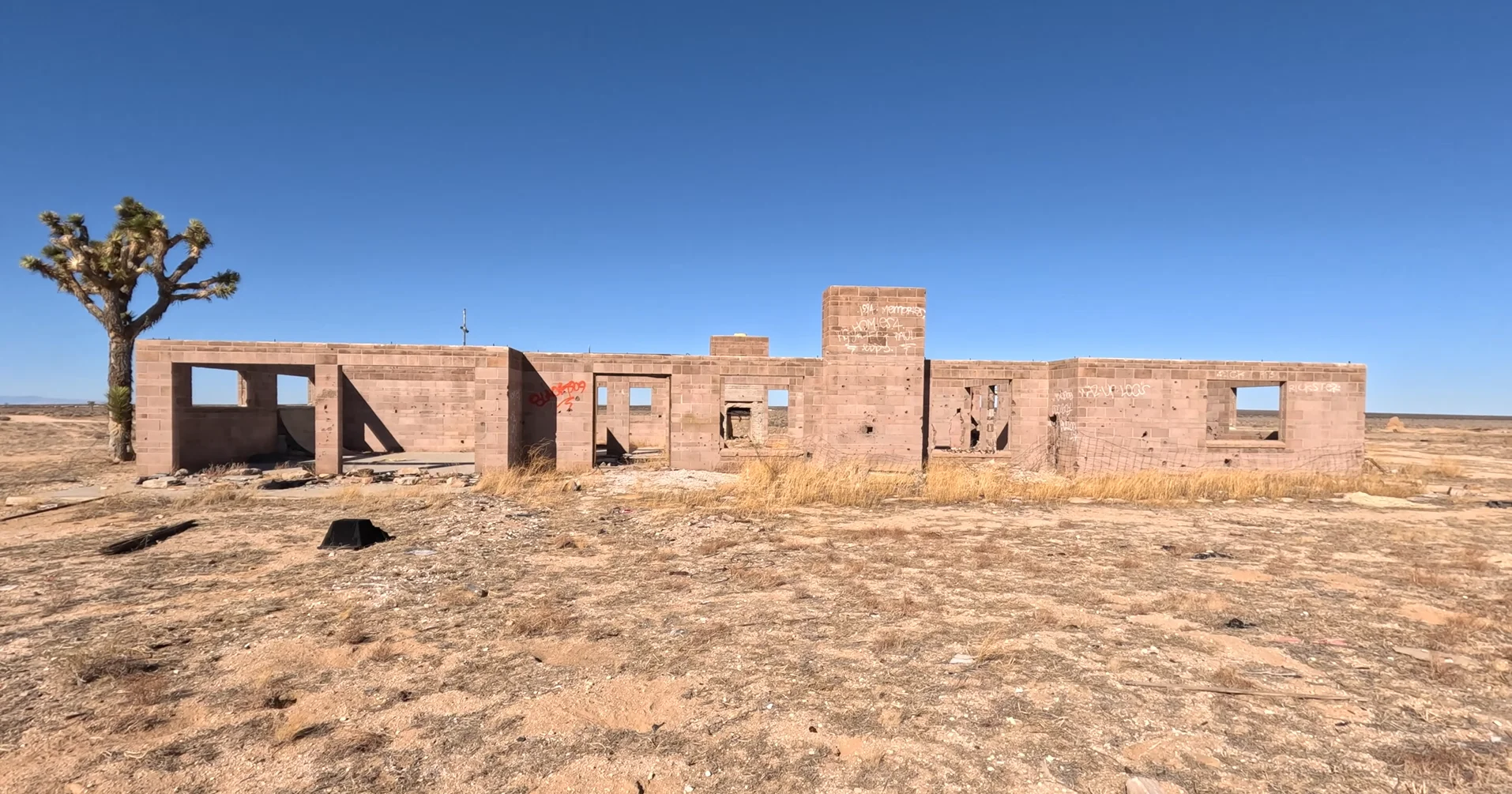
Along the route are scattered ruins, abandoned debris, and a random, lonely location with a single name called How’s Place.
Property records show it was privately owned during the 1960s and later sold, but its presence does little to explain the road itself.
Related
The military theory that fits best
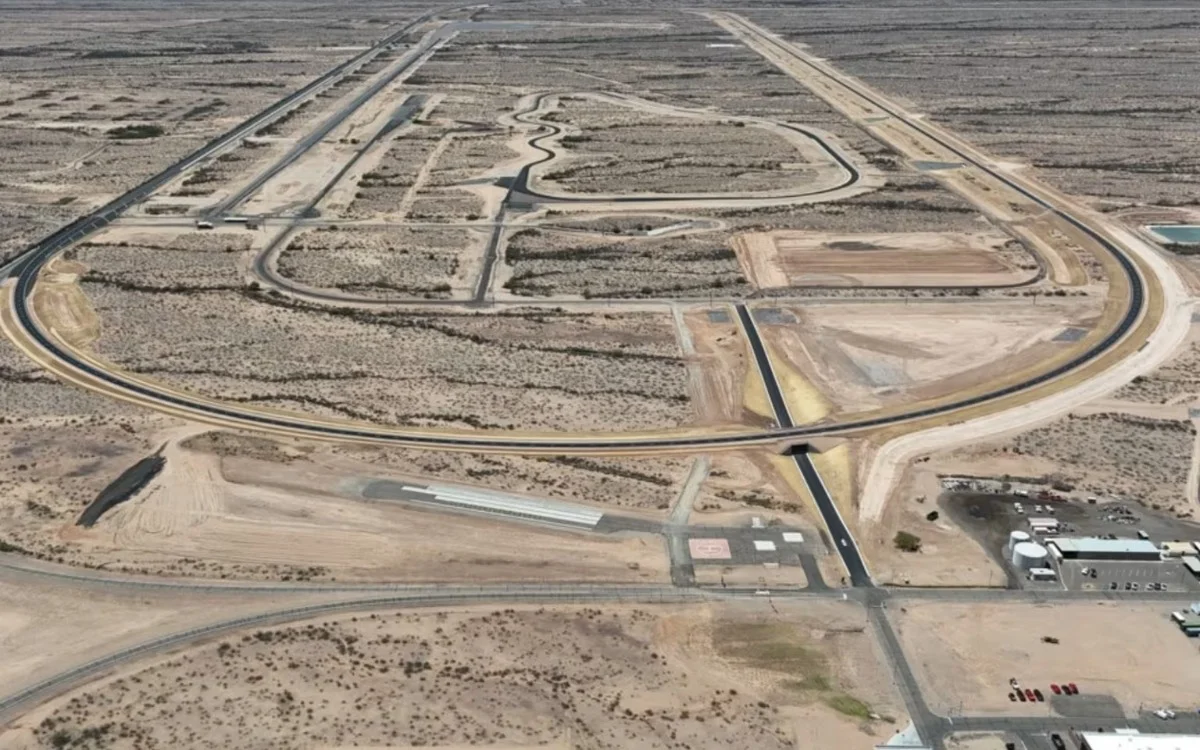
The most convincing explanation points towards the military, mostly because the road passes through restricted airspace connected to Edwards Air Force Base, China Lake, and Fort Irwin.
During World War Two and the early part of the Cold War, the Mojave Desert was heavily used for aircraft testing, RADAR calibration, and military transport.
Long, perfectly straight roads were useful for calibration lines and rapid movement across open terrain, and it seems that military engineers were not bound by civilian survey rules, which could explain the unusual alignment.
A telephone company later owned the land, suggesting the road may have been briefly reused before being abandoned.
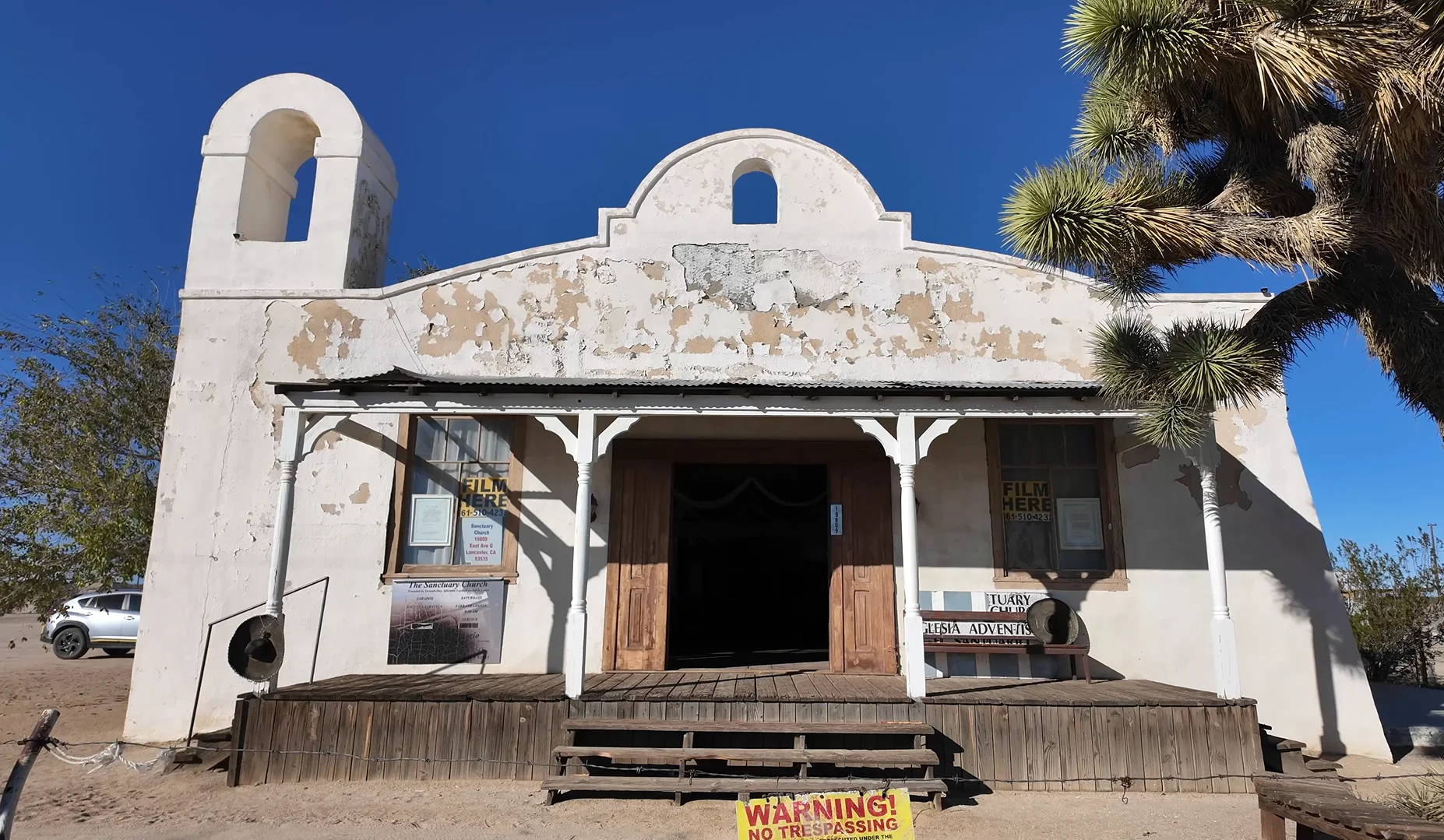
Near the end of the dusty abandoned route, the roadway passes close to a famous and unexpected Hollywood landmark.

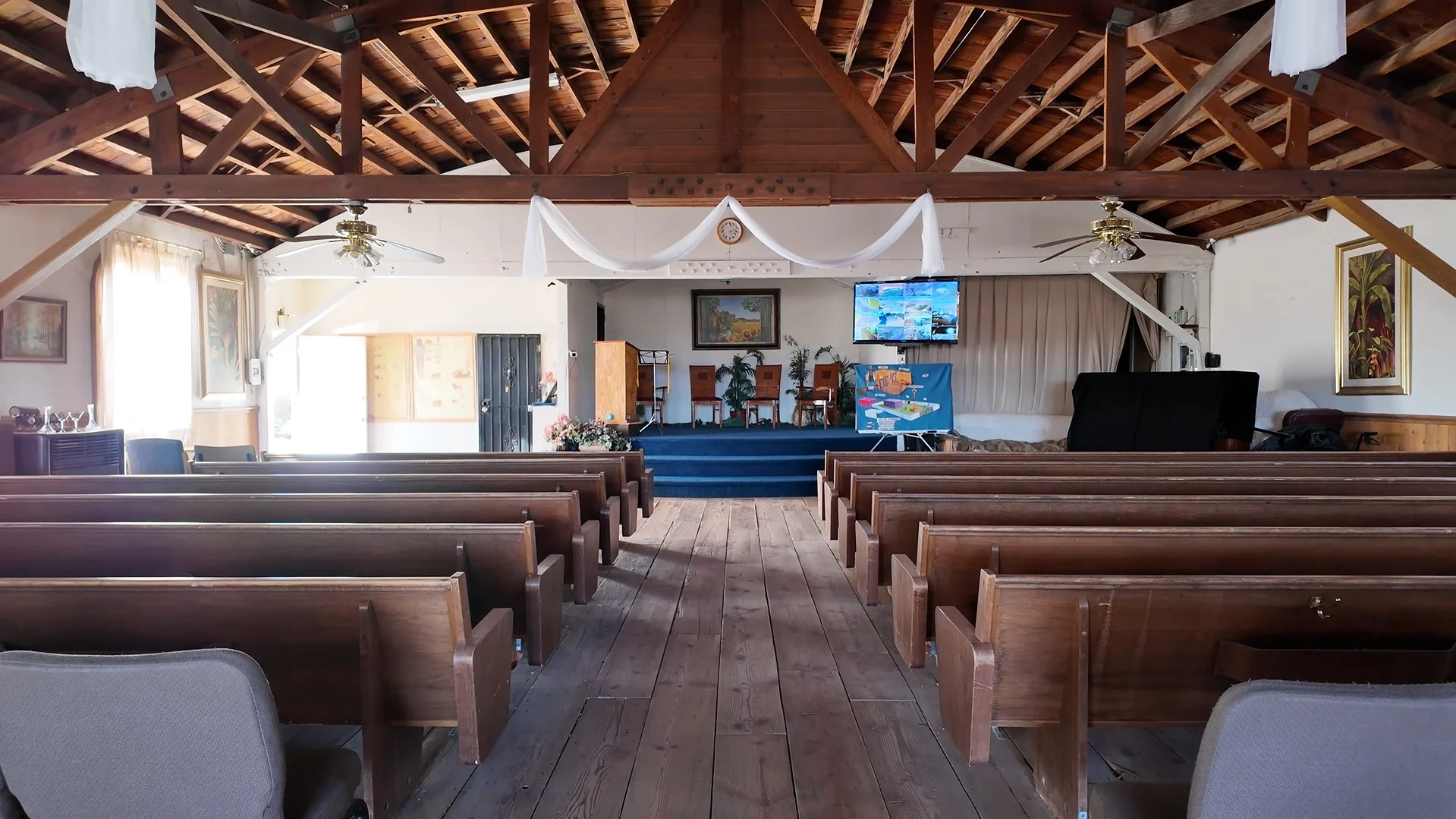
A small church nearby is best known for appearing in the film Kill Bill, where it was used as the site of the movie’s infamous wedding massacre scene.
Despite its movie reputation, the building is a real church that dates back to the early 1900s, which still has services today, and its presence adds an odd Hollywood footnote to an already strange journey across the Mojave Desert.
Even though no one can explain how it got there, what it’s for, or find it on a map, for now, it remains one of the Mojave Desert’s strangest mysteries.
Daisy is a technology and automotive journalist covering artificial intelligence, consumer tech, Apple news, cryptocurrency, emerging technologies, and transportation innovation. Since joining the team in 2025, she has reported on everything from AI-powered startups and major iOS updates to viral car stories and the latest developments shaping transportation and the digital economy. Drawing on her background in automotive journalism and a degree in History and Journalism from Goldsmiths, University of London, Daisy specializes in breaking down complex topics into clear, engaging reporting for a global audience. Her work spans cutting-edge technology, innovative vehicles, and the people driving change across both industries. Daisy has gained first-hand access to some of the world's most talked-about technologies and innovators, including meeting Tesla's Optimus humanoid robot during its first European appearance in London. She has also discussed the future of space exploration with an astronaut, bringing unique insights and real-world perspectives to her coverage of emerging technology.